As U.S. Readies Chinese Import Tax, Worries of Economic Impact Loom Large
*By Alisha Haridasani*
The first round of tariffs for American and Chinese goods goes into effect on Friday, officially plunging the two countries into a trade war that could end up undermining the U.S. economy.
The Trump administration is poised to impose taxes on $50 billion of Chinese imports in high-tech industries, such as robotics, aerospace, and industrial machinery, in an attempt to punish Beijing for intellectual property theft and to rebalance a trade deficit. The first phase of that will affect $34 billion worth of goods.
"The United States will be opening fire on the whole world and also opening fire on itself," said China's Commerce Ministry spokesperson on Thursday, reiterating that Beijing will fight back.
China has promised to immediately hit back with tariffs of “equal scale, equal intensity” on American soybeans, corn, wheat, rice, beef, and poultry.
President Trump announced the tariffs in June and since then the U.S. and China have been locked in a series of threats and negotiations that have rattled markets.
The back-and-forth has already forced companies to rethink their strategies. Chinese companies have started turning away from U.S. soybean suppliers and looking to other sources for agricultural products.
“Farmers in America’s heartland are already feeling the pain,” said Sara Hsu, economist and associate professor at SUNY-New Paltz. “Consumers can expect to feel the pain in the coming months.”
And enduring the pinch isn't going to pay off. Protectionism has historically proven to be destructive for the global economy and won’t achieve what the Trump administration is trying to accomplish, said Hsu.
The tariffs will hurt the American high-tech companies that Trump is trying to protect from intellectual property theft as it becomes increasingly difficult for those companies to do business in China, she said.
“Also, in terms of reducing the U.S.-China deficit, this is a point that I think the administration misunderstands,” she said. “A deficit is actually a good thing for the U.S. because we’re the world’s biggest economic power, and other countries are willing to hold our debt,” said Hsu. Reducing the deficit would signal that the global economy shouldn’t be investing in U.S. debt.
“We’re going to reduce our own power, it’s going to backfire on us.”
The trade spat with China is part of the president’s broader plan to renegotiate American trade deals with other countries. The U.S. has already levied tariffs on steel and aluminum imports from Canada, Mexico, and the EU, angering those allies and prompting them to retaliate.
Shots fired on that front have already claimed one American victim: Harley-Davidson. The motorcycle company announced last month it would move production out of the U.S. to get around the EU’s retaliatory tariffs.
For full interview, [click here](https://cheddar.com/videos/china-warns-u-s-on-trade).
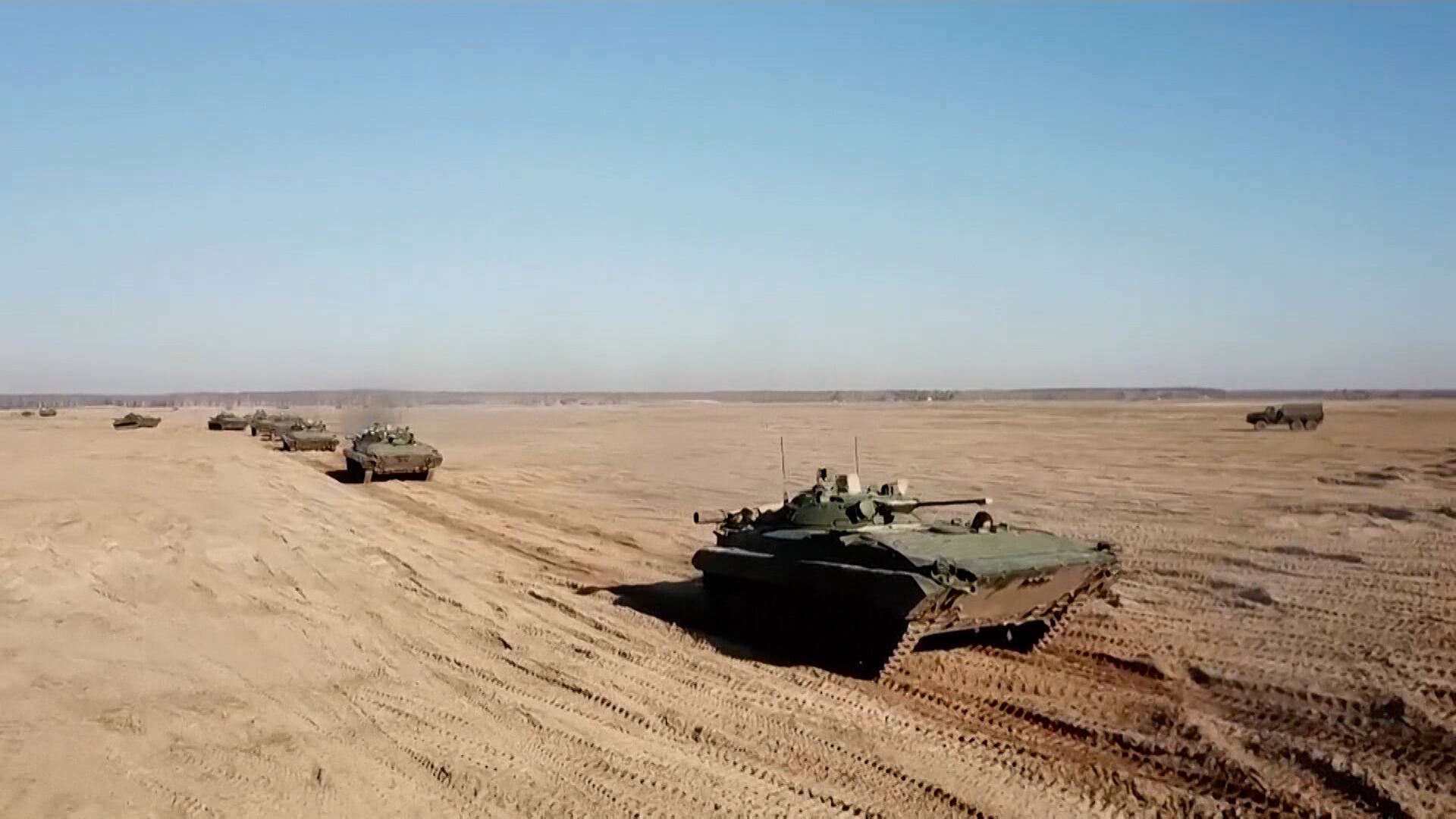
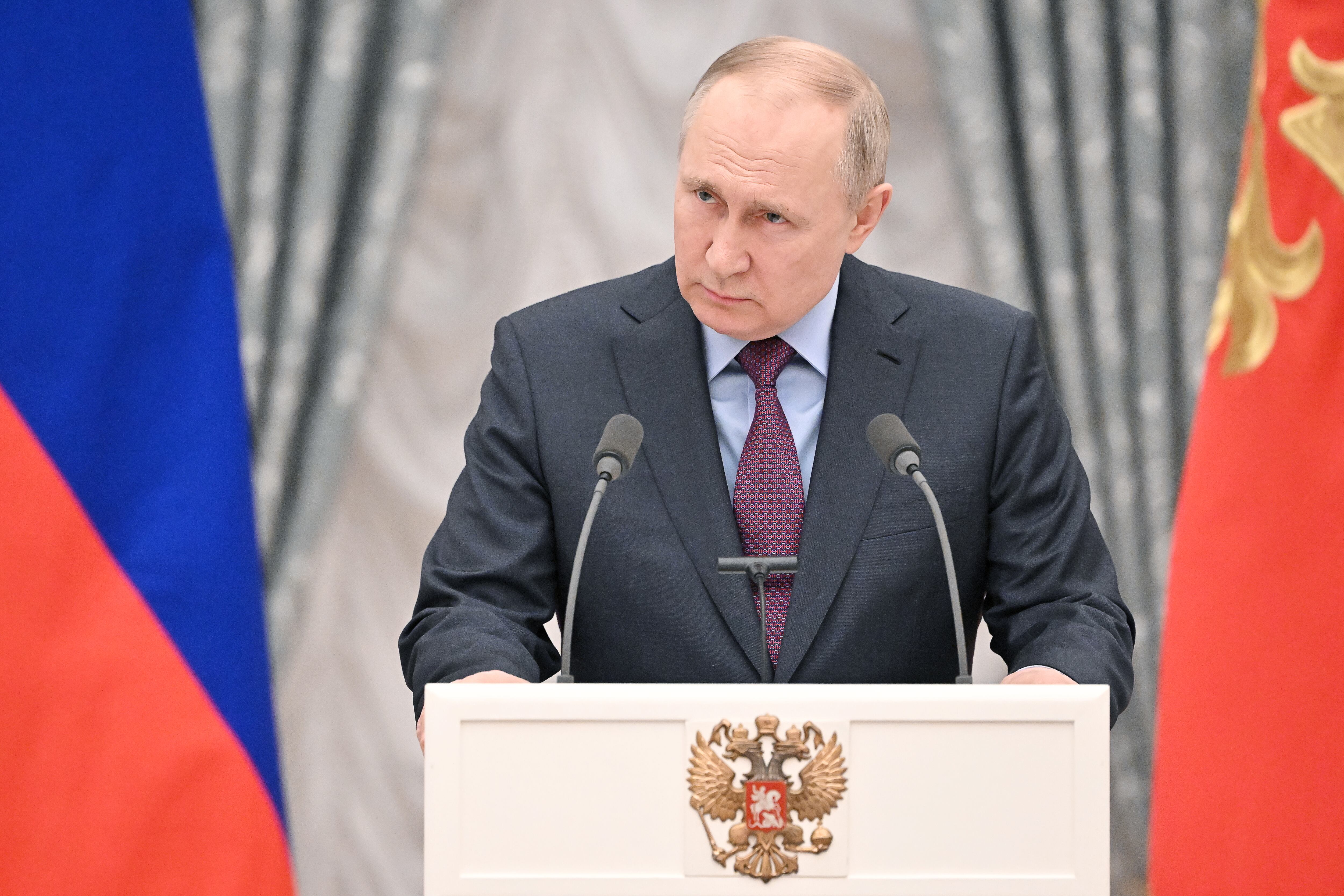
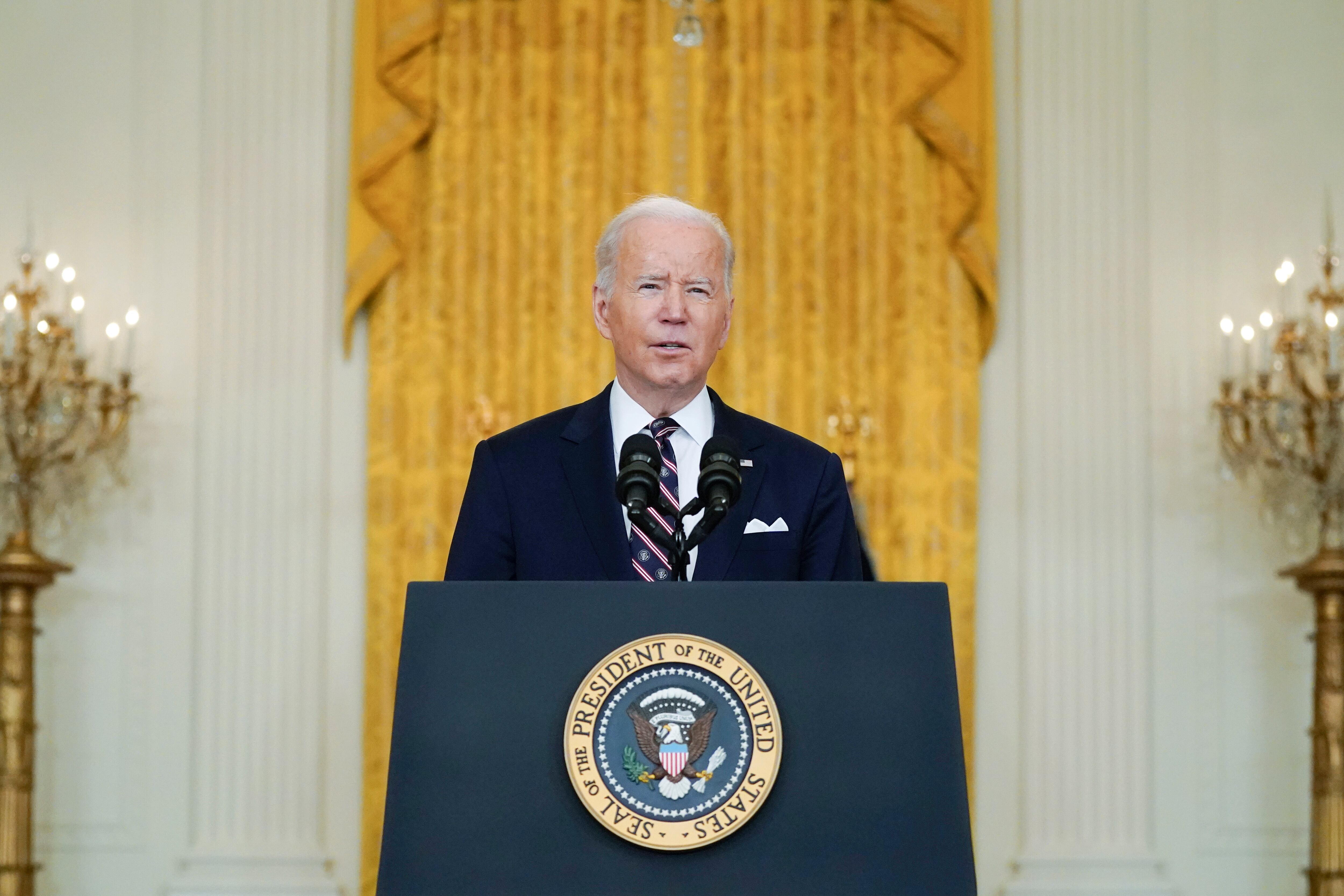
President Joe Biden said Tuesday that the U.S. will begin to impose sanctions on Russia, calling recent troop movement into Ukraine an 'invasion.' Biden and other government officials including from the State Department have begun to classify the Russian troop movement as an invasion after Russian President Vladimir Putin ordered troops to two independent Ukrainian areas in an alleged "peacekeeping" mission — which the West considers an act of aggression. Biden said Russia will continue to pay 'an even steeper price' if it continues sending troops into Ukraine. What happens next? Will Putin find a way around these sanctions? Ariel Cohen, senior fellow at the Atlantic Council, joins Closing Bell to discuss Biden's remarks, how the West will protect Ukraine since it doesn't belong to NATO, and more.
Russian lawmakers have given President Vladimir Putin a military force authorization in Ukraine, and President Biden has described Putin's announcement declaring the independence of two provinces within Ukraine and his subsequent deployment of peacekeepers as tantamount to "invasion. David Tafuri, a former Obama campaign foreign policy advisor and Bush State Department official, joined Cheddar News to discuss. "The Ukrainian military occupies more than 70 percent of those provinces still," Tafuri said, noting Putin alleged having a responsibility to defend those regions. "This would put Ukrainian forces and Russian forces right at each other engaged. And that might be how the war starts."
The major indexes ended Tuesday's session sharply lower due to escalating tensions between Russia and Ukraine. Bill Stone, Chief Investment Officer at The Glenview Trust Company, joins Cheddar News' Closing Bell, where he reminds viewers that Wall Street doesn't like uncertainty, and more of the recent losses are due to geopolitics than inflation.
Karim Hijazi, CEO of Prevailion, joins Cheddar News' Closing Bell, where he says that crypto's decentralized nature will pose obstacles for the FBI's new crypto unit, but it will also make progress with items such as managing fraudulent exchanges.
The Retail Industry Leaders Association released a report alleging the safety risks, economic losses, and potential job losses they link to a surge in shoplifting crimes in the United States. Lisa LaBruno, senior EVP of retail operations at the trade organization, joined Cheddar News to discuss the impact of websites that allow for the resale of unverified goods and passing the INFORM Consumers Act to stamp it out. “We need to hold the online marketplaces accountable for being a favored venue for criminals to resell stolen product," LaBruno said. "And that is exactly what the INFORM Act is designed to do."
The East-West faceoff over Ukraine has escalated dramatically, with Russian lawmakers authorizing President Vladimir Putin to use military force outside his country and President Biden and European leaders responding by slapping sanctions on Russian oligarchs and banks.
Stocks closed broadly lower Tuesday after Russia sent forces into Ukraine’s eastern region and the U.S., European Union and U.K. responded with economic sanctions.