As U.S. Readies Chinese Import Tax, Worries of Economic Impact Loom Large
*By Alisha Haridasani*
The first round of tariffs for American and Chinese goods goes into effect on Friday, officially plunging the two countries into a trade war that could end up undermining the U.S. economy.
The Trump administration is poised to impose taxes on $50 billion of Chinese imports in high-tech industries, such as robotics, aerospace, and industrial machinery, in an attempt to punish Beijing for intellectual property theft and to rebalance a trade deficit. The first phase of that will affect $34 billion worth of goods.
"The United States will be opening fire on the whole world and also opening fire on itself," said China's Commerce Ministry spokesperson on Thursday, reiterating that Beijing will fight back.
China has promised to immediately hit back with tariffs of “equal scale, equal intensity” on American soybeans, corn, wheat, rice, beef, and poultry.
President Trump announced the tariffs in June and since then the U.S. and China have been locked in a series of threats and negotiations that have rattled markets.
The back-and-forth has already forced companies to rethink their strategies. Chinese companies have started turning away from U.S. soybean suppliers and looking to other sources for agricultural products.
“Farmers in America’s heartland are already feeling the pain,” said Sara Hsu, economist and associate professor at SUNY-New Paltz. “Consumers can expect to feel the pain in the coming months.”
And enduring the pinch isn't going to pay off. Protectionism has historically proven to be destructive for the global economy and won’t achieve what the Trump administration is trying to accomplish, said Hsu.
The tariffs will hurt the American high-tech companies that Trump is trying to protect from intellectual property theft as it becomes increasingly difficult for those companies to do business in China, she said.
“Also, in terms of reducing the U.S.-China deficit, this is a point that I think the administration misunderstands,” she said. “A deficit is actually a good thing for the U.S. because we’re the world’s biggest economic power, and other countries are willing to hold our debt,” said Hsu. Reducing the deficit would signal that the global economy shouldn’t be investing in U.S. debt.
“We’re going to reduce our own power, it’s going to backfire on us.”
The trade spat with China is part of the president’s broader plan to renegotiate American trade deals with other countries. The U.S. has already levied tariffs on steel and aluminum imports from Canada, Mexico, and the EU, angering those allies and prompting them to retaliate.
Shots fired on that front have already claimed one American victim: Harley-Davidson. The motorcycle company announced last month it would move production out of the U.S. to get around the EU’s retaliatory tariffs.
For full interview, [click here](https://cheddar.com/videos/china-warns-u-s-on-trade).
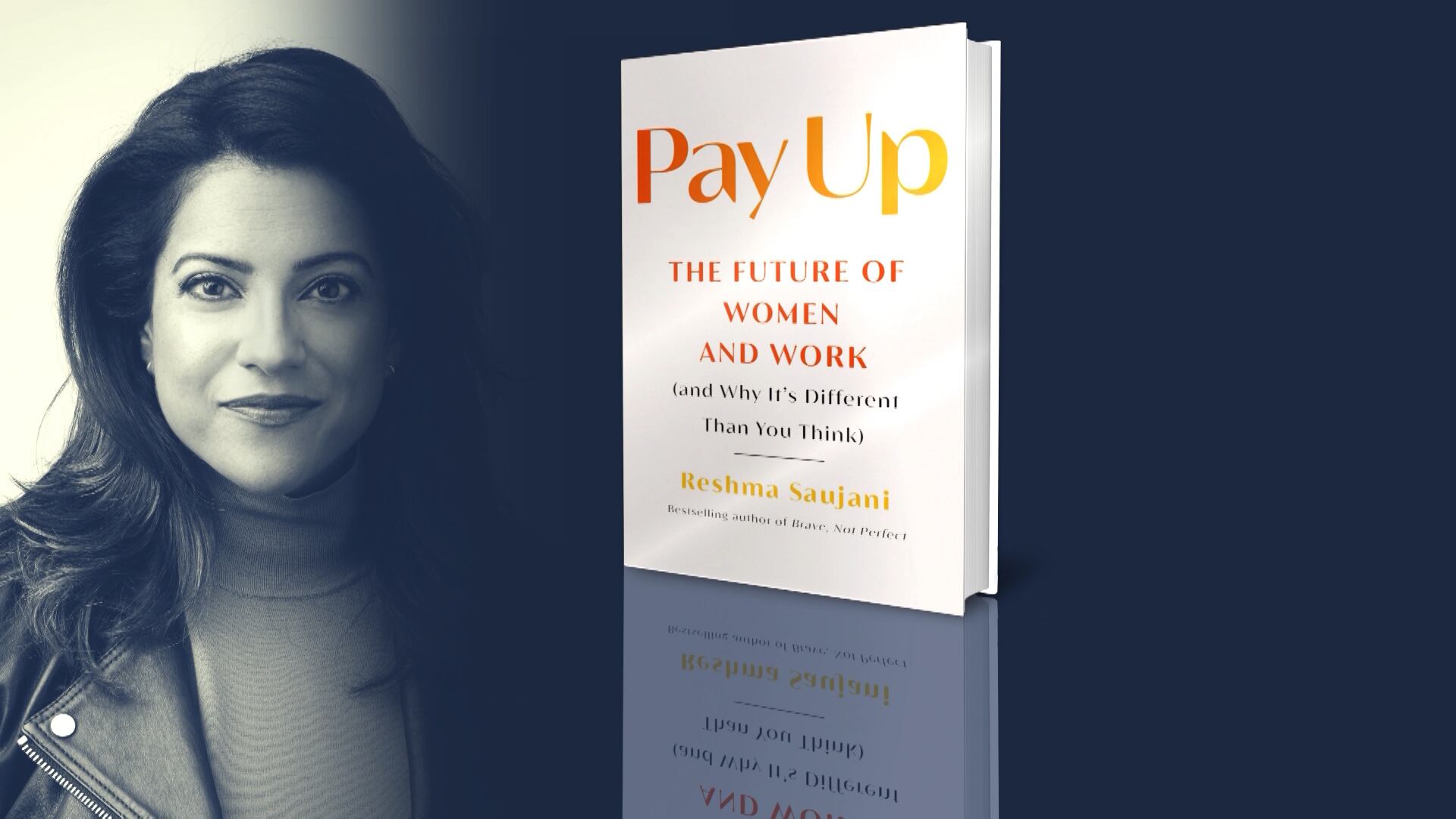
Reshma Saujani, the founder of Girls Who Code and author of "Pay Up: The Future of Women and Work (and Why It's Different Than You Think), joined Cheddar to discuss the many challenges for women in the workplace after the upheaval caused by the pandemic and the solutions she presents.
Hate crimes from the start of 2022 against Asians reportedly more than doubled compared to 2021, according to the NYPD. Amid the surge of attacks, Amber Reed, the president and co-founder of the grassroots organization AAPI Montclair, joined Cheddar News to talk about how it's looking to help Asian Americans with classes and techniques to defend themselves. “We're seeing racism literally killing people who look like us, and these self defense classes are a chance for us to rewrite a narrative of victimhood into one of empowerment," she said. "We learn first how to be aware of our surroundings because we know that being distracted, appearing weak can make you a target, and then that we focus on disengagement."
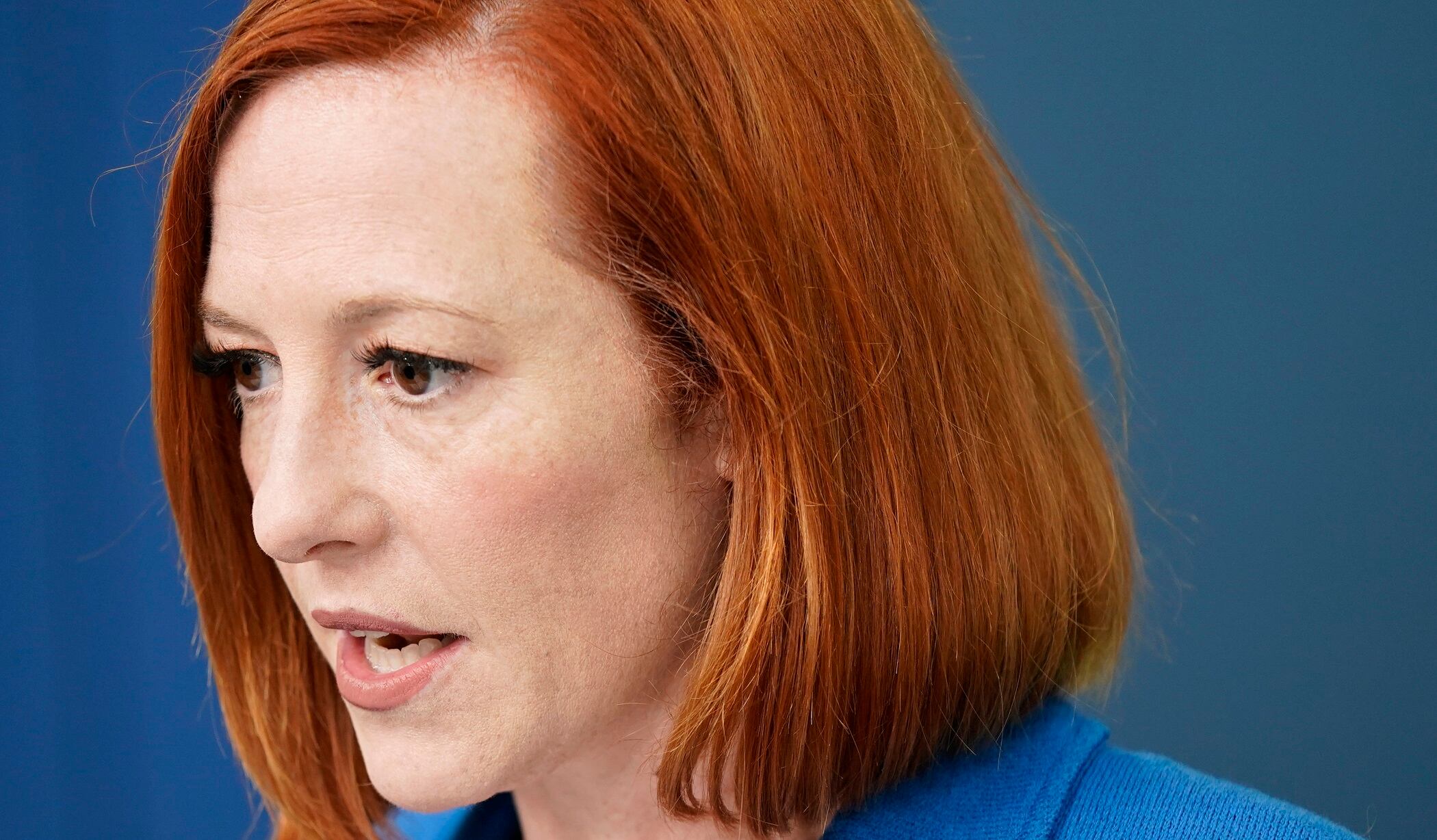
White House press secretary Jen Psaki said Tuesday that she has tested positive again for COVID-19 and will not accompany President Joe Biden to Europe for meetings on Russia’s invasion of Ukraine.
Reshma Saujani, the founder of the nonprofit Girls Who Code, discusses the workplace inequities further exposed by the pandemic and her latest book, "Pay Up: The Future of Women and Work (and Why It's Different Than You Think).
Since Russia invaded Ukraine, the United States, along with much of the Western world, has imposed economic sanctions on Russia’s economy and its oligarchs. And these measures are costing these oligarchs — billions. So what exactly is an oligarch and what are their ties to Putin and the ongoing invasion? And will sanctioning them work?
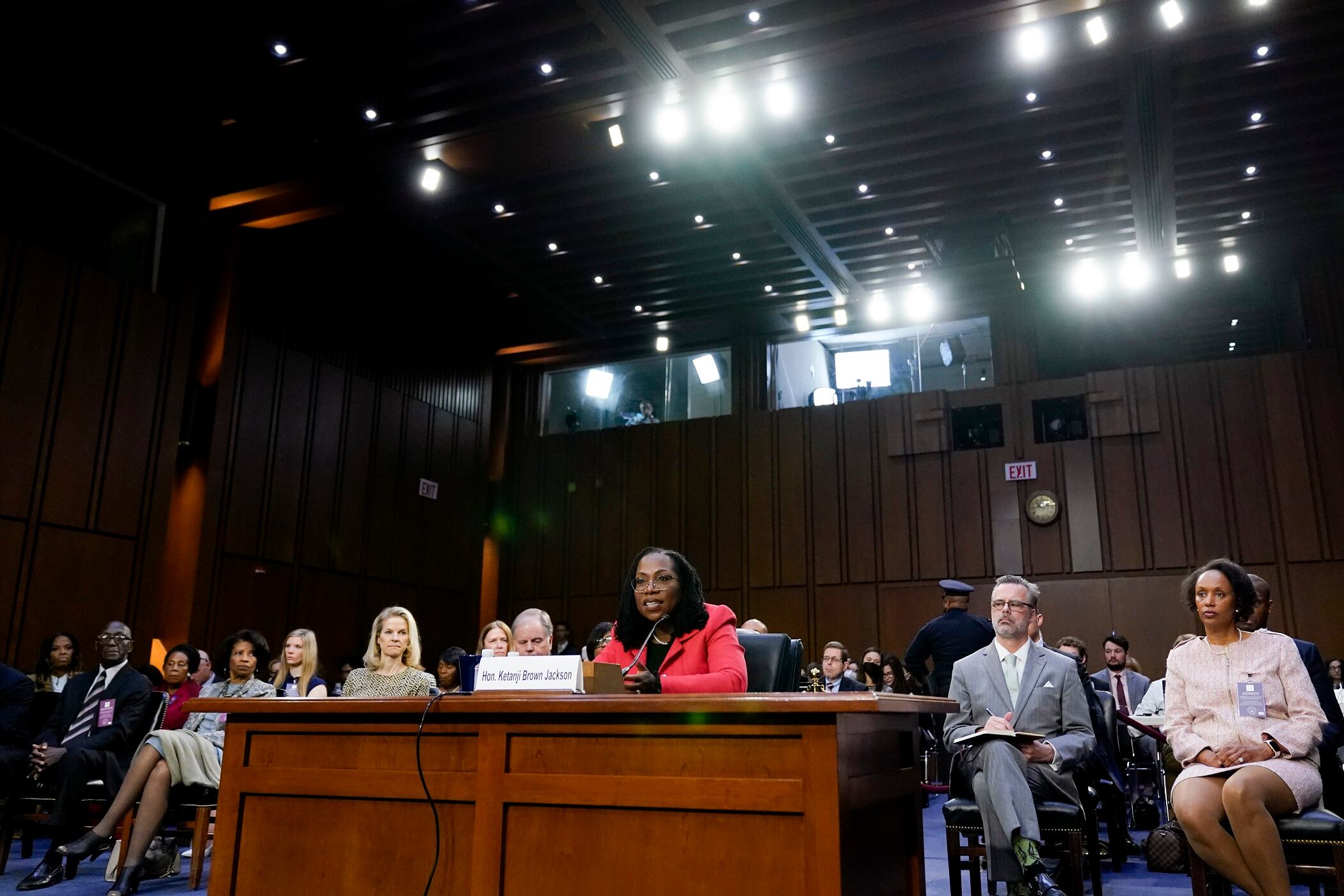
Ketanji Brown Jackson is forcefully defending her record as a federal judge, telling senators she will rule “from a position of neutrality” if she is confirmed as the first Black woman on the high court.
Ukraine remains defiant as the Russian invasion is approaching its fourth week. Cheddar News speaks with Former Obama Campaign Foreign Policy Advisor David Tafuri, on Russia’s war efforts so far and how it might shift tactics moving forward.
While investors soured on Fed Chair Jerome Powell's remarks on interest rates Monday, Anthony Saccaro, Founder and President at Providence Financial explains why he is supportive of the Fed's approach on Cheddar News' Closing Bell.
As Russia continues to wage war in Ukraine, 10 million of its citizens have fled their homes according to the UN, with more and more refugees flooding into other European countries. Nancy Dent, senior global communications officer for Europe and Asia at the aid group International Rescue Committee, joined Cheddar News to discuss the deteriorating conditions. “What's really clear from my time at the border today, in particular, is that people really are fleeing for their lives now," she said. "Two million people, 60 percent of the refugee population from Ukraine is now in Poland, and people are arriving with smaller bags really unprepared."