As U.S. Readies Chinese Import Tax, Worries of Economic Impact Loom Large
*By Alisha Haridasani*
The first round of tariffs for American and Chinese goods goes into effect on Friday, officially plunging the two countries into a trade war that could end up undermining the U.S. economy.
The Trump administration is poised to impose taxes on $50 billion of Chinese imports in high-tech industries, such as robotics, aerospace, and industrial machinery, in an attempt to punish Beijing for intellectual property theft and to rebalance a trade deficit. The first phase of that will affect $34 billion worth of goods.
"The United States will be opening fire on the whole world and also opening fire on itself," said China's Commerce Ministry spokesperson on Thursday, reiterating that Beijing will fight back.
China has promised to immediately hit back with tariffs of “equal scale, equal intensity” on American soybeans, corn, wheat, rice, beef, and poultry.
President Trump announced the tariffs in June and since then the U.S. and China have been locked in a series of threats and negotiations that have rattled markets.
The back-and-forth has already forced companies to rethink their strategies. Chinese companies have started turning away from U.S. soybean suppliers and looking to other sources for agricultural products.
“Farmers in America’s heartland are already feeling the pain,” said Sara Hsu, economist and associate professor at SUNY-New Paltz. “Consumers can expect to feel the pain in the coming months.”
And enduring the pinch isn't going to pay off. Protectionism has historically proven to be destructive for the global economy and won’t achieve what the Trump administration is trying to accomplish, said Hsu.
The tariffs will hurt the American high-tech companies that Trump is trying to protect from intellectual property theft as it becomes increasingly difficult for those companies to do business in China, she said.
“Also, in terms of reducing the U.S.-China deficit, this is a point that I think the administration misunderstands,” she said. “A deficit is actually a good thing for the U.S. because we’re the world’s biggest economic power, and other countries are willing to hold our debt,” said Hsu. Reducing the deficit would signal that the global economy shouldn’t be investing in U.S. debt.
“We’re going to reduce our own power, it’s going to backfire on us.”
The trade spat with China is part of the president’s broader plan to renegotiate American trade deals with other countries. The U.S. has already levied tariffs on steel and aluminum imports from Canada, Mexico, and the EU, angering those allies and prompting them to retaliate.
Shots fired on that front have already claimed one American victim: Harley-Davidson. The motorcycle company announced last month it would move production out of the U.S. to get around the EU’s retaliatory tariffs.
For full interview, [click here](https://cheddar.com/videos/china-warns-u-s-on-trade).
This March 19, 2018, file photo shows the Yelp app on an iPad in Baltimore. Yelp reports financial results Thursday, Nov. 7, 2019. The online review service will cover the travel expenses of employees who have to travel out of state for abortions, joining the ranks of major employers trying to help workers affected by restrictions being placed on the procedure in Texas and other states. The benefit announced Tuesday, April 12, 2022 covers Yelp's entire workforce of 4,000 employees, but seems most likely to have its biggest immediate impact on its 200 workers in Texas, which has passed a law banning abortions within the state after six weeks of pregnancy. (AP Photo/Patrick Semansky, File)
Catching you up on what you need to know on April 13, 2022, with President Biden referring to the Russian invasion of Ukraine as a genocide, a suspect has been identified in the Brooklyn subway shooting that injured 23 people, New York’s lieutenant governor has resigned due to bribery allegations, and more.
A shooter opened fire inside a busy subway car in New York on Tuesday creating chaos. Cheddar News speaks with Ralph Cilento, Professor of Police Science at John Jay College of Criminal Justice who gives tips on how to proceed in active shooter situations.
David Katz, a former federal agent with the Department of Justice, and currently founder, CEO, and owner of Global Security Group, joined Cheddar News to talk about the Tuesday mass shooting on a subway train in Brooklyn, N.Y. even as local authorities have so far stated it was not being investigated as a potential terrorist attack. "At this point between the commissioner of the NYPD and the governor of New York, they're almost saying, 'well, it's an active shooter incident.' Okay, but active shooter incidents can also be motivated by terrorism, so until we know motive, we can't make that conclusion at all," Katz said.
Catching you up with what you need to know on Apr 12, 2022, with Russia concentrating forces in eastern Ukraine, rising inflation, severe weather from Minnesota to the Gulf Coast, Philadelphia brings back its indoor mask mandate, PG&E pays $55 million for wildfire settlement, and more
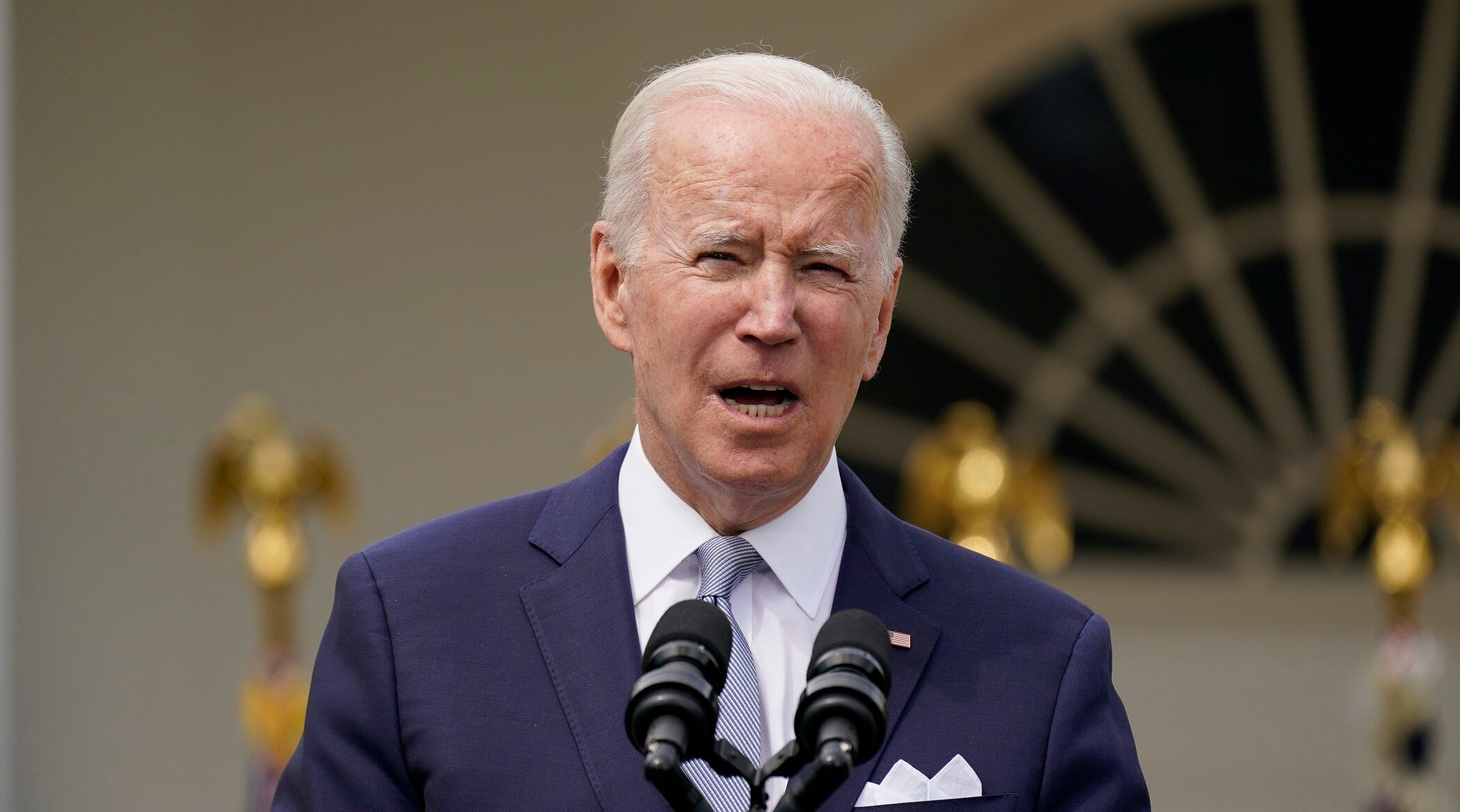
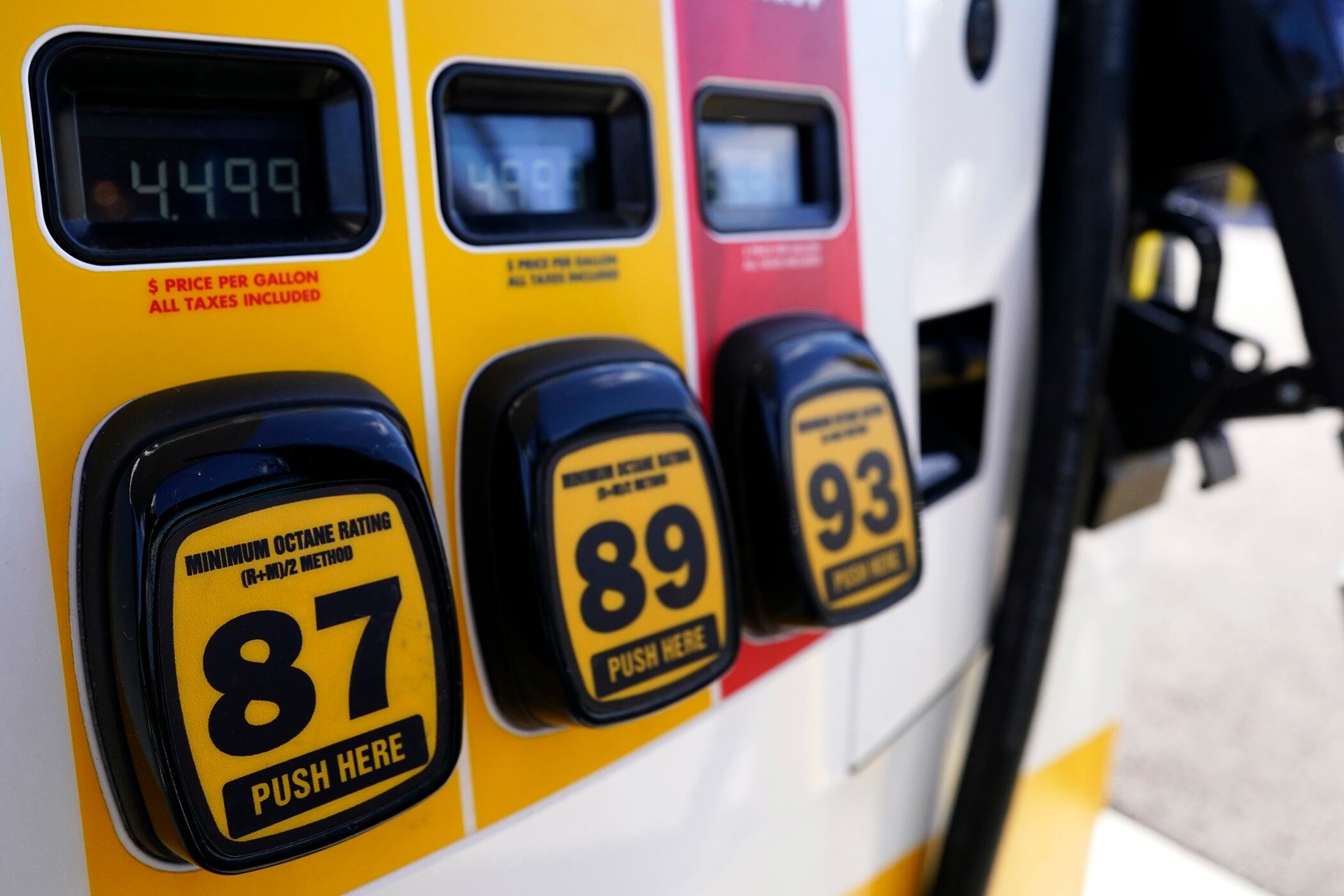
President Joe Biden is visiting corn-rich Iowa to announce he’ll suspend a federal rule preventing the sale of higher ethanol blend gasoline in the summer.
The March consumer price index showed a 1.2 percent month-over-month increase and 8.5 percent increase from a year ago, which was the highest reading since 1981.
U.S. stocks saw a jump in the final hour of Thursday's session, and ultimately closed slightly higher for the day. Tim Pagliara, Chief Investment Officer of CapWealth, joined Cheddar News' Closing Bell to discuss. "The markets have had to digest a lot of action from the federal reserve this quarter and it's affecting everything from mortgage rates to how they value stocks," he said.