As U.S. Readies Chinese Import Tax, Worries of Economic Impact Loom Large
*By Alisha Haridasani*
The first round of tariffs for American and Chinese goods goes into effect on Friday, officially plunging the two countries into a trade war that could end up undermining the U.S. economy.
The Trump administration is poised to impose taxes on $50 billion of Chinese imports in high-tech industries, such as robotics, aerospace, and industrial machinery, in an attempt to punish Beijing for intellectual property theft and to rebalance a trade deficit. The first phase of that will affect $34 billion worth of goods.
"The United States will be opening fire on the whole world and also opening fire on itself," said China's Commerce Ministry spokesperson on Thursday, reiterating that Beijing will fight back.
China has promised to immediately hit back with tariffs of “equal scale, equal intensity” on American soybeans, corn, wheat, rice, beef, and poultry.
President Trump announced the tariffs in June and since then the U.S. and China have been locked in a series of threats and negotiations that have rattled markets.
The back-and-forth has already forced companies to rethink their strategies. Chinese companies have started turning away from U.S. soybean suppliers and looking to other sources for agricultural products.
“Farmers in America’s heartland are already feeling the pain,” said Sara Hsu, economist and associate professor at SUNY-New Paltz. “Consumers can expect to feel the pain in the coming months.”
And enduring the pinch isn't going to pay off. Protectionism has historically proven to be destructive for the global economy and won’t achieve what the Trump administration is trying to accomplish, said Hsu.
The tariffs will hurt the American high-tech companies that Trump is trying to protect from intellectual property theft as it becomes increasingly difficult for those companies to do business in China, she said.
“Also, in terms of reducing the U.S.-China deficit, this is a point that I think the administration misunderstands,” she said. “A deficit is actually a good thing for the U.S. because we’re the world’s biggest economic power, and other countries are willing to hold our debt,” said Hsu. Reducing the deficit would signal that the global economy shouldn’t be investing in U.S. debt.
“We’re going to reduce our own power, it’s going to backfire on us.”
The trade spat with China is part of the president’s broader plan to renegotiate American trade deals with other countries. The U.S. has already levied tariffs on steel and aluminum imports from Canada, Mexico, and the EU, angering those allies and prompting them to retaliate.
Shots fired on that front have already claimed one American victim: Harley-Davidson. The motorcycle company announced last month it would move production out of the U.S. to get around the EU’s retaliatory tariffs.
For full interview, [click here](https://cheddar.com/videos/china-warns-u-s-on-trade).
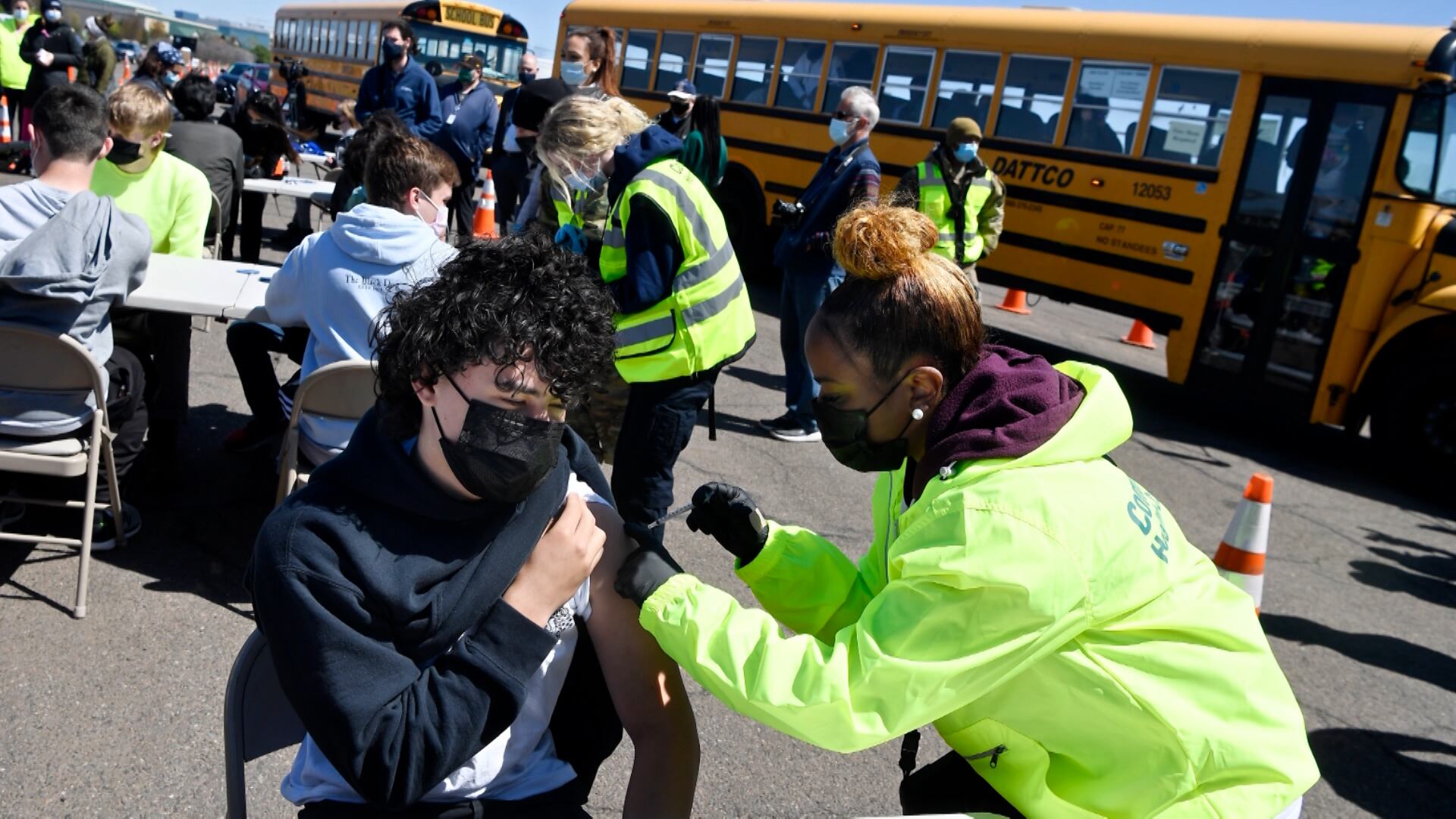
Dr. Nasia Safdar, Doctor at UW Madison, joined Wake Up With Cheddar to discuss the implications of Merck sharing its antiviral pill, which has been shown in early trials to cut hospitalizations and deaths by half, with poorer nations around the globe.
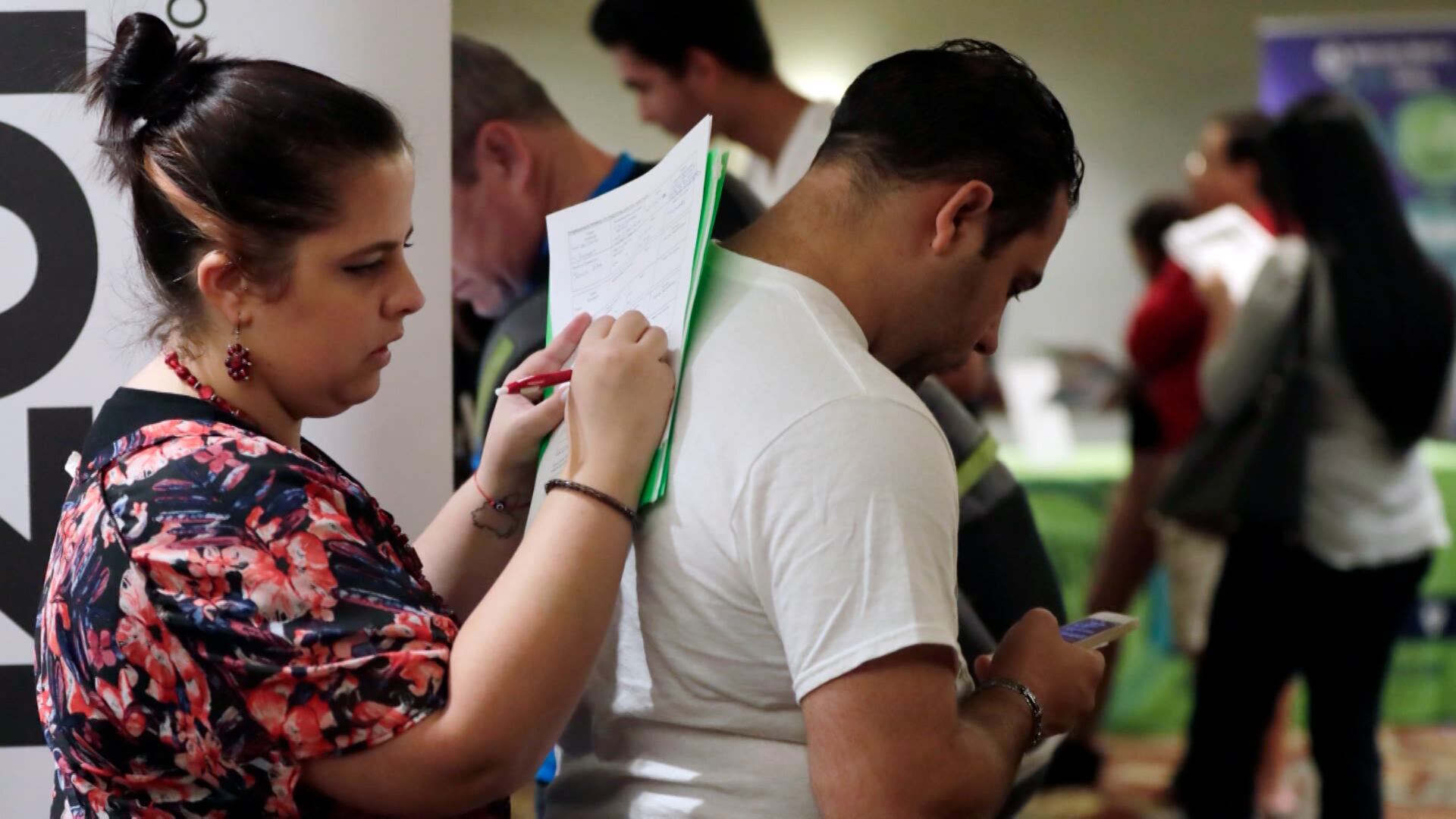
The Federal Reserve finally announced its taper plan on Wednesday saying that it planned to scale back on bond purchases as growth slows, and would not rush to raise interest rates. Ross Mayfield, Investment Strategy Analyst at Baird spoke on whether or not a decrease in inflation could be in the country’s future amidst comments made by Fed chairman Jerome Powell. Baird also broke down ADP jobs numbers ahead of the Labor Department's October jobs report.
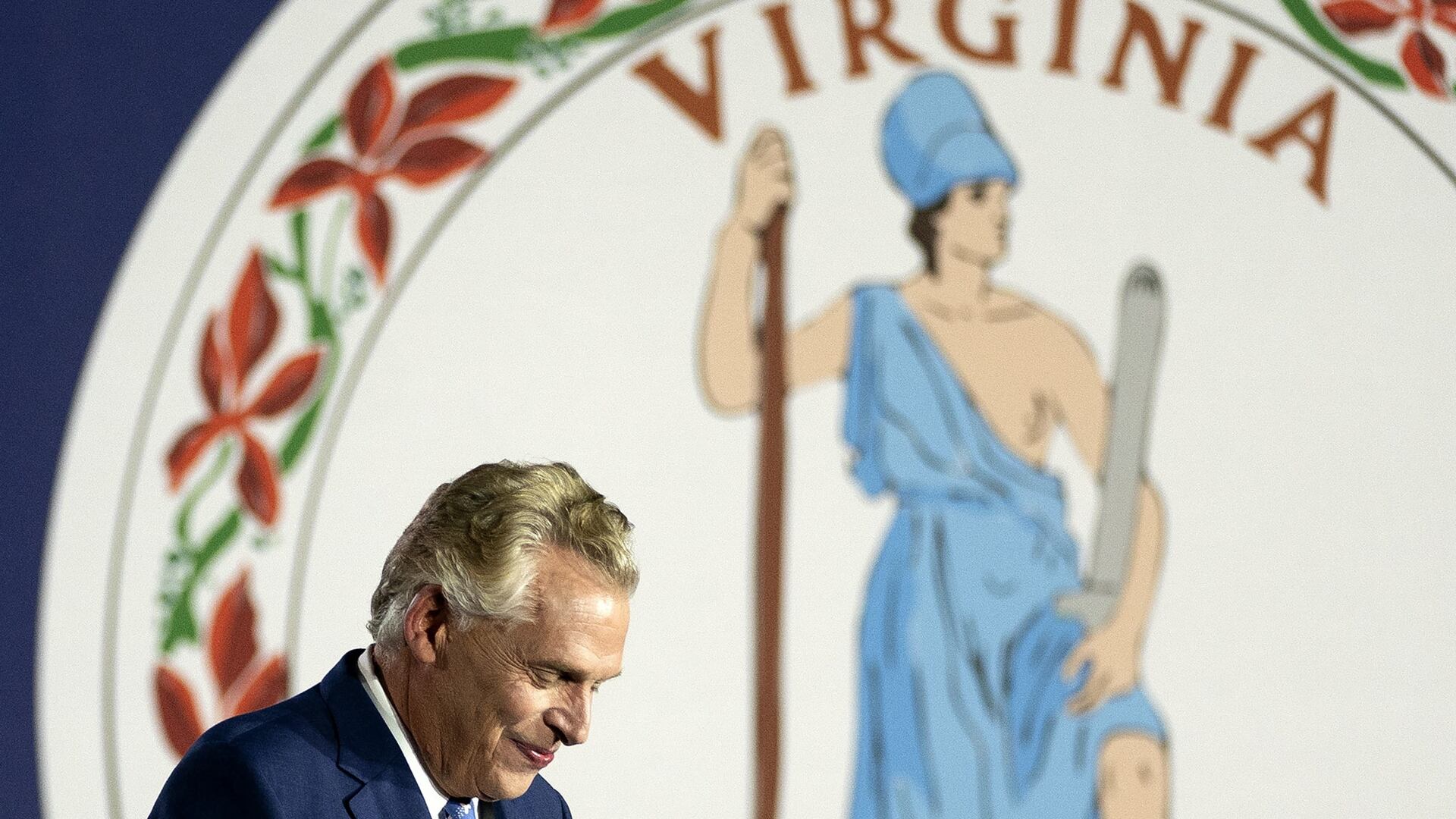
Going into election day on Tuesday, many of us had an inkling it might not be a great day for Democrats. History tells us the president's party tends to lose congressional seats, governorships and state legislature seats in off-year and midterm elections. Tuesday turned out to be a big wake-up call for democrats. Not only did Terry McAuliffe lose in the Virginia governor's race, Gov. Phil Murphy won re-election by an incredibly slim margin. Both races saw continued Democratic losses in rural areas and a shift of suburban voters back to the GOP. Liz Landers, chief political correspondent at Vice News, joins Cheddar Politics to discuss.
Week one of UN climate summit is coming to an end, world leaders made a number of promises to save the planet. President Biden attended the first two days of the meeting.
Alan Neuhauser, vice president of Silverline Communications, joined Cheddar Politics to talk more about the pledges that came out from the summit and their significance.
It's been a busy week for the Supreme Court. It heard arguments on three of the most watched cases in the docket for this term. The court heard arguments in two cases challenging the Texas abortion law on Monday - one filed by abortion providers and the other by the justice department. Instead of weighing in on the constitutionality of the matter itself, justices focused on the unusual structure of the law that enables citizens to enforce the law, not the state government.
On Wednesday, the court heard arguments in the biggest Second Amendment case in more than a decade. The dispute is over a New York gun law that requires people seeking a license to carry a handgun in public to show a "proper cause." The challengers in this case claim the law inhibits their constitutional Second Amendment rights.
Amy Howe, co-founder of SCOTUSBlog, joined Cheddar Politics to break the cases down.
This is the first installment of Cheddar Changemakers, where we spotlight young activists making a difference in the world and speaking up on issues regarding mental health, voting, and climate change.
Republicans are considered, and often act like, the party opposed to action on climate change. They've made a point of fighting even modest regulations on businesses related to stemming the worst effects of climate change. But Republicans aren't a monolith on climate change, and our next guest reminds us that "conservation" and "conservative" have the same word root.
Quill Robinson, VP of government affairs at the American Conservation Coalition, joins Cheddar Politics to discuss.
The mayor of Portland, Oregon, Ted Wheeler joined Cheddar News Wrap to discuss his plans to get an increase in the city's police budget for more personnel, changes to public safety response, and more body cameras. The Democratic mayor addressed the growth in violent crimes amid the pandemic, but noted the need for officers who take their roles seriously. We want officers who understand that policing is an important responsibility, it's a high calling," he said. "We also want a police bureau that is accountable and responsible to the public it serves."
More American tech companies continue to pull their businesses out of China as the Communist Party cracks down on firms — both foreign and domestic. Yahoo and Fortnite have become the latest companies to withdraw from the country, and the withdrawals come just days after Microsoft announced it would take LinkedIn offline. Shehzad Qazi, managing director at China Beige Book International, joined Cheddar to provide some insight into how the crackdowns in China would also impact the tech companies at home in the United States.