*By Alisha Haridasani* The first round of tariffs for American and Chinese goods goes into effect on Friday, officially plunging the two countries into a trade war that could end up undermining the U.S. economy. The Trump administration is poised to impose taxes on $50 billion of Chinese imports in high-tech industries, such as robotics, aerospace, and industrial machinery, in an attempt to punish Beijing for intellectual property theft and to rebalance a trade deficit. The first phase of that will affect $34 billion worth of goods. "The United States will be opening fire on the whole world and also opening fire on itself," said China's Commerce Ministry spokesperson on Thursday, reiterating that Beijing will fight back. China has promised to immediately hit back with tariffs of “equal scale, equal intensity” on American soybeans, corn, wheat, rice, beef, and poultry. President Trump announced the tariffs in June and since then the U.S. and China have been locked in a series of threats and negotiations that have rattled markets. The back-and-forth has already forced companies to rethink their strategies. Chinese companies have started turning away from U.S. soybean suppliers and looking to other sources for agricultural products. “Farmers in America’s heartland are already feeling the pain,” said Sara Hsu, economist and associate professor at SUNY-New Paltz. “Consumers can expect to feel the pain in the coming months.” And enduring the pinch isn't going to pay off. Protectionism has historically proven to be destructive for the global economy and won’t achieve what the Trump administration is trying to accomplish, said Hsu. The tariffs will hurt the American high-tech companies that Trump is trying to protect from intellectual property theft as it becomes increasingly difficult for those companies to do business in China, she said. “Also, in terms of reducing the U.S.-China deficit, this is a point that I think the administration misunderstands,” she said. “A deficit is actually a good thing for the U.S. because we’re the world’s biggest economic power, and other countries are willing to hold our debt,” said Hsu. Reducing the deficit would signal that the global economy shouldn’t be investing in U.S. debt. “We’re going to reduce our own power, it’s going to backfire on us.” The trade spat with China is part of the president’s broader plan to renegotiate American trade deals with other countries. The U.S. has already levied tariffs on steel and aluminum imports from Canada, Mexico, and the EU, angering those allies and prompting them to retaliate. Shots fired on that front have already claimed one American victim: Harley-Davidson. The motorcycle company announced last month it would move production out of the U.S. to get around the EU’s retaliatory tariffs. For full interview, [click here](https://cheddar.com/videos/china-warns-u-s-on-trade).
Share:
More In Politics
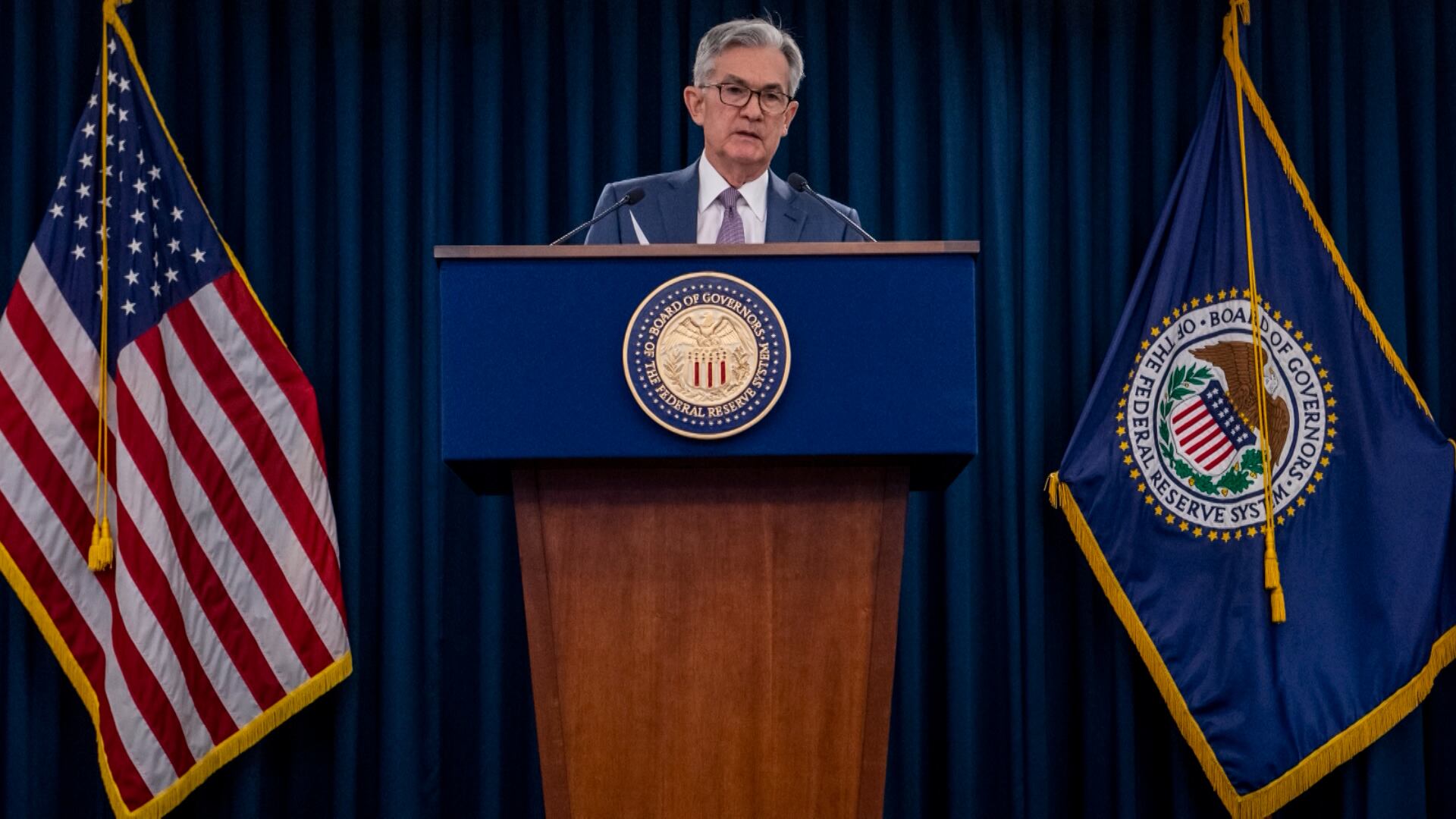
With Powell at the Helm for Second Term, Inflation Must Be Addressed
Earlier in the week, we saw President Biden nominate Jerome Powell to serve as Fed chair for another four-year term in the midst of the country’s struggles with covid, inflation, and supply unrest. Claudia Sahm, senior fellow at the Jain Family Institute and former Federal Reserve and White House economist explains why the markets saw a boost following the nomination.
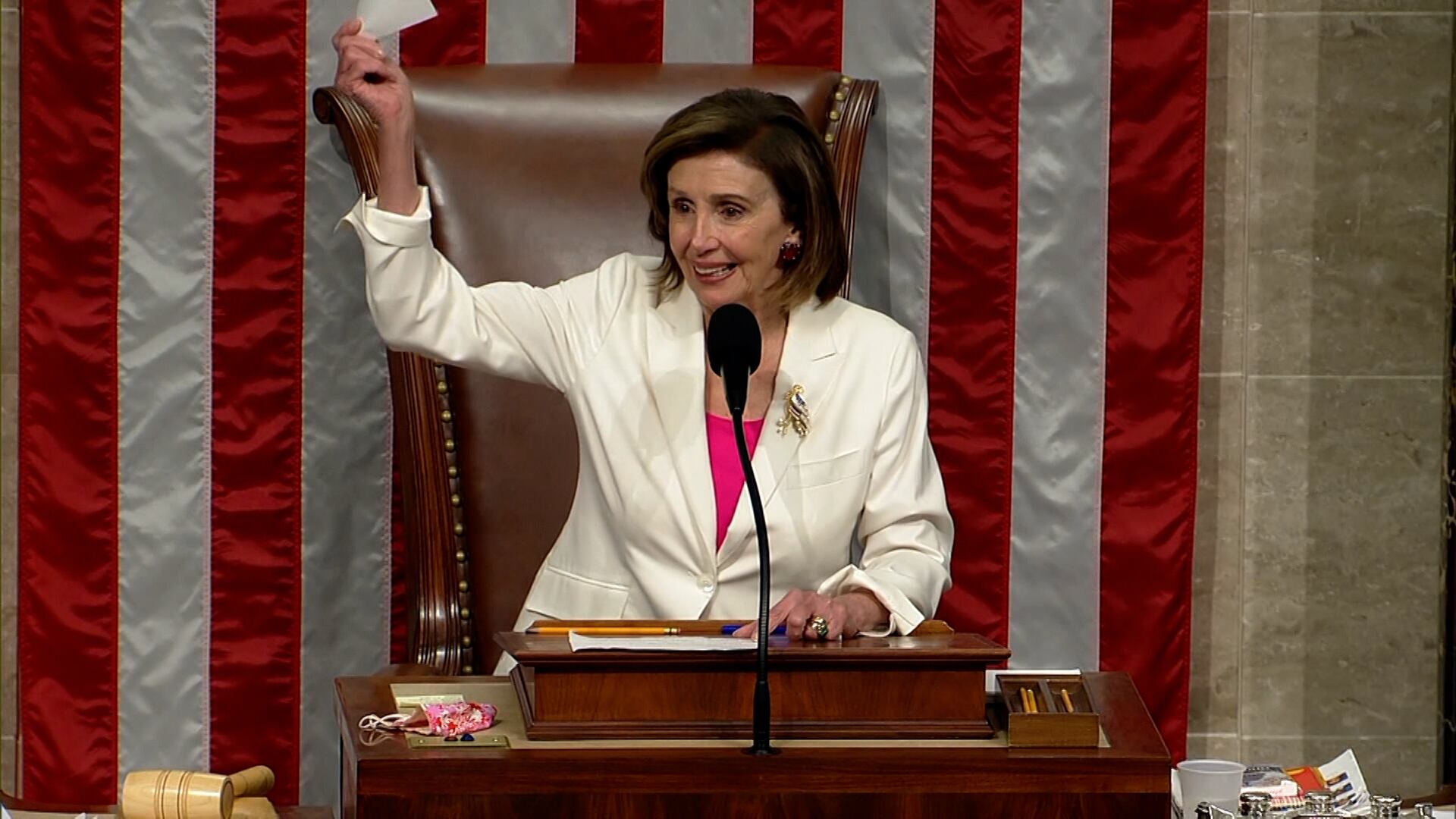
As the Build Back Better Deal Heads to Senate, Dems Hope for Limited Opposition
House Democrats saw a big win on Friday when President Biden's trillion dollar Build Back Better social spending bill was passed but now the question is - can the bill hold up in the senate as it faces possible ongoing scrutiny from not only Republicans, but also some Democrats. Julia Manchester, reporter at The Hill, explains whether or not the bill will make it to President Biden's desk by Christmas.
Concerns Rise about Chinese Tennis Star Peng Shuai's Safety
Jamil Jaffer, Founder and Executive Director of the National Security Institute, joined Cheddar to discuss the concern surrounding Chinese tennis star Peng Shuai's disappearance following a social media post accusing a former high-ranking Chinese official of sexual assault.
Julius Jones Granted Clemency Hours Before Scheduled Execution
Just hours before the scheduled execution of inmate Julius Jones, the Governor of Oklahoma Kevin Stit has now granted commuted his sentence to life in prison without the possibility of parole. Several advocates along with a number of celebrities have been fighting to stop the execution. Defense Attorney and Police Director Erin Haney, joined Cheddar to discuss more.
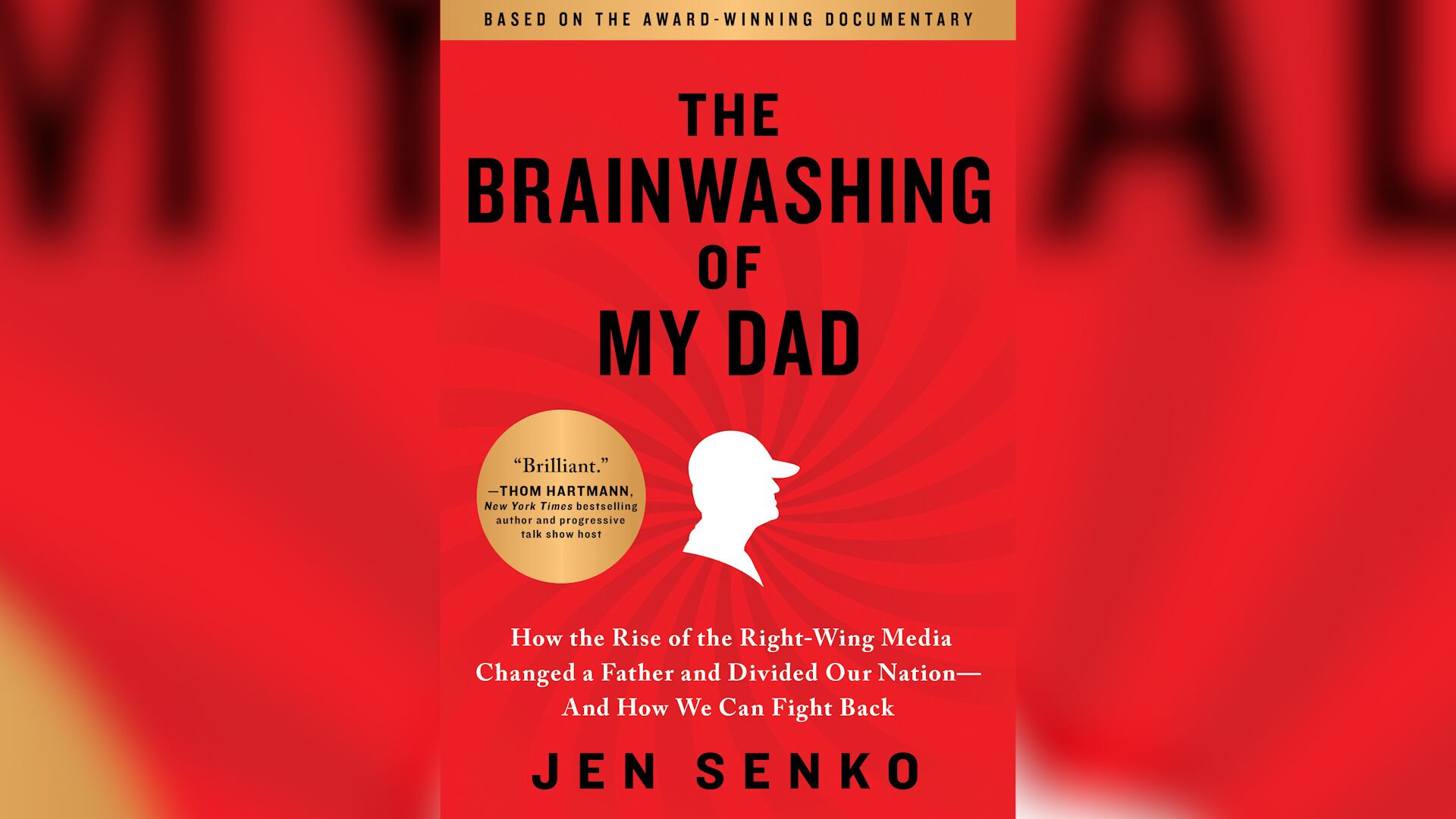
'The Brainwashing of My Dad' Author on Right-Wing Media
The book 'The Brainwashing of My Dad' examines how the rise of right-wing media changed a father and impacted the nation. Author of the book, Jen Senko, joins Cheddar News to discuss the history and future of conservative media.
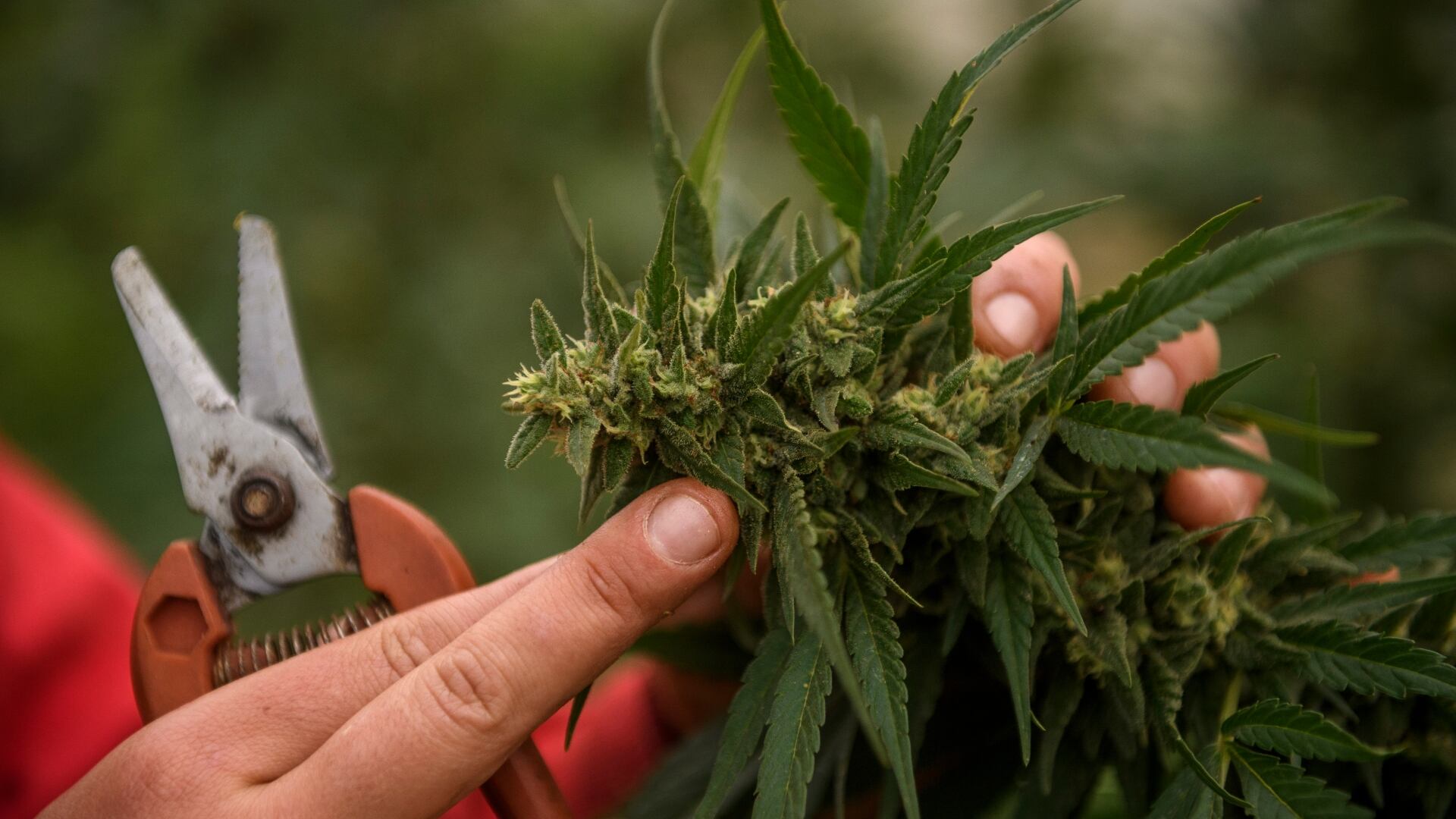
Republicans Warming Up to Legalizing Weed
Natalie Fertig, Federal Cannabis Policy Reporter for Politico Pro, joined Cheddar to discuss the shift among republicans to support federally legalizing marijuana.
Biggest Climate Change Investment In U.S. History
The House has officially passed the $1.75 trillion social policy and climate big. This new bill is expected to bring some huge investments into working towards fighting climate change. U.S. President of We Don't Have Time, Sweta Chakraborty, joined Cheddar to discuss more.
All Three Men Found Guilty in Killing Ahmaud Arbery
Guilty verdicts have been handed down to the three men charged with killing Ahmaud Arbery. Arbery was out for a jog in February 2020 when Travis McMichael, William "Roddie" Bryan, and Gregory McMichael chased him down and killed him. The judge read the verdicts for each of the three men aloud, starting with the man who pulled the trigger, Travis McMichael. Kirk Burkhalter, professor at New York Law School joins Cheddar News to recap the trial.
Load More