As U.S. Readies Chinese Import Tax, Worries of Economic Impact Loom Large
*By Alisha Haridasani*
The first round of tariffs for American and Chinese goods goes into effect on Friday, officially plunging the two countries into a trade war that could end up undermining the U.S. economy.
The Trump administration is poised to impose taxes on $50 billion of Chinese imports in high-tech industries, such as robotics, aerospace, and industrial machinery, in an attempt to punish Beijing for intellectual property theft and to rebalance a trade deficit. The first phase of that will affect $34 billion worth of goods.
"The United States will be opening fire on the whole world and also opening fire on itself," said China's Commerce Ministry spokesperson on Thursday, reiterating that Beijing will fight back.
China has promised to immediately hit back with tariffs of “equal scale, equal intensity” on American soybeans, corn, wheat, rice, beef, and poultry.
President Trump announced the tariffs in June and since then the U.S. and China have been locked in a series of threats and negotiations that have rattled markets.
The back-and-forth has already forced companies to rethink their strategies. Chinese companies have started turning away from U.S. soybean suppliers and looking to other sources for agricultural products.
“Farmers in America’s heartland are already feeling the pain,” said Sara Hsu, economist and associate professor at SUNY-New Paltz. “Consumers can expect to feel the pain in the coming months.”
And enduring the pinch isn't going to pay off. Protectionism has historically proven to be destructive for the global economy and won’t achieve what the Trump administration is trying to accomplish, said Hsu.
The tariffs will hurt the American high-tech companies that Trump is trying to protect from intellectual property theft as it becomes increasingly difficult for those companies to do business in China, she said.
“Also, in terms of reducing the U.S.-China deficit, this is a point that I think the administration misunderstands,” she said. “A deficit is actually a good thing for the U.S. because we’re the world’s biggest economic power, and other countries are willing to hold our debt,” said Hsu. Reducing the deficit would signal that the global economy shouldn’t be investing in U.S. debt.
“We’re going to reduce our own power, it’s going to backfire on us.”
The trade spat with China is part of the president’s broader plan to renegotiate American trade deals with other countries. The U.S. has already levied tariffs on steel and aluminum imports from Canada, Mexico, and the EU, angering those allies and prompting them to retaliate.
Shots fired on that front have already claimed one American victim: Harley-Davidson. The motorcycle company announced last month it would move production out of the U.S. to get around the EU’s retaliatory tariffs.
For full interview, [click here](https://cheddar.com/videos/china-warns-u-s-on-trade).

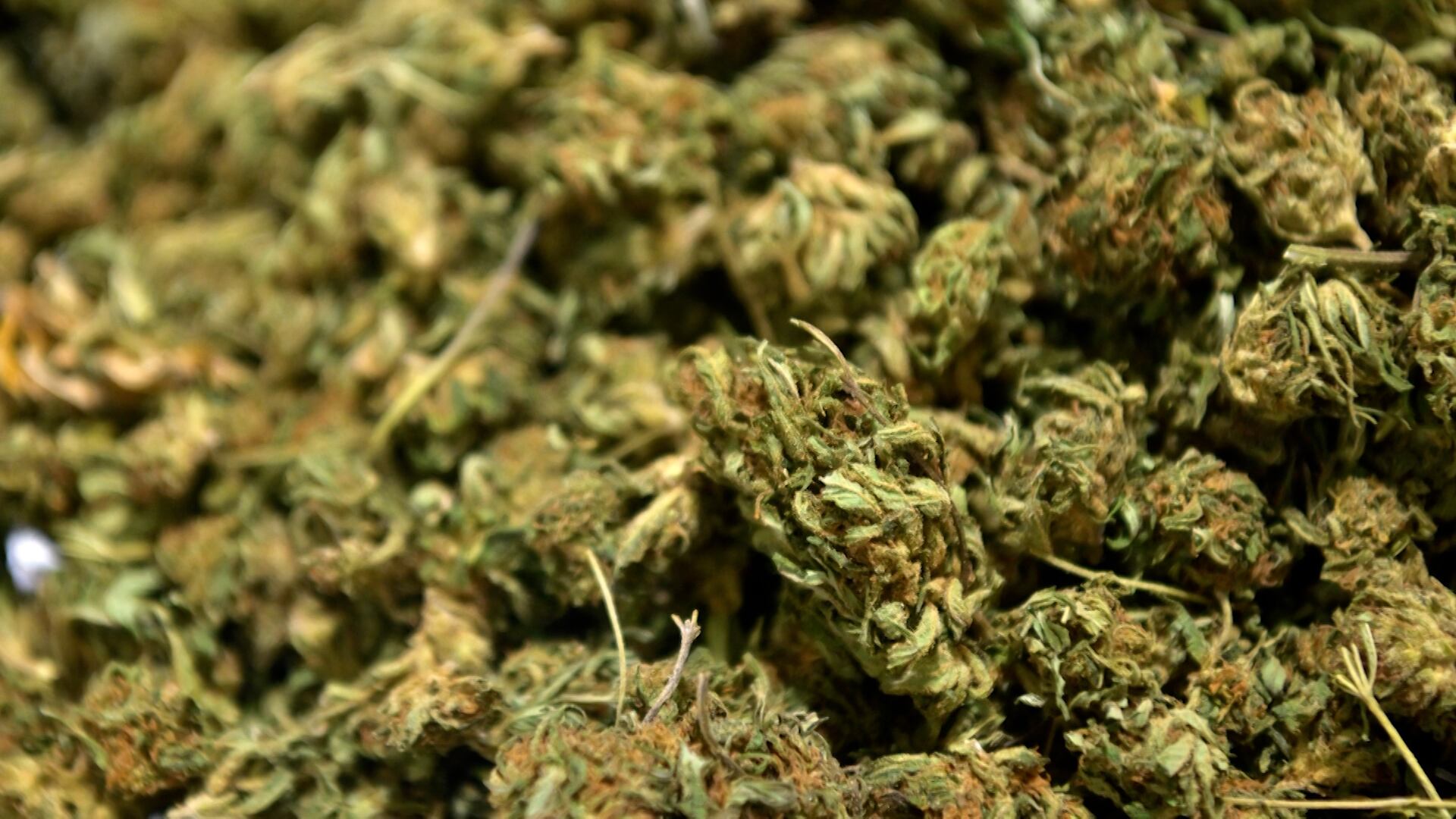
The U.S. cannabis industry is on track to hit almost $25 billion in sales, according to New Frontier Data. Vivien Azer, managing director and senior research analyst at Cowen, and Russell Stanley, managing director and equity research at Beacon Securities Limited, join Cheddar News to give their predictions for the budding industry in 2022.
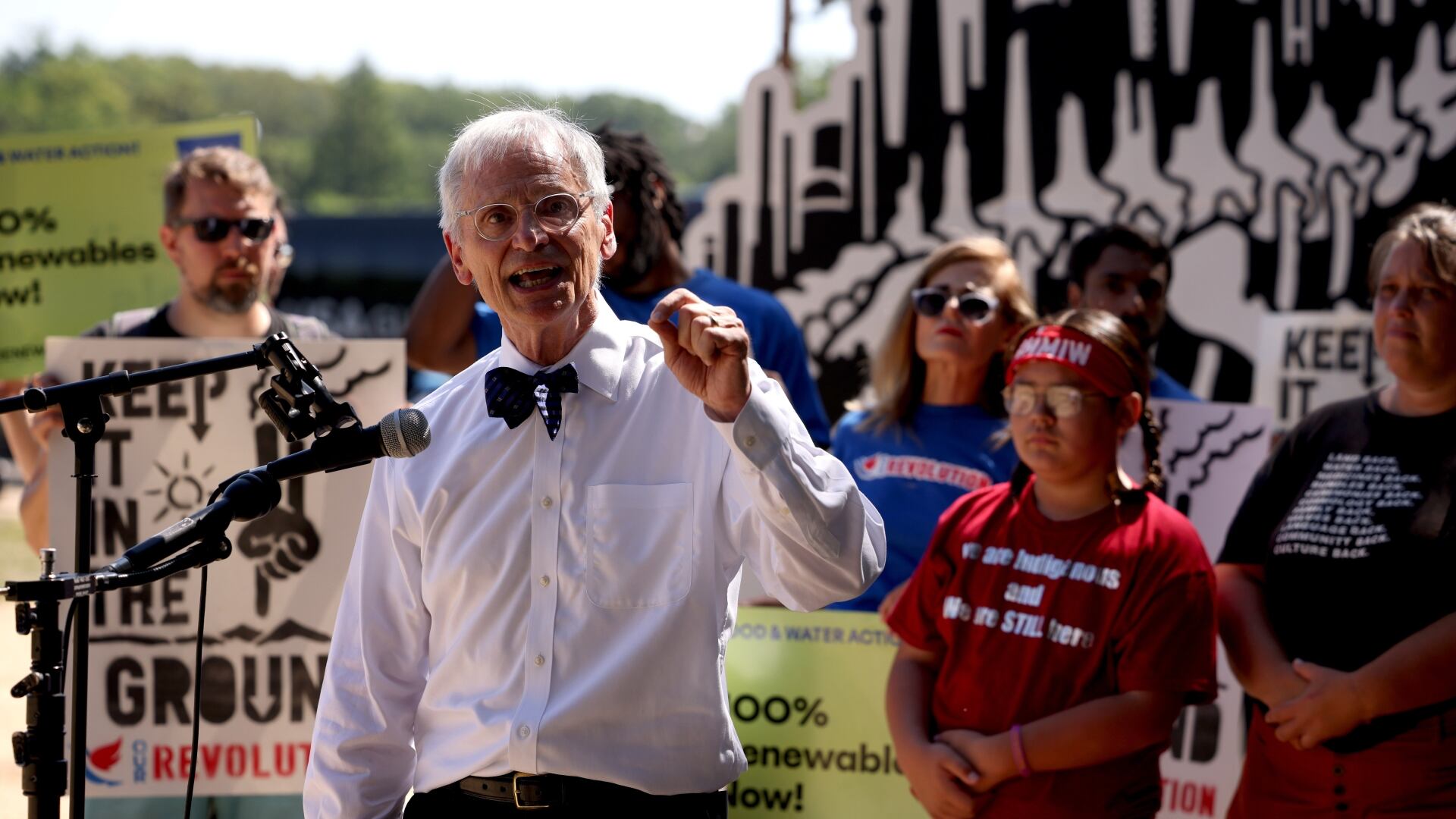
Rep. Earl Blumenauer (D-Ore. 3rd District), the co-chair of the Congressional Cannabis Caucus, joined Cheddar's "Cannabiz" to discuss the state of marijuana legalization on the federal level as more states continue to greenlight medical and adult use. He stated that there couldn't be a better time to revise the old policies on marijuana with more than 90 percent of Americans, including a majority of Republicans, on board. "This tidal wave of support continues. There were five states that approved in the last general election, and I think, rather than one single event, it is this momentum and the demonstration of broad public support that is making the difference," Blumenauer said.
Megan Horneman, Director of Portfolio Strategy at Verdence Capital Advisors, joins Cheddar News' Closing Bell, where she says there is some profit-taking ahead of the upcoming Fed meeting, and elaborates on some of the topics investors will be watching for more closely this week.
Rachel Bachman, senior sports reporter at the Wall Street Journal, joins Cheddar News' Closing Bell, where she explains how U.S. athletes have been inserted into the middle of a political debate after the country declared a diplomatic boycott of the upcoming Olympic Games in Beijing.
Lance Ippolito, Head Trader at the Future Of Wealth, joins Cheddar News' Closing Bell where he discusses the factors that have contributed to the recent slide of major cryptocurrencies like Bitcoin and Ether.
President Biden spoke with Russian President Vladimir Putin for the fourth time this year. Biden and Putin spoke for two hours about the massing of Russian troops and materials near the Russian border with Ukraine. Various outlets have reported that the U.S. has intelligence that Russia could be planning an invasion of Ukraine in the next few months. Both countries said the call was productive, but the situation remains tense.
Hagar Chemali, foreign policy expert and host of "Oh My World!" on YouTube, joins Cheddar Politics to discuss.
A recent Wall Street Journal poll indicated that Hispanic voters are up for grabs for the upcoming midterm elections, with 41 percent of respondents saying they would vote for Democrats and 44 percent for Republicans. Bryanta "Bre" Maxwell, a Democratic Strategist, former political director for Jaime Harrison's senate campaign, and principal and CEO of Indigo Consulting, LLC, joined Cheddar to break down the numbers and to dive into what this specific electorate is looking for as the balance of power in Congress hangs in the balance in 2022.