As U.S. Readies Chinese Import Tax, Worries of Economic Impact Loom Large
*By Alisha Haridasani*
The first round of tariffs for American and Chinese goods goes into effect on Friday, officially plunging the two countries into a trade war that could end up undermining the U.S. economy.
The Trump administration is poised to impose taxes on $50 billion of Chinese imports in high-tech industries, such as robotics, aerospace, and industrial machinery, in an attempt to punish Beijing for intellectual property theft and to rebalance a trade deficit. The first phase of that will affect $34 billion worth of goods.
"The United States will be opening fire on the whole world and also opening fire on itself," said China's Commerce Ministry spokesperson on Thursday, reiterating that Beijing will fight back.
China has promised to immediately hit back with tariffs of “equal scale, equal intensity” on American soybeans, corn, wheat, rice, beef, and poultry.
President Trump announced the tariffs in June and since then the U.S. and China have been locked in a series of threats and negotiations that have rattled markets.
The back-and-forth has already forced companies to rethink their strategies. Chinese companies have started turning away from U.S. soybean suppliers and looking to other sources for agricultural products.
“Farmers in America’s heartland are already feeling the pain,” said Sara Hsu, economist and associate professor at SUNY-New Paltz. “Consumers can expect to feel the pain in the coming months.”
And enduring the pinch isn't going to pay off. Protectionism has historically proven to be destructive for the global economy and won’t achieve what the Trump administration is trying to accomplish, said Hsu.
The tariffs will hurt the American high-tech companies that Trump is trying to protect from intellectual property theft as it becomes increasingly difficult for those companies to do business in China, she said.
“Also, in terms of reducing the U.S.-China deficit, this is a point that I think the administration misunderstands,” she said. “A deficit is actually a good thing for the U.S. because we’re the world’s biggest economic power, and other countries are willing to hold our debt,” said Hsu. Reducing the deficit would signal that the global economy shouldn’t be investing in U.S. debt.
“We’re going to reduce our own power, it’s going to backfire on us.”
The trade spat with China is part of the president’s broader plan to renegotiate American trade deals with other countries. The U.S. has already levied tariffs on steel and aluminum imports from Canada, Mexico, and the EU, angering those allies and prompting them to retaliate.
Shots fired on that front have already claimed one American victim: Harley-Davidson. The motorcycle company announced last month it would move production out of the U.S. to get around the EU’s retaliatory tariffs.
For full interview, [click here](https://cheddar.com/videos/china-warns-u-s-on-trade).
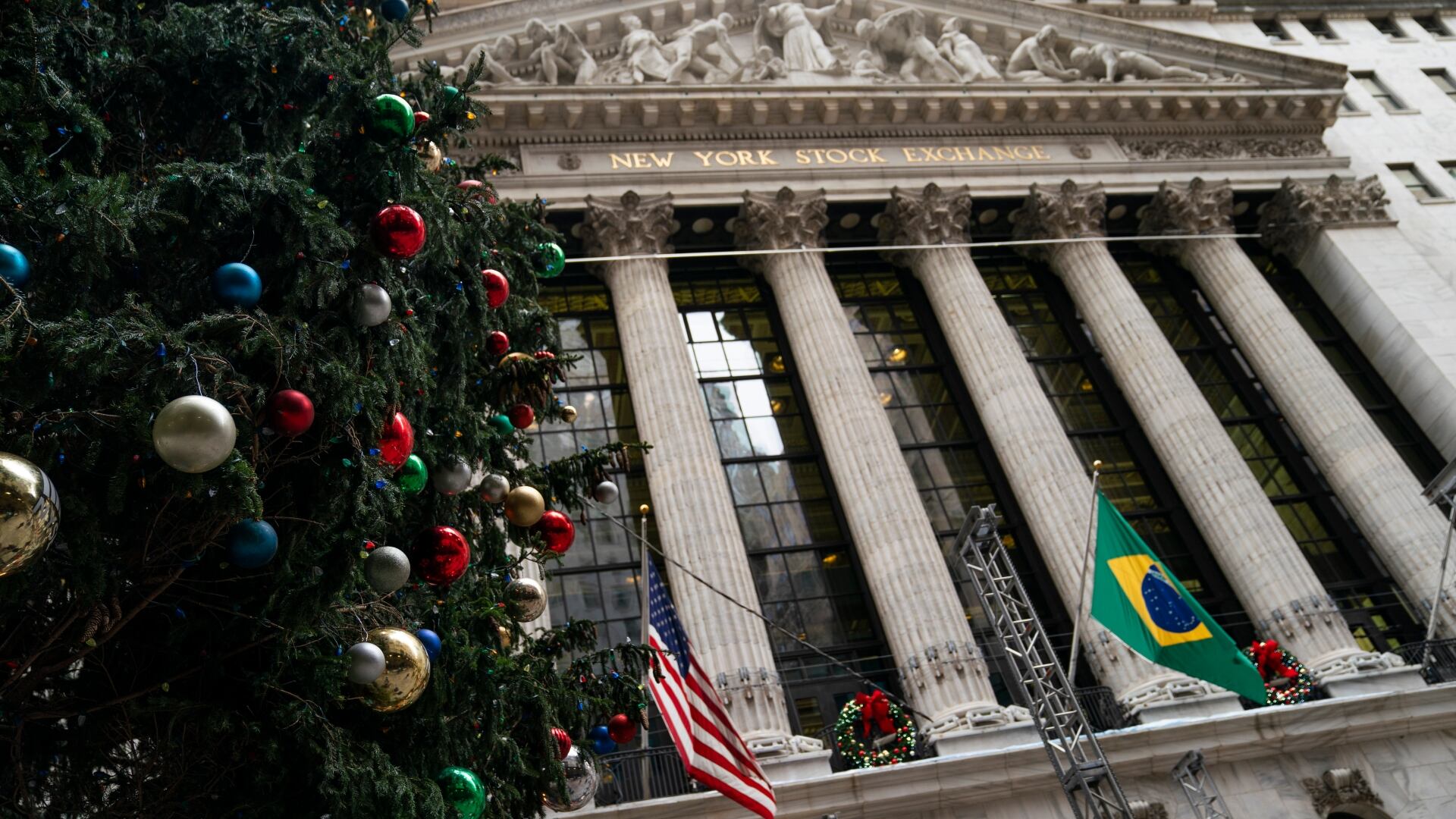
2021 saw markets continue to be impacted by the onslaught of the coronavirus pandemic -most recently in the form of the Omicron variant- in addition to the global supply chain shortage, and increased inflation. But it wasn't all bad news, as crypto soared throughout the year, and meme stocks continued to have a moment. With the year coming to a close, investors are keeping an eye out to see if they should expect more of the same in the new year. Chris Vecchio, Senior Analyst, at DailyFX tells us what market trends to be on the watch for in 2022.
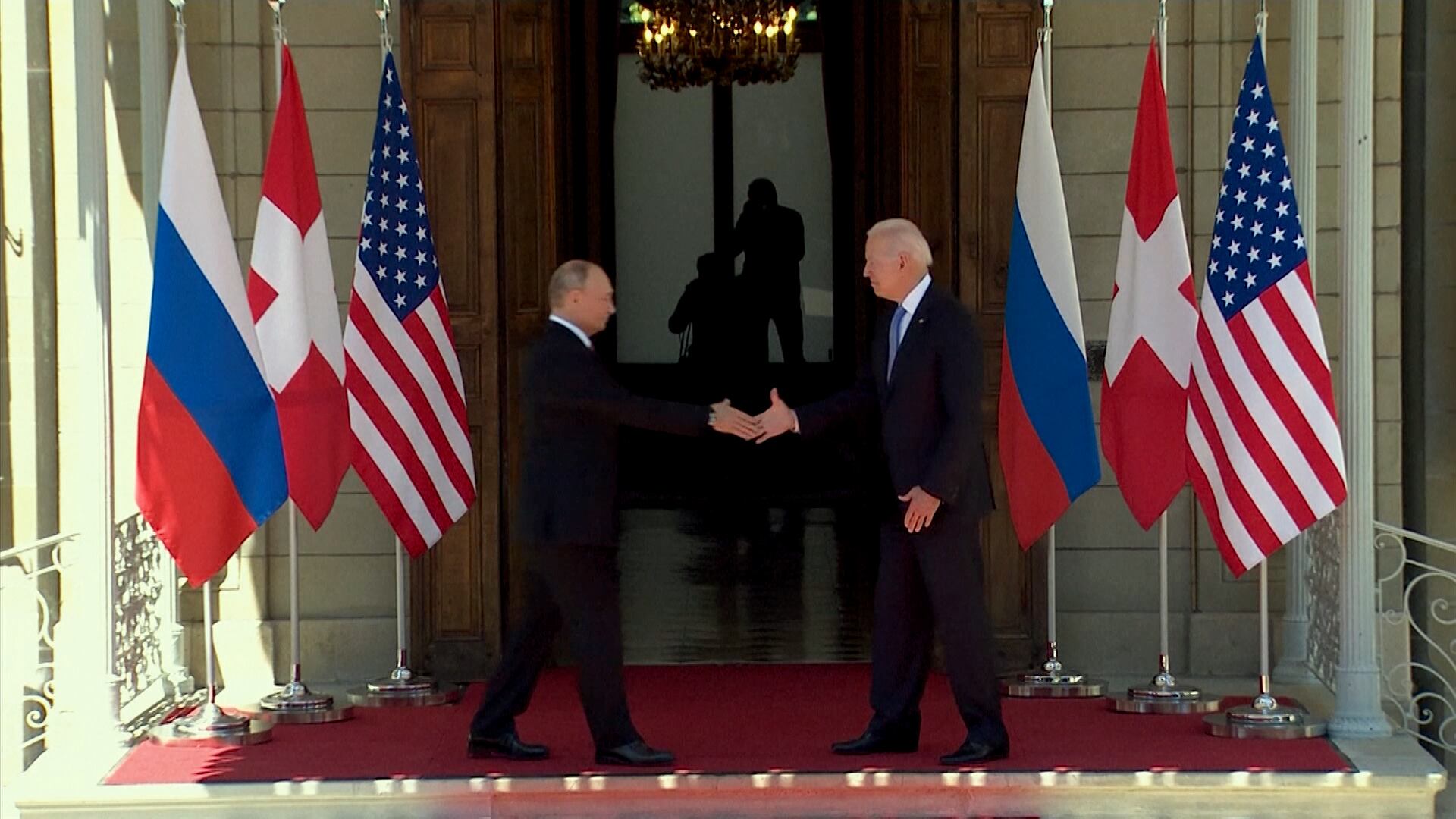
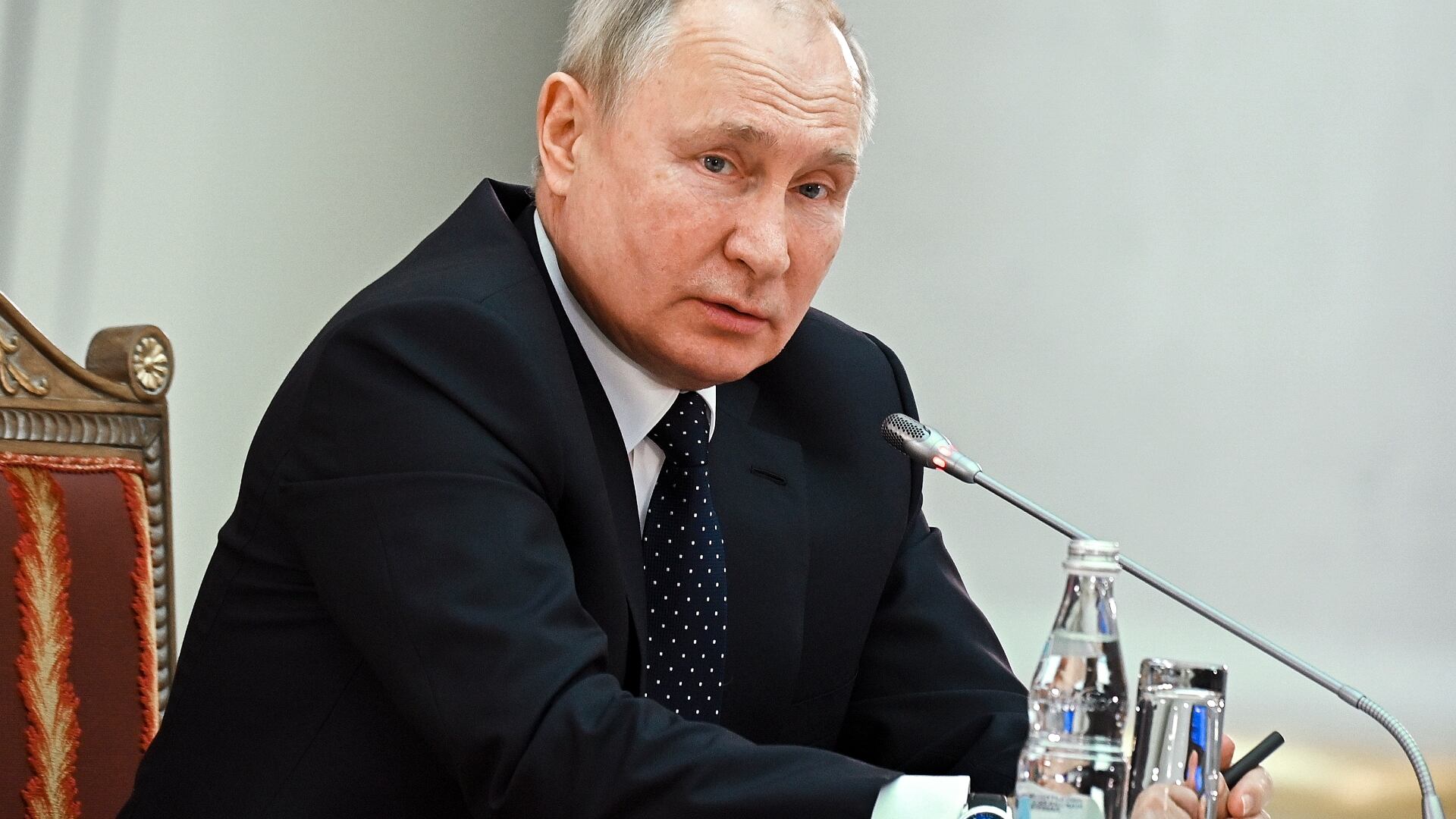
Matt Hayden, vice president of govtech solutions at Exiger and a former assistant secretary of cyber at Department of Homeland Security, joined Cheddar to discuss the surprise phone call initiated by Russian President Vladimir Putin to President Joe Biden, ahead of January security talks about the rising tensions over Ukraine. "We're hoping to hear that we're able to talk about the aggression and the leadup of the Ukrainian militarization," Hayden said. "But we're also looking to hear is how the Kremlin leveraged their talking points to try to test their negotiation stance with the United States leading into this January 10th meeting."
The No Surprises Act begins implementation on January 1, 2022. The legislation is meant to curb the practice of unexpected billing for care from providers the patient was unaware were out-of-network from their insurance. Patricia Kelmar, director of health care campaigns for U.S. PIRG joined Cheddar to describe the hundreds, sometimes thousands, of dollars charged to unsuspecting patients and how things will change under the new law. "If we are picking an in-network doctor and an in-network hospital, we should not see those added costs from anesthesiologists, radiologists, scrub-in surgeons," she said. "The other area it protects you is in air ambulances — not ground ambulances, unfortunately — but the helicopters or the airplanes you might need to transport you in an emergency situation."
President Joe Biden and Russian President Vladmir Putin are expected to have another conversation surrounding escalating tensions between Russia and Ukraine. Ariel Cohen, senior fellow at the Atlantic Council, joined Cheddar's Ken Buffa to discuss the ongoing tensions and why Putin's request for a conversation with Biden comes now. "This is very serious. This is the worst security crisis we had since the collapse of the Soviet Union," Cohen told Cheddar.
Stocks closed mixed on Wednesday, but two indexes - the Dow and the S&P 500 - ended the session with a new record. Akshata Bailkeri, Equity Analyst at Bruderman Asset Management, joins Cheddar News' Closing Bell, where she says there is a consensus for robust consumer spreading in 2022, especially as the Omicron variant is proving to be milder than other COVID-19 strains.