As U.S. Readies Chinese Import Tax, Worries of Economic Impact Loom Large
*By Alisha Haridasani*
The first round of tariffs for American and Chinese goods goes into effect on Friday, officially plunging the two countries into a trade war that could end up undermining the U.S. economy.
The Trump administration is poised to impose taxes on $50 billion of Chinese imports in high-tech industries, such as robotics, aerospace, and industrial machinery, in an attempt to punish Beijing for intellectual property theft and to rebalance a trade deficit. The first phase of that will affect $34 billion worth of goods.
"The United States will be opening fire on the whole world and also opening fire on itself," said China's Commerce Ministry spokesperson on Thursday, reiterating that Beijing will fight back.
China has promised to immediately hit back with tariffs of “equal scale, equal intensity” on American soybeans, corn, wheat, rice, beef, and poultry.
President Trump announced the tariffs in June and since then the U.S. and China have been locked in a series of threats and negotiations that have rattled markets.
The back-and-forth has already forced companies to rethink their strategies. Chinese companies have started turning away from U.S. soybean suppliers and looking to other sources for agricultural products.
“Farmers in America’s heartland are already feeling the pain,” said Sara Hsu, economist and associate professor at SUNY-New Paltz. “Consumers can expect to feel the pain in the coming months.”
And enduring the pinch isn't going to pay off. Protectionism has historically proven to be destructive for the global economy and won’t achieve what the Trump administration is trying to accomplish, said Hsu.
The tariffs will hurt the American high-tech companies that Trump is trying to protect from intellectual property theft as it becomes increasingly difficult for those companies to do business in China, she said.
“Also, in terms of reducing the U.S.-China deficit, this is a point that I think the administration misunderstands,” she said. “A deficit is actually a good thing for the U.S. because we’re the world’s biggest economic power, and other countries are willing to hold our debt,” said Hsu. Reducing the deficit would signal that the global economy shouldn’t be investing in U.S. debt.
“We’re going to reduce our own power, it’s going to backfire on us.”
The trade spat with China is part of the president’s broader plan to renegotiate American trade deals with other countries. The U.S. has already levied tariffs on steel and aluminum imports from Canada, Mexico, and the EU, angering those allies and prompting them to retaliate.
Shots fired on that front have already claimed one American victim: Harley-Davidson. The motorcycle company announced last month it would move production out of the U.S. to get around the EU’s retaliatory tariffs.
For full interview, [click here](https://cheddar.com/videos/china-warns-u-s-on-trade).
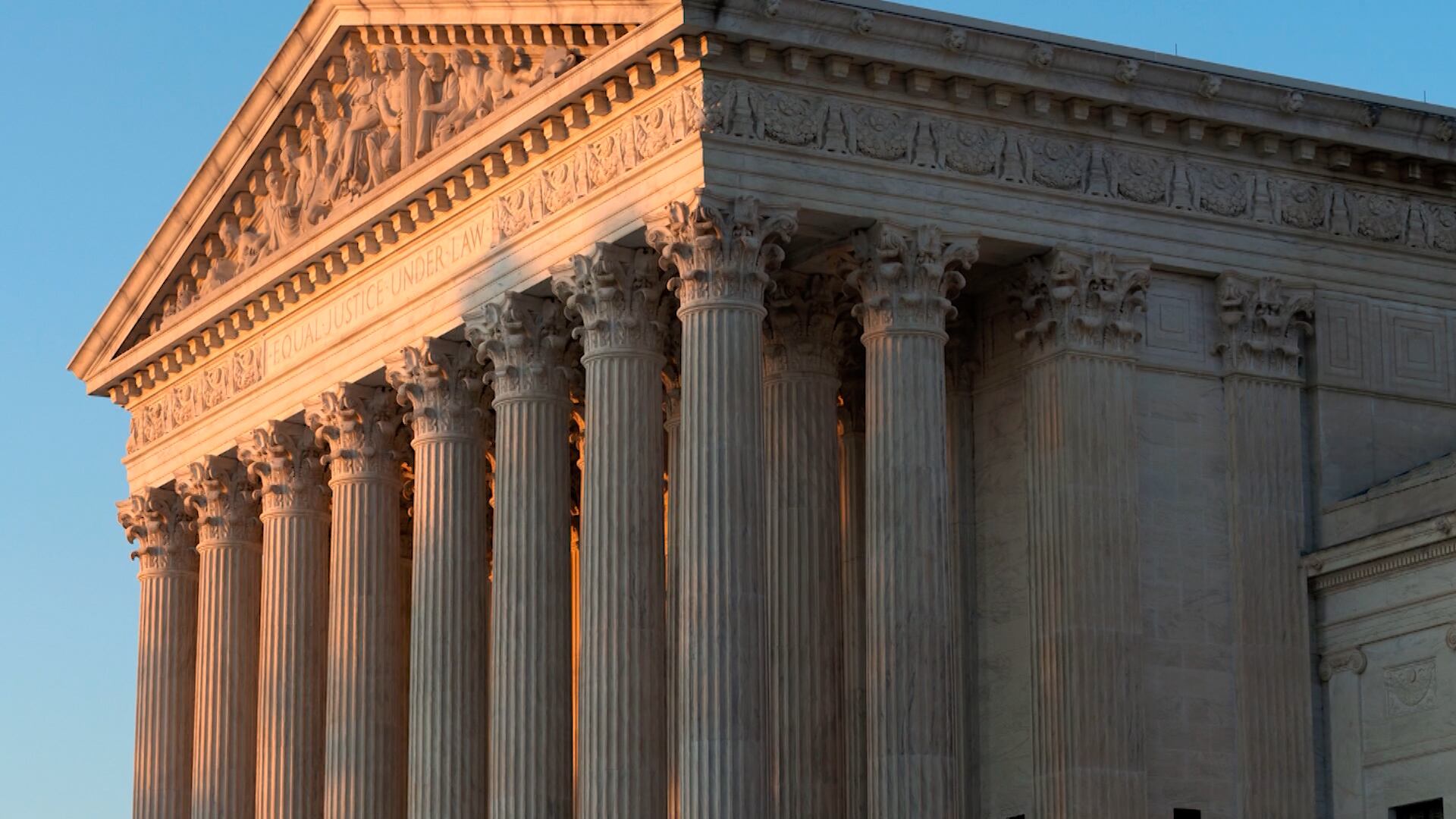
Katie Barlow, media editor at SCOTUSblog, joins Cheddar Politics to reflect on what happened at the Supreme Court in 2021 and what may be in store for 2022.
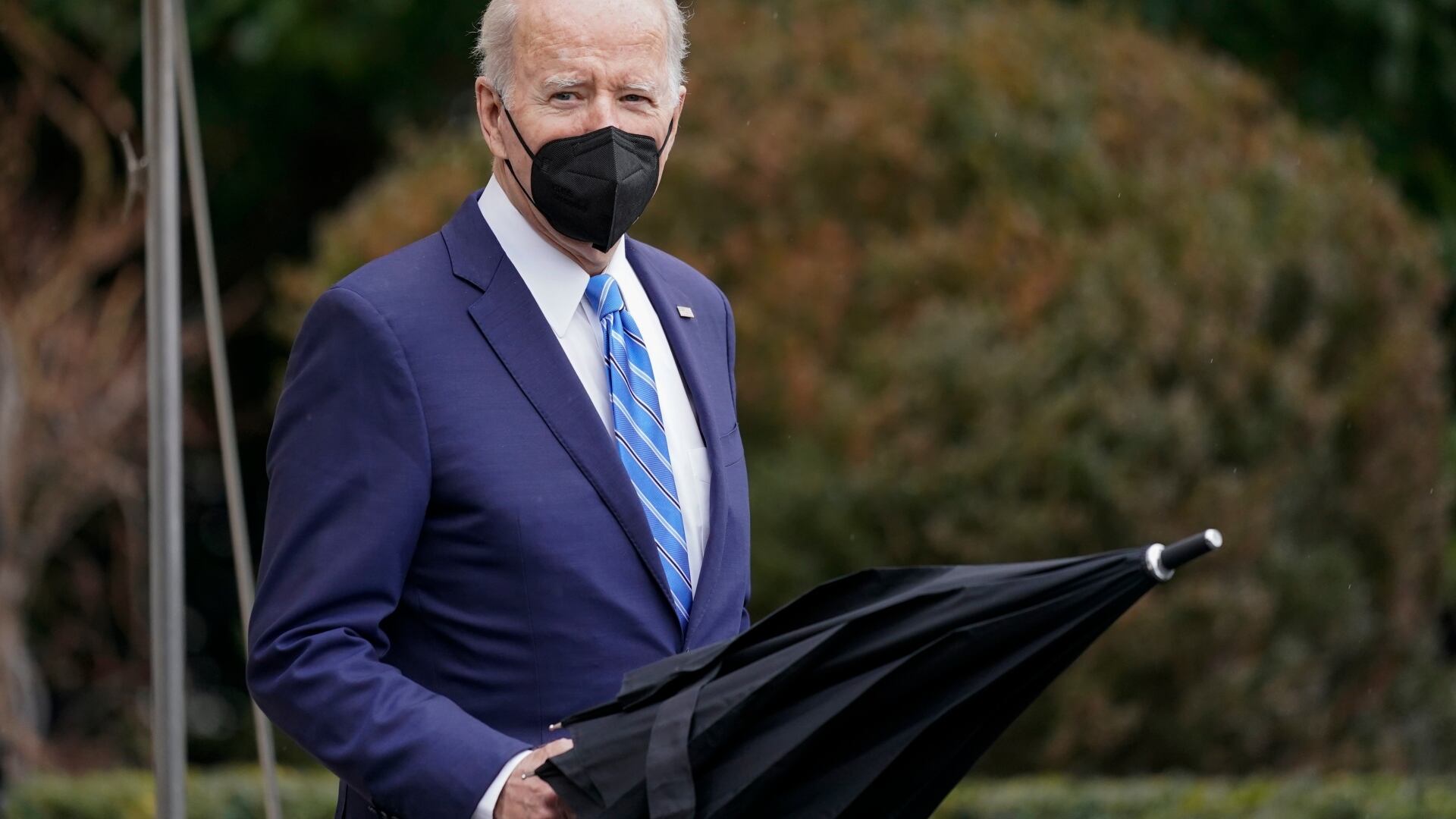
Gerren Keith Gaynor, managing editor of politics and Washington correspondent at The Grio, joins Cheddar Politics to discuss the progress President Biden made on his policy agenda in 2021, and what remains to be done in 2022.
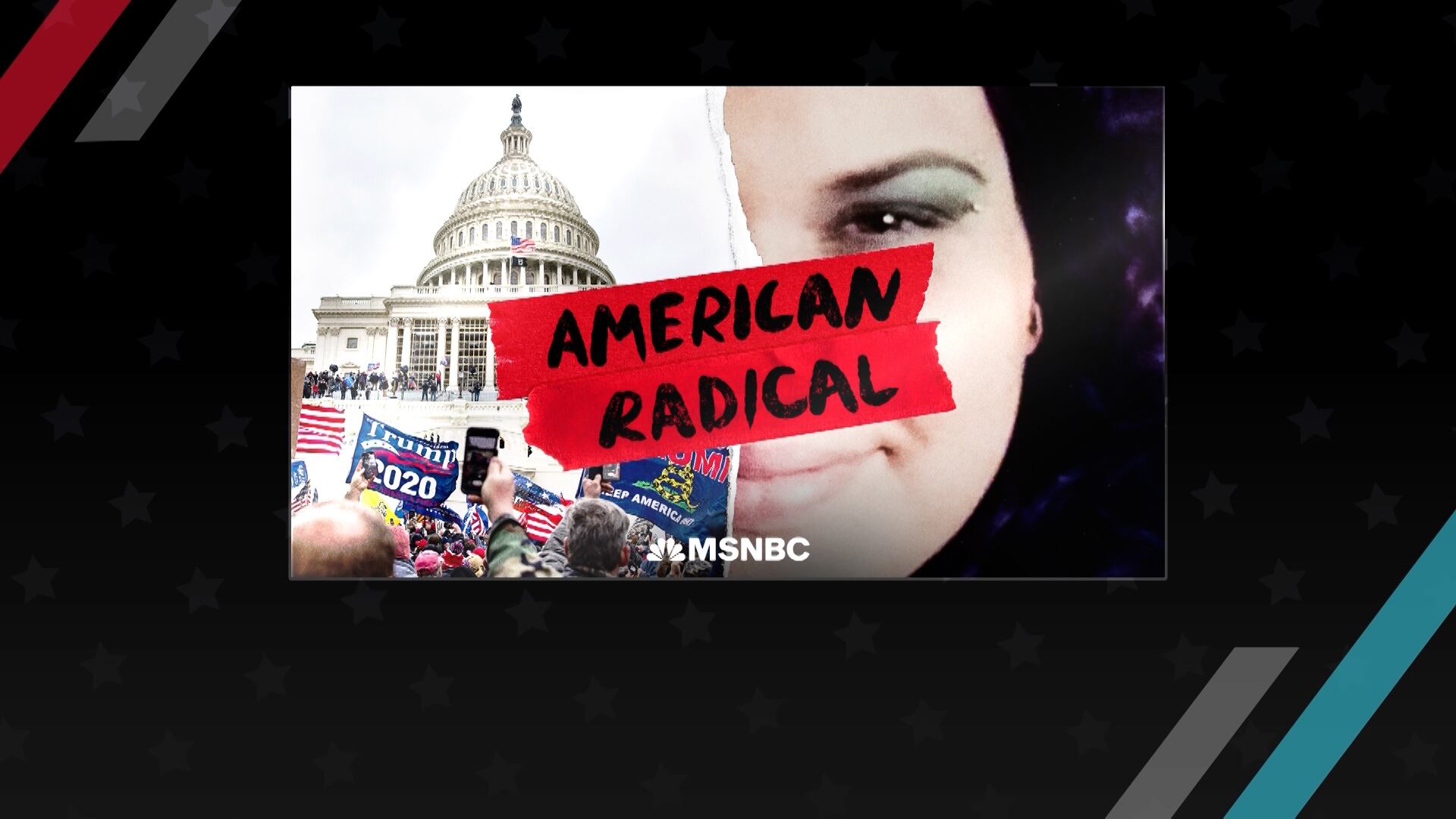
Ayman Mohyeldin, host of MSNBC Original Podcast 'American Radical,' joins Cheddar News to discuss how the podcast chronicles a woman's path to the insurrection.
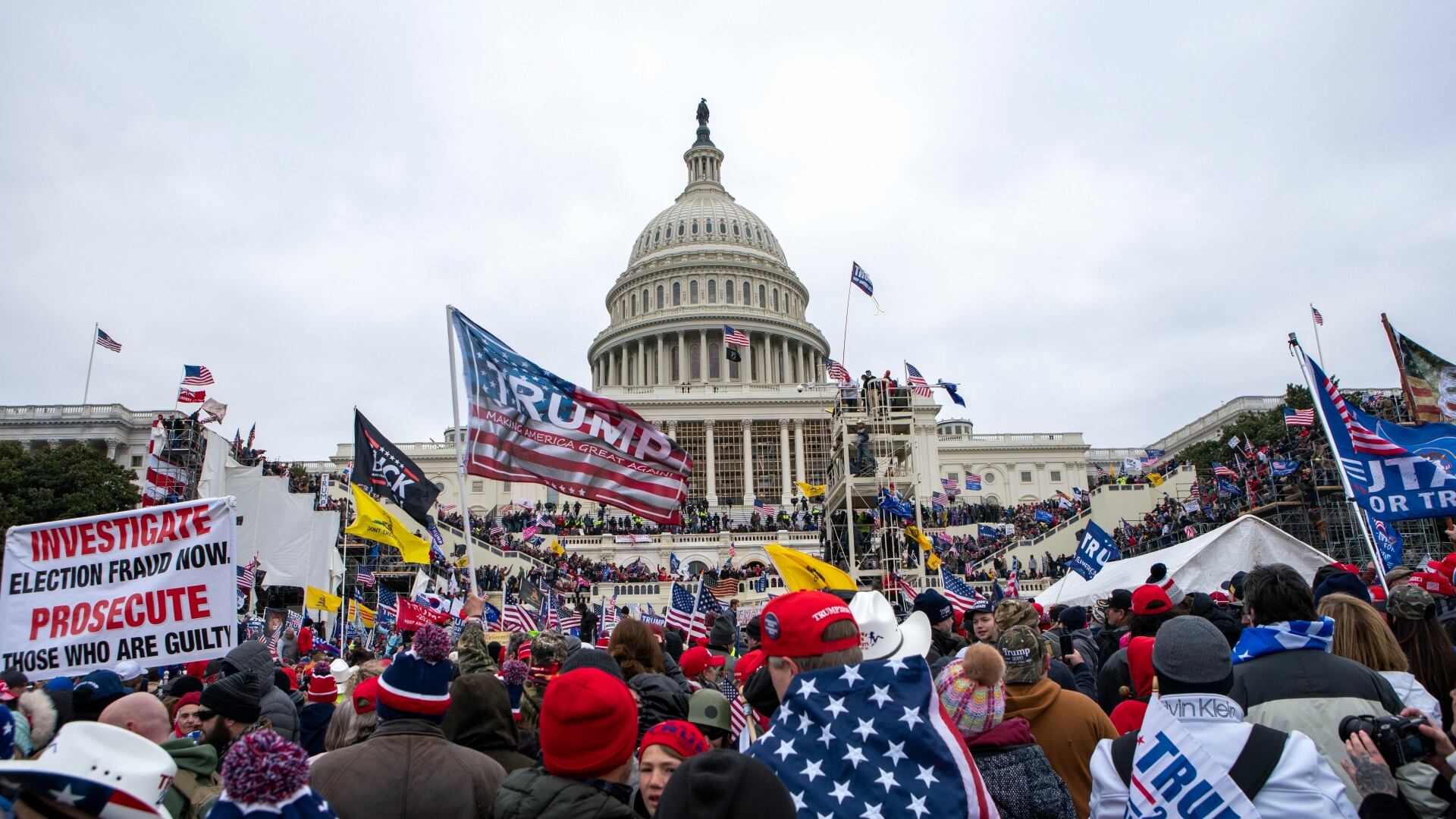
Following the attack on the Capitol last year, several major corporations promised to no longer pour funds into the campaigns of Republican lawmakers who supported the January 6 insurrection. But not all have stood firm on their word. Among those that did keep to their promise were Nike, American Express, and Walgreens.
Rep. Annie Kuster (D-N.H. 2nd District) joined Cheddar's "Between Bells" to reflect on the January 6 insurrection and her personal experience in the Capitol when rioters attempted to overtake the House chamber. "What I now understand to be true is that the mob of rioters had reached the third floor and was literally in the hallway running toward us as we ducked into the elevator," she told Cheddar. Kuster recalled the fear she felt, wondering what might have happened if the insurrectionists crossed paths with her group. Kuster noted that she has since received therapy to help cope with the traumatic event. "A thousand acts of courage saved our life and saved our democracy," she said.
Andy Kroll, Washington bureau chief at Rolling Stone, joined Cheddar's Baker Machado to discuss the anniversary of the January 6 insurrection and how it could impact upcoming elections. Kroll talked about whether or not Trump's influence will aid Republicans in the midterms and how it could be a setup for the former president to run in the 2024 presidential election. "This day has become really almost a kind of cause for Republican base voters," he said. "And you're going to see that fueling some turnout, you're going to see that fueling, even, candidates running for office in these midterm elections."
According to a recent analysis from ProPublica and the Wall Street Journal an analysis of Facebook posts, internal company documents, and interviews reveal key evidence about the social media giant's role in January 6 insurrection. National Reporter at ProPublica Craig Silverman, joined Cheddar to discuss more.
AT&T and Verizon have agreed to delay activating their 5G services for two weeks after Airlines for America, a lobbying group that represents American, Delta, and other airlines, filed a petition last week with the FCC to stop the deployment of 5G in the U.S. over concerns that the network can interfere with certain systems on airplanes. President Biden spoke out about it, saying it would avoid further delays and cancellations of flights. Light Reading 5G and Mobile Strategies Director Mike Dano joined Cheddar News' Closing Bell to discuss.
On a day where the Dow and Russell 2000 each closed more than 3% lower, Melissa Armo, founder and owner of The Stock Swoosh, says Wednesday's big sell-off could extend into after-hours trading. She joined Cheddar News' Closing Bell for more.
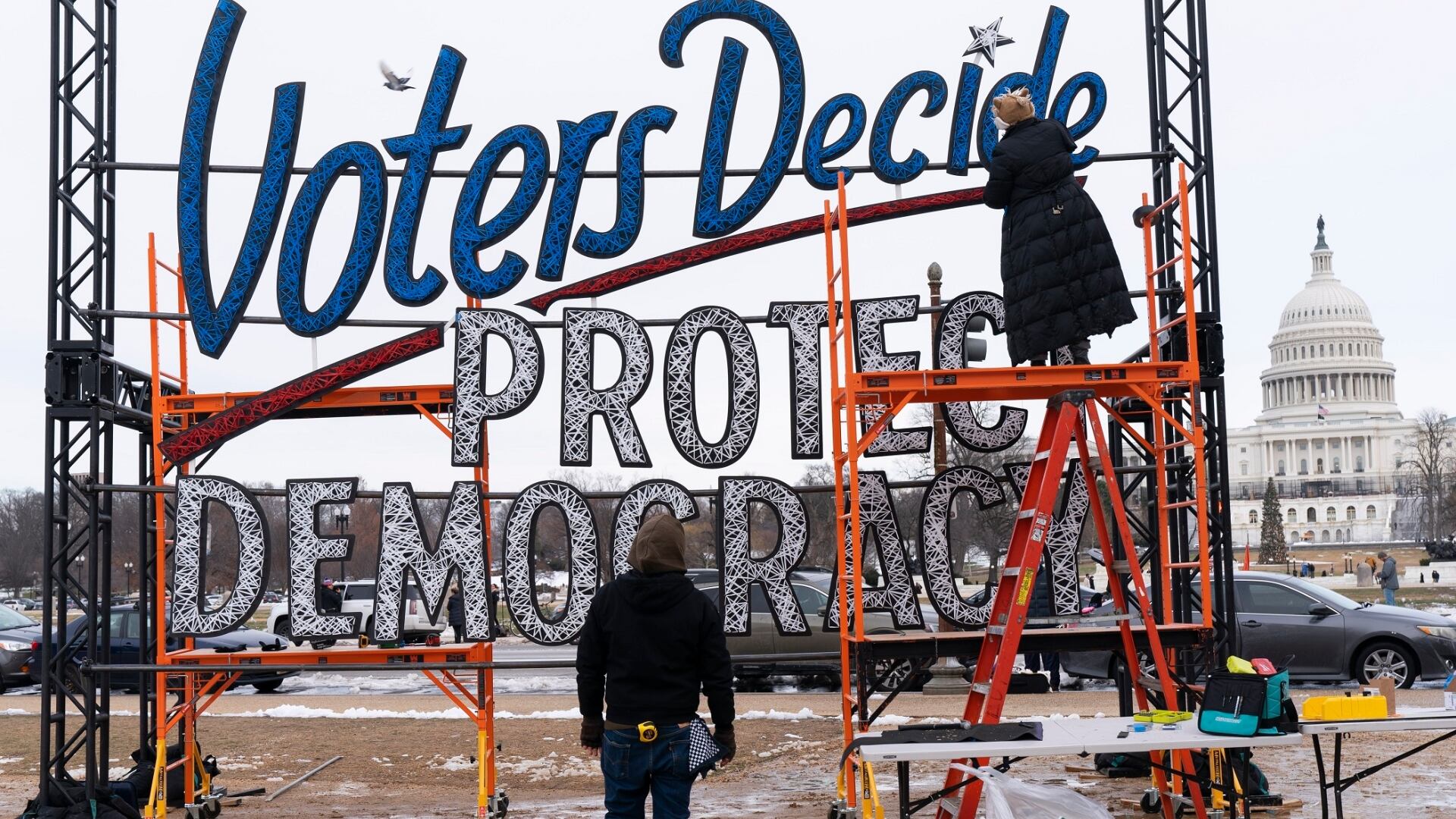
The new year has just gotten underway, but the clock is already ticking for the Democratic-led Congress to pass bills regulating big tech. Evan Greer, Director for Fight For the Future, joins Cheddar News to explain why Democratic lawmakers would want to push legislation now, and what a Republican takeover would mean for the industry.