As U.S. Readies Chinese Import Tax, Worries of Economic Impact Loom Large
*By Alisha Haridasani*
The first round of tariffs for American and Chinese goods goes into effect on Friday, officially plunging the two countries into a trade war that could end up undermining the U.S. economy.
The Trump administration is poised to impose taxes on $50 billion of Chinese imports in high-tech industries, such as robotics, aerospace, and industrial machinery, in an attempt to punish Beijing for intellectual property theft and to rebalance a trade deficit. The first phase of that will affect $34 billion worth of goods.
"The United States will be opening fire on the whole world and also opening fire on itself," said China's Commerce Ministry spokesperson on Thursday, reiterating that Beijing will fight back.
China has promised to immediately hit back with tariffs of “equal scale, equal intensity” on American soybeans, corn, wheat, rice, beef, and poultry.
President Trump announced the tariffs in June and since then the U.S. and China have been locked in a series of threats and negotiations that have rattled markets.
The back-and-forth has already forced companies to rethink their strategies. Chinese companies have started turning away from U.S. soybean suppliers and looking to other sources for agricultural products.
“Farmers in America’s heartland are already feeling the pain,” said Sara Hsu, economist and associate professor at SUNY-New Paltz. “Consumers can expect to feel the pain in the coming months.”
And enduring the pinch isn't going to pay off. Protectionism has historically proven to be destructive for the global economy and won’t achieve what the Trump administration is trying to accomplish, said Hsu.
The tariffs will hurt the American high-tech companies that Trump is trying to protect from intellectual property theft as it becomes increasingly difficult for those companies to do business in China, she said.
“Also, in terms of reducing the U.S.-China deficit, this is a point that I think the administration misunderstands,” she said. “A deficit is actually a good thing for the U.S. because we’re the world’s biggest economic power, and other countries are willing to hold our debt,” said Hsu. Reducing the deficit would signal that the global economy shouldn’t be investing in U.S. debt.
“We’re going to reduce our own power, it’s going to backfire on us.”
The trade spat with China is part of the president’s broader plan to renegotiate American trade deals with other countries. The U.S. has already levied tariffs on steel and aluminum imports from Canada, Mexico, and the EU, angering those allies and prompting them to retaliate.
Shots fired on that front have already claimed one American victim: Harley-Davidson. The motorcycle company announced last month it would move production out of the U.S. to get around the EU’s retaliatory tariffs.
For full interview, [click here](https://cheddar.com/videos/china-warns-u-s-on-trade).
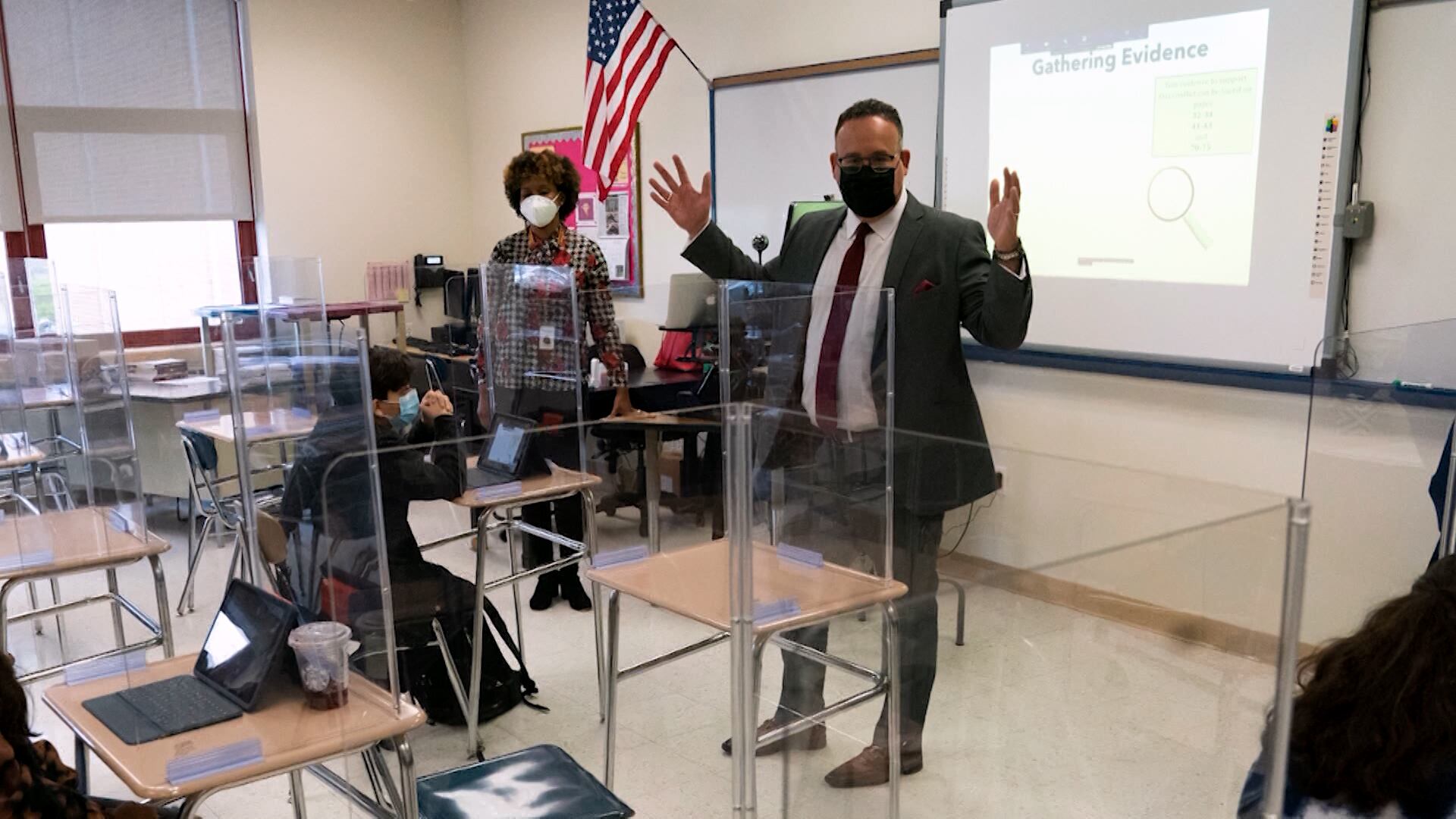
Covid cases have started to spike again across the nation, and this time they seem to be hitting some of our youngest and most vulnerable - school-aged children. School districts across the nation - including the country's largest public school system in New York City- are all grappling with what to do as teachers and students alike continue to miss school in droves.
Katie Honan, reporter for the New York City-based non profit news organization, The City explains how educational leaders across the country are handling covid demands from both teachers and parents alike.
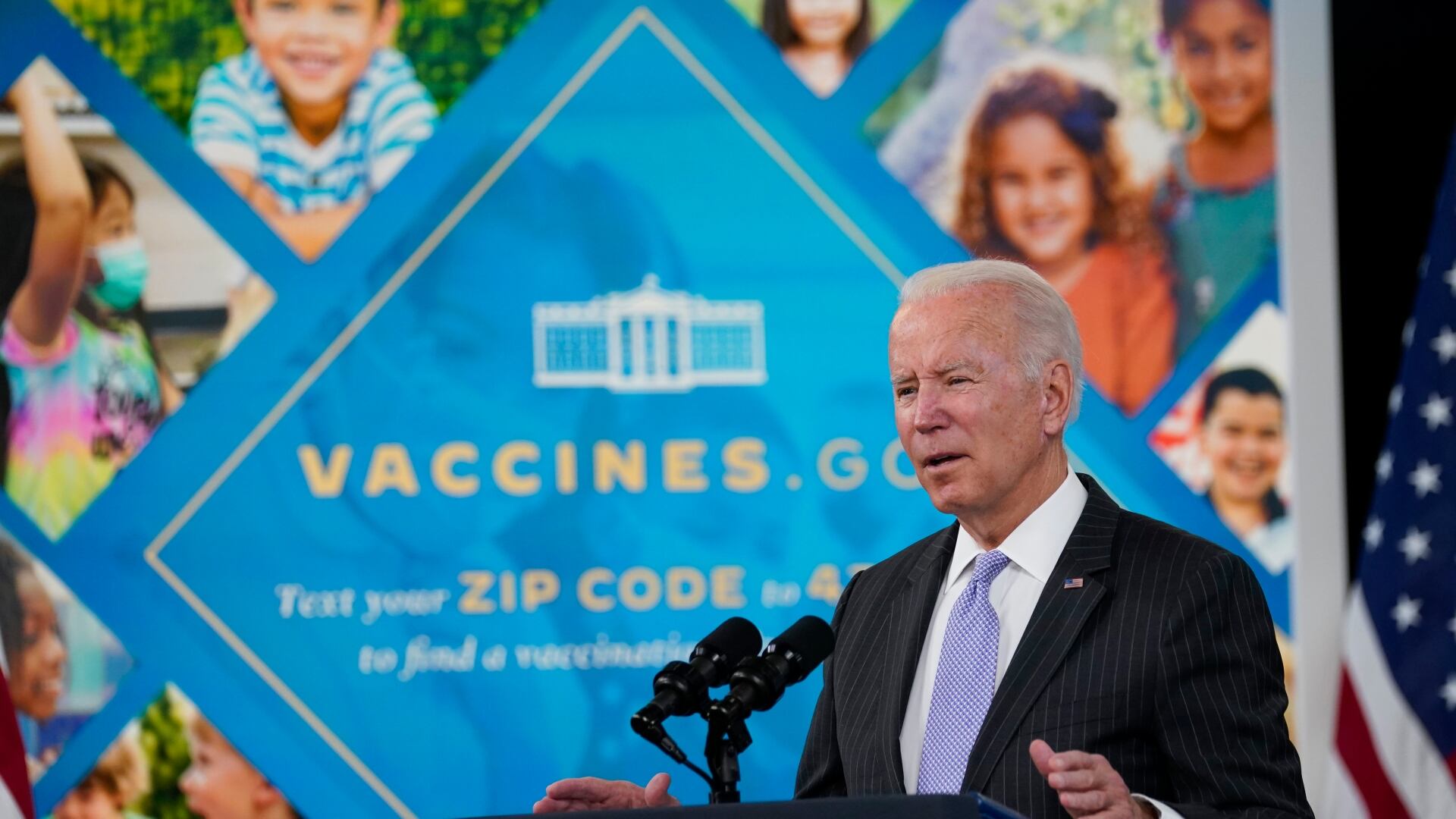
Last week, the Supreme Court began here to hear arguments on two of the President's COVID-19 vaccine mandates. The vaccine or testing requirement for employees of large businesses, as well as the vaccine mandate for health care providers who get funding through either Medicare or Medicaid. The justices in DC will ultimately decide whether or not federal agencies even have the authority to issue these types of mandates. Editor at large of employment at Law 360, Vin Gurrieri, joined Cheddar to discuss more.
On this episode of Cheddar Reveals Richenda Sandlin-Tymitz, Marketing & Content Manager at Alaska Tour & Travel, breaks down when and how to plan your best trip to Alaska; Kristen Miller, Acting Executive Director, Alaska Wilderness League, discusses the Arctic National Wildlife Refuge and the oil drilling that threatens it; Cheddar gets a look at Curiosity Stream's 'The Magic of the Wild.'
Kristen Miller, acting executive director, Alaska Wilderness League, discusses the Arctic National Wildlife Refuge and the oil drilling that threatens it.
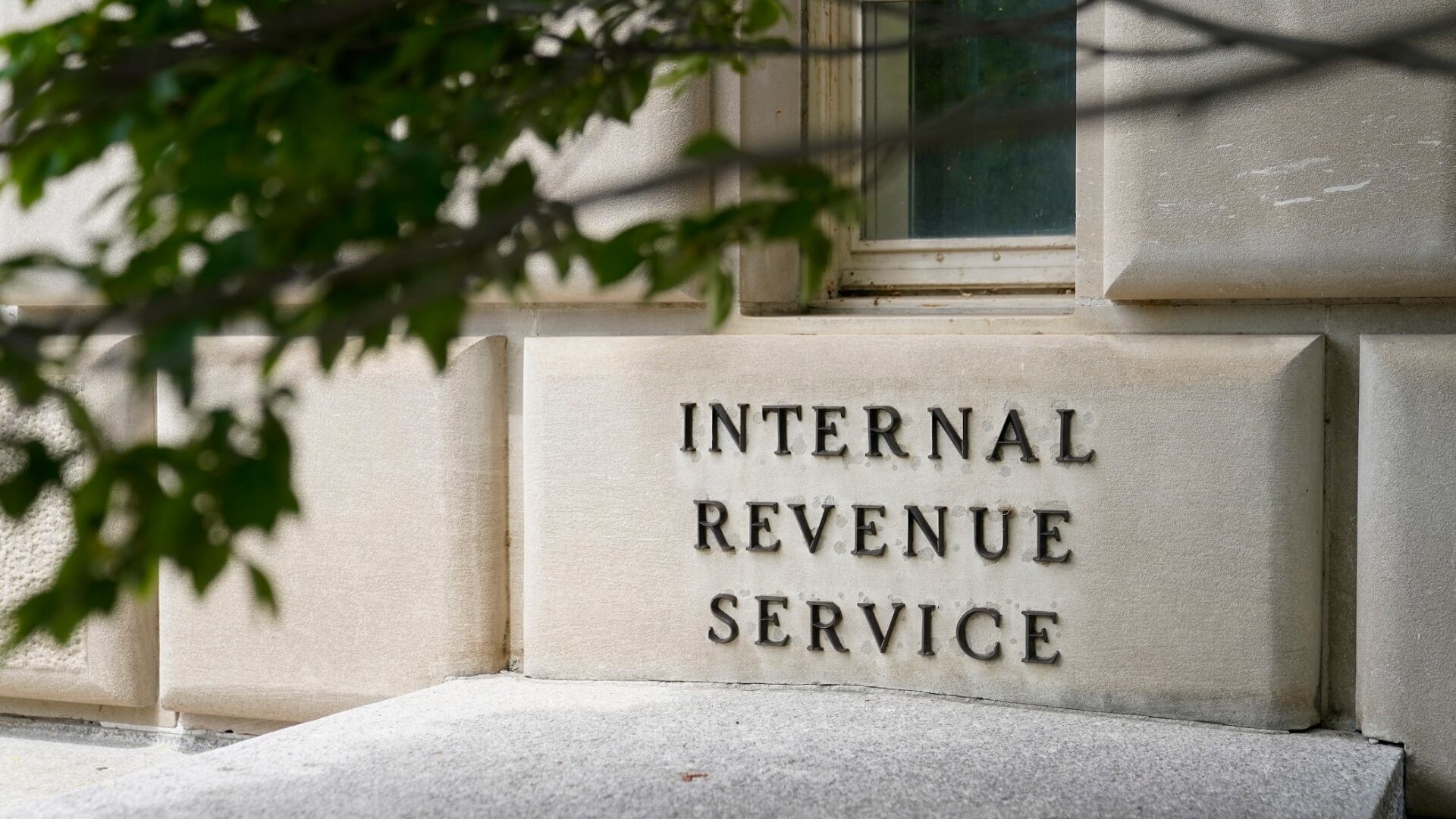
The Department of Treasury is warning Americans to expect delays on their tax returns this year as the IRS manages staffing shortages due to the pandemic.
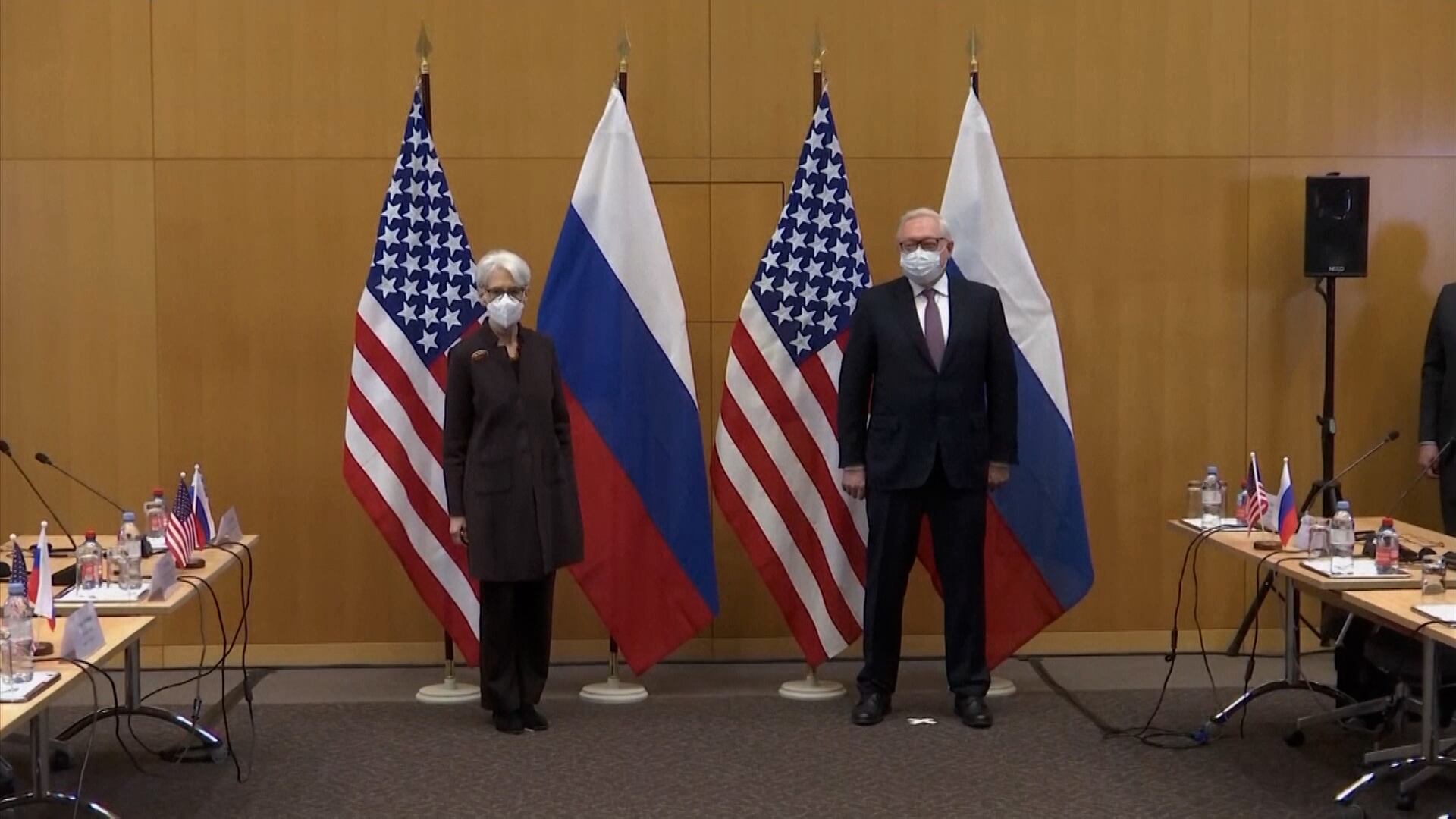
The United States and Russia remain distant following a meeting between high-level officials for the two countries in Geneva, Switzerland. The nations remain conflicted over Washington's concern of a potential invasion of Ukraine by Russia and Moscow dispute with NATO expanding into former Soviet states. Hagar Chemali, host of Oh My World on YouTube and former spokesperson for the U.S. Mission to the U.N., joined Cheddar's "News Wrap" to give her take about the careful diplomatic negotiations underway. "I would expect more rounds," she said about the talks. "Both sides really remain adamant that we're not going to talk about Russia's proposal, and Russia doesn't want to talk about anything but its proposal. So once they start talking about the other items on the table, and there are a few other items, that's when negotiations can start."
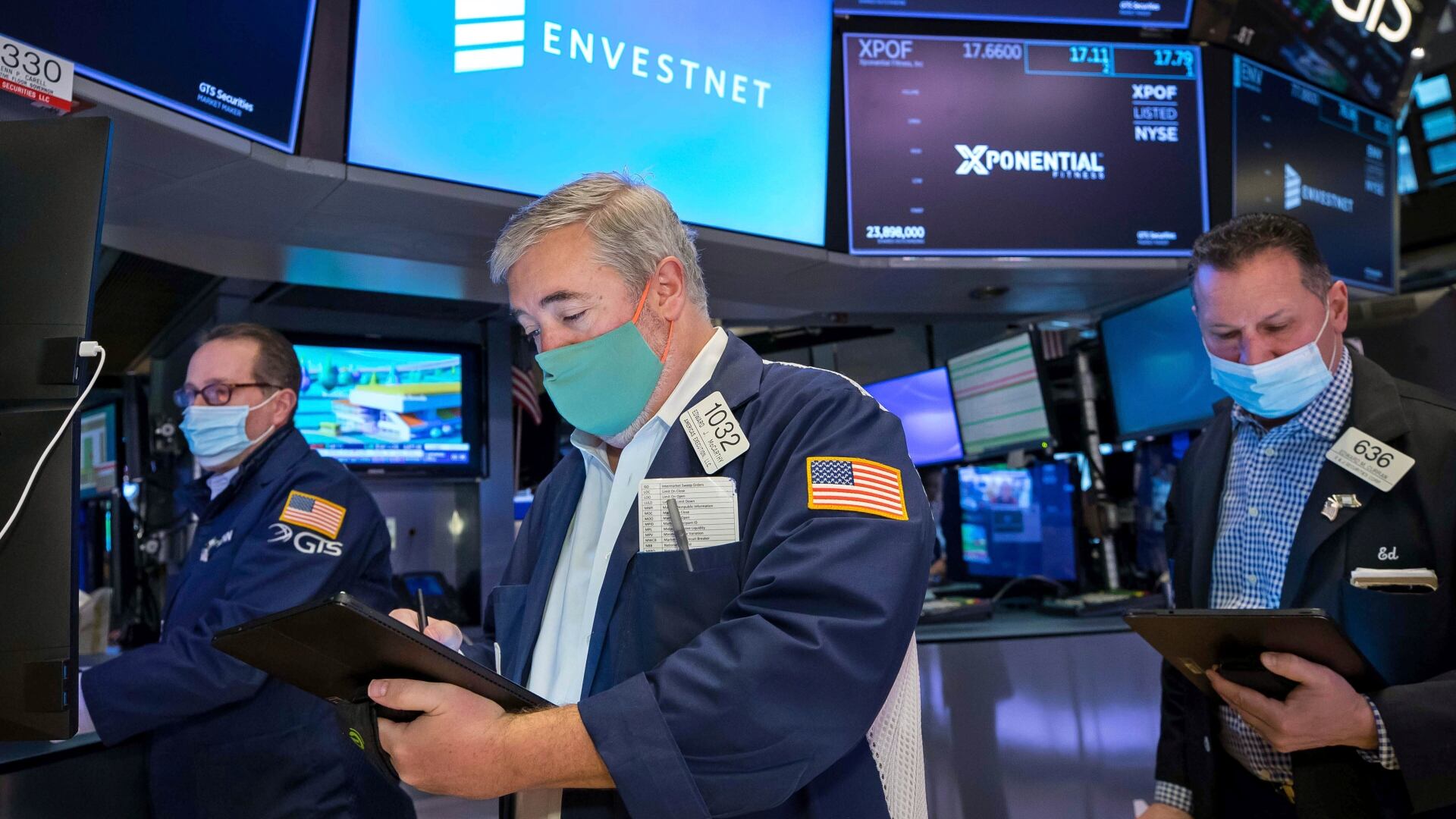
Markets closed the day mixed, and well off their lows of the day following a market meltdown earlier in the session. The Nasdaq staged a comeback late in the day, even amid ongoing worries about the Federal Reserve raising interest rates. Doug Flynn, certified financial planner and co-founder of Flynn Zito Capito, joined Cheddar News' Closing Bell to discuss the markets' close and what's driving the major indexes.