As U.S. Readies Chinese Import Tax, Worries of Economic Impact Loom Large
*By Alisha Haridasani*
The first round of tariffs for American and Chinese goods goes into effect on Friday, officially plunging the two countries into a trade war that could end up undermining the U.S. economy.
The Trump administration is poised to impose taxes on $50 billion of Chinese imports in high-tech industries, such as robotics, aerospace, and industrial machinery, in an attempt to punish Beijing for intellectual property theft and to rebalance a trade deficit. The first phase of that will affect $34 billion worth of goods.
"The United States will be opening fire on the whole world and also opening fire on itself," said China's Commerce Ministry spokesperson on Thursday, reiterating that Beijing will fight back.
China has promised to immediately hit back with tariffs of “equal scale, equal intensity” on American soybeans, corn, wheat, rice, beef, and poultry.
President Trump announced the tariffs in June and since then the U.S. and China have been locked in a series of threats and negotiations that have rattled markets.
The back-and-forth has already forced companies to rethink their strategies. Chinese companies have started turning away from U.S. soybean suppliers and looking to other sources for agricultural products.
“Farmers in America’s heartland are already feeling the pain,” said Sara Hsu, economist and associate professor at SUNY-New Paltz. “Consumers can expect to feel the pain in the coming months.”
And enduring the pinch isn't going to pay off. Protectionism has historically proven to be destructive for the global economy and won’t achieve what the Trump administration is trying to accomplish, said Hsu.
The tariffs will hurt the American high-tech companies that Trump is trying to protect from intellectual property theft as it becomes increasingly difficult for those companies to do business in China, she said.
“Also, in terms of reducing the U.S.-China deficit, this is a point that I think the administration misunderstands,” she said. “A deficit is actually a good thing for the U.S. because we’re the world’s biggest economic power, and other countries are willing to hold our debt,” said Hsu. Reducing the deficit would signal that the global economy shouldn’t be investing in U.S. debt.
“We’re going to reduce our own power, it’s going to backfire on us.”
The trade spat with China is part of the president’s broader plan to renegotiate American trade deals with other countries. The U.S. has already levied tariffs on steel and aluminum imports from Canada, Mexico, and the EU, angering those allies and prompting them to retaliate.
Shots fired on that front have already claimed one American victim: Harley-Davidson. The motorcycle company announced last month it would move production out of the U.S. to get around the EU’s retaliatory tariffs.
For full interview, [click here](https://cheddar.com/videos/china-warns-u-s-on-trade).
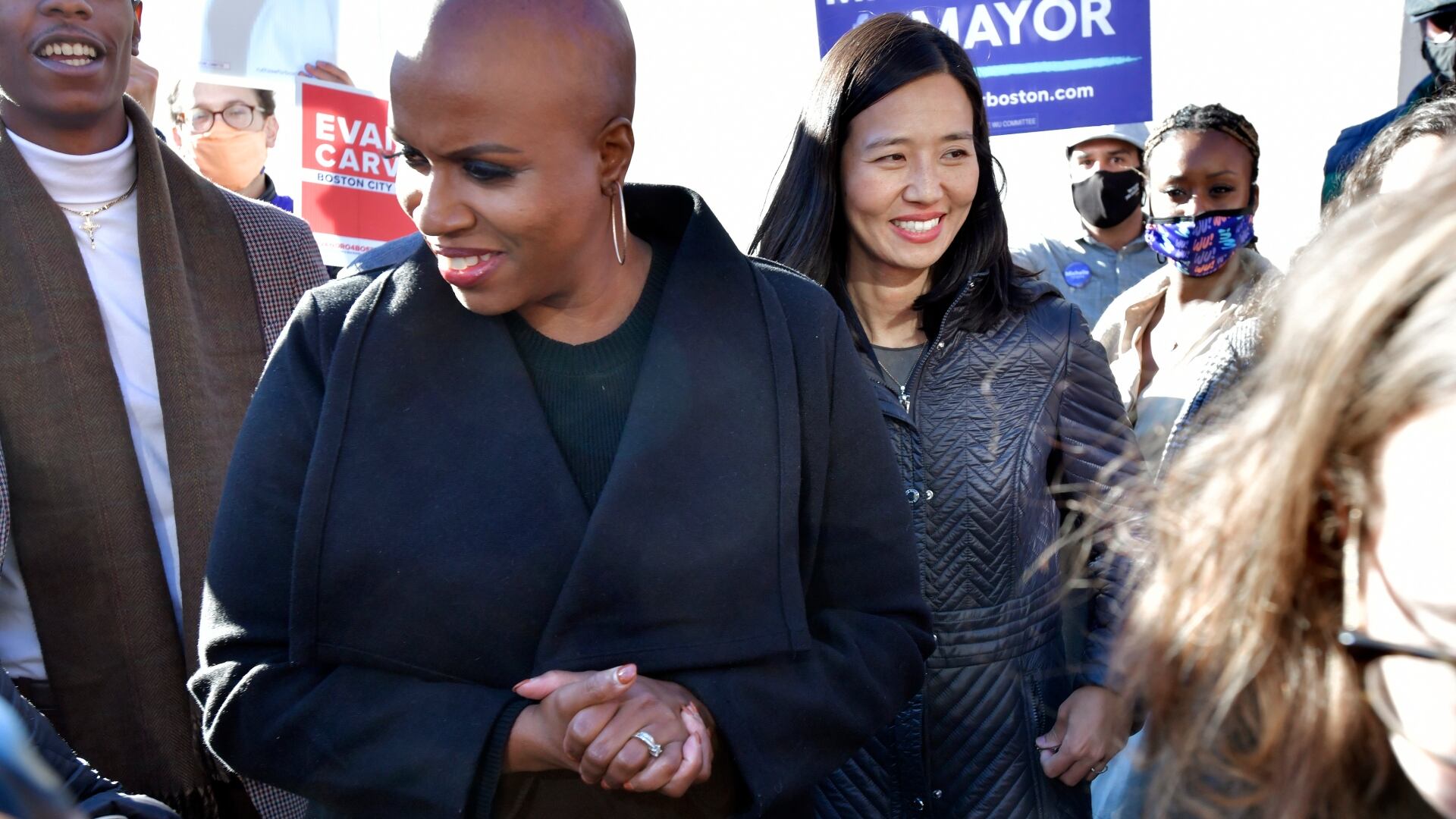
As President Biden's poll numbers fall with Black voters, Rep. Ayanna Pressley (D-Mass. 7th District) joined Cheddar to discuss what she feels could help the embattled administration: deliver on policies. Pressley pointed to stalled legislation such as new voting rights laws and Build Back Betters and canceling student loan debt, which would go a long way to improving his standing with Black constituents. "President Biden has the authority and the power to alleviate this burden, which would also help in closing the racial wealth gap, and he can do it by executive action with the stroke of a pen," she said. "And it doesn't require one vote from Congress. So, the Biden administration just needs to deliver to Black America in a tangible and impactful way."
Mayor Ras Baraka of Newark, NJ and Ayana Morris, co-director of the documentary 'Why Is We Americans?,' join Cheddar News to discuss the new documentary highlighting the impact of the Baraka family.
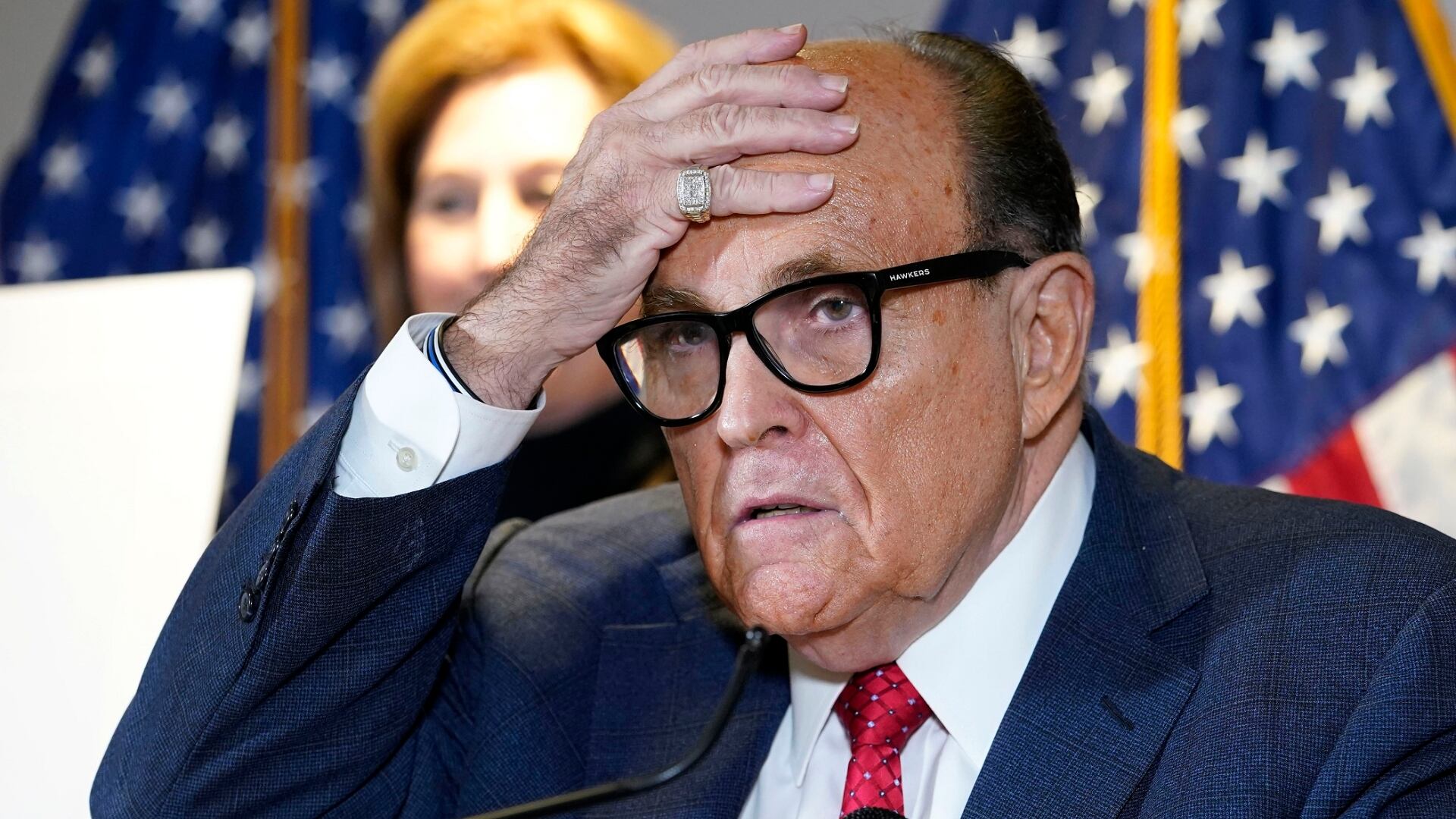
Former New York City mayor and lawyer to Donald Trump Rudy Giuliani made his singing debut on a taping of Fox’s The Masked Singer. However, Ken Jeong and Robin Thicke, two judges on the competition show, reportedly left in protest when Giuliani was unmasked upon being eliminated.
All Hands celebrates Black History Month by highlighting achievements in inclusivity and paying homage to those who have fought for equal rights. Rep. Maxine Waters (D-CA) joins Cheddar News to discuss voter suppression; Damali Peterman, CEO of Breakthrough ADR, elaborates on the biggest barriers for Black professionals; Andre Perry, senior fellow of Brookings Institution, dives into student loans and the racial wealth divide; and lastly, BET CEO Scott Mills discusses the company's initiatives for 2022.
All month long Cheddar News is celebrating Black History Month.
In our nation’s capital, Black history is being made right now.
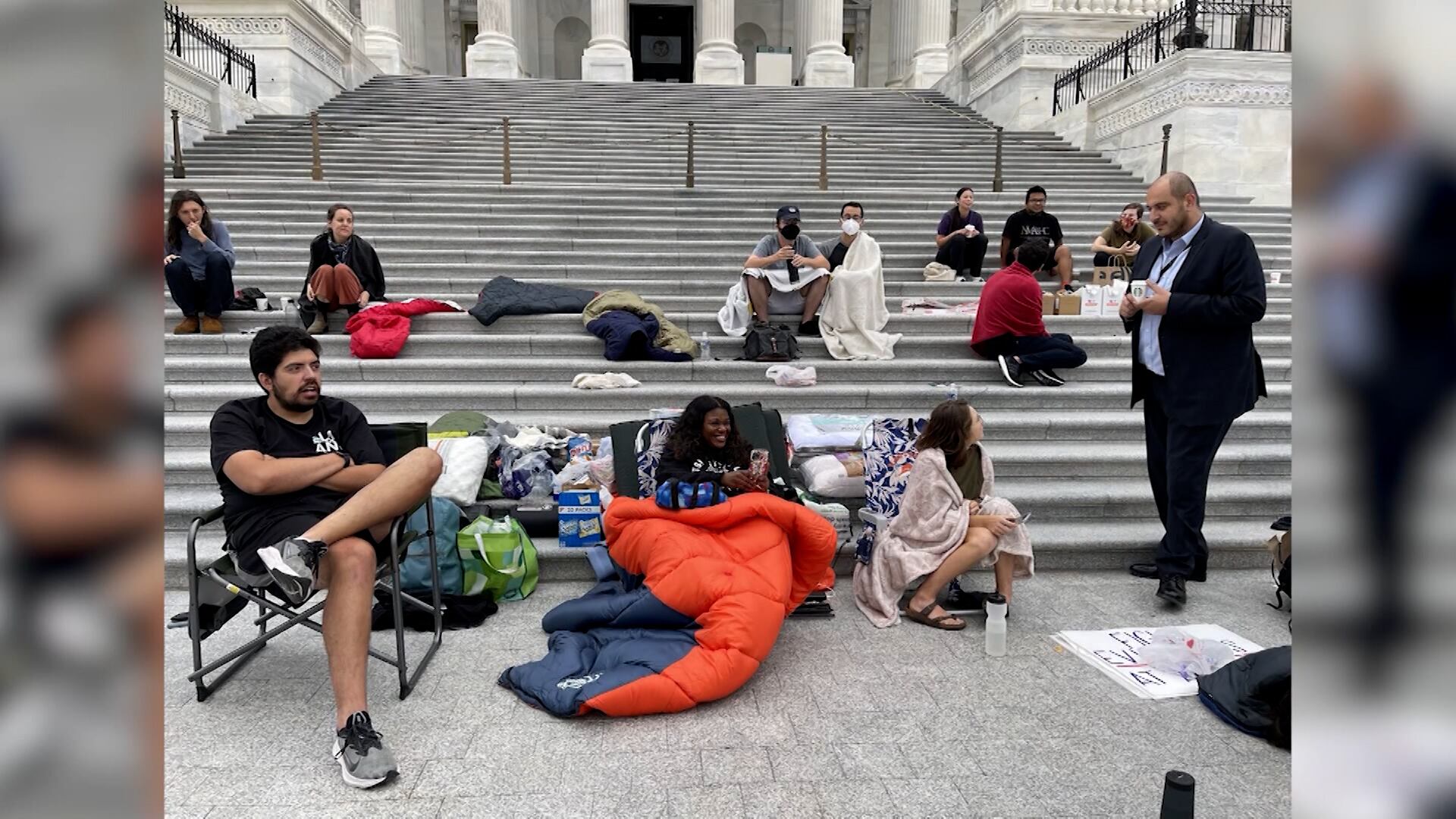
cheddar's own Arielle Hixon puts the spotlight on three lawmakers making that happen, Rep. Lauren Underwood (D-IL), Rep. Cori Bush (D-MO), and Sen. Tim Scott (R-SC).
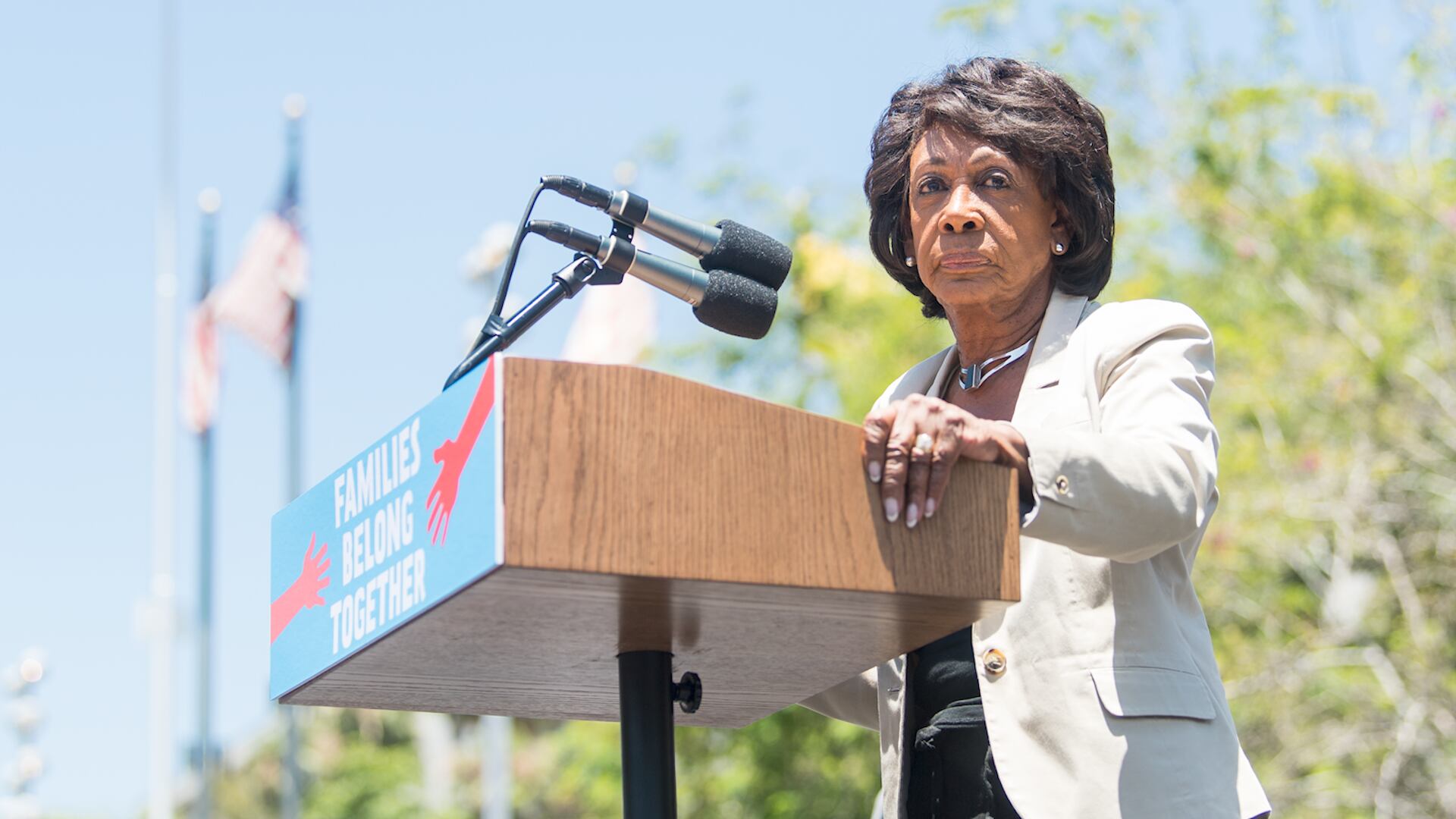
Representative Maxine Waters (D-Calif. 43rd District) joined Cheddar News to talk about the current political climate in America, including efforts to roll back voting rights in multiple states in light of Black History Month. "Why do we have to deal with those who still believe that somehow this country only belongs to the whites of the country and that somehow they have to do everything that they can to undermine our voting and do voters suppression to keep us from being influential and at the table by which to solve problems?" she asked. Waters chided "two Democrats" who she said were stymying attempts to rectify the issue and also spoke on President Biden’s promise to nominate a Black woman to the Supreme Court.
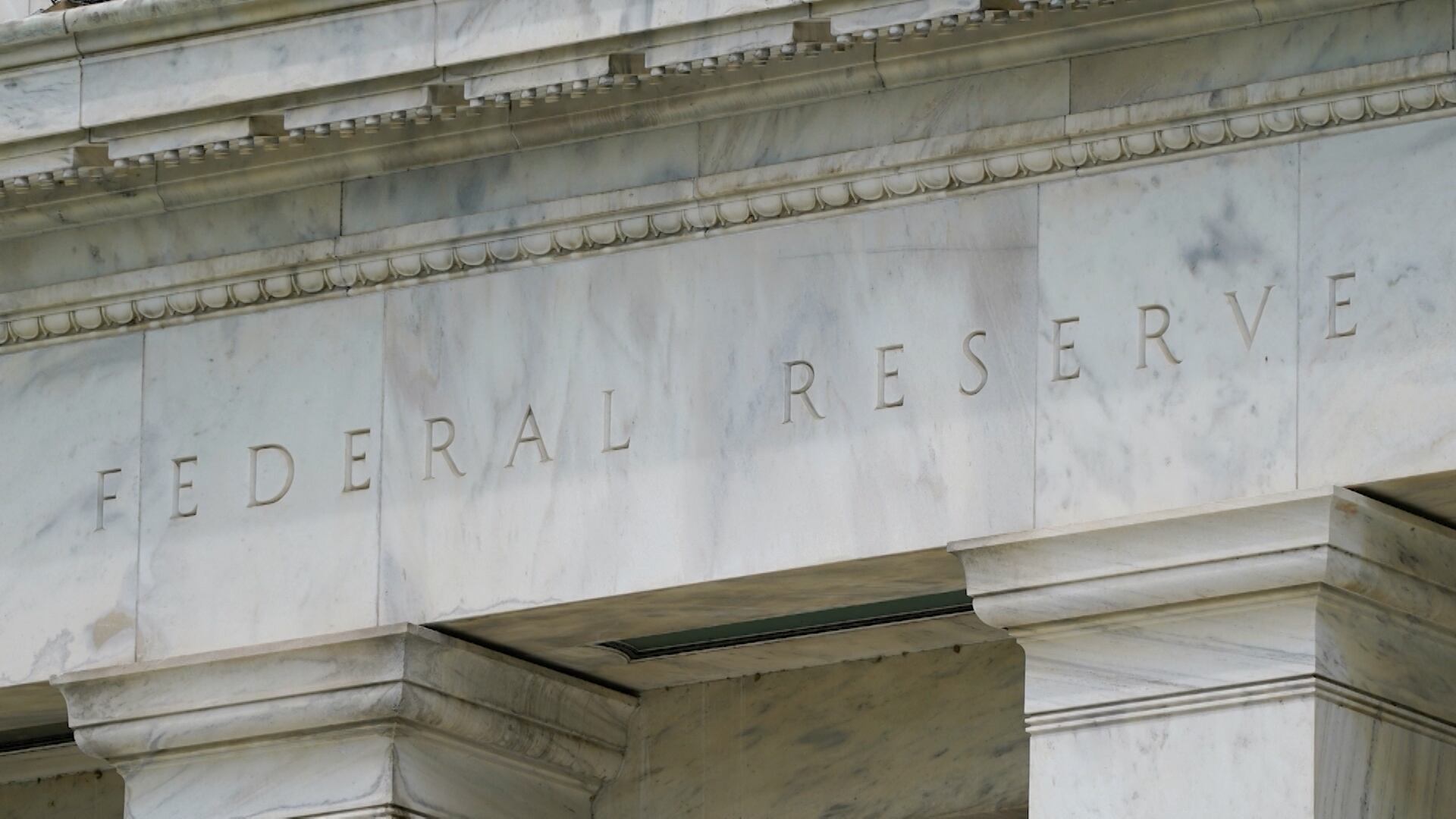
Wall Street saw another volatile day after the Federal Reserve left rates unchanged for now, with plans to raise rates in March at its next meeting in order to ease inflation. Fed Chair Jerome Powell said the Fed has not made decisions on the size of rate increases, adding that the Fed is not trying to get inflation below two-percent. Ken Johnson, CFA and Investment Strategy Analyst explains why Powell thinks that high inflation is a significant threat to the labor market.