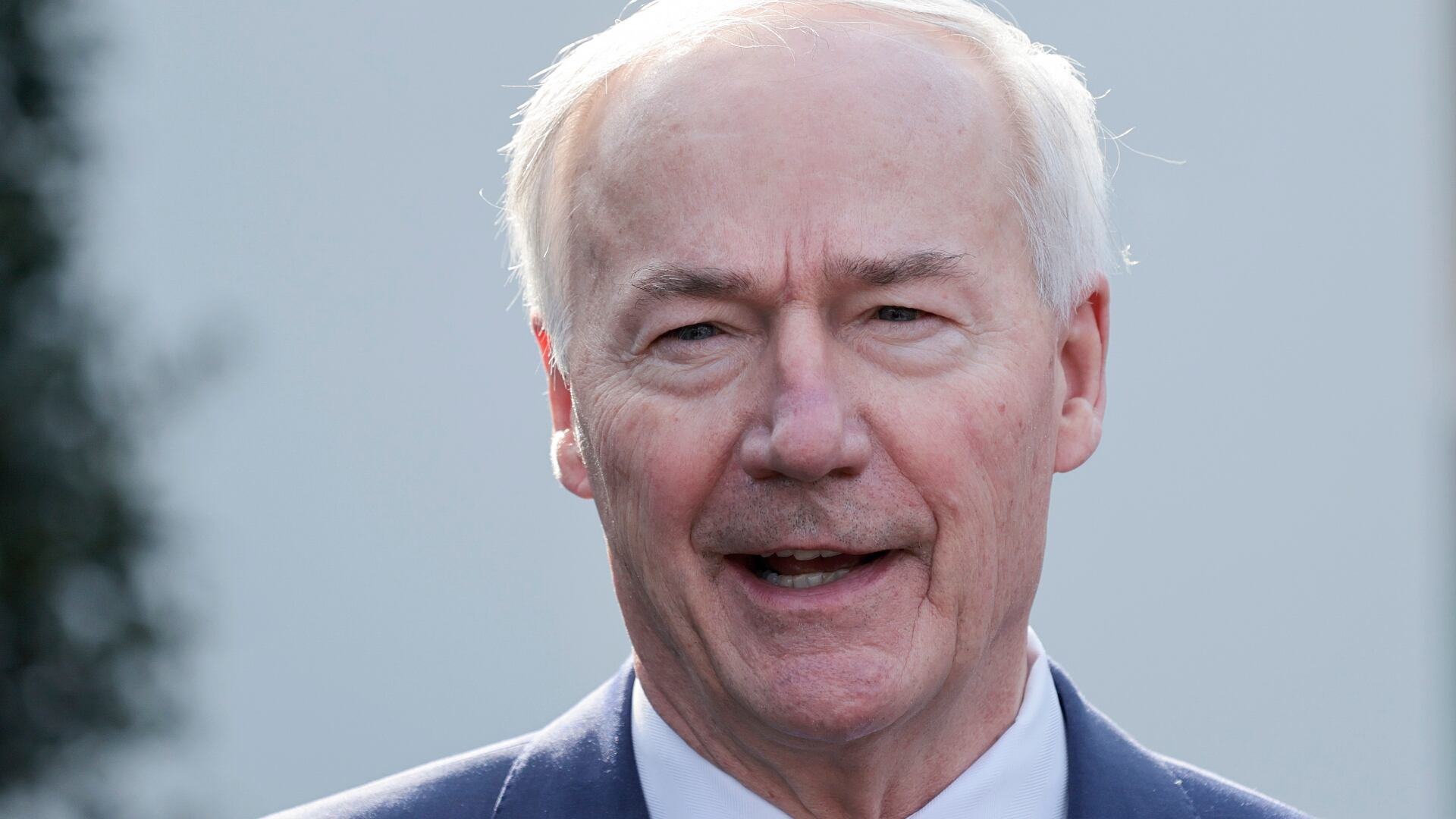
As Arkansas emerges as one of the states with the highest per capita COVID-19 deaths, Governor Asa Hutchinson on Thursday defended his decision to keep much of the economy, including schools, open during the pandemic.
"It's all about maintaining a balance through the last year, and we never shut down our economy in Arkansas — [I] did not think that was the right decision," Hutchinson told Cheddar.
The University of Arkansas for Medical Sciences released a report on Tuesday that the state — with a total of 5,273 COVID deaths as of March 5 — has a higher per capita death rate than hard-hit states such as New York, Texas, Florida, and California
The governor, however, made the case that the state's higher death rate was not related to its pandemic response, but rather existing health indicators throughout the U.S. South.
"When you talk about the great tragedy of the death rates, that's sad," he said. "It's something that we want to avoid, but obviously when you look at the Southern states there's some health indicators that are not high on the scale, and I think history will look back and see exactly some of those reasons. But, I think we've maintained the balance through this here in Arkansas."
Hutchinson said he was aiming to end the state's mask mandate by March 31. At that point, the mandate would become guidance.
He noted that one criterion was the state reaching a positivity rate below 10 percent. The current rate is 2.9 percent.
The governor said private companies, however, will still have the right to mandate mask use, and that the state would incentivize them to follow the guidelines by offering liability protection.
"We also give them an incentive that if they follow guidelines, then they're going to have business liability immunity, so you can't be sued for somebody getting coronavirus if you're following the guidelines," he said.
Arkansas Near-Total Abortion Ban
Hutchinson also commented on his decision to sign a bill that represents a near-total ban on abortions in the state, including in cases of rape or incest, all but ensuring a challenge to Roe. v. Wade that could make its way to the U.S. Supreme Court.
While the governor had expressed support for those exceptions in the past, he said he signed the bill due to his overall pro-life stance and desire to bring a challenge in front of the conservative Court.
"This was designed to give a challenge to the Supreme Court and an option to reverse Roe versus Wade," he said. "Yes, I would have preferred to have the rape and incest exceptions in there. I think that would make it more amenable to the Supreme Court to review the case, because it has more popular acceptance, but in Arkansas, you can override the governor's veto by a simple majority vote."
The bill had overwhelming support in the state legislature, he added.
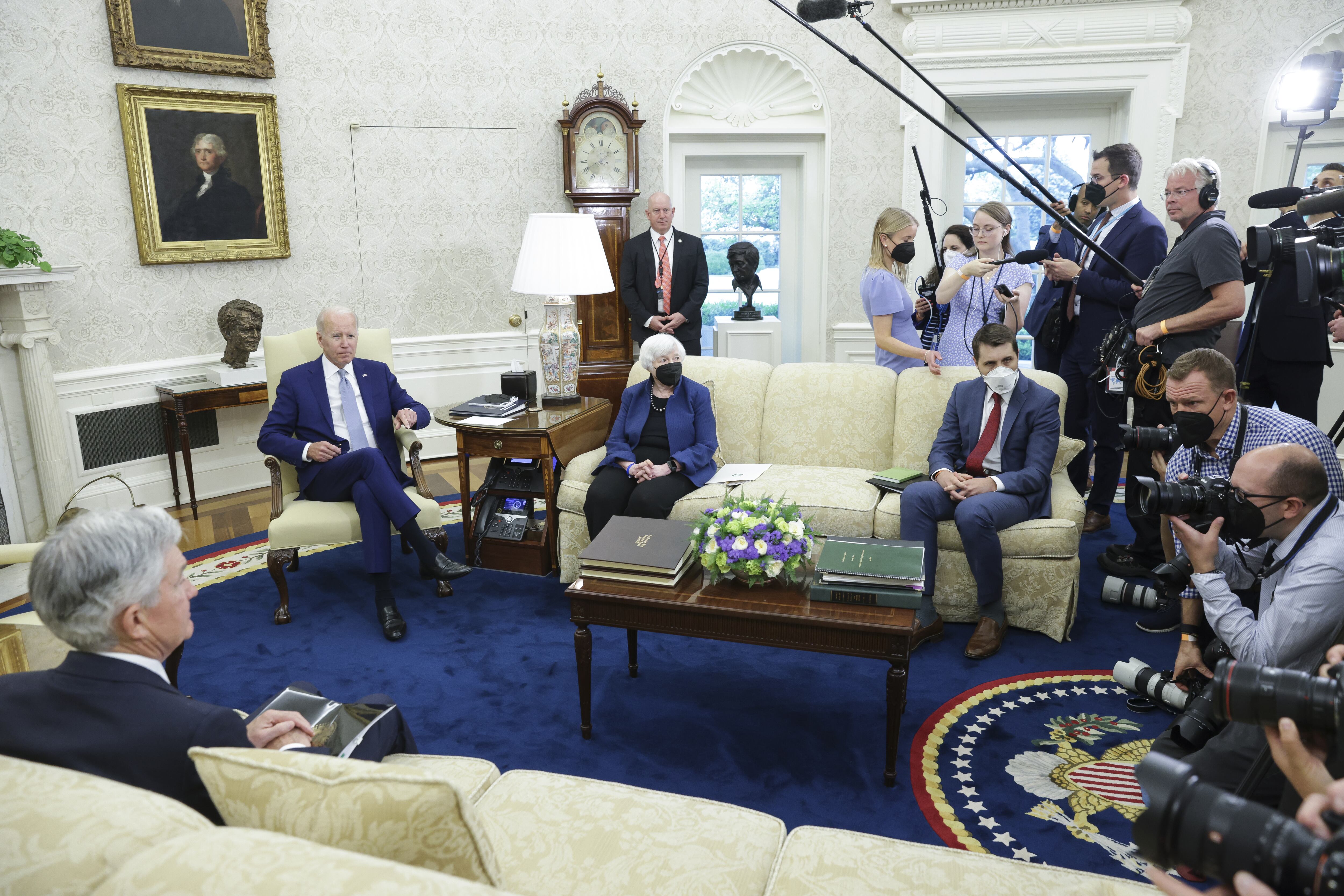
President Biden and Federal Reserve chair Jerome Powell meet at the White House today for the first time since Powell's renomination to the position. The President and the Fed Chair discussed the economy and historically high inflation, as new data shows inflation may be cooling slightly. Morning Consult economic analyst Jesse Wheeler joins Cheddar News' Closing Bell to discuss how the Biden administration at the U.S. central bank can work together to combat soaring prices for American consumers.
In the second part of Cheddar's talk with Governor Asa Hutchinson, the Republican from Arkansas discussed his state's abortion trigger law and the overturning of Roe v. Wade, the Texas law that would prevent social media platform moderation currently being held up by the U.S. Supreme Court, and rumors of his 2024 presidential run. "I did go to New Hampshire. I am testing the waters out there, so no decision at this point. But we're looking at it," he said, noting that if former President Donald Trump runs, it would not affect his own decision.
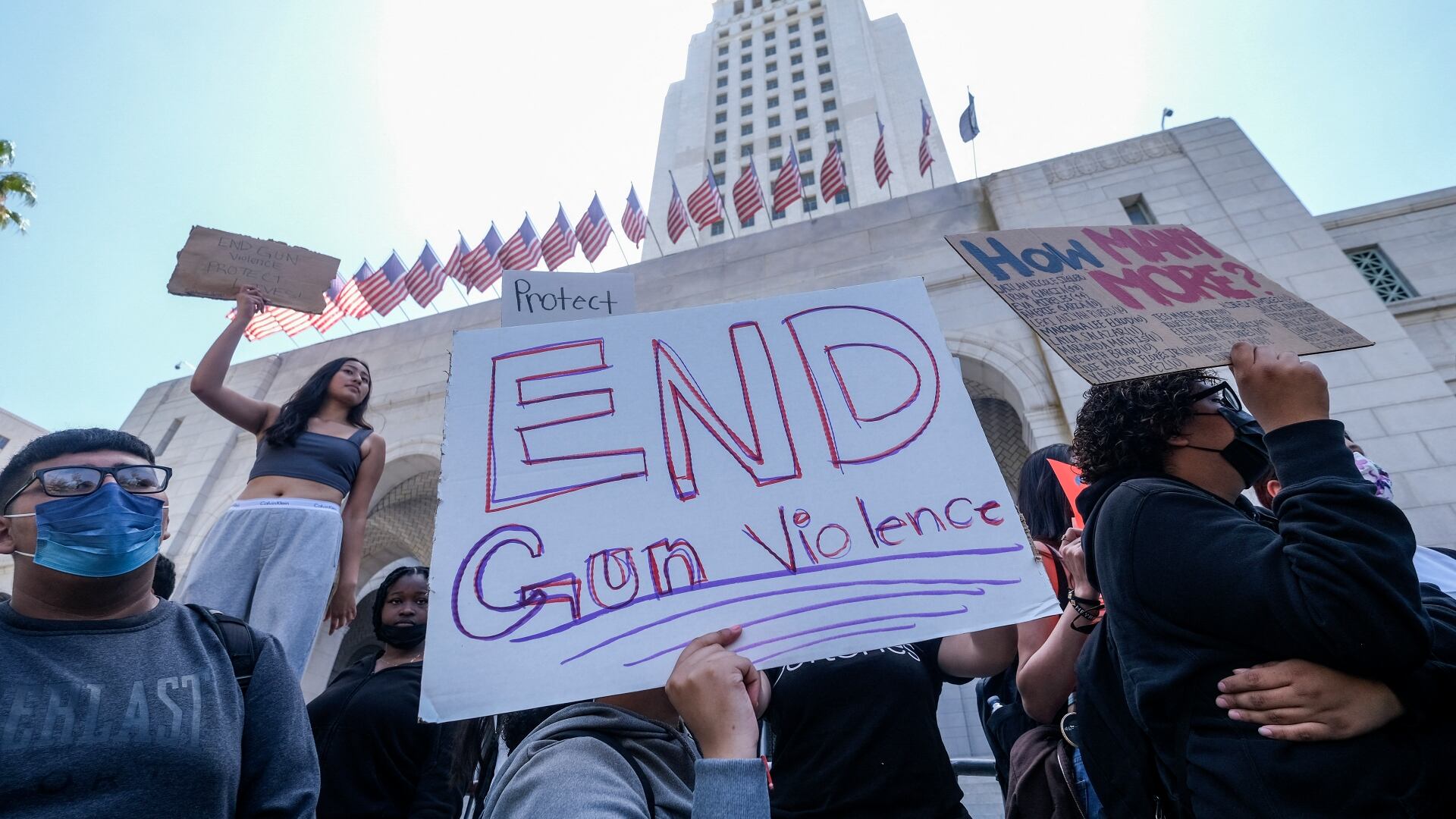
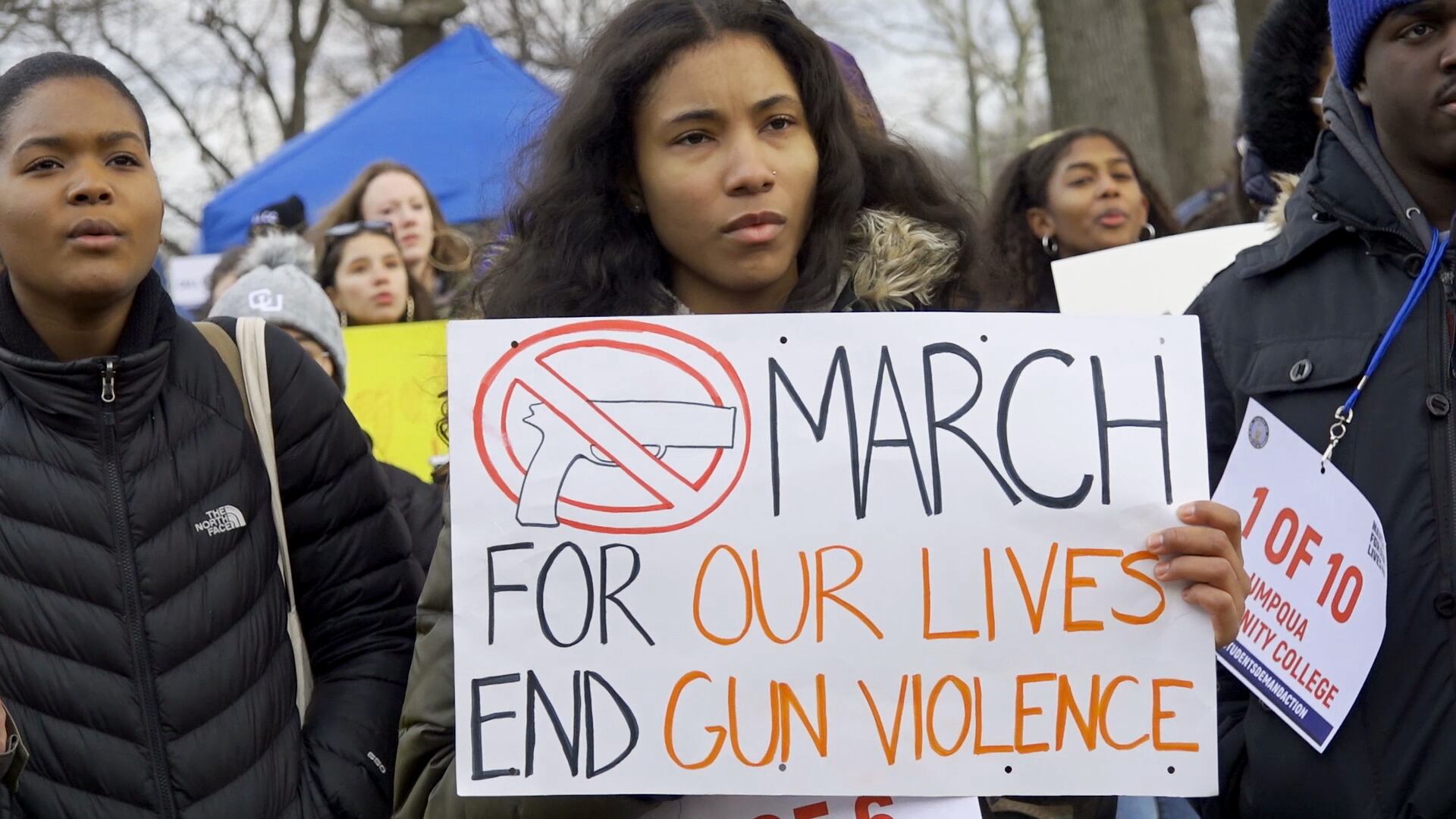
Cheddar Politics looks at the ongoing efforts to pass meaningful gun safety laws in both Chambers of Congress following multiple mass shootings. Lisa Hagen, senior political reporter for U.S. News and World Report, helps break down why Senators are hopeful that a modest bipartisan gun safety package might be able to overcome a filibuster.
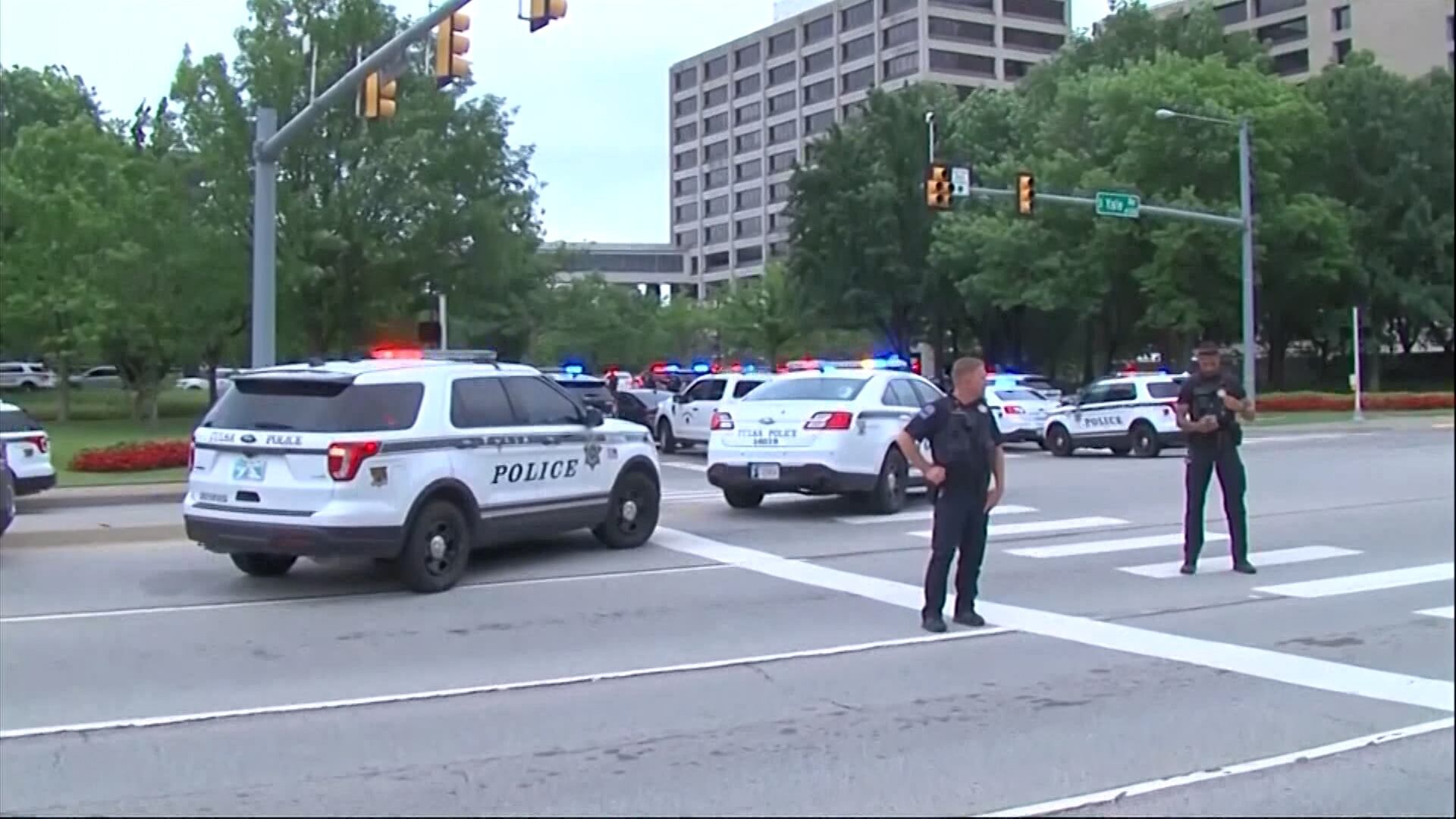
Join Cheddar News as we break down the top headlines this morning including updates on the Tulsa medical center shooting, Johnny Depp V. Amber Heard verdict, and Democrats push for gun control reform.
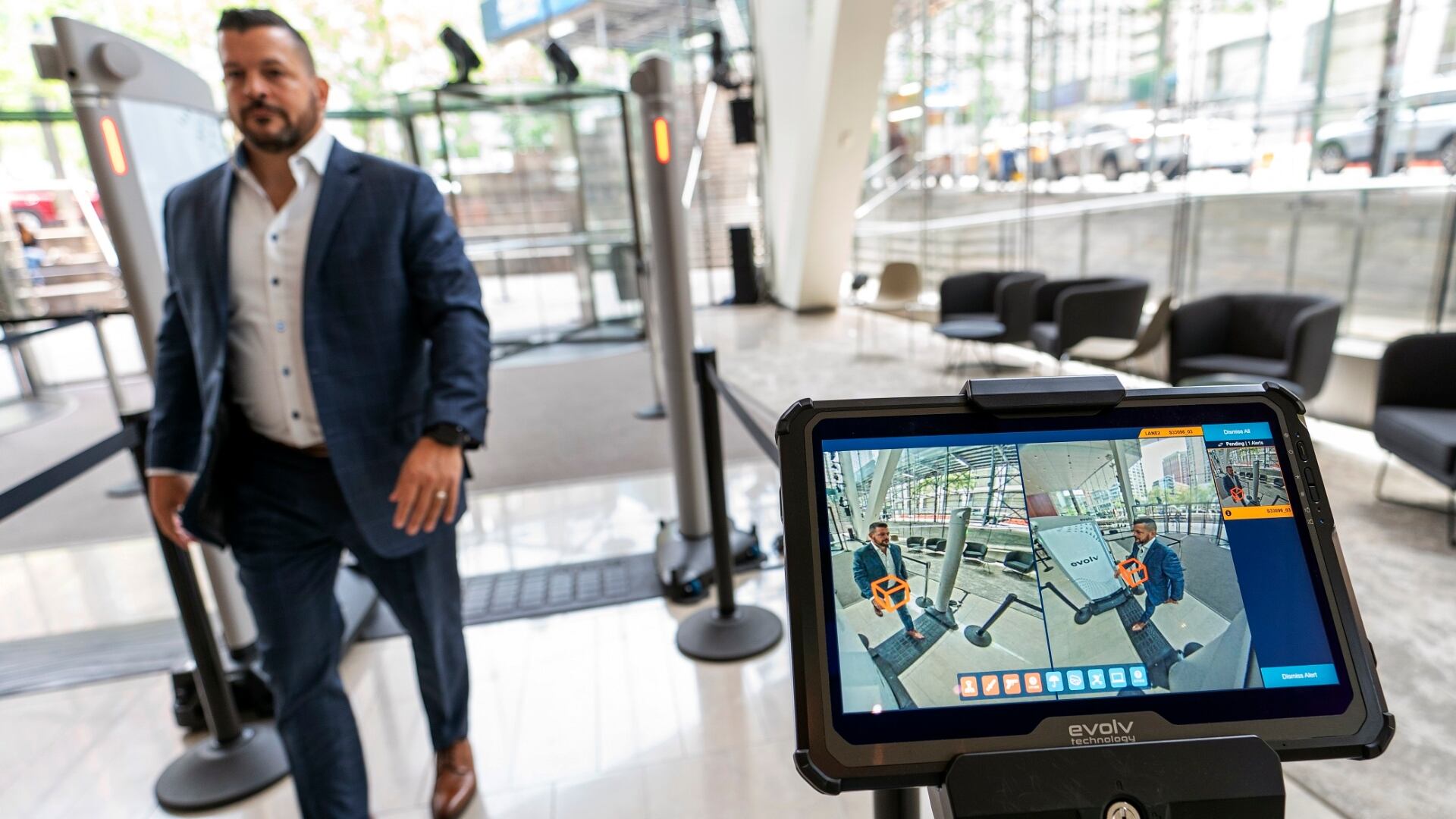
After two subway shootings in two months and the more recent mass shootings in Uvalde, Texas, and Buffalo, New York, Mayor Eric Adams is calling for gun detection scanners to be installed in New York City subways. The tech would be similar to that used in sporting arenas, however, experts note multiple difficulties with such a setup including the need for nearby human operators.
Catching you up on what you need to know on Wednesday, June 1, 2022, House lawmakers hold an emergency hearing on gun control measures in the wake of the Uvalde shooting, the Supreme Court temporarily blocks Texas' law stopping social media moderation, and the James Webb Space Telescope gets a new mission.
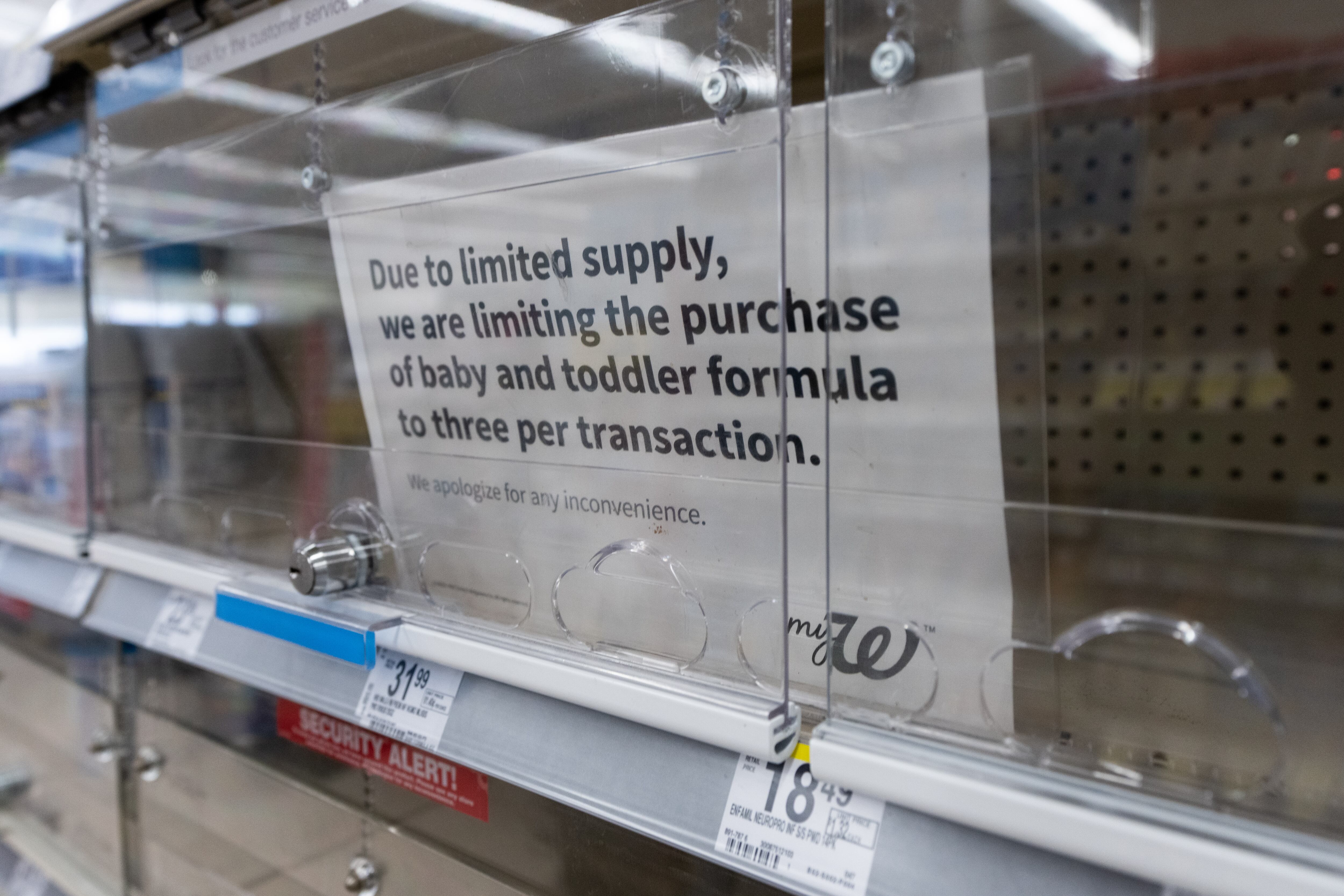
With the baby formula in the United States surging to an out-of-stock rate of 70 percent, the FDA has given Abbott permission to reopen its Michigan plant amid the crisis and authorized foreign imports. Professor Peter Pitts, a former FDA associate commissioner and current president of the Center for Medicine in the Public Interest, joined Cheddar News to discuss the ongoing shortage and its wide impact. “As difficult as things is in urban areas, they’re even worse in small communities and tribal areas where parents can't just go to the next store on the corner," he said. Pitts also noted that the Abbott factory was a "disaster" prior to its shutdown and that it would have been "regulatory malpractice" to have left it open.
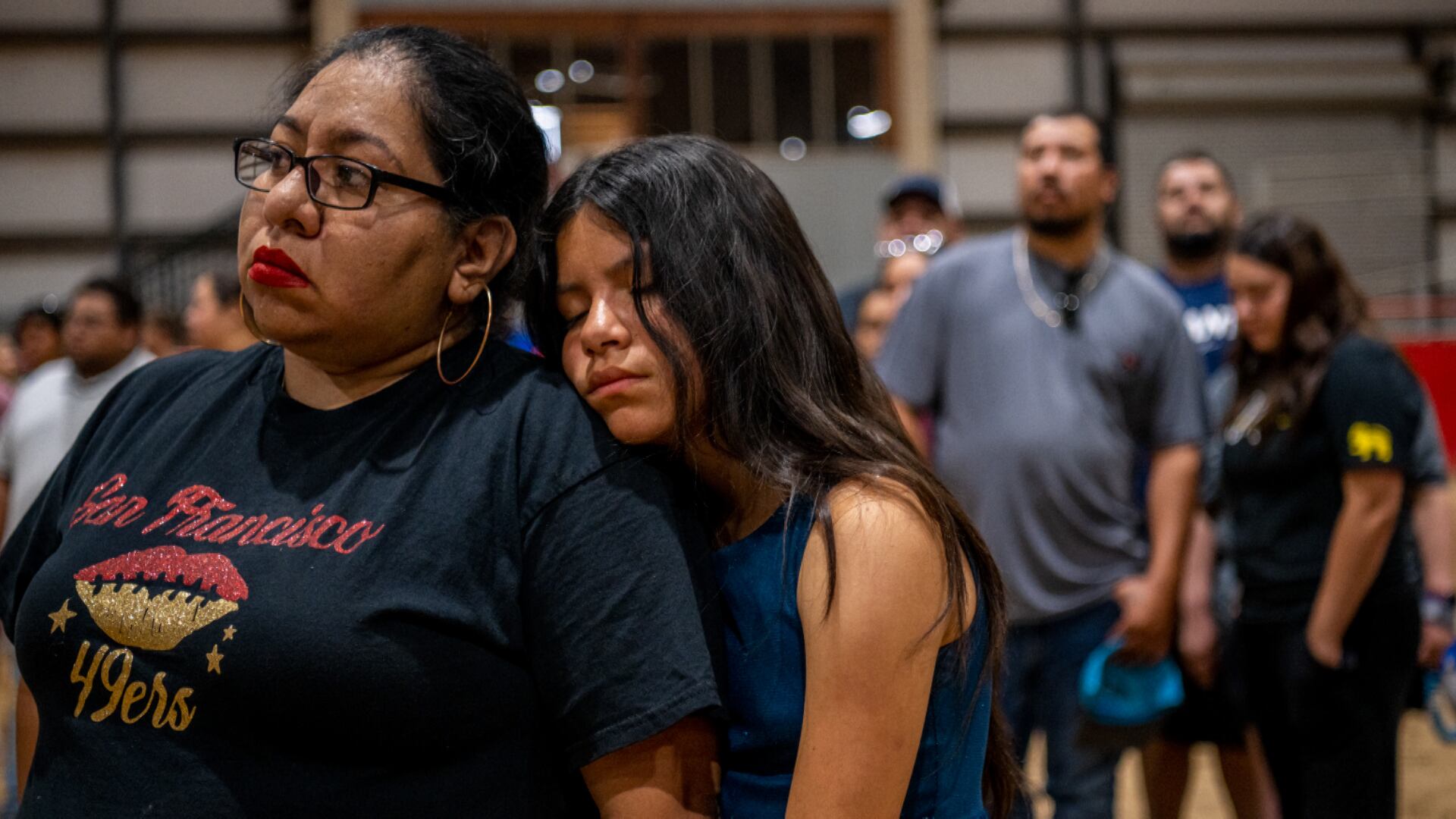
Cheddar's Megan Pratz reports from the ground in Uvalde, Texas where the community's grief and frustration with lawmakers and police officers grows as more details emerge.