As Arkansas emerges as one of the states with the highest per capita COVID-19 deaths, Governor Asa Hutchinson on Thursday defended his decision to keep much of the economy, including schools, open during the pandemic.
"It's all about maintaining a balance through the last year, and we never shut down our economy in Arkansas — [I] did not think that was the right decision," Hutchinson told Cheddar.
The University of Arkansas for Medical Sciences released a report on Tuesday that the state — with a total of 5,273 COVID deaths as of March 5 — has a higher per capita death rate than hard-hit states such as New York, Texas, Florida, and California
The governor, however, made the case that the state's higher death rate was not related to its pandemic response, but rather existing health indicators throughout the U.S. South.
"When you talk about the great tragedy of the death rates, that's sad," he said. "It's something that we want to avoid, but obviously when you look at the Southern states there's some health indicators that are not high on the scale, and I think history will look back and see exactly some of those reasons. But, I think we've maintained the balance through this here in Arkansas."
Hutchinson said he was aiming to end the state's mask mandate by March 31. At that point, the mandate would become guidance.
He noted that one criterion was the state reaching a positivity rate below 10 percent. The current rate is 2.9 percent.
The governor said private companies, however, will still have the right to mandate mask use, and that the state would incentivize them to follow the guidelines by offering liability protection.
"We also give them an incentive that if they follow guidelines, then they're going to have business liability immunity, so you can't be sued for somebody getting coronavirus if you're following the guidelines," he said.
Arkansas Near-Total Abortion Ban
Hutchinson also commented on his decision to sign a bill that represents a near-total ban on abortions in the state, including in cases of rape or incest, all but ensuring a challenge to Roe. v. Wade that could make its way to the U.S. Supreme Court.
While the governor had expressed support for those exceptions in the past, he said he signed the bill due to his overall pro-life stance and desire to bring a challenge in front of the conservative Court.
"This was designed to give a challenge to the Supreme Court and an option to reverse Roe versus Wade," he said. "Yes, I would have preferred to have the rape and incest exceptions in there. I think that would make it more amenable to the Supreme Court to review the case, because it has more popular acceptance, but in Arkansas, you can override the governor's veto by a simple majority vote."
The bill had overwhelming support in the state legislature, he added.
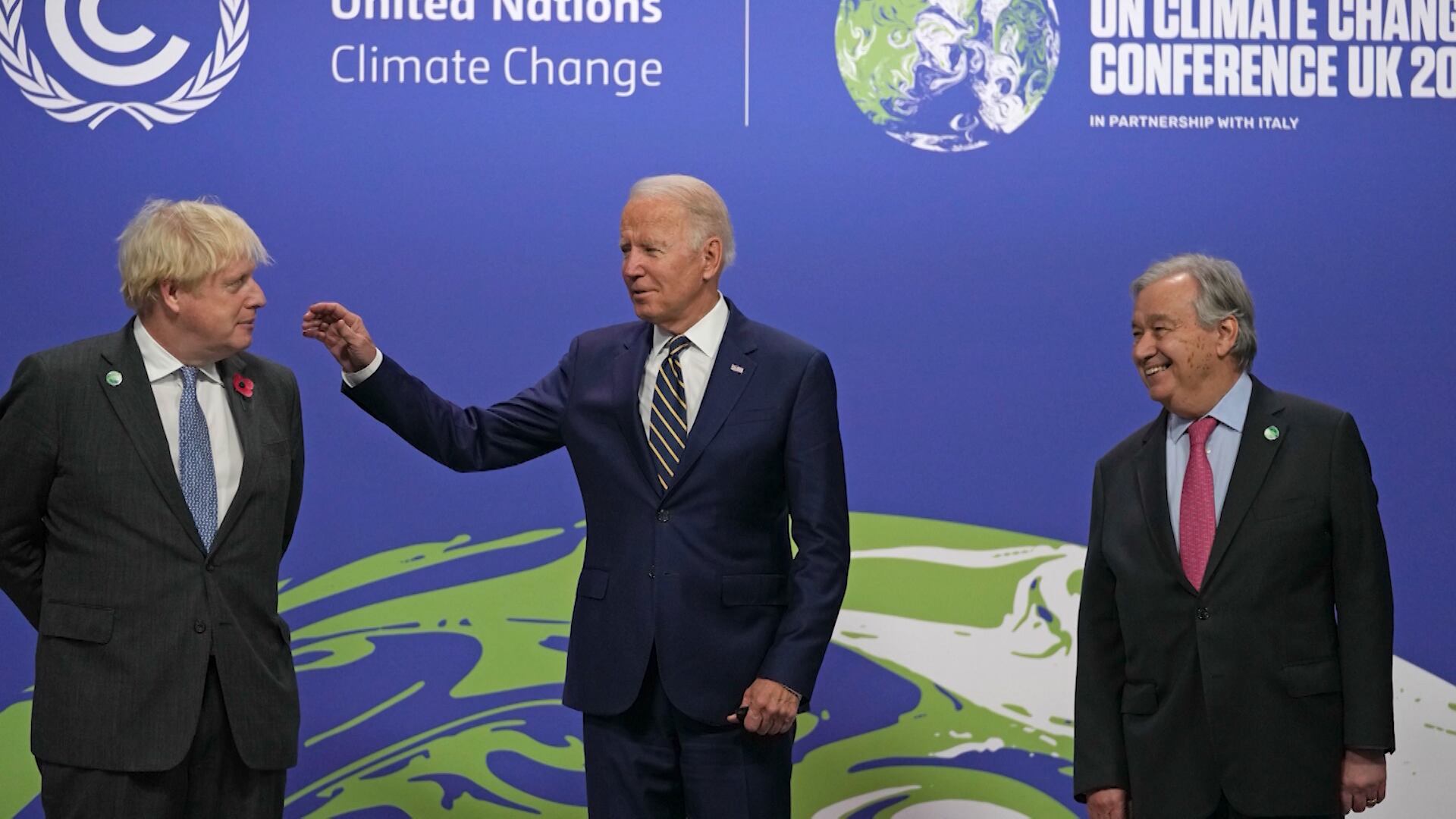
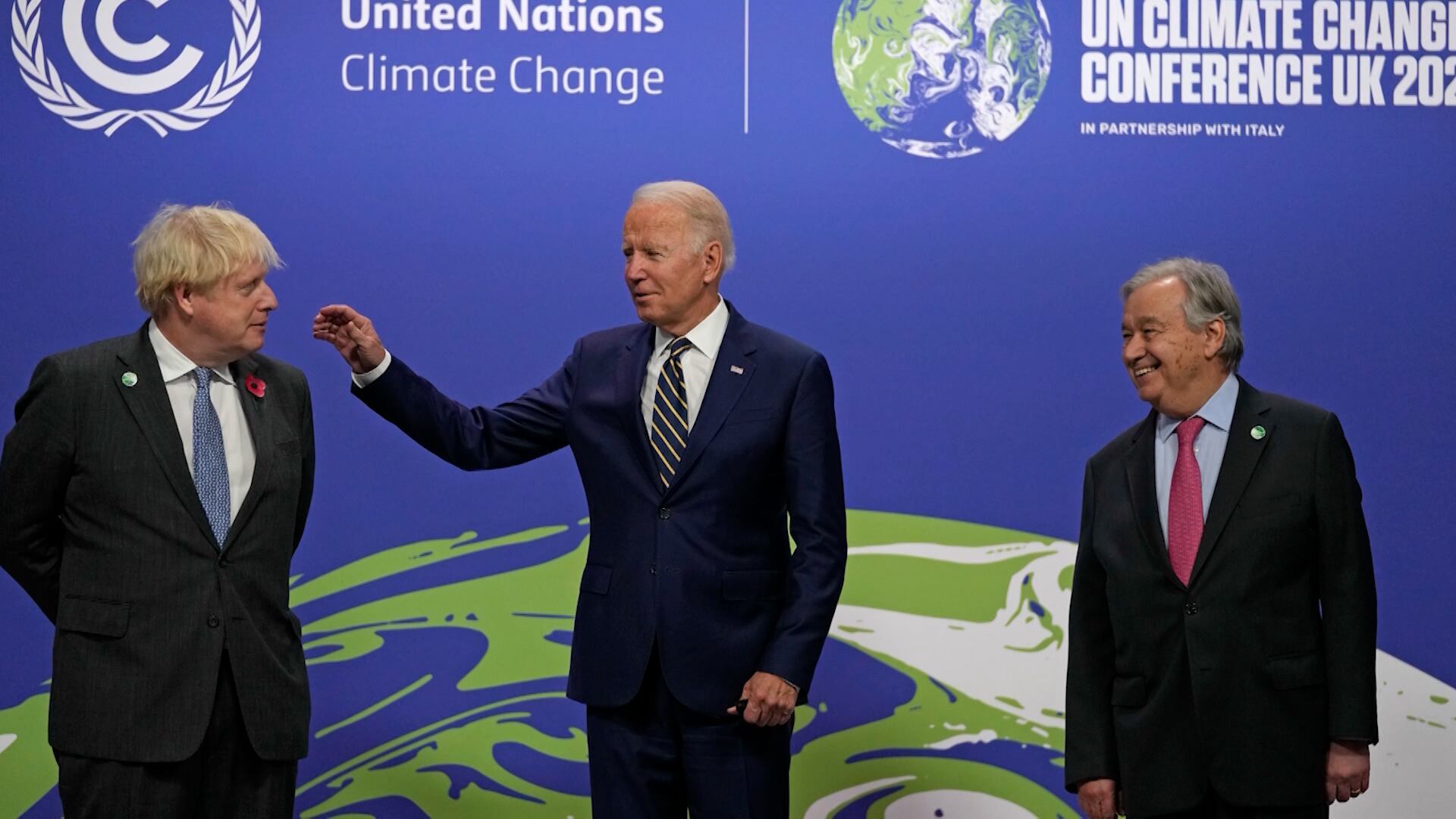
With COP26 kicking off, roughly 120 world leaders and delegates are in Glasgow, Scotland to hold climate talks this week. As experts continue to warn about the dangers of climate change, ESG investing is more important than ever.
Georges Archibald, Head of Apex Americas at Apex Group joined Cheddar's Opening Bell to discuss.
President Biden expected to unveil details on a Covid-19 vaccine mandate for businesses in coming days.
This comes just days after The White House issued separate vaccine mandates for federal contractors across the country. Mark Kluger, Founding Partner, employment law firm Kluger Healey joined Cheddar's Opening Bell to discuss.
Later today House Republicans will grill Snap, Tiktok and Youtube on how their products affect the mental health of teenagers. It comes after a report revealed that Facebook's photo sharing platform, Instagram, can be harmful to teen's mental health. Rishi Bharwani, Director of Partnerships and Policy, Accountable Tech joined Cheddar's Opening Bell to discuss.
As the White House and Congressional leaders work towards finalizing the legislative framework of the Build Back Better budget deal, paid family leave, one of the hallmarks of President Joe Biden's Social Safety Net agenda, still stands in flux. Molly Day, Executive Director, Paid Leave for the U.S. joined Cheddar's Opening Bell to discuss why the finalization of this bill is imperative.
Marjorie Mesidor, Esq., Partner, Phillips and Associates, PLLC and Dr. Anthony Santela, professor of health administration and university covid coordinator at the University of New Haven join J.D. Durkin and None Of The Above to talk about the expected fallout from New York City's vaccine mandate.
Leaders around the world have come together to discuss plans to bring action towards the Paris Agreement along with solutions on how to solve the evolving climate change crisis at the COP26 Summit. President and CEO of Center for International Environmental Law Carroll Muffett, joined Cheddar to discuss more.
Rachel Cleetus, the policy director and lead economist of the climate and energy program for the Union of Concerned Scientists, joined Cheddar to break down some of the key goals from the COP26 summit and why leaders must focus on the science of climate change instead of getting bogged down by petty politics and the fossil fuel industry. "The main thing they have to do, make sure we're cutting our emissions sharply within this decade because the science shows that we have to cut global emissions in half by 2030 if we're going to meet our goals of averting some of the most catastrophic impacts of climate change," she said.
Carlo and Baker cover the big races to watch on this off-cycle Election Day, the concrete pledges starting to come out of COP26, Jeffrey Epstein keeps causing CEOs to lose their jobs, and Ryan Murphy's TV hit that wasn't.
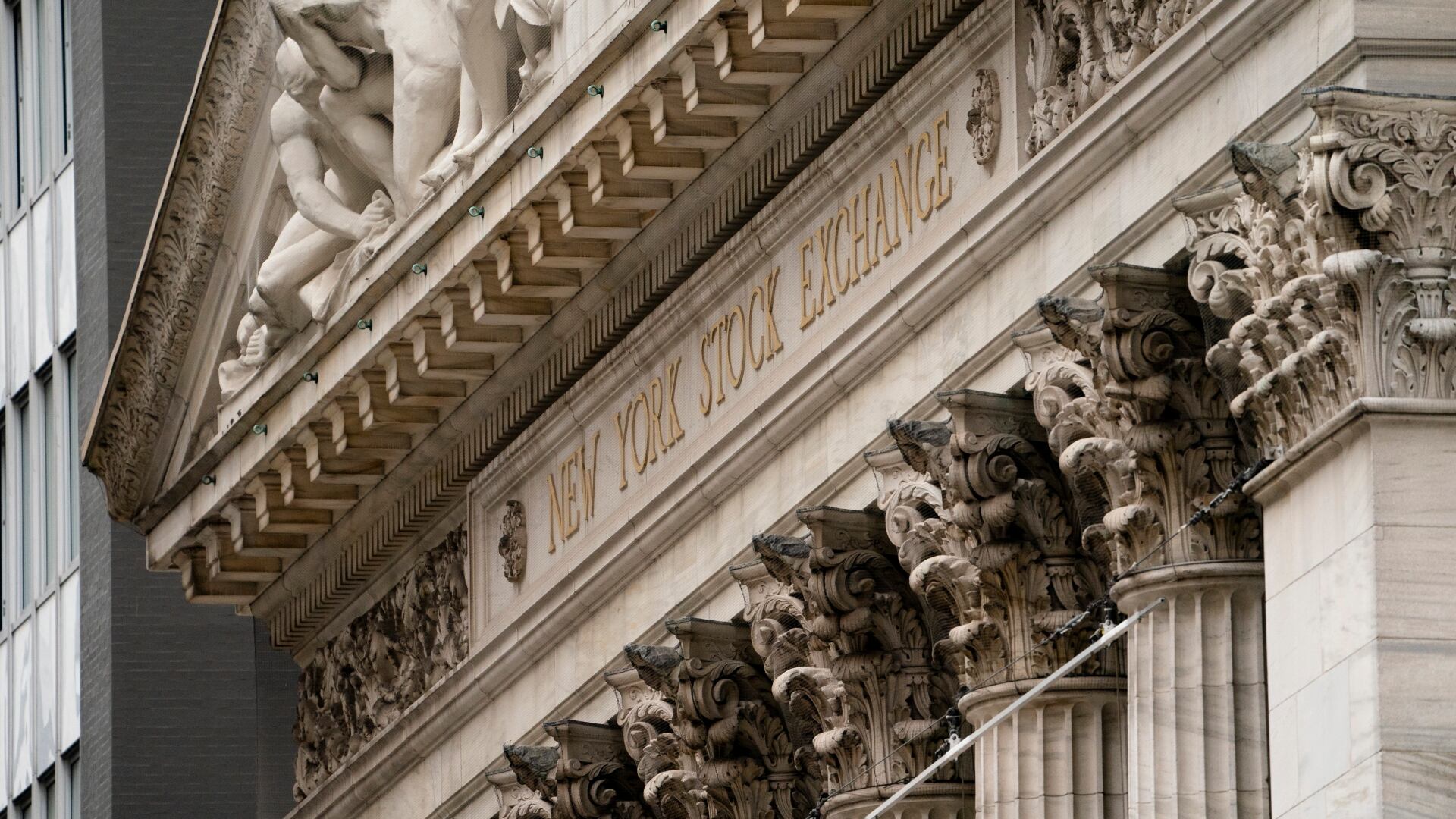
The Dow, S&P, and Nasdaq begin November by not only ending Monday's session higher but with a record close as well. Melissa Armo, Founder and Owner of The Stock Swoosh, has her eye on major economic storylines and joins Cheddar News' Closing Bell to discuss what role the news could play on Wall Street.
The UN climate change conference kicked off on Sunday with about 120 world leaders and delegates gathering in Glasgow, Scotland this week, as experts continue to warn about the harms of heightened emissions and the effects on climate change. The topic of ESG investing is expected to be a top priority at the summit. Jefferies global head of ESG and sustainability research Aniket Shah joined Cheddar News' Closing Bell to discuss.