As Arkansas emerges as one of the states with the highest per capita COVID-19 deaths, Governor Asa Hutchinson on Thursday defended his decision to keep much of the economy, including schools, open during the pandemic.
"It's all about maintaining a balance through the last year, and we never shut down our economy in Arkansas — [I] did not think that was the right decision," Hutchinson told Cheddar.
The University of Arkansas for Medical Sciences released a report on Tuesday that the state — with a total of 5,273 COVID deaths as of March 5 — has a higher per capita death rate than hard-hit states such as New York, Texas, Florida, and California
The governor, however, made the case that the state's higher death rate was not related to its pandemic response, but rather existing health indicators throughout the U.S. South.
"When you talk about the great tragedy of the death rates, that's sad," he said. "It's something that we want to avoid, but obviously when you look at the Southern states there's some health indicators that are not high on the scale, and I think history will look back and see exactly some of those reasons. But, I think we've maintained the balance through this here in Arkansas."
Hutchinson said he was aiming to end the state's mask mandate by March 31. At that point, the mandate would become guidance.
He noted that one criterion was the state reaching a positivity rate below 10 percent. The current rate is 2.9 percent.
The governor said private companies, however, will still have the right to mandate mask use, and that the state would incentivize them to follow the guidelines by offering liability protection.
"We also give them an incentive that if they follow guidelines, then they're going to have business liability immunity, so you can't be sued for somebody getting coronavirus if you're following the guidelines," he said.
Arkansas Near-Total Abortion Ban
Hutchinson also commented on his decision to sign a bill that represents a near-total ban on abortions in the state, including in cases of rape or incest, all but ensuring a challenge to Roe. v. Wade that could make its way to the U.S. Supreme Court.
While the governor had expressed support for those exceptions in the past, he said he signed the bill due to his overall pro-life stance and desire to bring a challenge in front of the conservative Court.
"This was designed to give a challenge to the Supreme Court and an option to reverse Roe versus Wade," he said. "Yes, I would have preferred to have the rape and incest exceptions in there. I think that would make it more amenable to the Supreme Court to review the case, because it has more popular acceptance, but in Arkansas, you can override the governor's veto by a simple majority vote."
The bill had overwhelming support in the state legislature, he added.
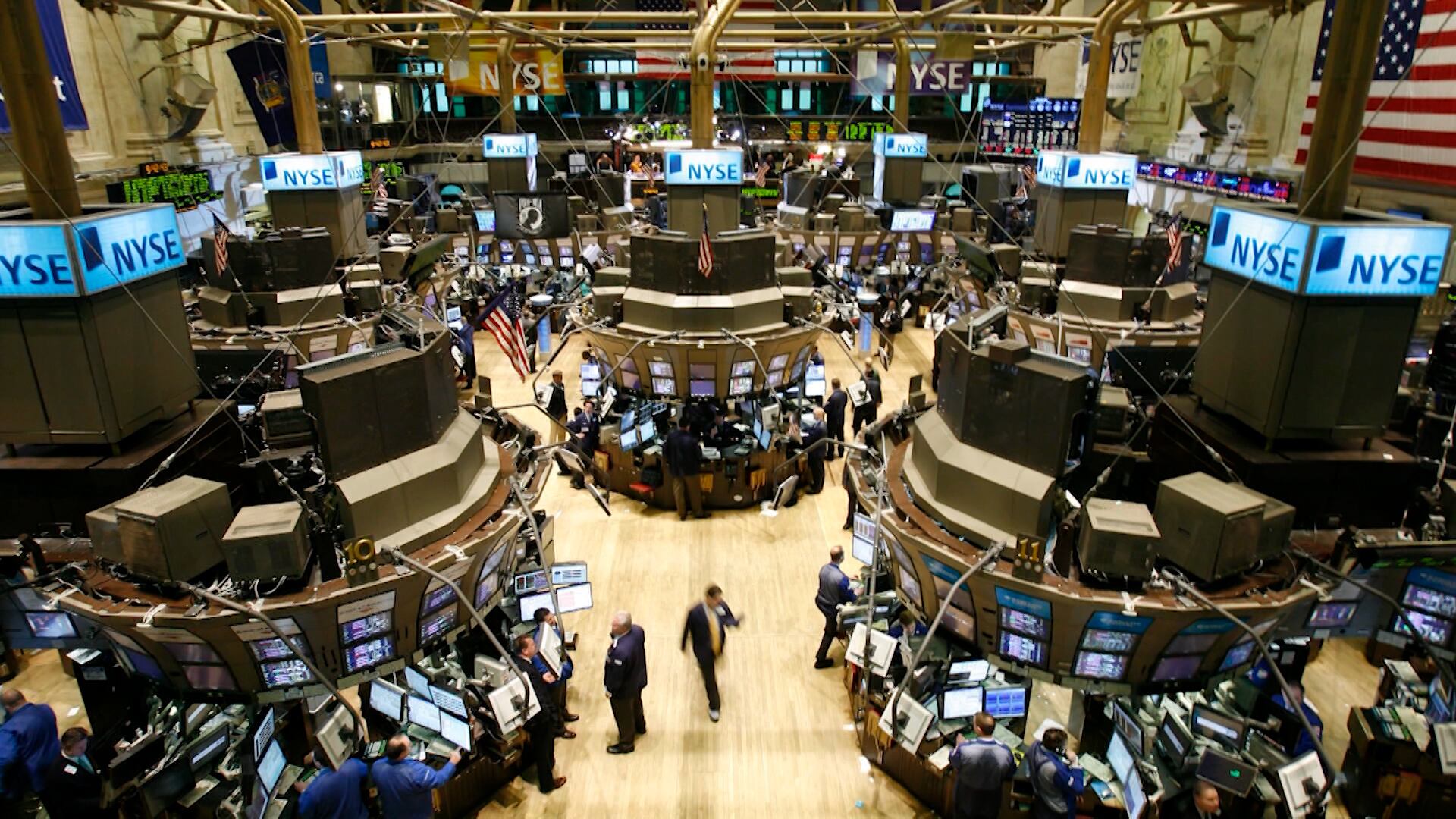
U.S. stocks closed Friday at session lows after May CPI data showed inflation in the U.S. has not peaked and is still rising rapidly. For the week, the S&P fell 5.06%, the Dow lost 4.58%, and the Nasdaq dropped 5.60%, marking the worst week since January for all three major indexes. Mike Zigmont, Head of Trading and Research at Harvest Volatility Management, joins Cheddar News' Closing Bell to discuss.
Benefits brokerage, Nava Benefits, raised $40 million in a Series B round. Nava says it's on a mission to fix healthcare, one benefits plan at a time. The startup is working to bring benefits to small business that are normally available to only Fortune 500 companies. Brandon Weber, Co-Founder and CEO of Nava Benefits, joined Cheddar News' Closing Bell to discuss.
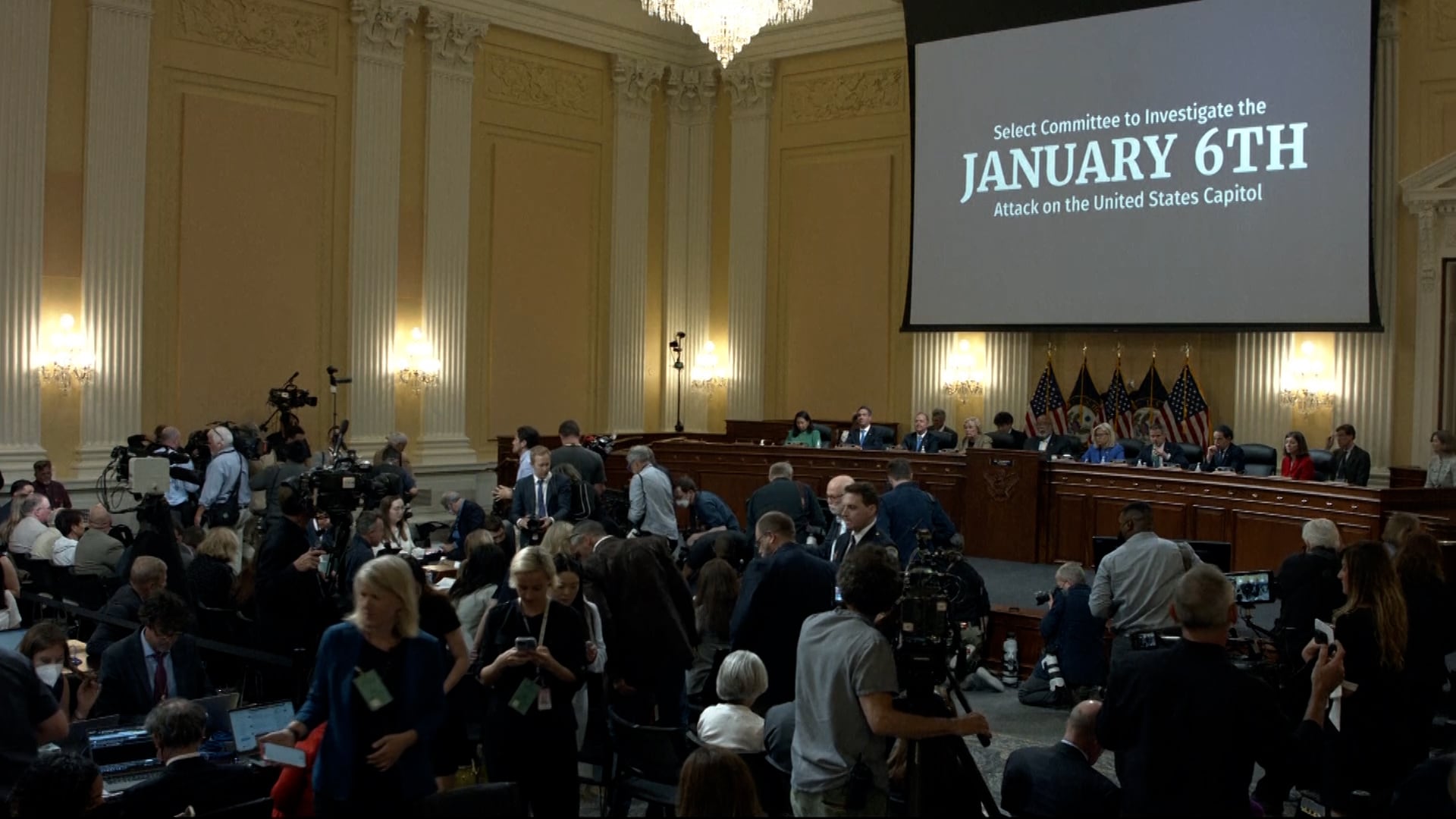
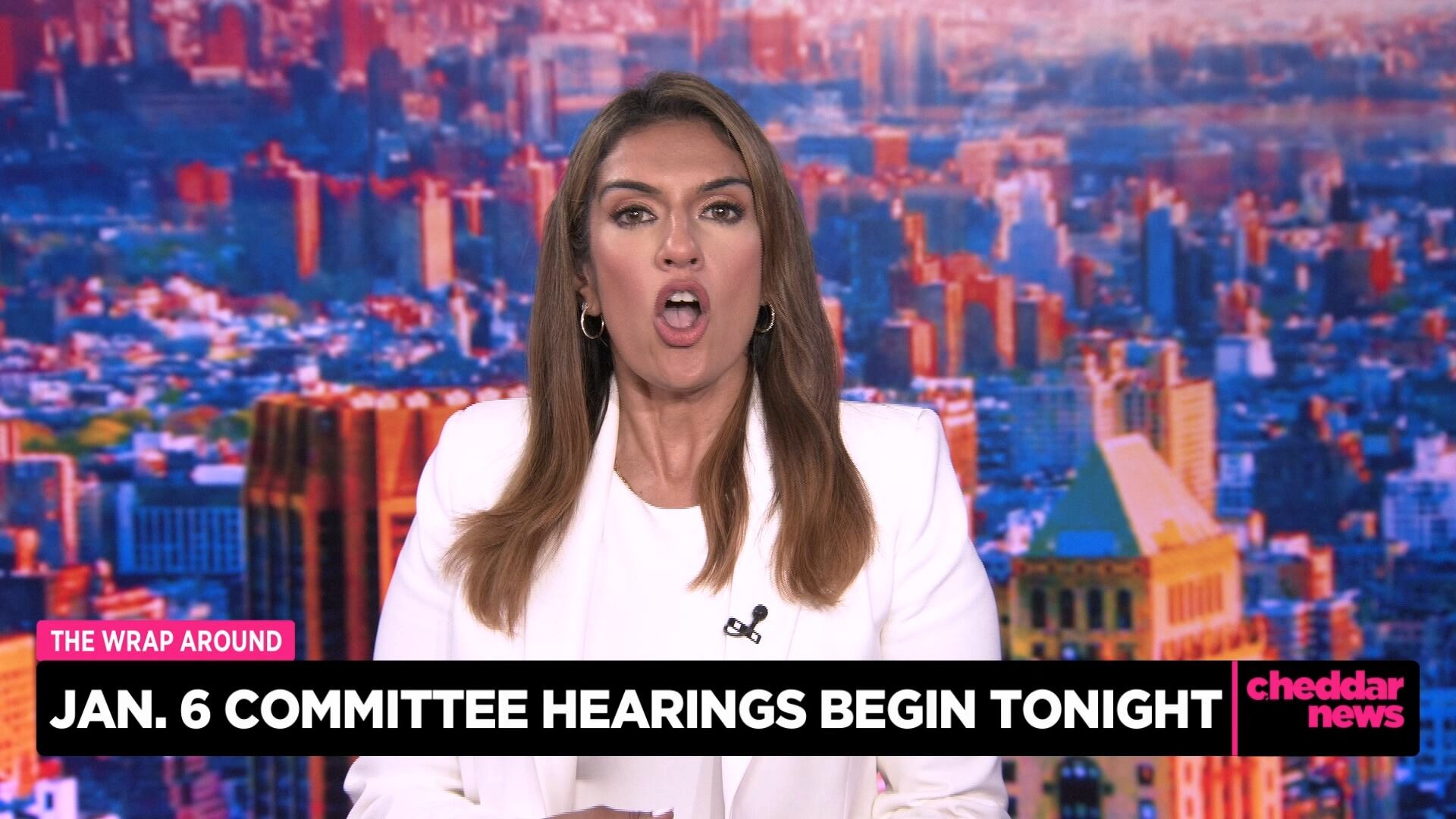
The House Select Committee investigating the Jan. 6 riots on Capitol Hill held its first primetime hearing on Thursday. Cheddar News speaks with legal analyst Tracy Pearson, who breaks down the biggest takeaways.
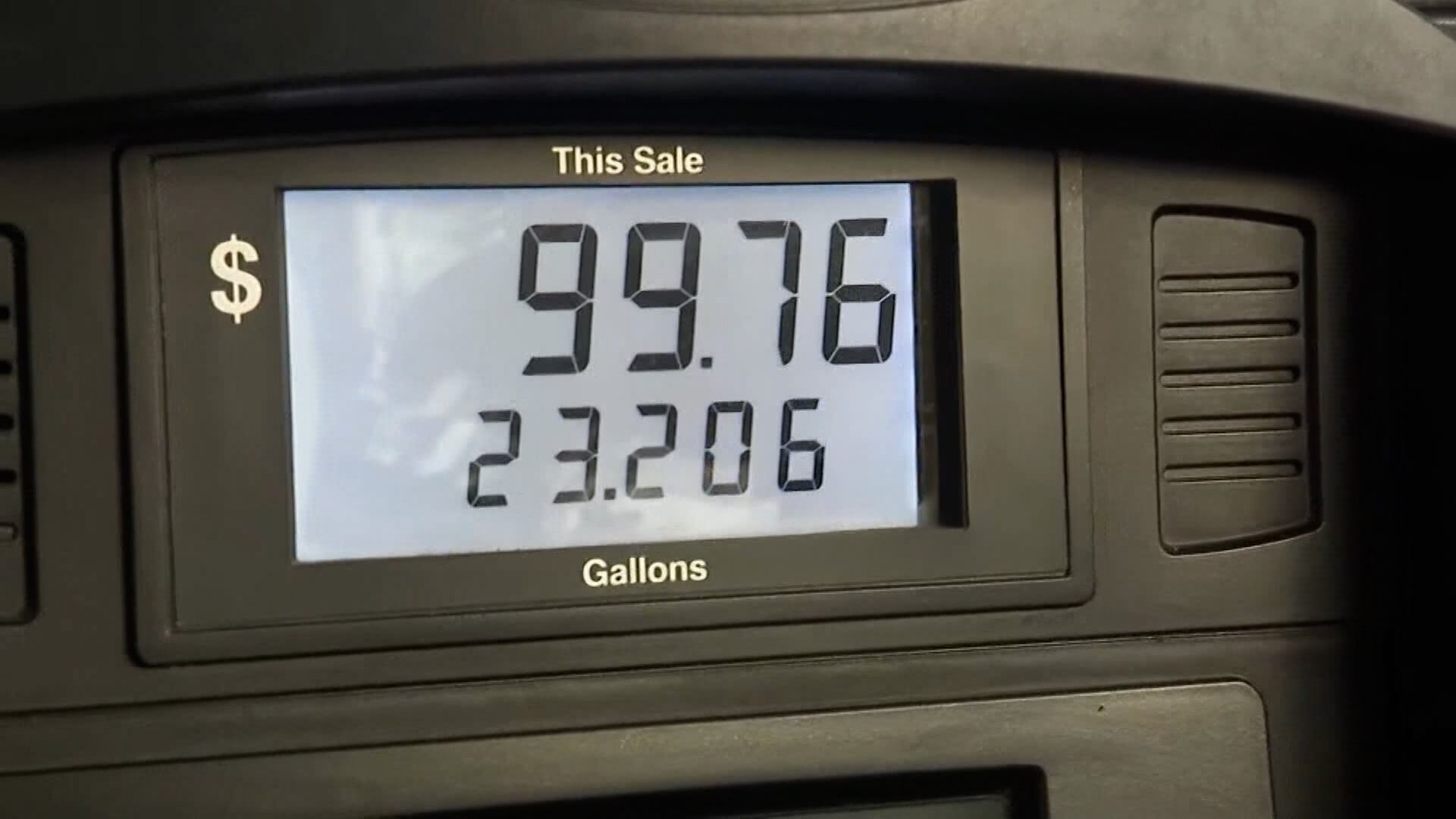
Fuel and oil prices have risen almost 17 percent since May, making the national gas prices reach nearly $5 a gallon. Andrew Lipow from consulting firm Lipow Oil Associates joined Cheddar News to discuss the future of gas prices. "The biggest issue on the oil market is really events that are beyond our control, which is what is happening over in Europe," he said, regarding the ongoing Russia Ukraine war. Lipow also said he predicted gas prices to hit $5.05 and that he's focused on the Biden administration's overtures in repairing a relationship with Saudi Arabia.
March For Our Lives will be returning this weekend to Washington, DC, in the wake of the recent mass shooting seen throughout the country. Marchers include Yolanda Renee King, the only granddaughter of Martin Luther King Jr. She joined Cheddar News to discuss the importance of the march and activism in general. "I just think that it's so important to have these rallies because we need to demand to our leaders and politicians that they pass legislation and that and we actually need to see action," she said.
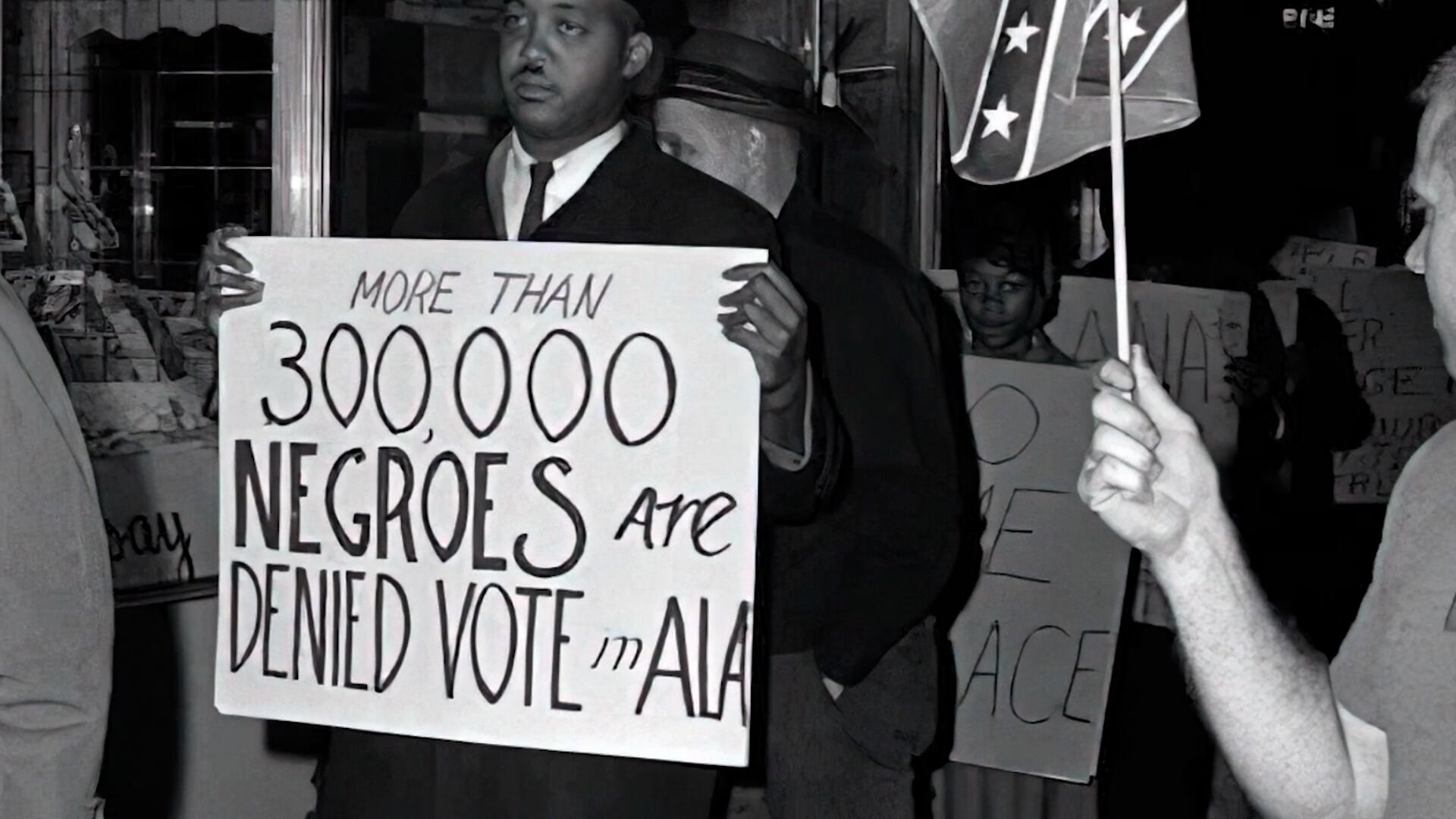
Erika Alexander and Whitney Dow, directors of 'The Big Payback,' join Cheddar News to discuss their new film, 'The Big Payback.' It premieres Saturday, June 11 at the Tribeca Festival.
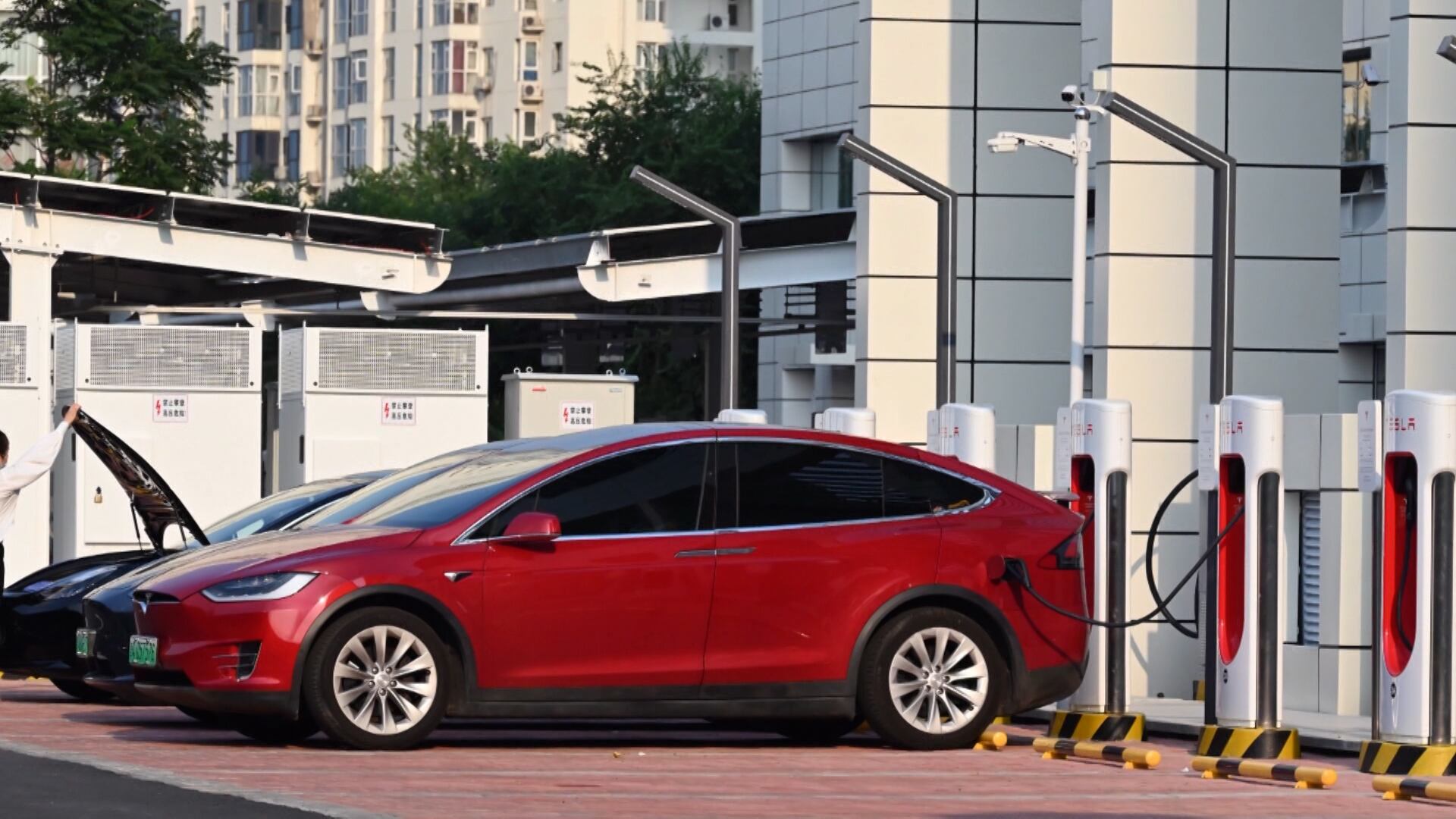
President Biden proposed a new rule that would add 500,000 chargers for electric vehicles nationwide. The proposal comes amid the rapid shift to EVs with dozens of automakers announcing plans for all-electric fleets within the next decade. But with the new surge will the U.S. have the proper infrastructure to keep up? Scott Painter, founder and CEO of Autonomy.com joined Cheddar's Opening Bell to discuss. "I really think the idea of standardization is a big deal. Standardization certainly makes it much better for everybody to be able to get a charge when they need one," he said.
The House select committee investigating the January 6th riots on Capitol Hill is opening its landmark series of public hearings. Cheddar News speaks with Mike Sozan, senior fellow at the Center for American Progress who explains how to follow the hearings and what to expect.