Arkansas is one of four states in the U.S. that has not passed any stay-at-home orders to combat coronavirus, and Governor Asa Hutchinson plans to keep it that way unless cases spike.
"That option is always on the table," Hutchinson told Cheddar. "If it does spike, if we stop beating the curve, then we will certainly move to more stringent measures."
In the meantime, Hutchinson has opted to shut down schools and select businesses and enforce social distancing guidelines. These measures stop short of the kind of comprehensive shutdowns that other states have employed to stop the spread of COVID-19. The governor has even forbidden cities and municipalities from imposing lockdown orders.
Hutchinson is one of eight governors who have held off on issuing statewide stay-at-home orders, although half of those states have ordered residents in some specific areas to stay in place. He called this approach a "better balance" of safety and economic concerns, while critics have called it irresponsible and potentially dangerous.
"If we went to a shelter-at-home order, then still, because every state exempts essential services, 700,000 Arkansans would still go to work tomorrow, but you'd put 100,000 people out of work," he said.
There have been more than 1,100 coronavirus cases and 21 deaths in Arkansas. This places it in the middle of the pack in terms of the impact of COVID-19, but it also discovered its first case much later (March 11) than the states now approaching their apex.
Whether this more targeted approach will be as effective remains to be seen, but Hutchinson is banking on Arkansans strictly following social distancing guidelines in order to avoid an economic shutdown.
"It's almost an incentive to Arkansans that if you keep social distancing, if you keep reducing the spread, then we're not going to have to be able to shut every business down," he said. "That incentive is working. If it doesn't, we'll put in additional measures."
Hutchinson claims that his state's approach to fighting the outbreak has gotten the tacit approval of White House Coronavirus Task Force member Dr. Anthony Fauci, who has nonetheless said multiple times that every state should issue stay-at-home orders to be safe.
"I spoke with Dr. Fauci this morning and reviewed what we're doing," he said. "He's very pleased with the success that we've had. Our measures have been more effective than some other states that have gone to a stay-at-home order."
Of course Arkansas, like many states facing this rapidly developing pandemic, could find itself in a different situation in the weeks to come.
For now, the governor is urging those celebrating Easter this Sunday to meet remotely or observe strict social distancing. The state has not officially banned religious gatherings.
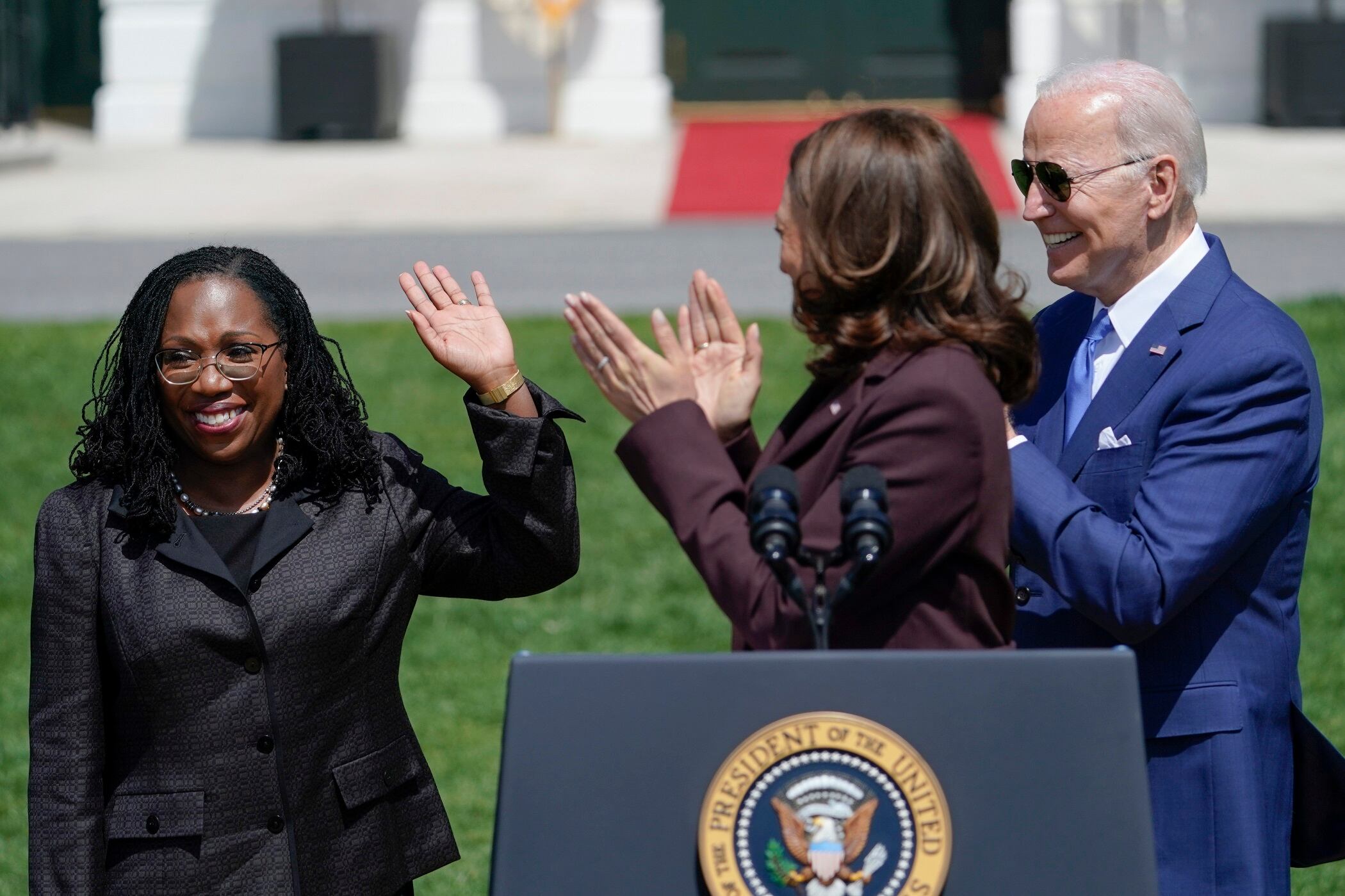
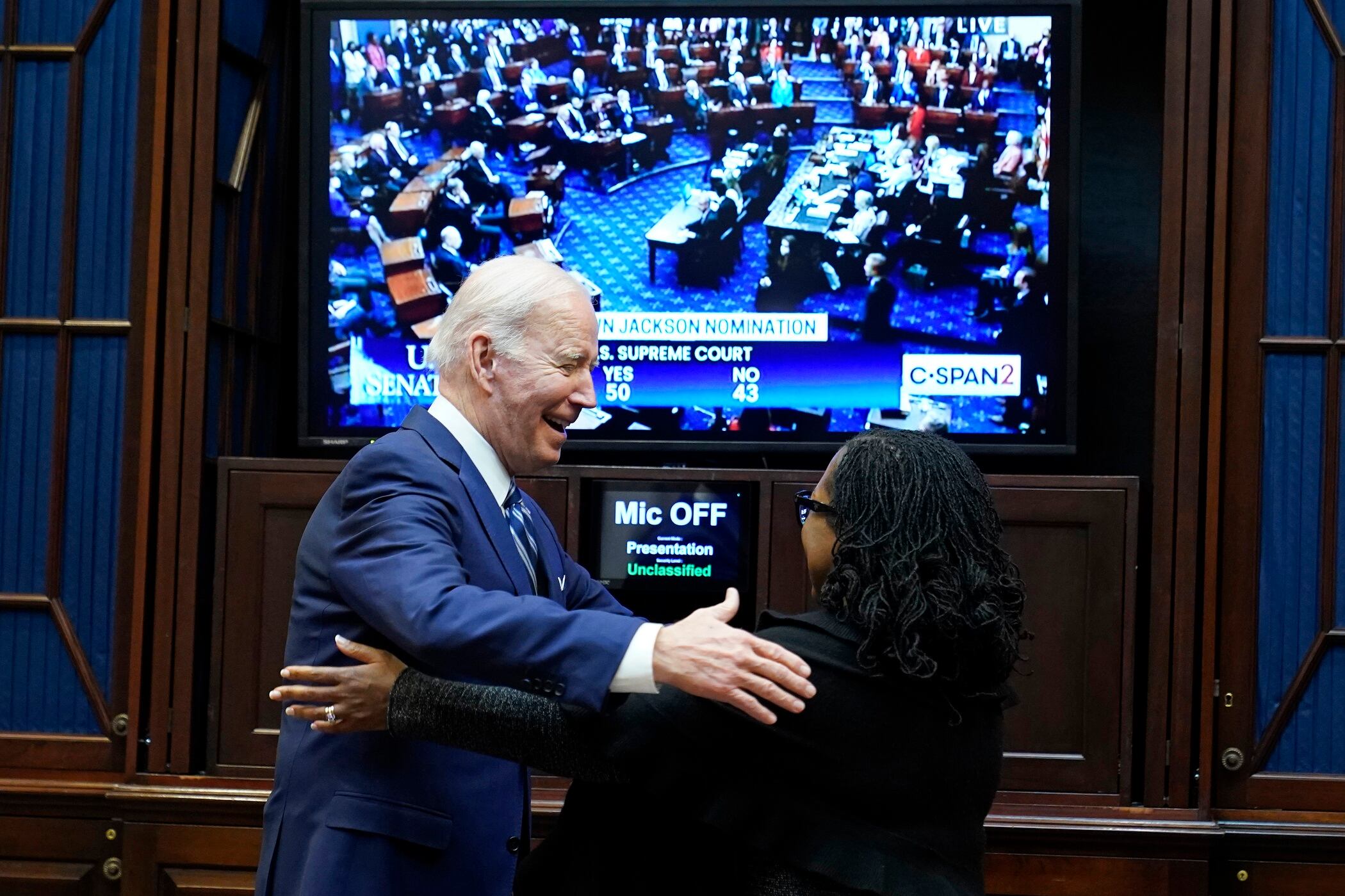
Tearfully embracing a history-making moment, Judge Ketanji Brown Jackson said Friday her confirmation as the first Black woman to the Supreme Court showed the progress of America.
Krutika Amin, associate director at the Kaiser Family Foundation for the Program on the Affordable Care Act, joins Cheddar Politics to discuss the Biden administration's plan to fix the so-called 'family glitch' in the Affordable Care Act preventing millions of Americans from accessing government-subsidized health plan.
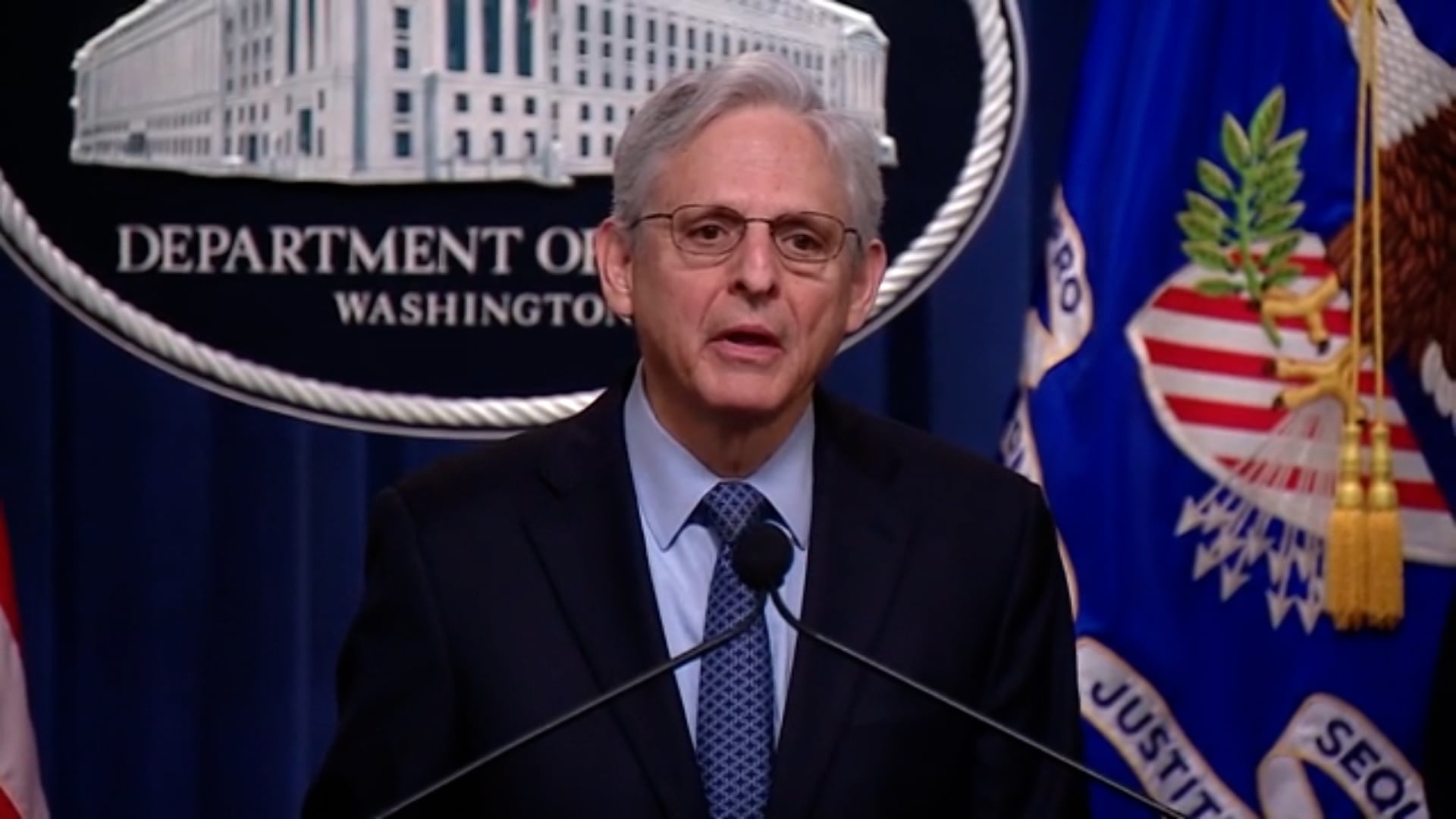
Abdallah Fayyad, opinion writer at the Boston Globe, joins Cheddar Politics to discuss the House's vote to hold former Trump aides Dan Scavino and Peter Navarro in contempt of Congress and send the recommendation to the Department of Justice. Fayyad also weighs in on the pressure facing Attorney General Merrick Garland to be more aggressive in prosecuting the January 6 case.
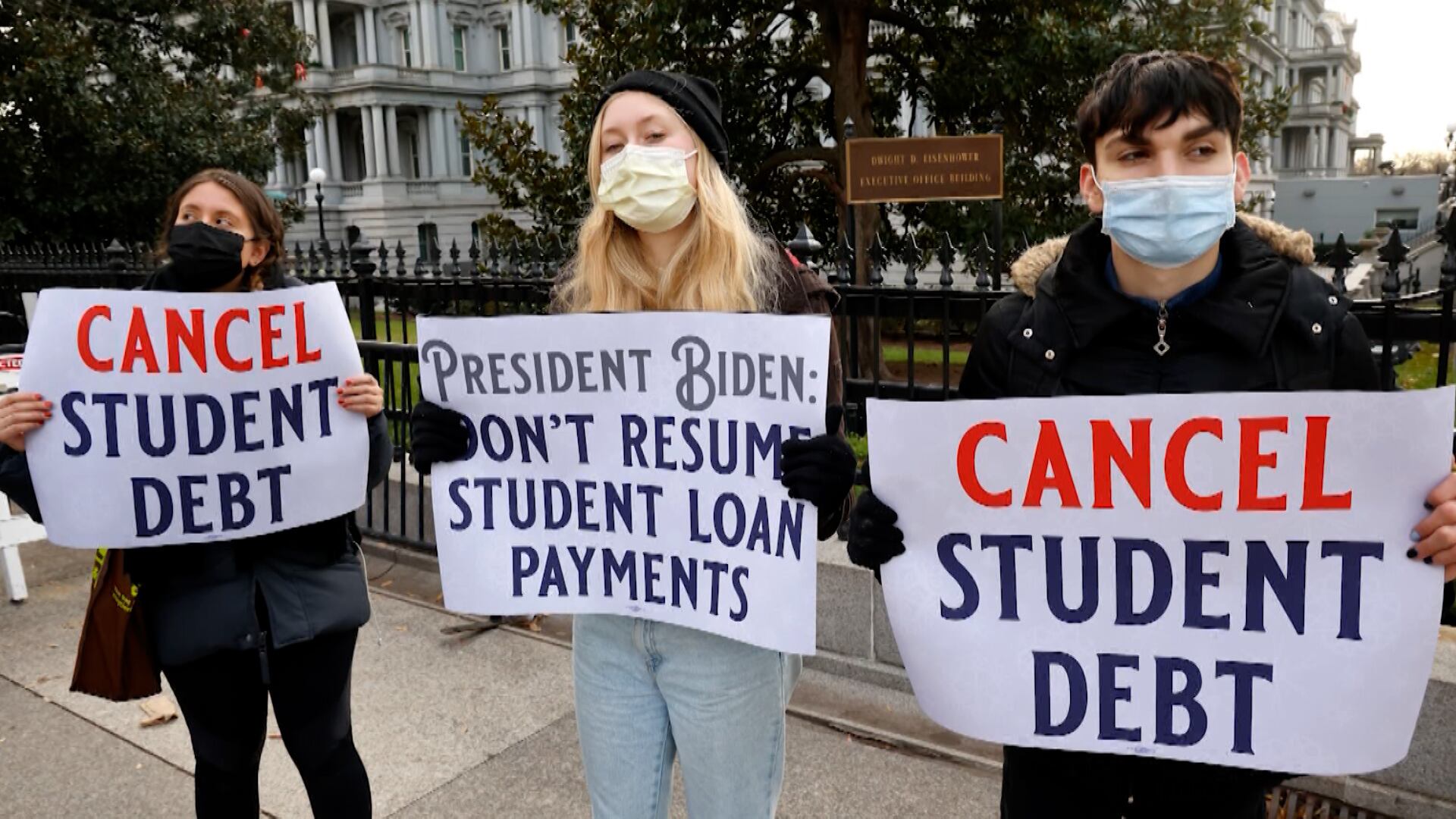
Those paying back federal student loans are getting a few extra months of relief. President Biden just announced another extension of the pandemic relief program allowing millions of borrowers to freeze their student loan payments. The pause began in March 2020 and it has been extended six times. Tomas Campos, co-founder and CEO of Spinwheel, joins Cheddar News to discuss.
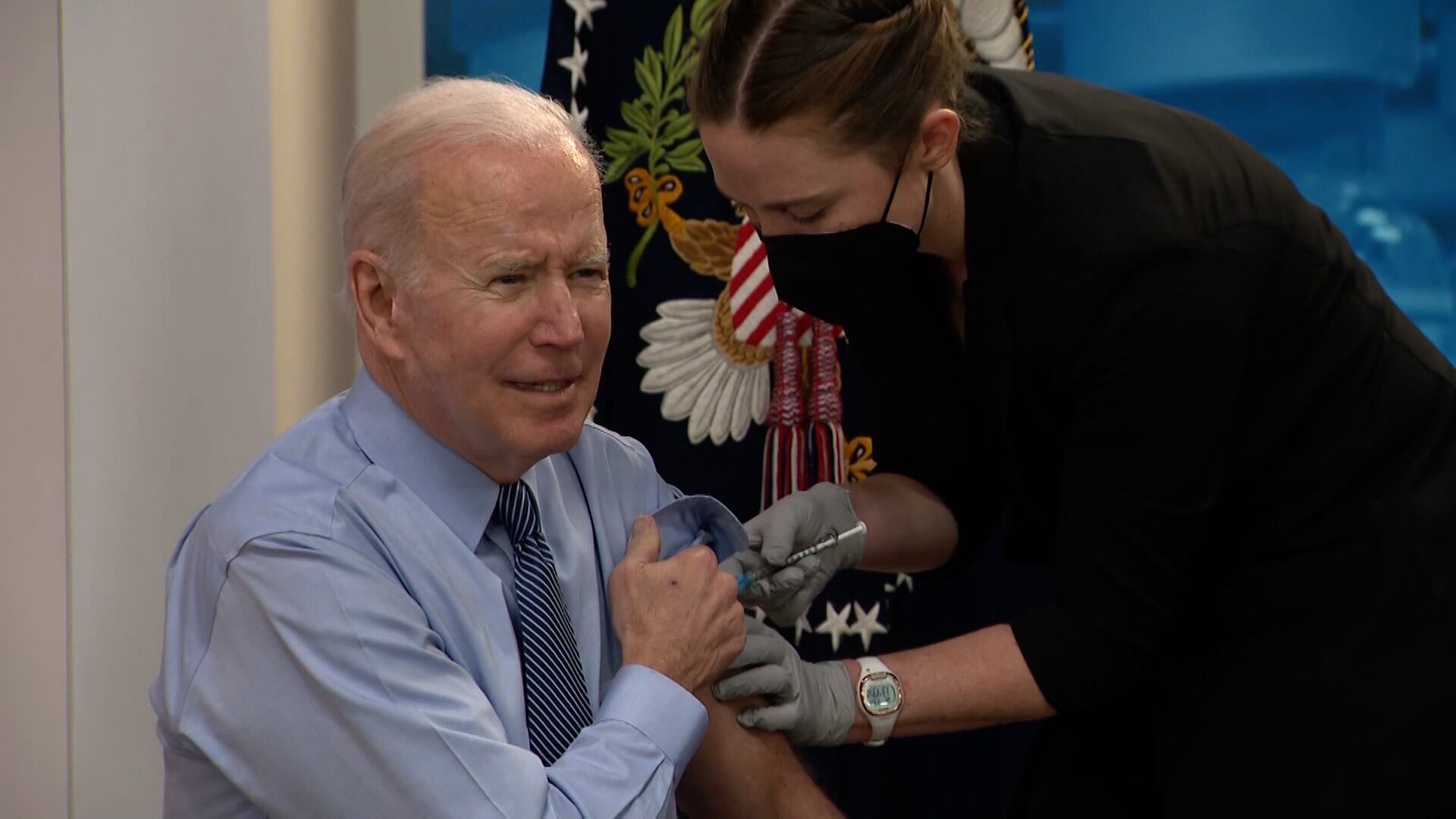
There has been notable disagreement in the medical community about a fourth COVID-19 vaccine dose. The FDA last week authorized a second booster dose for older and immunocompromised individuals, as some agency officials did not support the idea. The FDA made the decision without meeting with its advisory committee, as it had ahead of its recommendations on the previous COVID-19 vaccine doses.
The CDC followed in the footsteps of the FDA and authorized a fourth dose as well. Reports say the agency also did not discuss the move with its own advisory team of vaccine experts. Now, a growing number of doctors are speaking out against the decisions - leaving people confused about whether they should get another vaccine dose. Dr. Julie Morita, a member of the CDC's advisory committee to the director, and the executive vice president of the Robert Wood Johnson Foundation, joins Cheddar News' Closing Bell to discuss.
The Senate has confirmed Ketanji Brown Jackson to the Supreme Court, shattering a historic barrier by securing her place as the first Black female justice and giving President Joe Biden a bipartisan endorsement for his effort to diversify the court
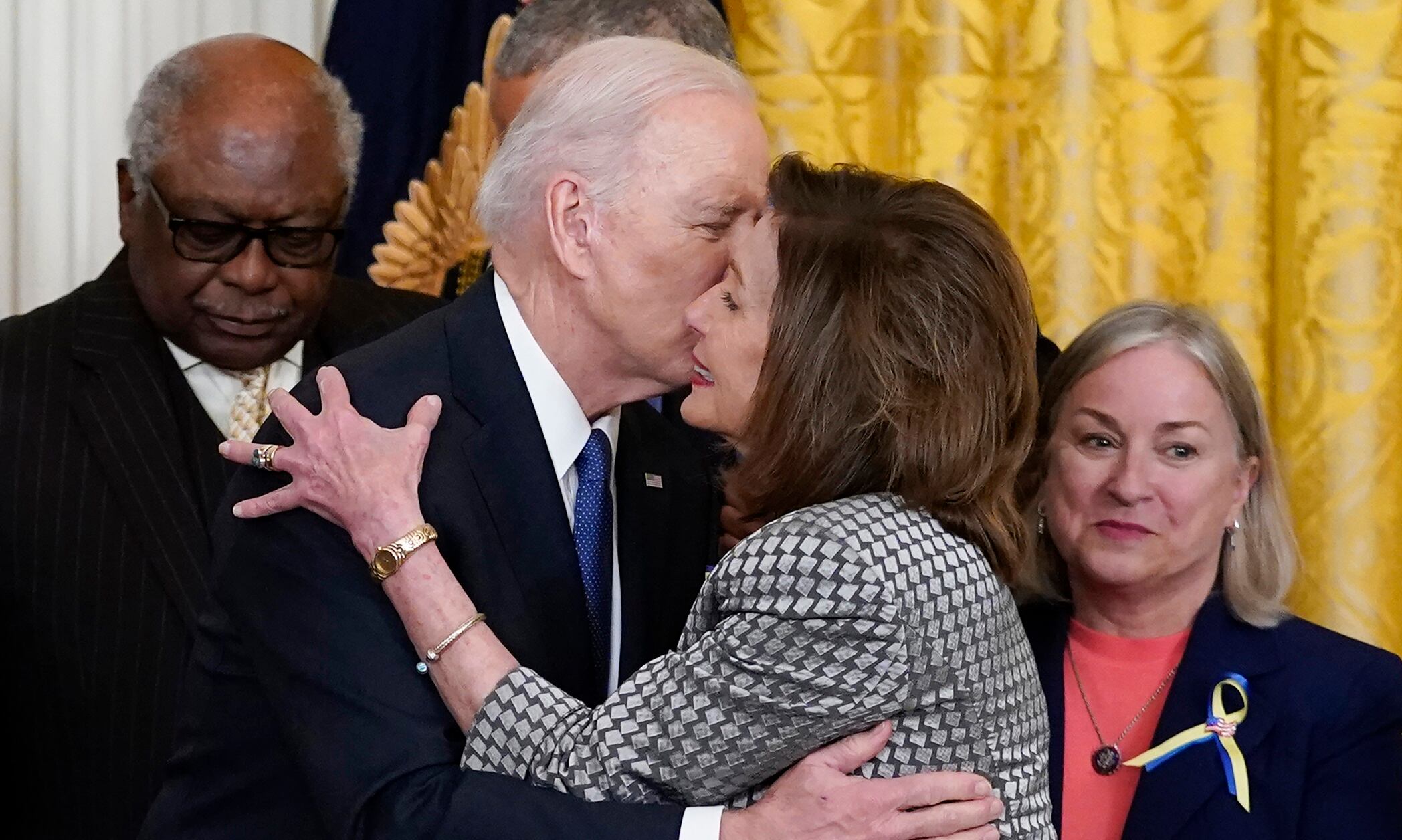
House Speaker Nancy Pelosi has tested positive for COVID-19, her spokesman says. That's a day after the 82-year-old Democratic leader appeared unmasked at a White House event with President Joe Biden.