Arkansas is one of four states in the U.S. that has not passed any stay-at-home orders to combat coronavirus, and Governor Asa Hutchinson plans to keep it that way unless cases spike.
"That option is always on the table," Hutchinson told Cheddar. "If it does spike, if we stop beating the curve, then we will certainly move to more stringent measures."
In the meantime, Hutchinson has opted to shut down schools and select businesses and enforce social distancing guidelines. These measures stop short of the kind of comprehensive shutdowns that other states have employed to stop the spread of COVID-19. The governor has even forbidden cities and municipalities from imposing lockdown orders.
Hutchinson is one of eight governors who have held off on issuing statewide stay-at-home orders, although half of those states have ordered residents in some specific areas to stay in place. He called this approach a "better balance" of safety and economic concerns, while critics have called it irresponsible and potentially dangerous.
"If we went to a shelter-at-home order, then still, because every state exempts essential services, 700,000 Arkansans would still go to work tomorrow, but you'd put 100,000 people out of work," he said.
There have been more than 1,100 coronavirus cases and 21 deaths in Arkansas. This places it in the middle of the pack in terms of the impact of COVID-19, but it also discovered its first case much later (March 11) than the states now approaching their apex.
Whether this more targeted approach will be as effective remains to be seen, but Hutchinson is banking on Arkansans strictly following social distancing guidelines in order to avoid an economic shutdown.
"It's almost an incentive to Arkansans that if you keep social distancing, if you keep reducing the spread, then we're not going to have to be able to shut every business down," he said. "That incentive is working. If it doesn't, we'll put in additional measures."
Hutchinson claims that his state's approach to fighting the outbreak has gotten the tacit approval of White House Coronavirus Task Force member Dr. Anthony Fauci, who has nonetheless said multiple times that every state should issue stay-at-home orders to be safe.
"I spoke with Dr. Fauci this morning and reviewed what we're doing," he said. "He's very pleased with the success that we've had. Our measures have been more effective than some other states that have gone to a stay-at-home order."
Of course Arkansas, like many states facing this rapidly developing pandemic, could find itself in a different situation in the weeks to come.
For now, the governor is urging those celebrating Easter this Sunday to meet remotely or observe strict social distancing. The state has not officially banned religious gatherings.
Jill is joined by “Friend of the Pod” Mosheh Oinounou to talk booster shots, and whether “fully vaccinated” will eventually mean three shots, not two. Plus, the latest on the Kyle Rittenhouse trial. And the research is in: we know now the perfect way to hug. Also, Jill and Mosheh debate whether Airpods are passé.
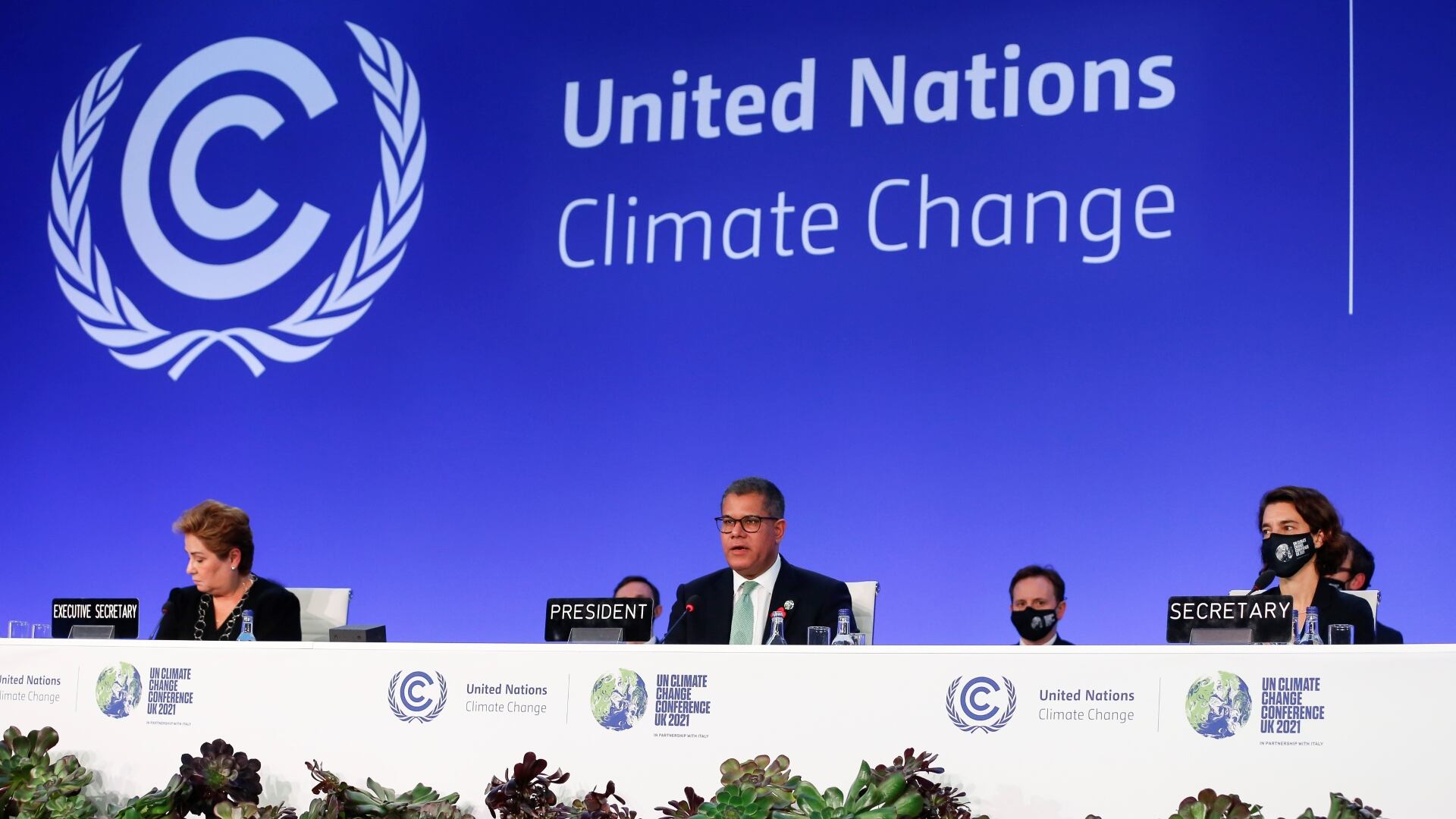
A deal was reached as the COP26 Summit in Glasgow came to a close. Dr. Katharine Hayhoe, Chief Scientist at the Nature Conservancy and Author of 'Saving Us: A Climate Scientist's Case for Hope and Healing in a Divided World,' joined Cheddar News' Closing Bell to discuss the deal.
As we move into the colder months in the U.S., health experts are warning of a more active flu season than last year, sounding the alarm on what many are calling a 'twindemic.' Dr. Syra Madad, infectious disease epidemiologist, joined Cheddar's 'Search for the Cure' to discuss the intersection of the flu season with the Covid-19 pandemic.
Schools across the country could expect to see billions of dollars towards providing a more accessible Universal Pre-K program. Steven Barnett, Board of Governors Professor and Director of the National Institute for Early Education Research at Rutgers University, joined Cheddar News to discuss more.
The Fifth Circuit Court of Appeals court temporarily held up President Biden's vaccine mandate for workplaces with more than 100 employees as the various lawsuits challenging it are combined. Marjorie Mesidor, a partner at the law firm Phillips & Associates, PLLC, joined Cheddar to break down the arguments in play. "They [the Biden Administration] say we have the authority to do this under the broad powers that are given under OSHA," she said. "What the Republic side then is saying, no, this is overbroad."
The UN climate summit wrapped up over the weekend after days of negotiations over the summit's final agreement. The agreement pushes countries to reassess their climate goals by the end of next year, do more for countries facing the worst effects of climate change, and also calls for a "phase down" of coal and other fossil fuel subsidies. The White House praised the agreement, but underscored the feelings of many world leaders by saying it isn't enough.
Deborah Brosnan, climate expert and president of Deborah Brosnan and Associates, joined Cheddar's News Wrap to discuss.
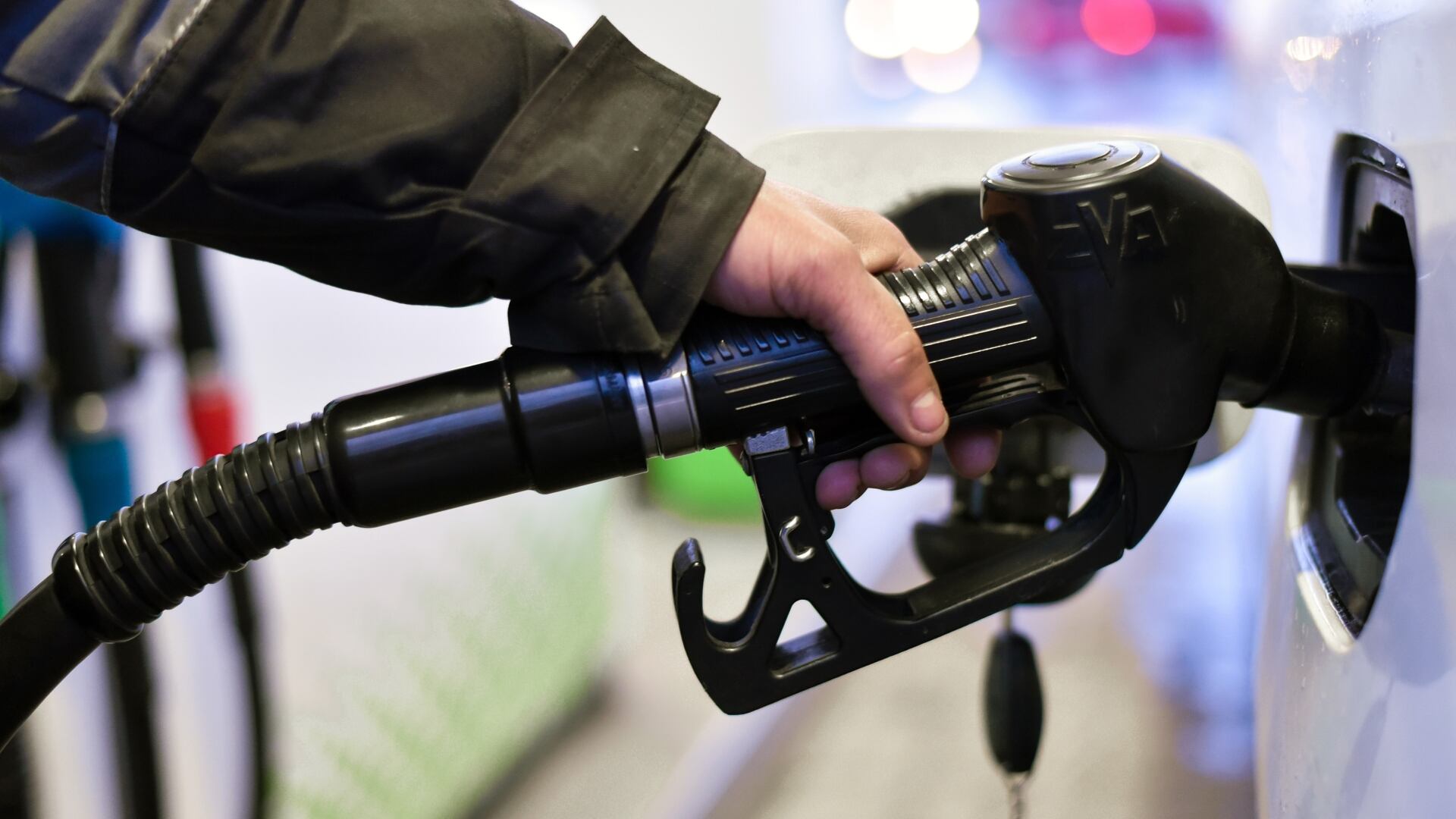
President Biden is under some pressure from members of his own party over rising gas prices. Senate Majority Leader Chuck Schumer has called for the president to utilize oil reserves to lower gas prices ahead of the holiday season, as gas prices are currently at a seven-year high. Energy Workforce & Technology Council CEO Leslie Beyer joins Cheddar News' Closing Bell to discuss.
The men's brand Harry's is teaming up with Stop Soldier Suicide and Headstrong to help provide mental health support with a $500,000 financial commitment. The withdrawal of troops from Afghanistan triggered a range of mental health responses from veterans and active service members, as well as displaced refugees who are now acclimating to a new way of life. Maggie Hureau, Harry's head of social impact, joined Cheddar News to talk about the partnership and why Harry's chose to get involved in mental health care.
Inflation has risen to its highest level in 31 years, sending consumer prices on everything from groceries to gas to rent surging. For many businesses, that's good news as inflation typically means better profit margins. According to data from FactSet, nearly two out of three of the biggest U.S. publicly traded companies have reported fatter profit margins so far this year compared to the same stretch of 2019, before the pandemic. Gregory Daco, chief U.S. economist for Oxford Economics, breaks down how the top businesses are reaping the benefits of inflation, and when consumers can expect inflation to ease.