Arkansas is one of four states in the U.S. that has not passed any stay-at-home orders to combat coronavirus, and Governor Asa Hutchinson plans to keep it that way unless cases spike.
"That option is always on the table," Hutchinson told Cheddar. "If it does spike, if we stop beating the curve, then we will certainly move to more stringent measures."
In the meantime, Hutchinson has opted to shut down schools and select businesses and enforce social distancing guidelines. These measures stop short of the kind of comprehensive shutdowns that other states have employed to stop the spread of COVID-19. The governor has even forbidden cities and municipalities from imposing lockdown orders.
Hutchinson is one of eight governors who have held off on issuing statewide stay-at-home orders, although half of those states have ordered residents in some specific areas to stay in place. He called this approach a "better balance" of safety and economic concerns, while critics have called it irresponsible and potentially dangerous.
"If we went to a shelter-at-home order, then still, because every state exempts essential services, 700,000 Arkansans would still go to work tomorrow, but you'd put 100,000 people out of work," he said.
There have been more than 1,100 coronavirus cases and 21 deaths in Arkansas. This places it in the middle of the pack in terms of the impact of COVID-19, but it also discovered its first case much later (March 11) than the states now approaching their apex.
Whether this more targeted approach will be as effective remains to be seen, but Hutchinson is banking on Arkansans strictly following social distancing guidelines in order to avoid an economic shutdown.
"It's almost an incentive to Arkansans that if you keep social distancing, if you keep reducing the spread, then we're not going to have to be able to shut every business down," he said. "That incentive is working. If it doesn't, we'll put in additional measures."
Hutchinson claims that his state's approach to fighting the outbreak has gotten the tacit approval of White House Coronavirus Task Force member Dr. Anthony Fauci, who has nonetheless said multiple times that every state should issue stay-at-home orders to be safe.
"I spoke with Dr. Fauci this morning and reviewed what we're doing," he said. "He's very pleased with the success that we've had. Our measures have been more effective than some other states that have gone to a stay-at-home order."
Of course Arkansas, like many states facing this rapidly developing pandemic, could find itself in a different situation in the weeks to come.
For now, the governor is urging those celebrating Easter this Sunday to meet remotely or observe strict social distancing. The state has not officially banned religious gatherings.
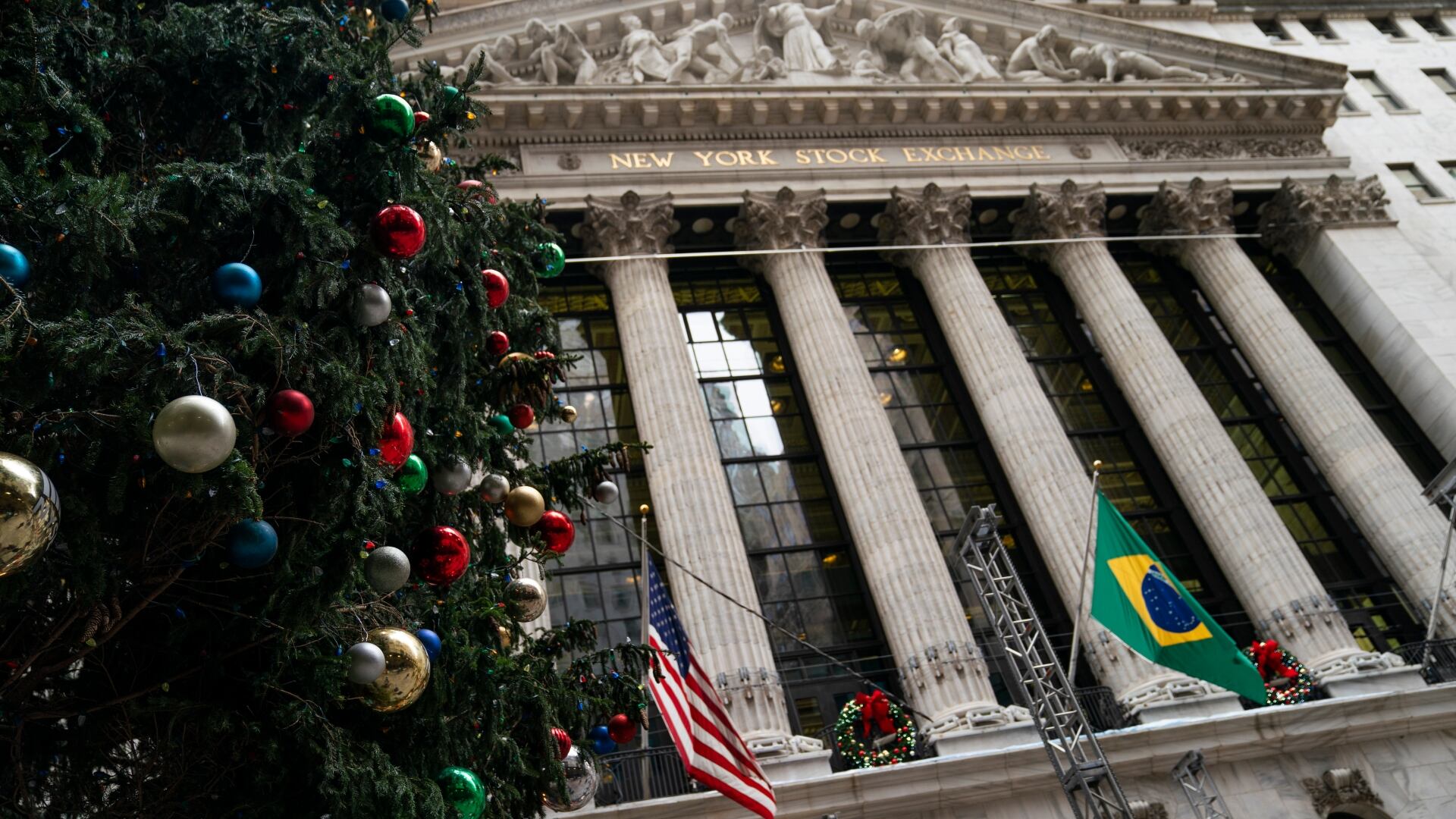
2021 saw markets continue to be impacted by the onslaught of the coronavirus pandemic -most recently in the form of the Omicron variant- in addition to the global supply chain shortage, and increased inflation. But it wasn't all bad news, as crypto soared throughout the year, and meme stocks continued to have a moment. With the year coming to a close, investors are keeping an eye out to see if they should expect more of the same in the new year. Chris Vecchio, Senior Analyst, at DailyFX tells us what market trends to be on the watch for in 2022.
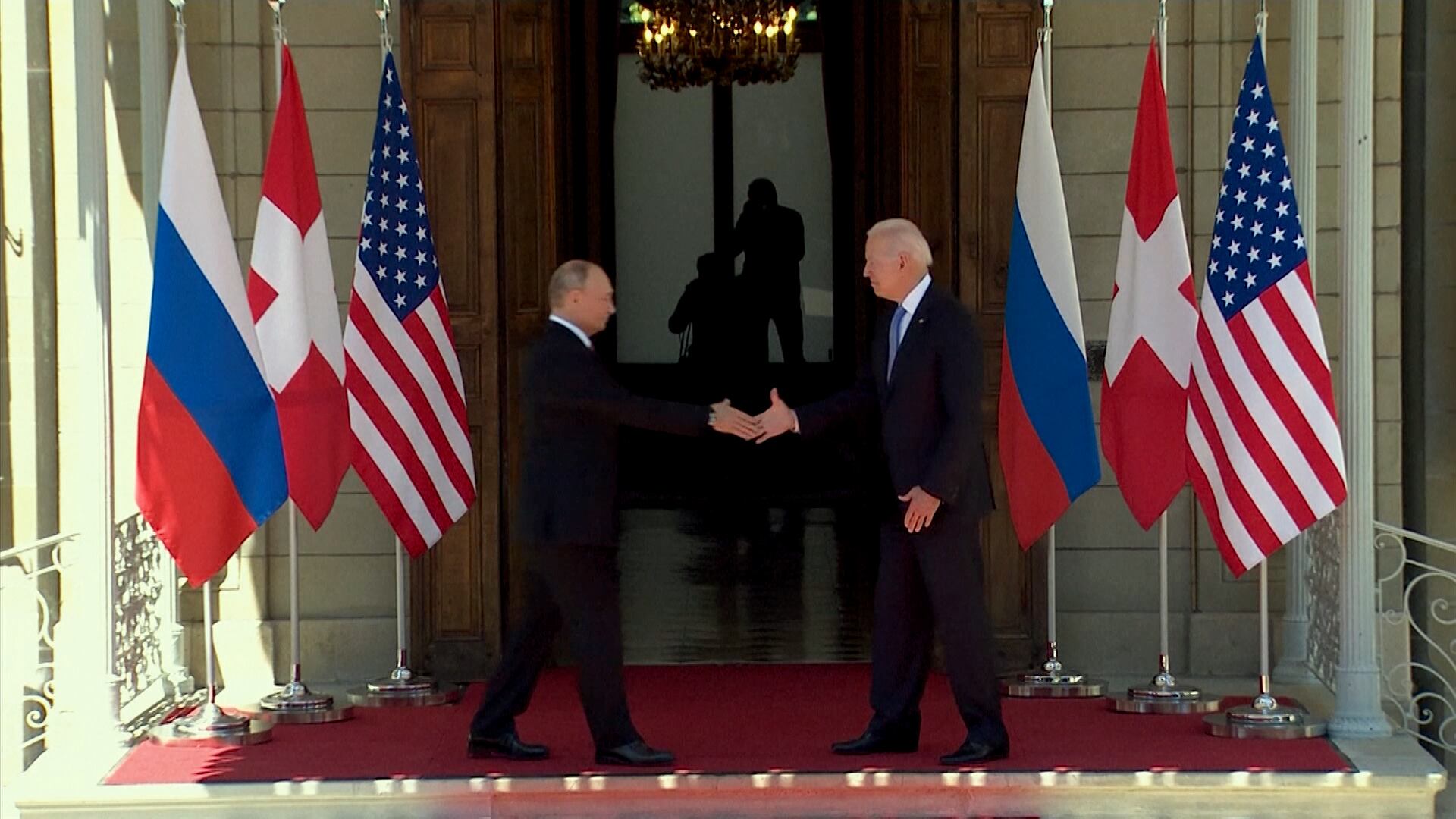
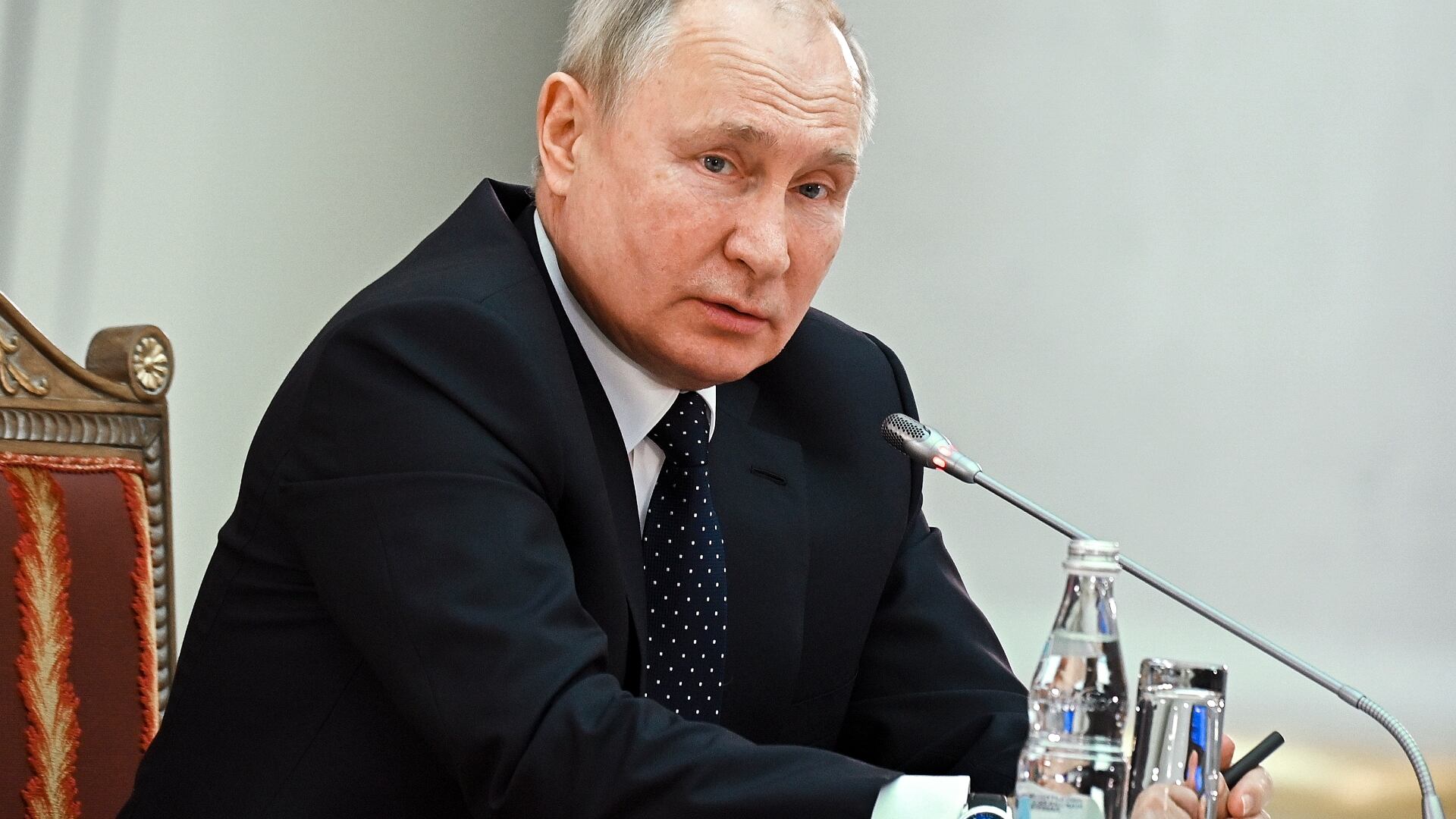
Matt Hayden, vice president of govtech solutions at Exiger and a former assistant secretary of cyber at Department of Homeland Security, joined Cheddar to discuss the surprise phone call initiated by Russian President Vladimir Putin to President Joe Biden, ahead of January security talks about the rising tensions over Ukraine. "We're hoping to hear that we're able to talk about the aggression and the leadup of the Ukrainian militarization," Hayden said. "But we're also looking to hear is how the Kremlin leveraged their talking points to try to test their negotiation stance with the United States leading into this January 10th meeting."
The No Surprises Act begins implementation on January 1, 2022. The legislation is meant to curb the practice of unexpected billing for care from providers the patient was unaware were out-of-network from their insurance. Patricia Kelmar, director of health care campaigns for U.S. PIRG joined Cheddar to describe the hundreds, sometimes thousands, of dollars charged to unsuspecting patients and how things will change under the new law. "If we are picking an in-network doctor and an in-network hospital, we should not see those added costs from anesthesiologists, radiologists, scrub-in surgeons," she said. "The other area it protects you is in air ambulances — not ground ambulances, unfortunately — but the helicopters or the airplanes you might need to transport you in an emergency situation."
President Joe Biden and Russian President Vladmir Putin are expected to have another conversation surrounding escalating tensions between Russia and Ukraine. Ariel Cohen, senior fellow at the Atlantic Council, joined Cheddar's Ken Buffa to discuss the ongoing tensions and why Putin's request for a conversation with Biden comes now. "This is very serious. This is the worst security crisis we had since the collapse of the Soviet Union," Cohen told Cheddar.
Stocks closed mixed on Wednesday, but two indexes - the Dow and the S&P 500 - ended the session with a new record. Akshata Bailkeri, Equity Analyst at Bruderman Asset Management, joins Cheddar News' Closing Bell, where she says there is a consensus for robust consumer spreading in 2022, especially as the Omicron variant is proving to be milder than other COVID-19 strains.