Arkansas is one of four states in the U.S. that has not passed any stay-at-home orders to combat coronavirus, and Governor Asa Hutchinson plans to keep it that way unless cases spike.
"That option is always on the table," Hutchinson told Cheddar. "If it does spike, if we stop beating the curve, then we will certainly move to more stringent measures."
In the meantime, Hutchinson has opted to shut down schools and select businesses and enforce social distancing guidelines. These measures stop short of the kind of comprehensive shutdowns that other states have employed to stop the spread of COVID-19. The governor has even forbidden cities and municipalities from imposing lockdown orders.
Hutchinson is one of eight governors who have held off on issuing statewide stay-at-home orders, although half of those states have ordered residents in some specific areas to stay in place. He called this approach a "better balance" of safety and economic concerns, while critics have called it irresponsible and potentially dangerous.
"If we went to a shelter-at-home order, then still, because every state exempts essential services, 700,000 Arkansans would still go to work tomorrow, but you'd put 100,000 people out of work," he said.
There have been more than 1,100 coronavirus cases and 21 deaths in Arkansas. This places it in the middle of the pack in terms of the impact of COVID-19, but it also discovered its first case much later (March 11) than the states now approaching their apex.
Whether this more targeted approach will be as effective remains to be seen, but Hutchinson is banking on Arkansans strictly following social distancing guidelines in order to avoid an economic shutdown.
"It's almost an incentive to Arkansans that if you keep social distancing, if you keep reducing the spread, then we're not going to have to be able to shut every business down," he said. "That incentive is working. If it doesn't, we'll put in additional measures."
Hutchinson claims that his state's approach to fighting the outbreak has gotten the tacit approval of White House Coronavirus Task Force member Dr. Anthony Fauci, who has nonetheless said multiple times that every state should issue stay-at-home orders to be safe.
"I spoke with Dr. Fauci this morning and reviewed what we're doing," he said. "He's very pleased with the success that we've had. Our measures have been more effective than some other states that have gone to a stay-at-home order."
Of course Arkansas, like many states facing this rapidly developing pandemic, could find itself in a different situation in the weeks to come.
For now, the governor is urging those celebrating Easter this Sunday to meet remotely or observe strict social distancing. The state has not officially banned religious gatherings.
Eli Yokley, Senior Reporter at Morning Consult, joins Cheddar News to discuss how Americans are prioritizing economic issues over the pandemic when it comes to voting.
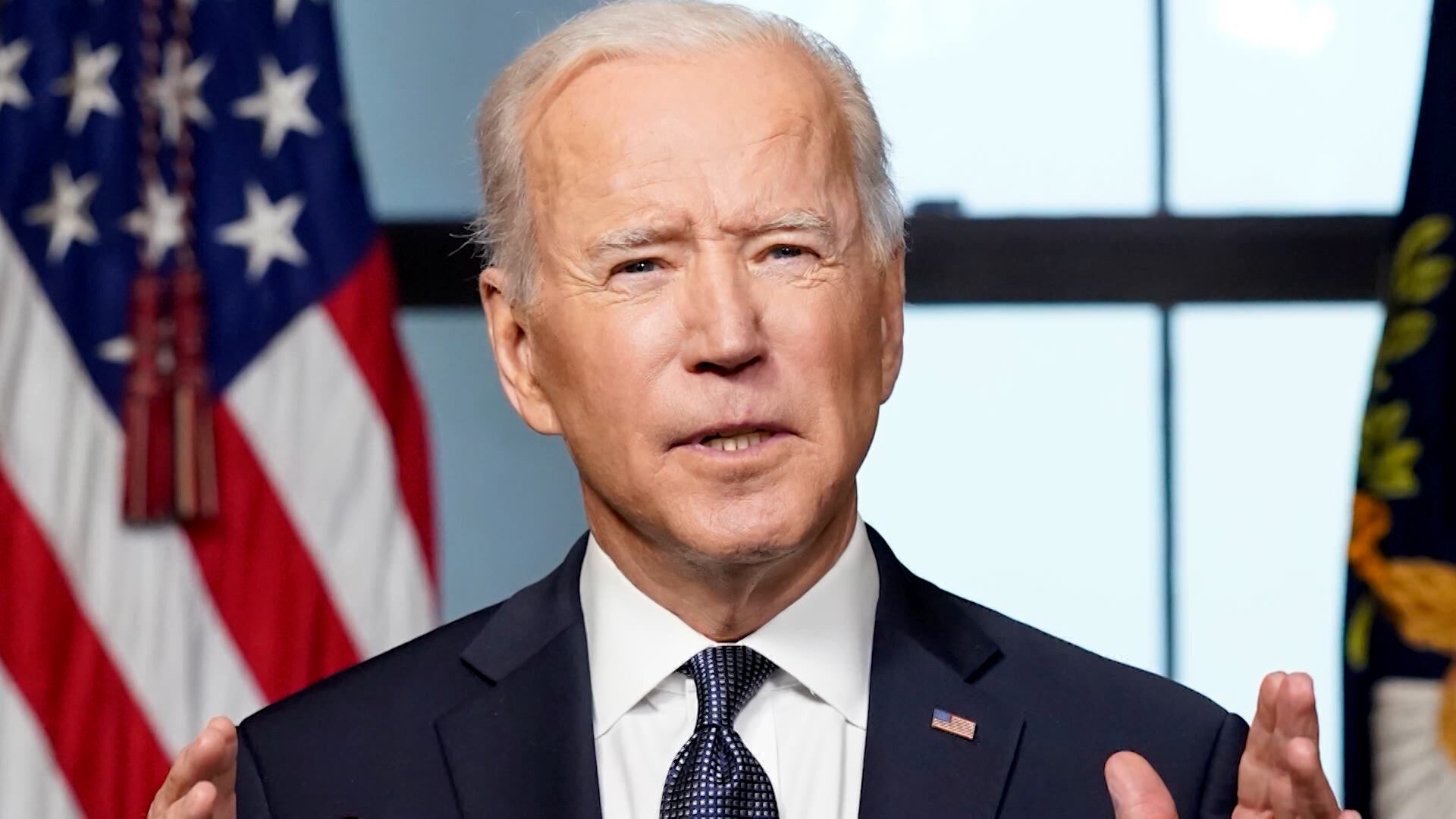
President Biden's disapproval rating hit a new high in December according to a poll from CNBC and Change Research, as Americans expressed their disapproval over the current state of the economy. This comes just months after the president signed a historic infrastructure bill back in November that was promised to bring a surge of jobs, especially in the manufacturing sector.
Change Research Senior Pollster Nancy Zdunkewicz spoke to Cheddar News about just what is driving the President’s disapproval rating.
As the Omicron variant continues to sweep across the country. The US Supreme Court is expected to hear arguments at the end of this week on whether or not the Biden administration can force private companies to vaccinate or test millions of their employees. In addition, the National Nurses United has spearheaded legal action to protect nurses and health care workers, patients, and the public while on the job. President of the National Nurses Union, Zenei Cortez, joined Cheddar to discuss more.
Far too often, Americans are forced to navigate a tangled web of outdated government websites, offices way out of their reach, and hours of time 'on hold' to access the simple government services they depend on. A recent executive order, signed by President Biden, is intended to improve, streamline and modernize the 'customer' experience when accessing government services. Mina Hsiang, the administrator of the United States Digital Service, joins Cheddar News to discuss how the tech workforce is impacted by this executive order.
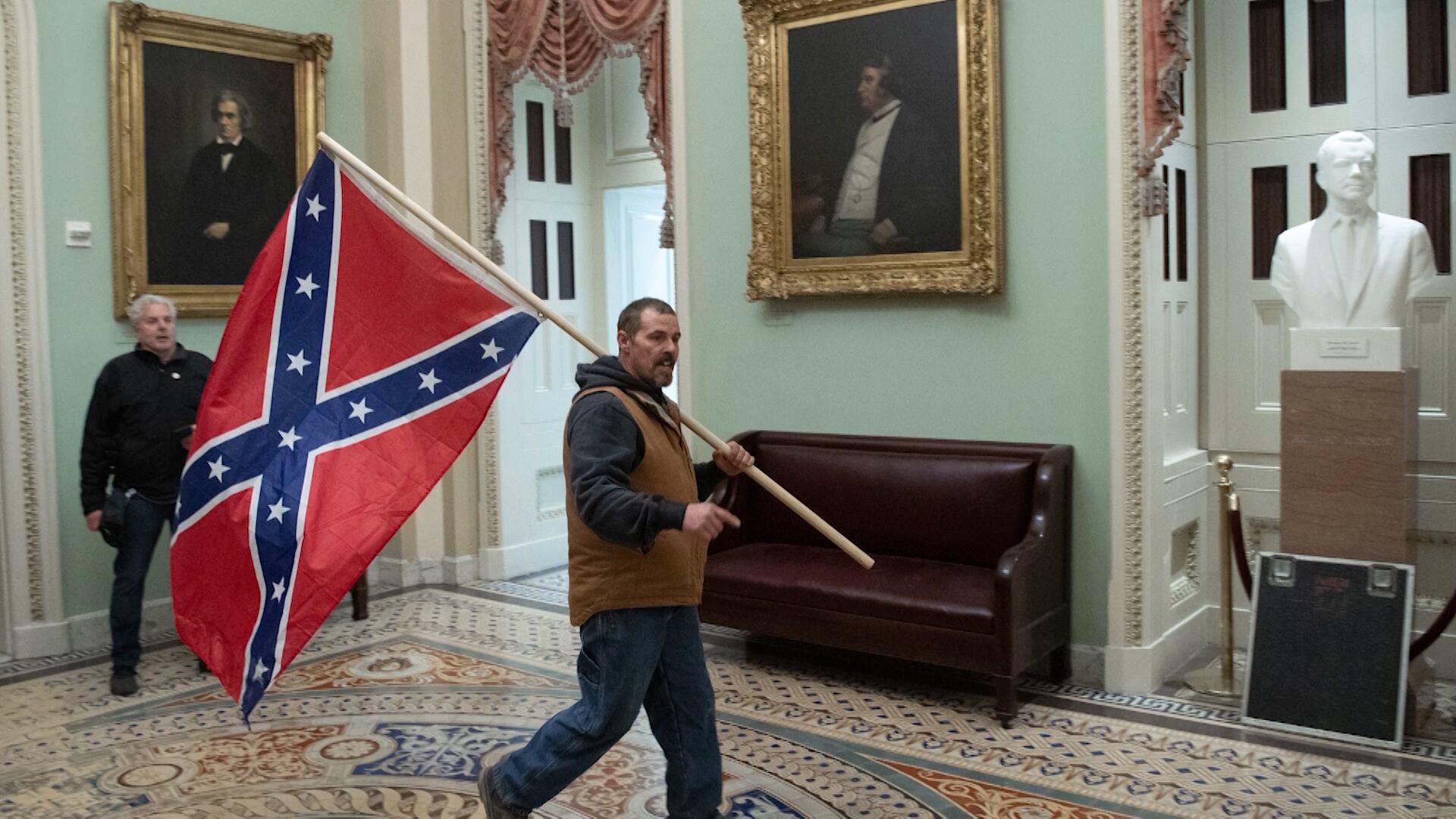
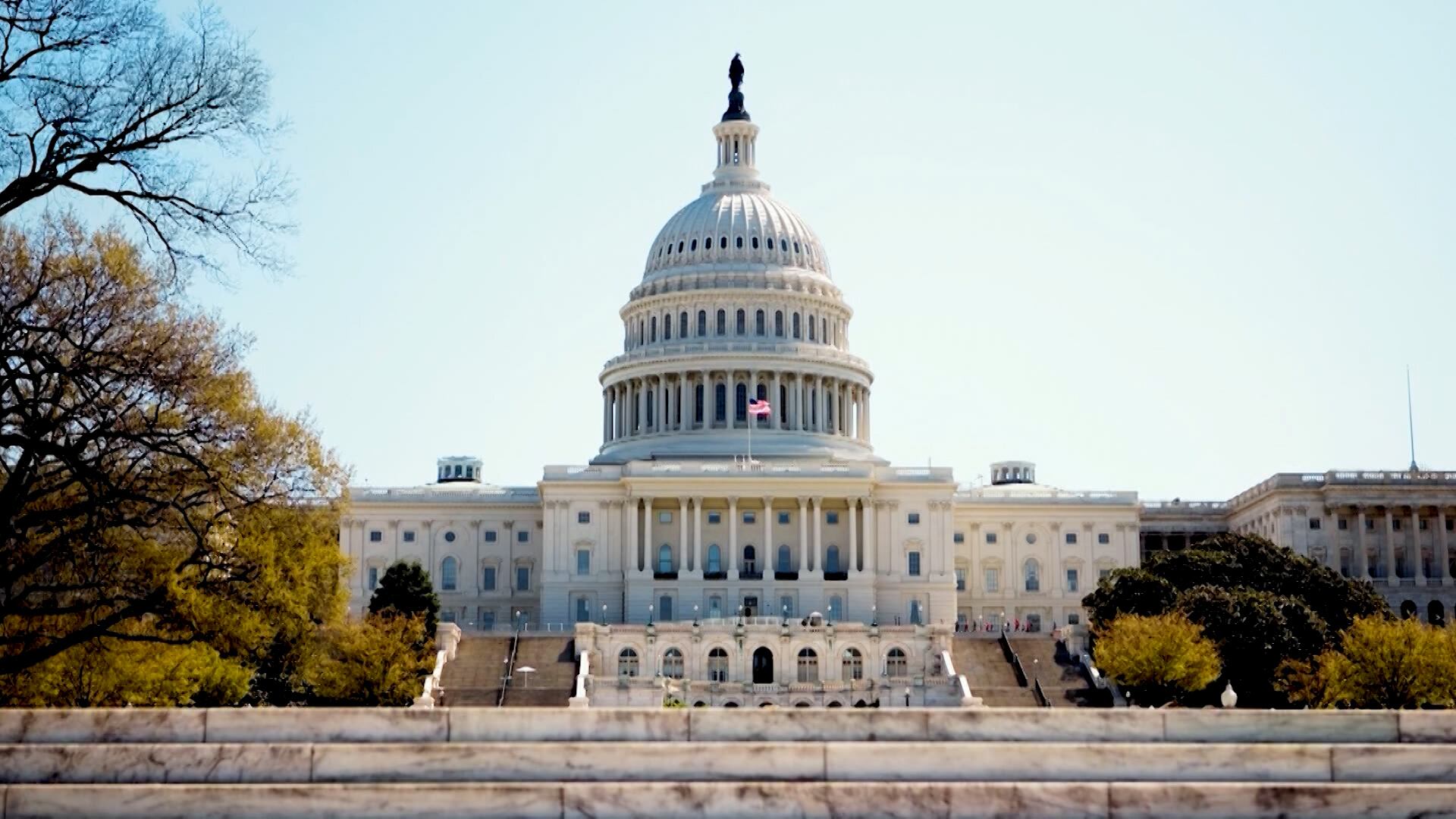
Today marks one year since the January 6 Attack on the United States Capitol. The Country watched as supporters of then-President Trump stormed what was assumed to be the most secure building in the country in an attempt to stop the certification of the 2020 Election. Several lawmakers, including the Vice President, could be seen ducking down as they feared for their lives. Democratic Michigan Representative Dan Kildee, joined Cheddar to discuss more.
Stocks closed lower on Friday as investors continue to worry over rate hikes. John Lynch, CIO of Comerica Wealth Management, joins Cheddar News' Closing Bell, where he says value is back in play with investors. Lynch also believes the market has overreacted to the latest Fed minutes, suggesting a bounce-back at some point.
Ben Armstrong, founder of Bitboy Crypto, joins Cheddar News to discuss Bitcoin's downward trend and what's next for crypto after protests in Kazakhstan cause crypto miners to shut down.
Washington, D.C. Attorney General Karl Racine joins Cheddar Politics to discuss his lawsuit against the extremist groups Proud Boys and Oath Keepers over their role in the January 6 attack on the U.S. Capitol.
Josh Pasek, a professor at the University of Michigan and expert on political communication and misinformation, joins Cheddar News to discuss how political radicalization happens and how America got to this point.
Kyle Kondik, managing editor at Sabato's Crystal Ball at the University of Virginia Center for Politics, joins Cheddar News to discuss what to expect at the 2022 midterm elections.