Arkansas is one of four states in the U.S. that has not passed any stay-at-home orders to combat coronavirus, and Governor Asa Hutchinson plans to keep it that way unless cases spike.
"That option is always on the table," Hutchinson told Cheddar. "If it does spike, if we stop beating the curve, then we will certainly move to more stringent measures."
In the meantime, Hutchinson has opted to shut down schools and select businesses and enforce social distancing guidelines. These measures stop short of the kind of comprehensive shutdowns that other states have employed to stop the spread of COVID-19. The governor has even forbidden cities and municipalities from imposing lockdown orders.
Hutchinson is one of eight governors who have held off on issuing statewide stay-at-home orders, although half of those states have ordered residents in some specific areas to stay in place. He called this approach a "better balance" of safety and economic concerns, while critics have called it irresponsible and potentially dangerous.
"If we went to a shelter-at-home order, then still, because every state exempts essential services, 700,000 Arkansans would still go to work tomorrow, but you'd put 100,000 people out of work," he said.
There have been more than 1,100 coronavirus cases and 21 deaths in Arkansas. This places it in the middle of the pack in terms of the impact of COVID-19, but it also discovered its first case much later (March 11) than the states now approaching their apex.
Whether this more targeted approach will be as effective remains to be seen, but Hutchinson is banking on Arkansans strictly following social distancing guidelines in order to avoid an economic shutdown.
"It's almost an incentive to Arkansans that if you keep social distancing, if you keep reducing the spread, then we're not going to have to be able to shut every business down," he said. "That incentive is working. If it doesn't, we'll put in additional measures."
Hutchinson claims that his state's approach to fighting the outbreak has gotten the tacit approval of White House Coronavirus Task Force member Dr. Anthony Fauci, who has nonetheless said multiple times that every state should issue stay-at-home orders to be safe.
"I spoke with Dr. Fauci this morning and reviewed what we're doing," he said. "He's very pleased with the success that we've had. Our measures have been more effective than some other states that have gone to a stay-at-home order."
Of course Arkansas, like many states facing this rapidly developing pandemic, could find itself in a different situation in the weeks to come.
For now, the governor is urging those celebrating Easter this Sunday to meet remotely or observe strict social distancing. The state has not officially banned religious gatherings.
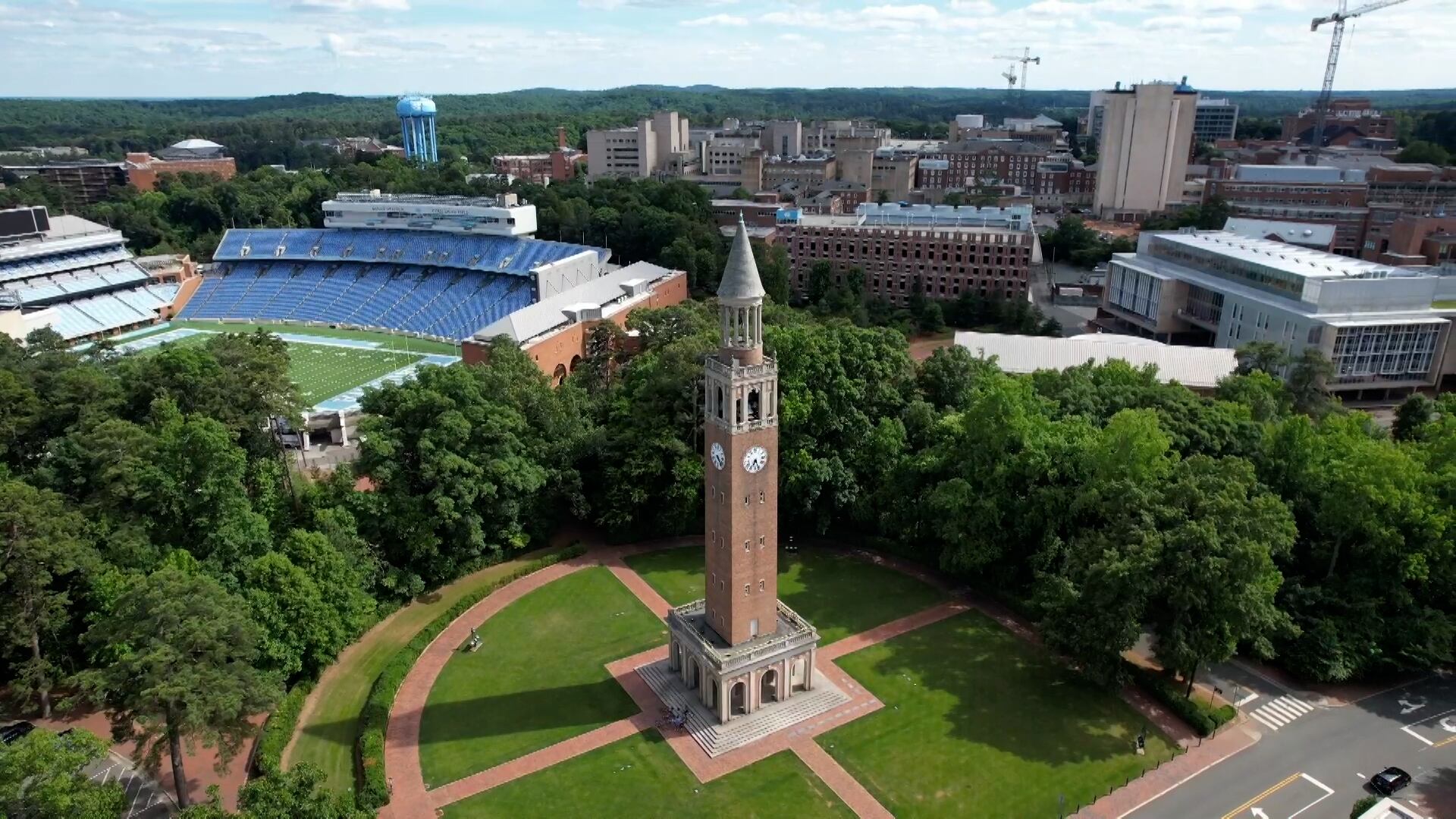
The Supreme Court will reconsider race-based affirmative action in college admissions. The court will examine admissions policies at Harvard University and The University of North Carolina Chapel Hill, which count the race of applicants as a factor in admissions. The court has upheld affirmative action policies in the past, saying it helps to create more diverse student bodies. However, the conservative Supreme Court could be skeptical and even possibly hostile to such policies. Nick Anderson, Higher Education Writer, Washington Post joined Cheddar's Opening Bell to discuss.
Stephanie Akin, Politics Reporter for CQ Roll Call, breaks down
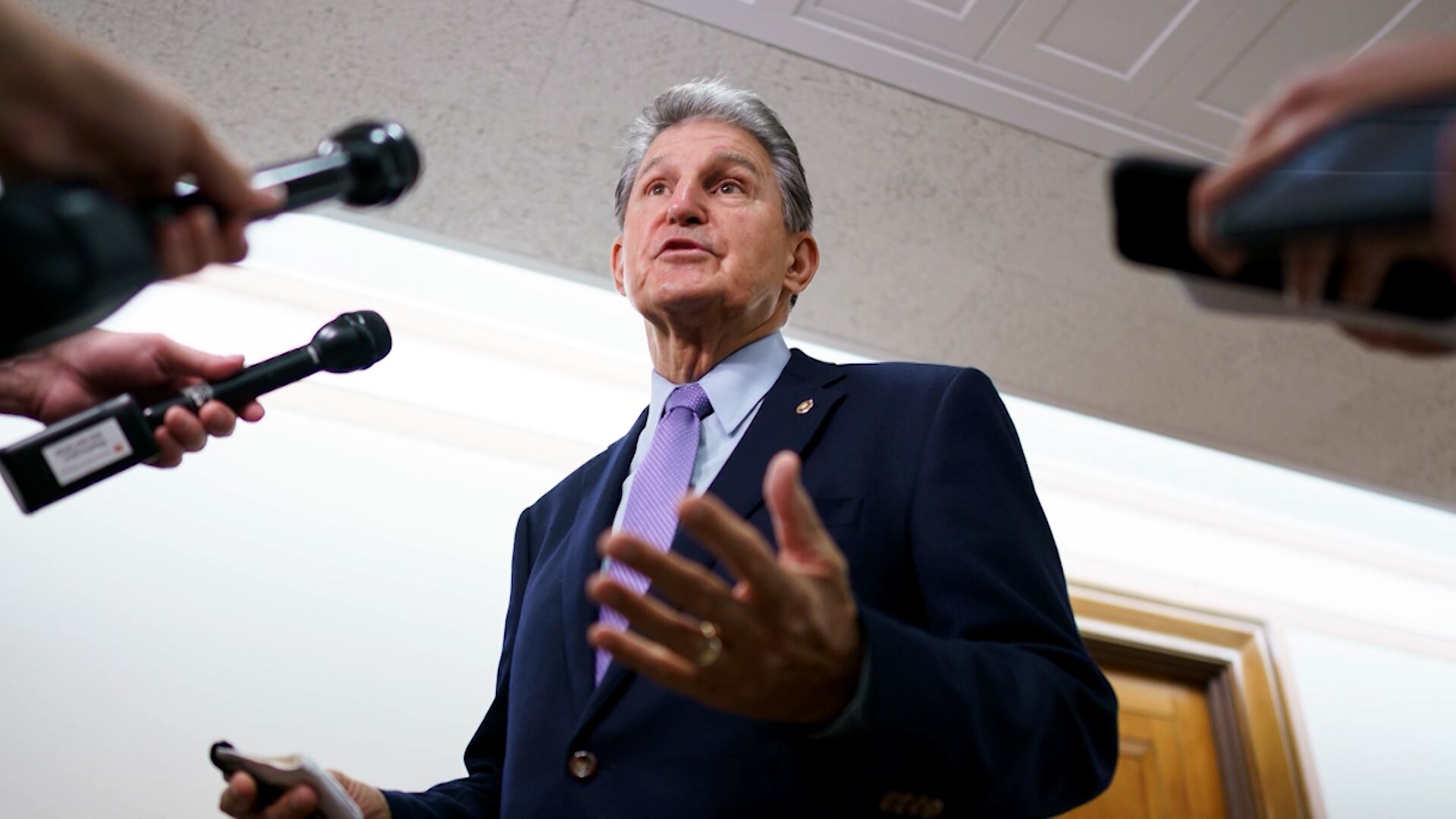
Senator Manchin's donation pool, and highlights what this support means for the conservative Democrat as well as the Republican party.
The global oil benchmark surpassed $90 for the first time in more than seven years. This comes as growing tensions between Russia and Ukraine add to concerns about the already-tight market. Jay Hatfield, Chief Investment Officer at ICAP, joined Cheddar to discuss what this benchmark means for the oil industry, and what might happen if Russia does invade its neighbor.
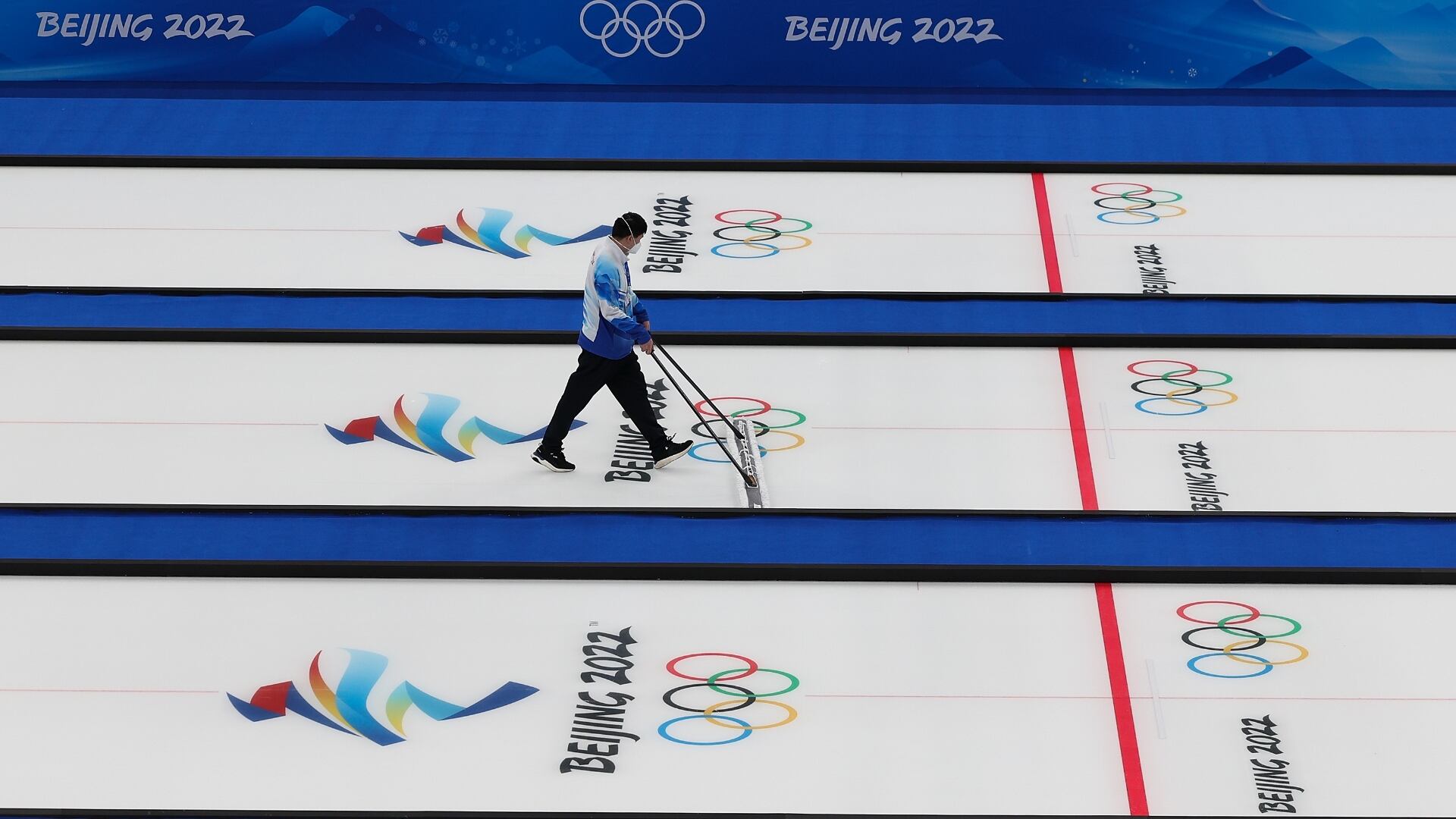
With the Beijing Winter Olympics set to get underway on Friday, Dan Wolken, a national columnist for USA Today, joined Cheddar News to break down the big storylines as the pandemic and international conflicts threaten to cast a cloud over the event that is aspirationally seen as a beacon of international cooperation. Wolken noted specific issues over cybersecurity for visiting athletes and disputes over human rights leading to a diplomatic boycott have been making waves even before the opening ceremony. "So you've got sort of these barbs going back and forth already between the Americans and the Chinese, and things haven't even started yet," he said. "We don't even know what's going to happen once the games start and people actually start winning medals."
We are a week away from the 2022 Beijing Olympics, and China has already faced a host of problems leading up to the opening ceremony of the Beijing games. DJ Peterson, president of Longview Global Advisors, joins Cheddar News to discuss the many concerns and controversies surrounding the event.
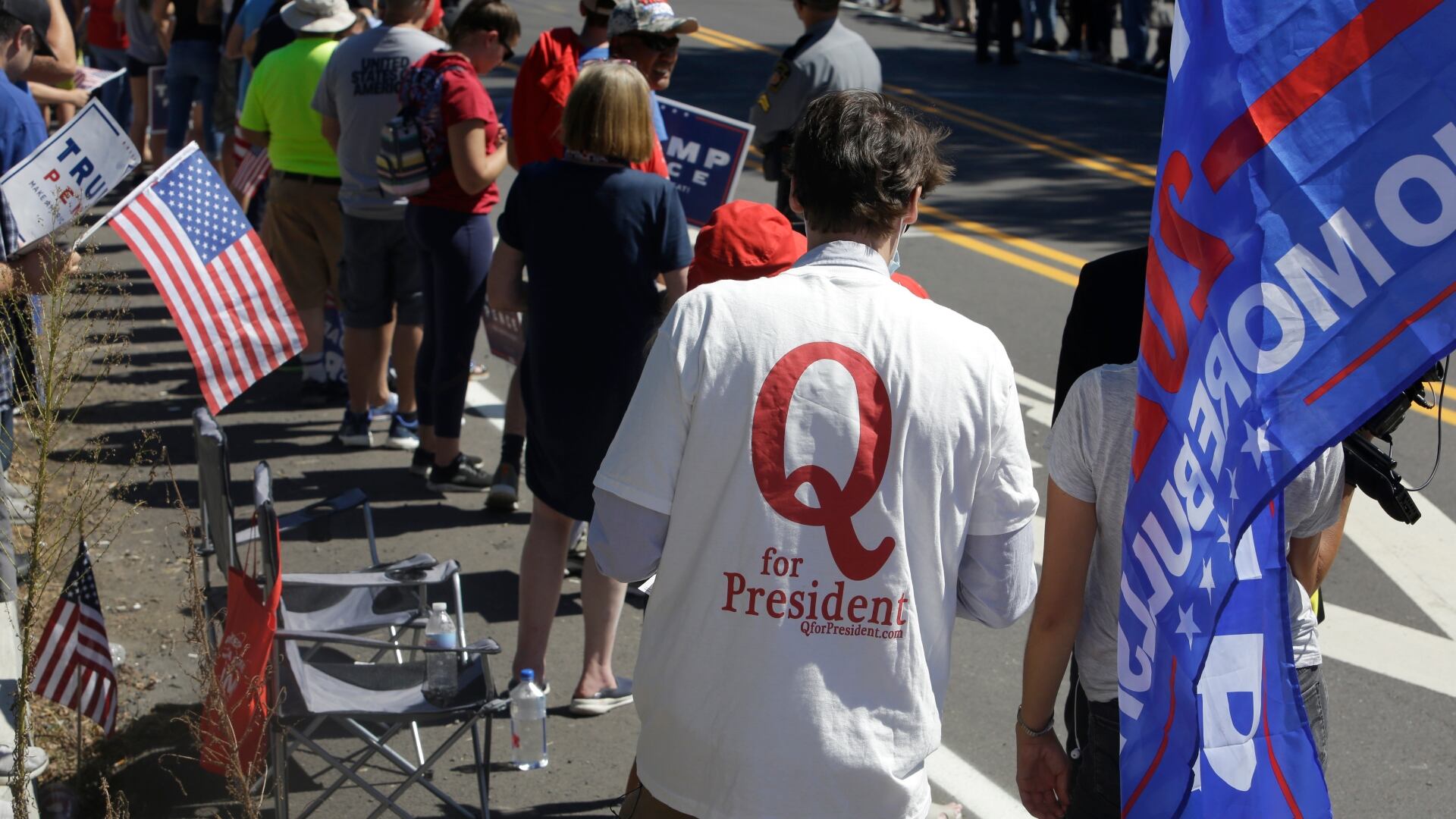
In 2021, QAnon, the community which traffics in conspiracy theories saw a rapid growth in its numbers. As a result of vaccine rollouts, a number of conspiracies surrounding them also began to circulate which then led to the rise of "Anti-Vaxxers". As a result, the QAnon and anti-vax communities have become increasingly intertwined and the results could be costing lives. Senior Researcher at Media Matters Alex Kaplan, joined Cheddar to discuss more.
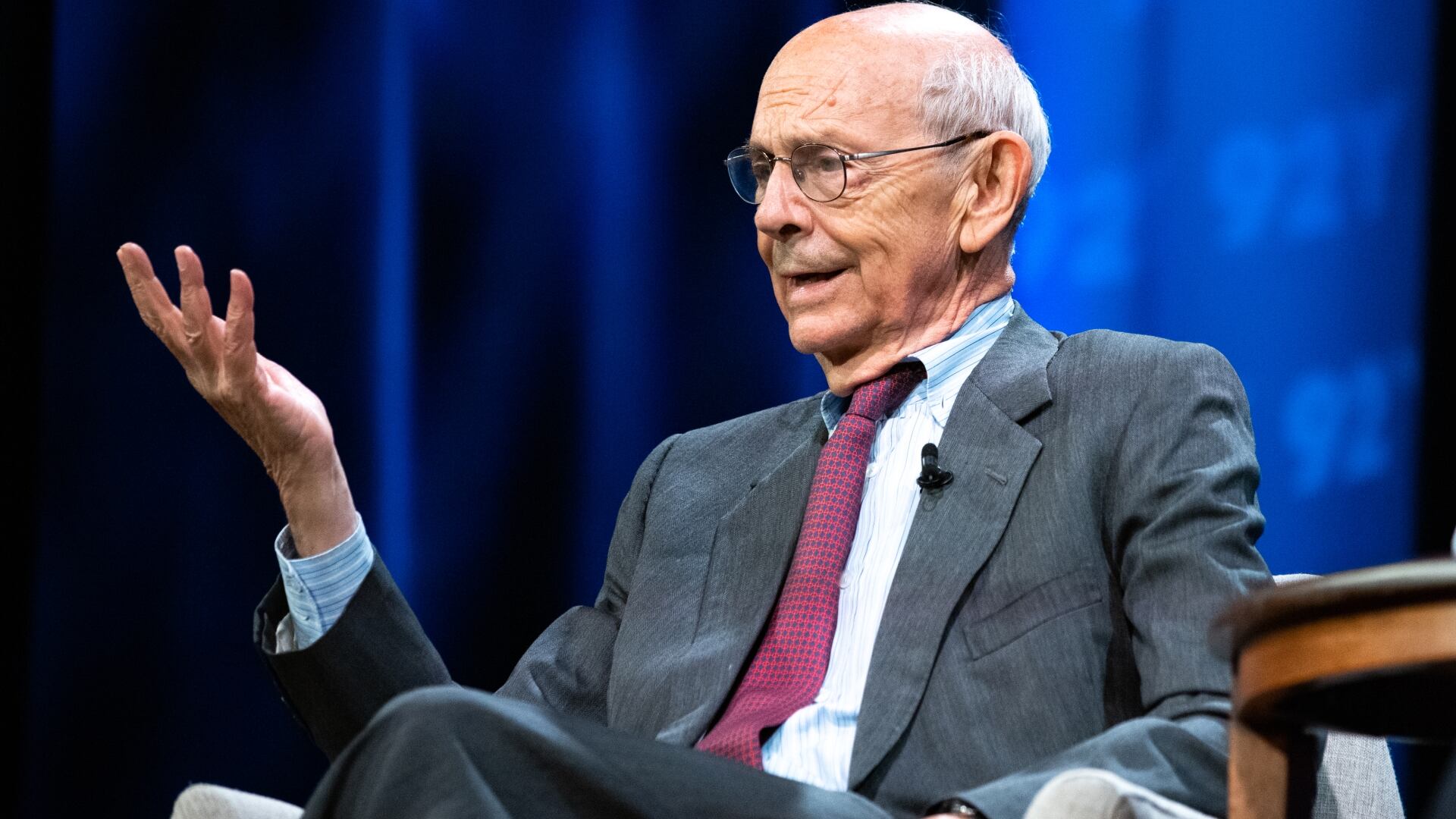
Supreme Court Justice Breyer has announced that he will officially retire from his post. He has served as the senior member of the more liberal wing in recent years. Now his retirement puts pressure on President Biden to decide on who will replace Breyer. Attorney and Media Editor at SCOTUS blog Katie Barlow, joined Cheddar to discuss more.
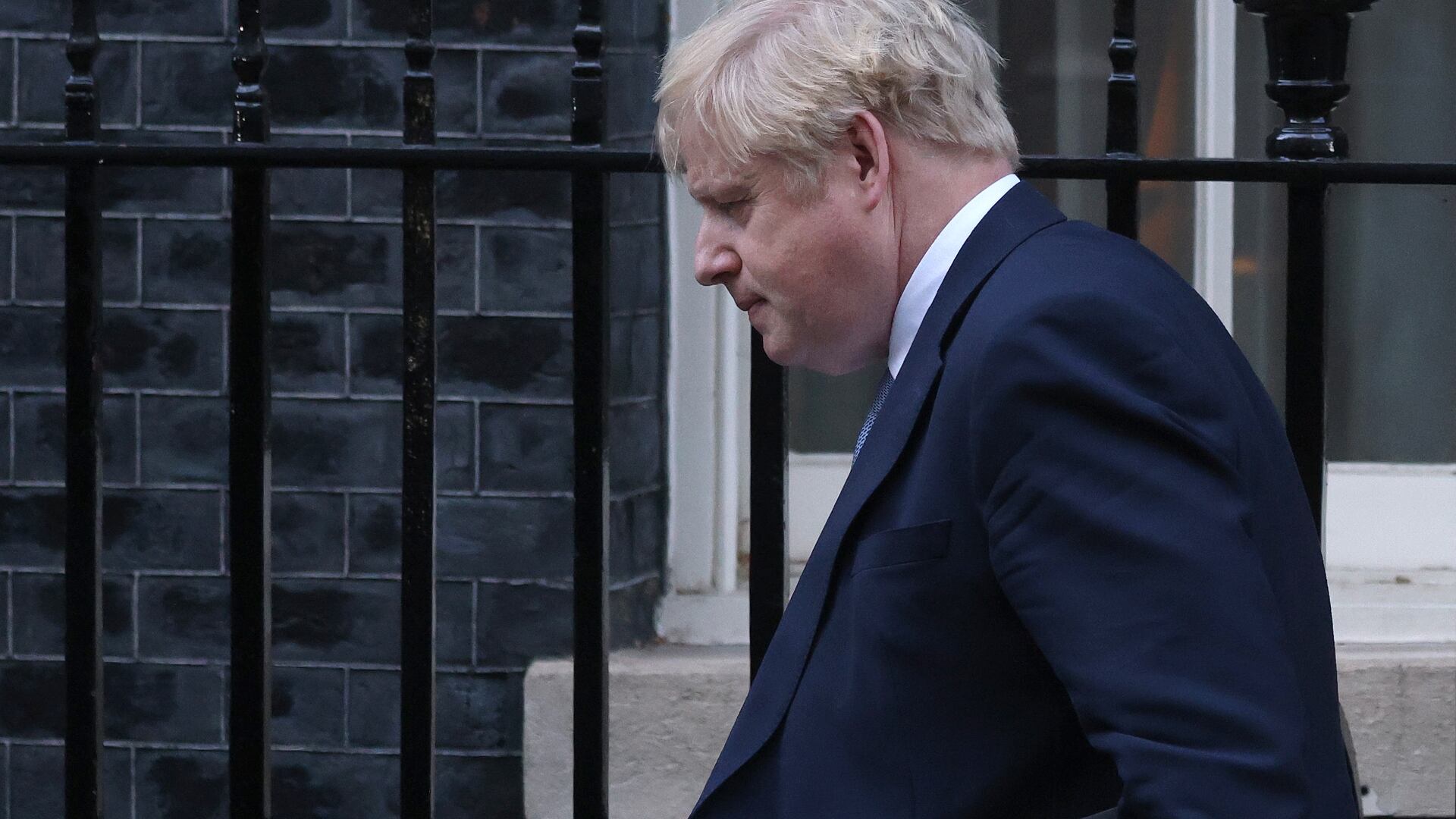
A long awaited report in the UK looking into the alleged parties held at 10 Downing Street during lockdown finds a culture of excessive drinking and a "failure of leadership" in Boris Johnson's government. Cheddar News speaks with international journalist Thomas Cole, who is closely monitoring latest developments.