As Americans anxiously await the final results of the election, all eyes are on six states that are still tallying up mail-in ballots. Arizona, a state that both the Associated Press and Fox News called Tuesday in favor of former Vice President Joe Biden, is still facing pressure from residents and the president who have questioned the validity of the counting process.
Arizona Secretary of State Katie Hobbs said the state's priority right now is to be as transparent with the counting process as possible and to protect poll workers.
A group of Trump supporters gathered at the Maricopa County election center to protest overnight. Demonstrations have sparked nationwide as Americans have split, with some demanding states count all ballots and others calling for them to stop the process.
"These folks have been working hard around the clock to get their job done, which is counting all the ballots, and so, these protesters are really a distraction. They are calling for the county to count all the ballots and that's exactly what we're doing," Hobbs told Cheddar.
"Our tabulation process is really transparent. There's observers allowed in, although I think they, maybe, sent those people home yesterday out of concerns for safety; but there's cameras in every tabulation center," Hobbs explained. "Anyone can go to any of our counties' election websites, look for that link, and watch it from wherever they are to see that process as it happens."
Today, voters can expect a significant update in tallied ballots around 7 p.m. MST, Hobbs said, as Maricopa County becomes the focal point of the state's race. With about 450,000 ballots remaining, the count in Arizona is expected to wrap up some time this weekend.
But as The Trump administration continues to follow through on a promise to contest the election process in court, Hobbs said that based on the president's failed lawsuit in states like Georgia, the president should want counting to continue in the state given that the margin between the candidates is so narrow.
With Biden leading by just under 70,000 votes, the once red state is slowly experiencing a shift — one that Hobbs said has been years in the making.
"We've seen shifting demographics for the last 10 years in our state and there's been pushes from a lot of organizations, party-related progressive groups or otherwise, to really engage those new folks to Arizona, those changing demographic folks, and those changing demographics to be engaged, to register to vote and to vote, and it's been 10 years of doing that," the secretary noted.
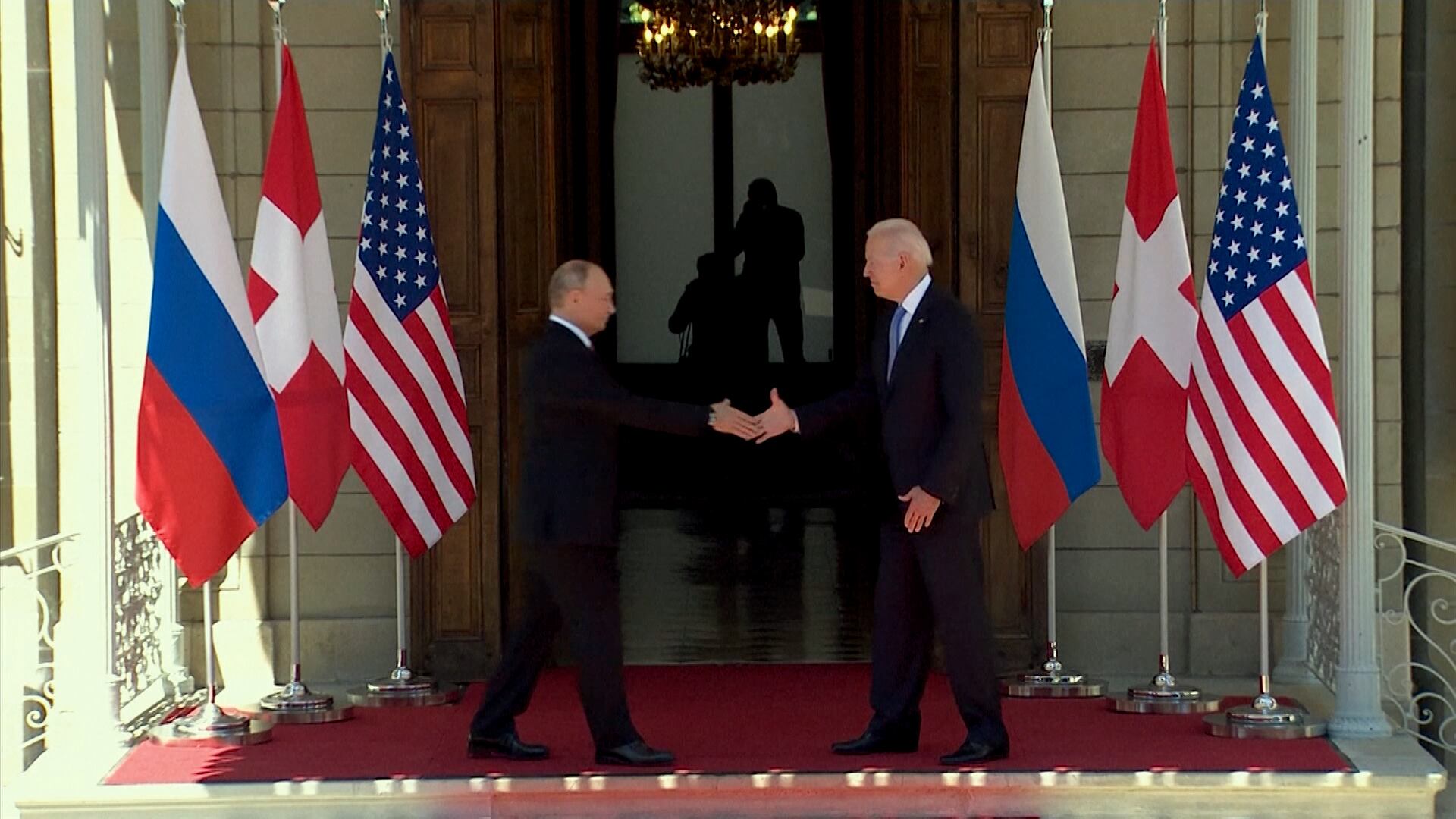
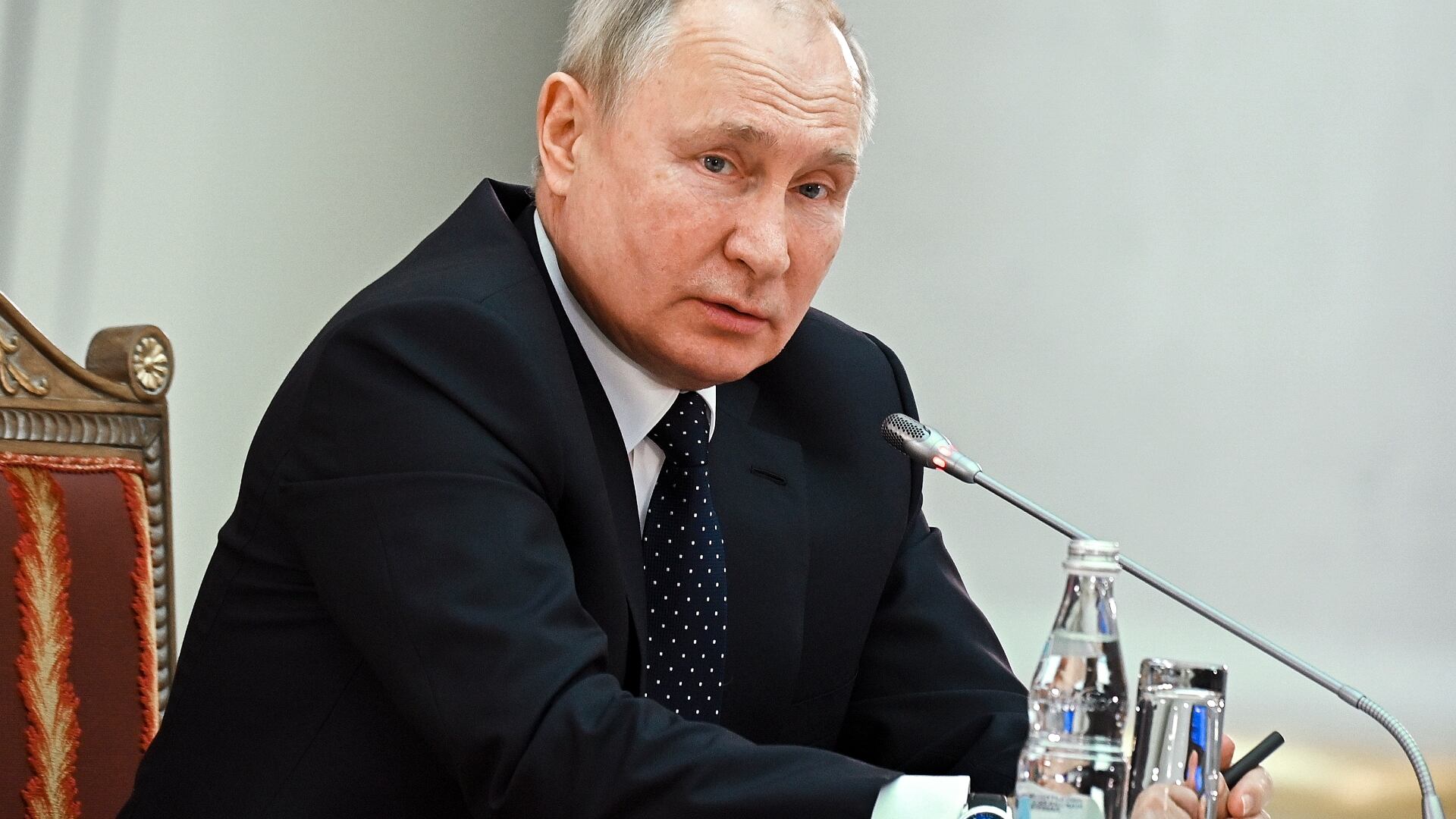
Matt Hayden, vice president of govtech solutions at Exiger and a former assistant secretary of cyber at Department of Homeland Security, joined Cheddar to discuss the surprise phone call initiated by Russian President Vladimir Putin to President Joe Biden, ahead of January security talks about the rising tensions over Ukraine. "We're hoping to hear that we're able to talk about the aggression and the leadup of the Ukrainian militarization," Hayden said. "But we're also looking to hear is how the Kremlin leveraged their talking points to try to test their negotiation stance with the United States leading into this January 10th meeting."
The No Surprises Act begins implementation on January 1, 2022. The legislation is meant to curb the practice of unexpected billing for care from providers the patient was unaware were out-of-network from their insurance. Patricia Kelmar, director of health care campaigns for U.S. PIRG joined Cheddar to describe the hundreds, sometimes thousands, of dollars charged to unsuspecting patients and how things will change under the new law. "If we are picking an in-network doctor and an in-network hospital, we should not see those added costs from anesthesiologists, radiologists, scrub-in surgeons," she said. "The other area it protects you is in air ambulances — not ground ambulances, unfortunately — but the helicopters or the airplanes you might need to transport you in an emergency situation."
President Joe Biden and Russian President Vladmir Putin are expected to have another conversation surrounding escalating tensions between Russia and Ukraine. Ariel Cohen, senior fellow at the Atlantic Council, joined Cheddar's Ken Buffa to discuss the ongoing tensions and why Putin's request for a conversation with Biden comes now. "This is very serious. This is the worst security crisis we had since the collapse of the Soviet Union," Cohen told Cheddar.
Stocks closed mixed on Wednesday, but two indexes - the Dow and the S&P 500 - ended the session with a new record. Akshata Bailkeri, Equity Analyst at Bruderman Asset Management, joins Cheddar News' Closing Bell, where she says there is a consensus for robust consumer spreading in 2022, especially as the Omicron variant is proving to be milder than other COVID-19 strains.
John Quelch, Dean of Miami Herbert Business School, joins Cheddar News' Closing Bell, where he says the retail giant is acting in accordance to President Biden's new law banning goods from China's Xinjiang region. Quelch also elaborates on the importance of China in Walmart's overall strategy.