Are Millennials Actually More Conservative Than We Think?
*By Christian Smith*
Republicans may stand to lose more than just the House if the party doesn't address millennial needs, said GOP strategist Evan Siegfried.
"The party needs to adapt or die," Siegfried said Monday in an interview on Cheddar. "The Democratic punch is coming."
The punch is a result of changing demographics within the American electorate. In each election, the American voting population becomes less white and better educated, a shift that Siegfried said will pose a major threat to Republicans if they don't prioritize issues like student debt which are important to the country's largest voting bloc.
Siegfried cited Democratic Socialist and 2016 presidential candidate Bernie Sanders as an exemplar of successful outreach to the millennial base. Though he may disagree with the Senator's viewpoints, Siegfried said Republicans would do well to imitate Sanders's methods.
"Millennials are the most fiscally conservative generation since the Great Depression, and the Republican Party's fiscal, conservative message actually reaches out and would be perfect for them, but we haven't been able to do so," Siegfried said.
"We have been viewed and portrayed as the stereotype of an anti-woman, anti-minority party. Unfortunately with Donald Trump's rise, he has helped to cement the stereotype as reality."
But there is an opportunity for the GOP ー while millennial voters are the least likely demographic to identify as Republican according to a [poll](http://www.people-press.org/2018/03/01/1-generations-party-identification-midterm-voting-preferences-views-of-trump/) from the Pew Research Center, an [April poll](https://www.reuters.com/article/us-usa-election-millennials/exclusive-democrats-lose-ground-with-millennials-reuters-ipsos-poll-idUSKBN1I10YH) by Reuters found that enthusiasm for the Democratic Party among the group is slipping, and young voters increasingly consider the Republican Party a better steward for the economy.
For more on this story, [click here](https://cheddar.com/videos/one-republican-strategists-plan-to-help-the-gop-win-over-millennial-voters).
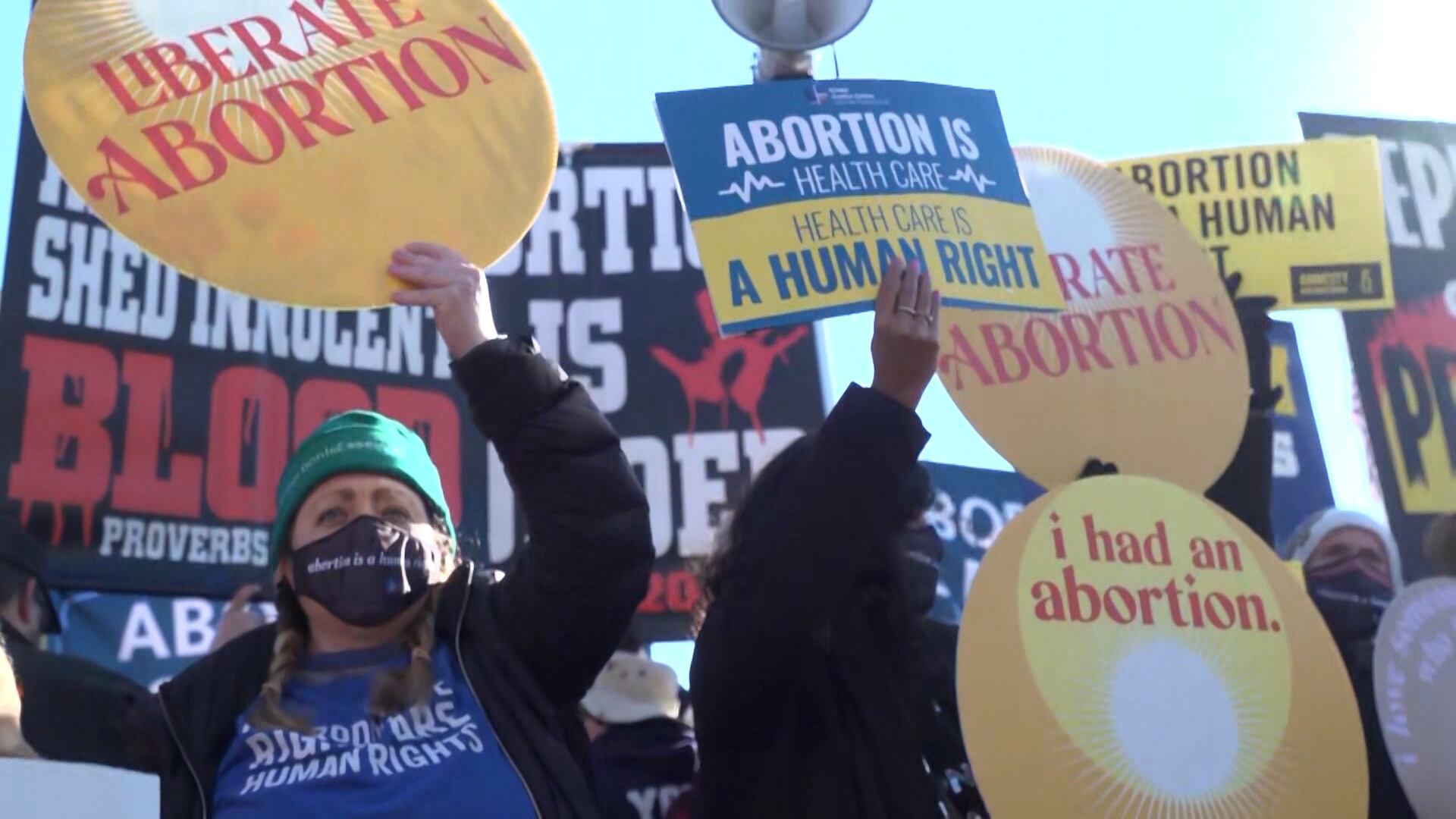
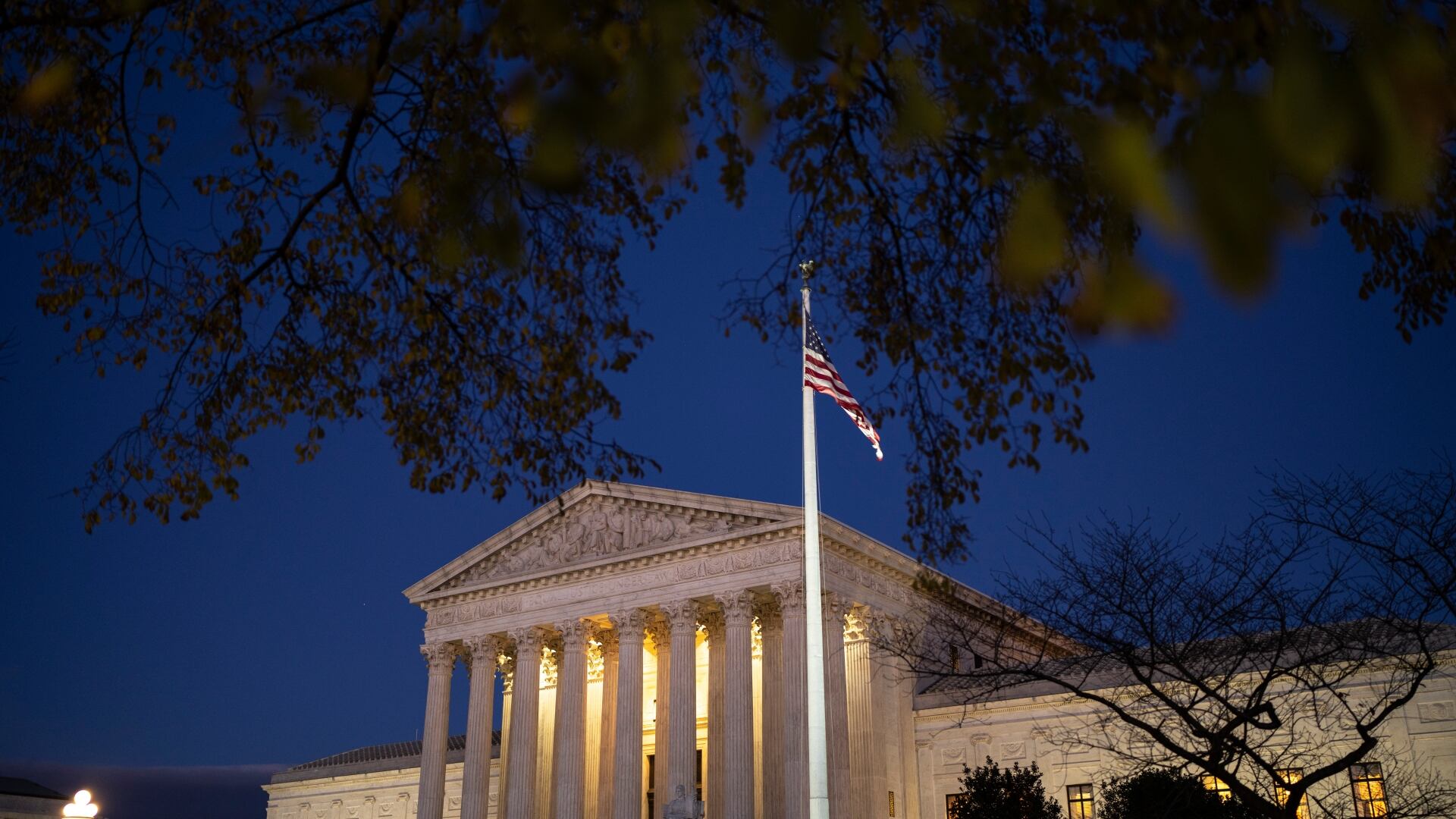
The Supreme Court appeared prepared Wednesday to uphold a Mississippi law that would ban almost all abortions after 15 weeks of pregnancy. The ruling is far from over, with Roe V. Wade at risk. Susan Rinkunas, senior reporter at Jezebel, joins Cheddar News to share the developments of the hearing.
The nine justices heard arguments Wednesday, around a Mississippi abortion law that bans the procedure after 15 weeks and appeared to lean toward upholding the law, while leaving uncertainty about the landmark precedent, Roe v. Wade. Kristin Ford, vice president of communications and research at NARAL Pro-Choice America joins Cheddar News to discuss.
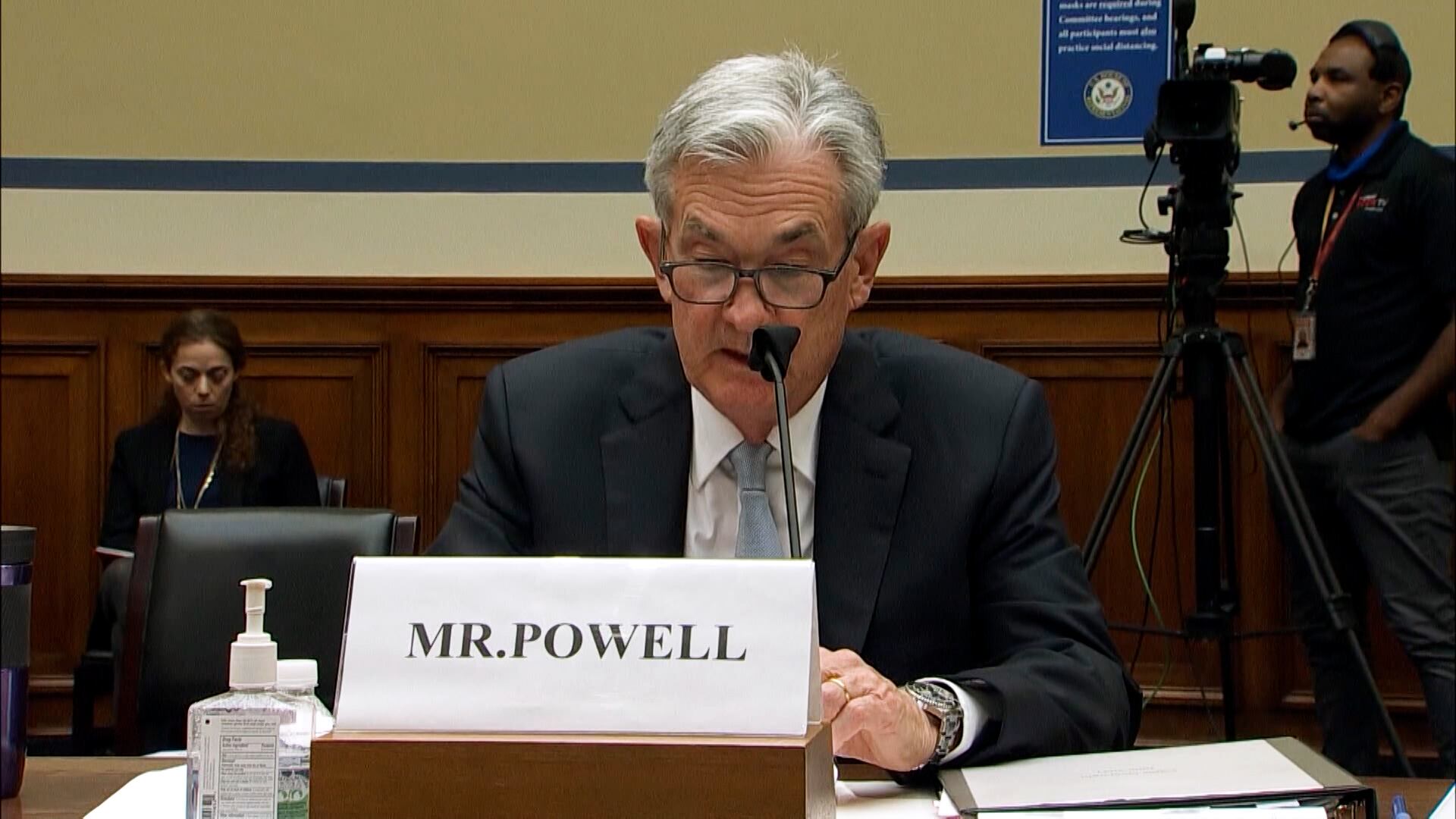
Just about a week after being re-nominated, Federal Reserve Chair Jermone Powell is changing his tune. After nearly a year of referring to inflation as 'transitory,' Powell said he will retire the 'T' word as inflation remains elevated. Christopher Russo, Post-Graduate Research Fellow, Mercatus Center joined Cheddar's Opening Bell to discuss.
Airbnb has come under fire after an Axios report found that the rental company has properties available in China's Xinjiang region where the nation has been accused of committing genocide against Uyghur Muslims, demolishing their homes, and replacing them with tourist attractions.
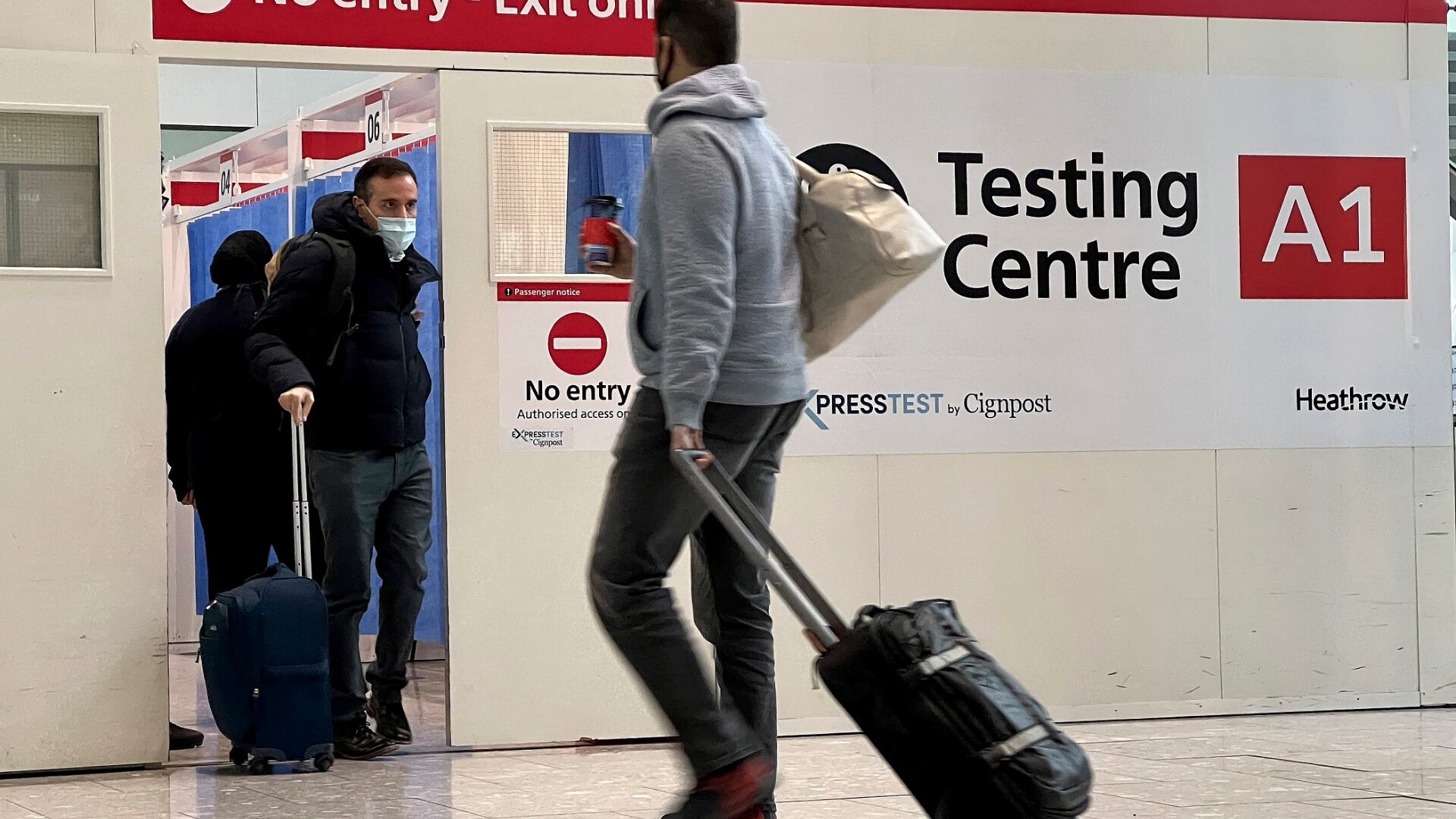
With the emergence of the omicron variant, the U.S. is considering tightening international travel guidelines. The CDC said it might reduce the window for foreign travelers to submit a negative COVID-19 test from three days prior to one day before allowing entry.
Jill and Carlo cover the latest on Omicron, another school shooting in America and more. Plus, bidding farewell to 'transitory' inflation, and the controversy surrounding 'Lovely Bones' author Alice Sebold.
Disparities in tree coverage across America is a huge issue that affects air quality, heat exposure, and ultimately determines how resilient communities are against climate change. The Build Back Better Act is allocating $2.5 billion to boost 'tree equity.' Lemir Teron, assistant professor at SUNY College of Environmental Science and Forestry, joins Cheddar News to explain why this is a priority for Democrats today.