The Pentagon has admitted there are UFOs...well soft of. It has admitted that a program called The Advanced Aerospace Threat Identification Program ran from 2007-2012 with the mission to explore life outside of Earth.
A declassified video, named "Gimbal", of what looks like a UFO was released. In the video, two U.S. Fighter Pilots try to make sense of what is happening as they see a weird object flying through the sky. Paoletta walks us through what she believes we're seeing.
Plus, do aliens really exist? The $22 million allocated to AATIP came from taxpayer money and went to a company named Bigelow Aerospace. With this cash, Robert Bigelow hired people to construct buildings to house items that came from supposed UFOs. He also brought on researchers to study people who said they'd encountered extraterrestrial objects. He believes aliens are real and are living among us...the science community needs a little more convincing.
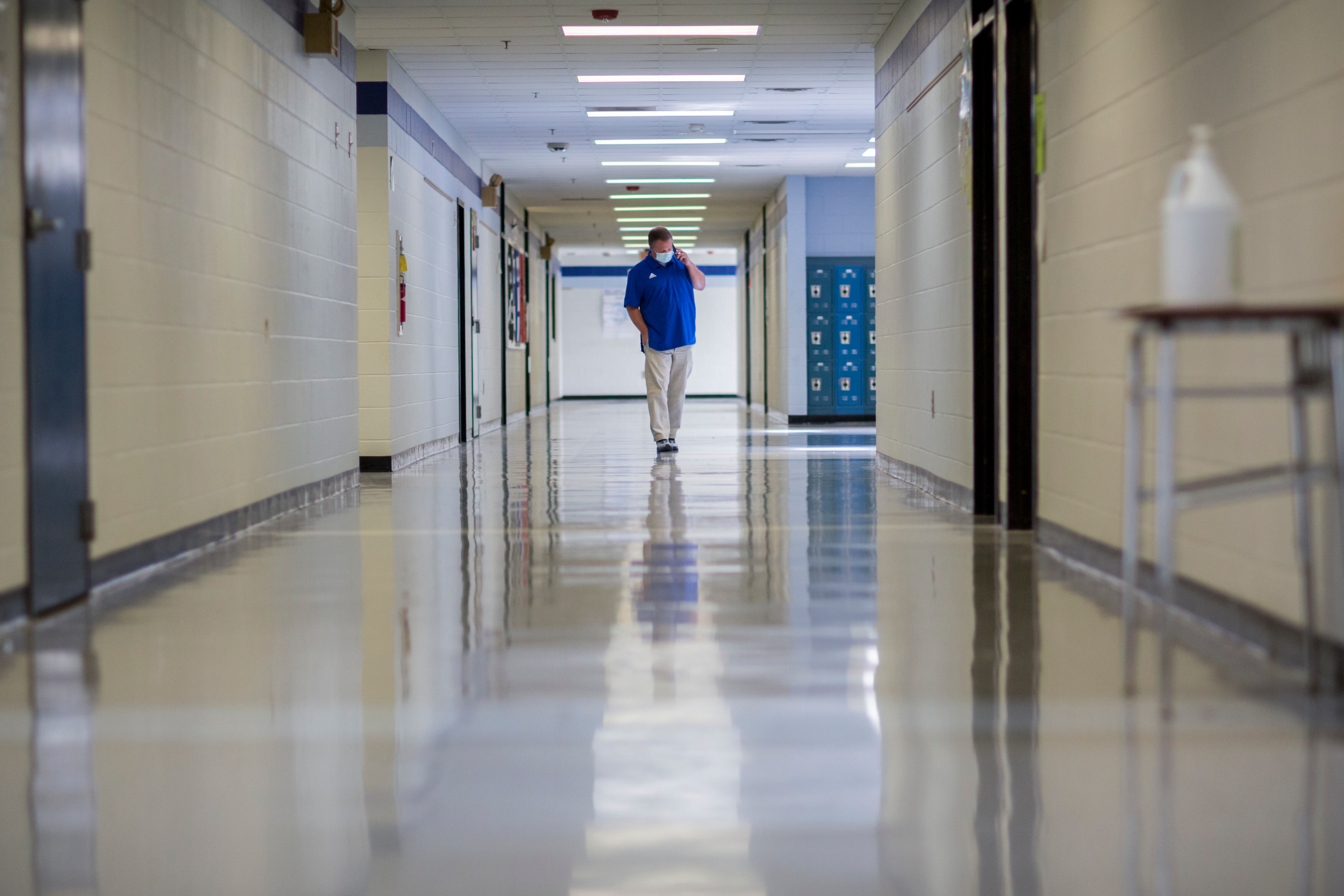
U.S. health officials are cutting isolation restrictions for Americans who test positive for the coronavirus and shortening the time that close contacts have to quarantine.
New Year celebrations are approaching and across the world there is an urge to party. But the desire to let loose is being countered by the highly transmissible omicron variant.
Carlo and Baker cover the latest developments after a devastating tornado outbreak over the weekend, plus an eye on Omicron and inflation, and not even Spielberg can save the box office.
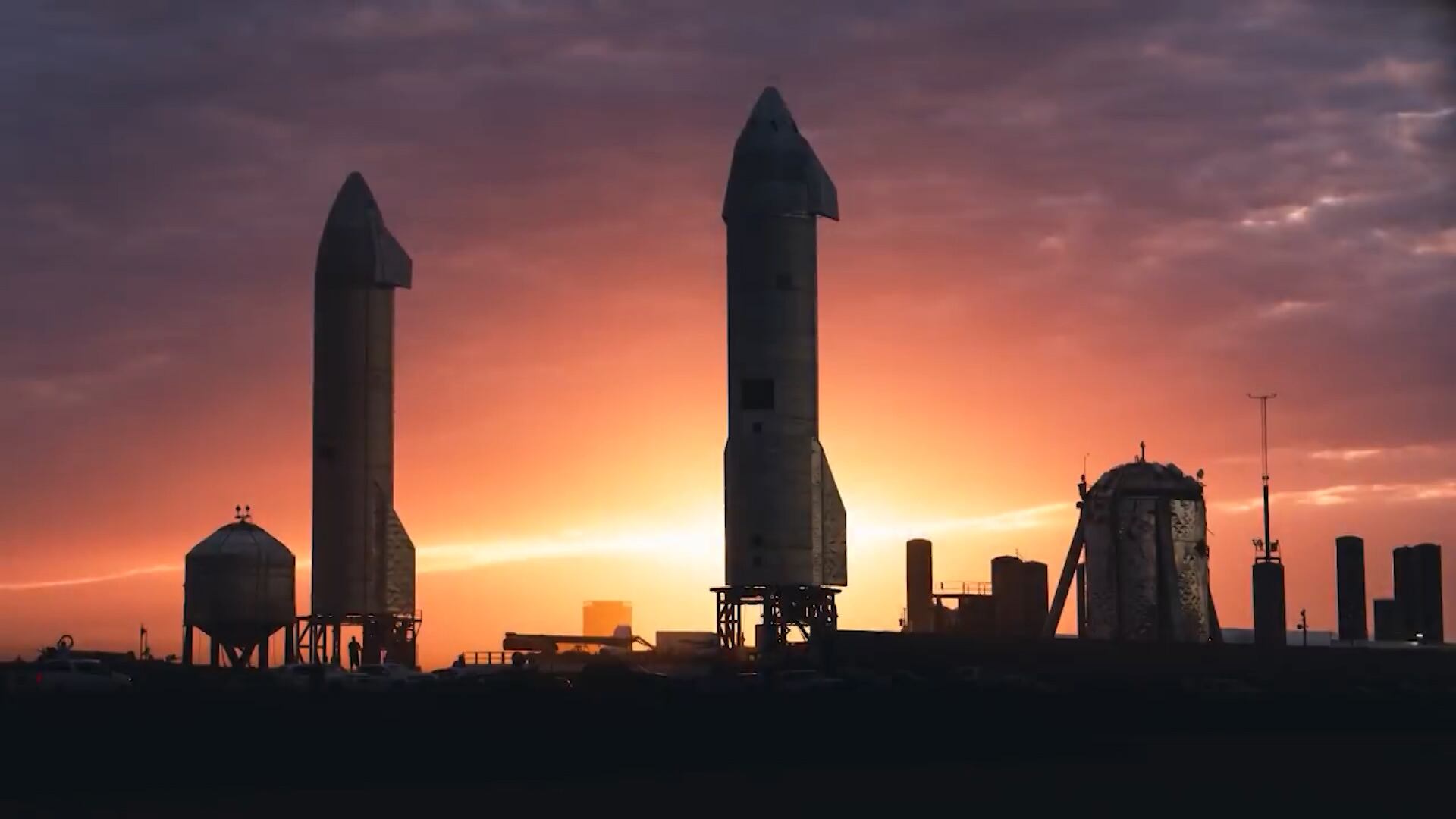
Reusable rocket developer Stoke Space Technologies raised $65 million in a Series A round led by Breakthrough Energy Ventures, a firm founded by Bill Gates. Stoke says its reusable rockets provide the satellite industry with low-cost, on-demand access to and from orbit. As companies like SpacX and Blue Origin are also making commitments to rocket reusability, Stoke says it is taking a different approach with a system designed to be 100% reusable, comprised of rockets designed to fly daily, like an airplane. Stoke co-founder and CEO Andy Lapsa joins Cheddar News' Closing Bell to discuss.
Humans are set to return to a place we have not been in nearly 50 years: the moon. NASA's Artemis program is expected to have astronauts back on the lunar surface by 2025. NASA says it will use what it learns on the moon to take the next giant leap - sending the first astronauts to Mars. The Artemis program also includes contributions from private companies like SpaceX, as well as academic research institutions like Georgia Tech. Georgia Tech professor of practice and former NASA astronaut Sandra Magnus joins Future of Space: Humankind's Leap Forward to discuss.
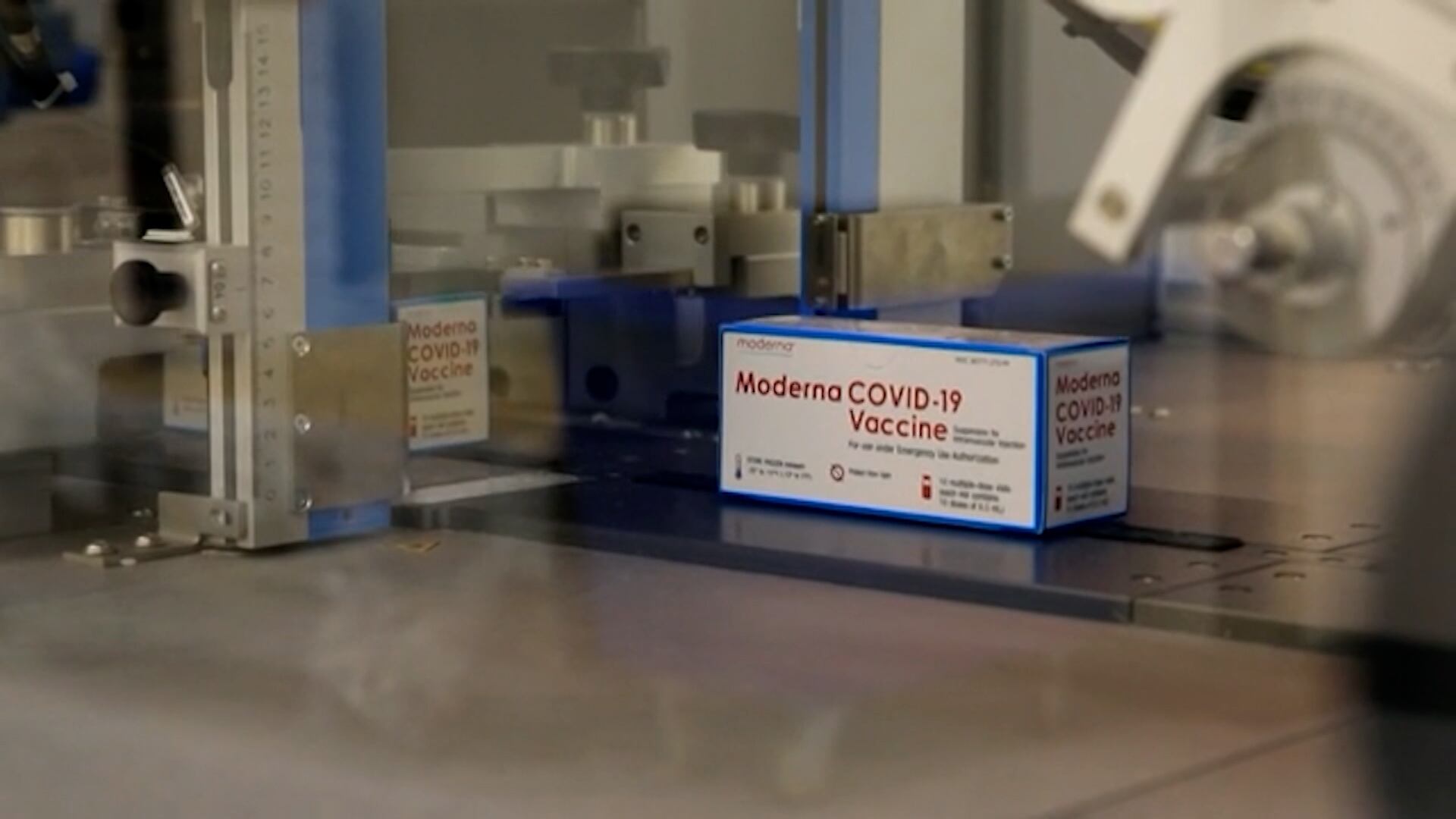
The CDC warns that COVID-19 is rapidly spreading with Omicron variant cases doubling every two days in the United States. How do current vaccines hold up against the new strain, and what does it mean for your upcoming holiday travel? Cheddar News breaks things down with infectious diseases specialist Dr. William Schaffner of Vanderbilt University School of Medicine.