Are Alexandria Ocasio-Cortez's Tax Views That Far Out of the Mainstream?
*By Carlo Versano*
When freshman Democratic Rep. Alexandria Ocasio-Cortez floated the idea to Anderson Cooper on "60 Minutes" Sunday that the very wealthy pay a marginal tax rate as high as 70 percent, it got pundits and politicians all worked up. What exactly was the newly-elected, self-proclaimed radical proposing?
But as it turns out, a higher marginal tax rate is not particularly radical in the context of American history. Marginal tax rates, in which taxes increase as income rises, were as high as 90 percent under President Eisenhower, and were above 50 percent up until the second Reagan tax cut.
But according to Kyle Pomerleau, an economist at the Tax Foundation, a nonpartisan, business-friendly think tank, higher marginal rates do not bring in the promised revenue, and instead are an example of "the worst of both worlds."
Ocasio-Cortez's policy would "distort behavior" as individuals in the highest brackets would find ways to skirt the system. One of the ways they would do that, Pomerleau said, would be to stop selling assets defined as capital gains, which make up the majority of the taxable income at the top of the ladder and are only taxed when they're sold. "The amount of taxable realizations will plummet," Pomerleau said.
The safety net programs that progressives like Ocasio-Cortez seek to strengthen, like Medicare and Social Security, are better funded through other forms of taxation, Pomerleau said, such as a payroll tax, or the European model of sales, payroll, and value-added taxes. But the bottom line, he said, is that "everyone is going to have to pay higher taxes."
That is not a foregone conclusion. Those who advocate for very high marginal tax rates on the wealthy include some respected economists, including Nobel Prize-winner Peter Diamond. Diamond has estimated the top tax rate should be [73 percent](https://www.aeaweb.org/articles?id=10.1257/jep.25.4.165), while a pair of Berkeley economists have put it as high as [80 percent](http://ceg.berkeley.edu/research_117_2123314150.pdf).
Or as Paul Krugman [put it](https://www.nytimes.com/2019/01/05/opinion/alexandria-ocasio-cortez-tax-policy-dance.html?action=click&module=Opinion&pgtype=Homepage) on Monday: "The optimal tax rate on people with very high incomes is the rate that raises the maximum possible revenue."
At the very least, Ocasio-Cortez's ideas about the marginal tax rate, given that she has such an outsized megaphone within the Democratic Party at the moment, signals that Democrats are getting "more serious" about progressive income taxation, Pomerleau said.
And both sides can agree that the individual tax code is in need of simplification, he said. "There's still a lot of work to be done to fix that."
For full interview [click here](https://cheddar.com/videos/ocasio-cortez-calls-for-radical-income-tax-reform).
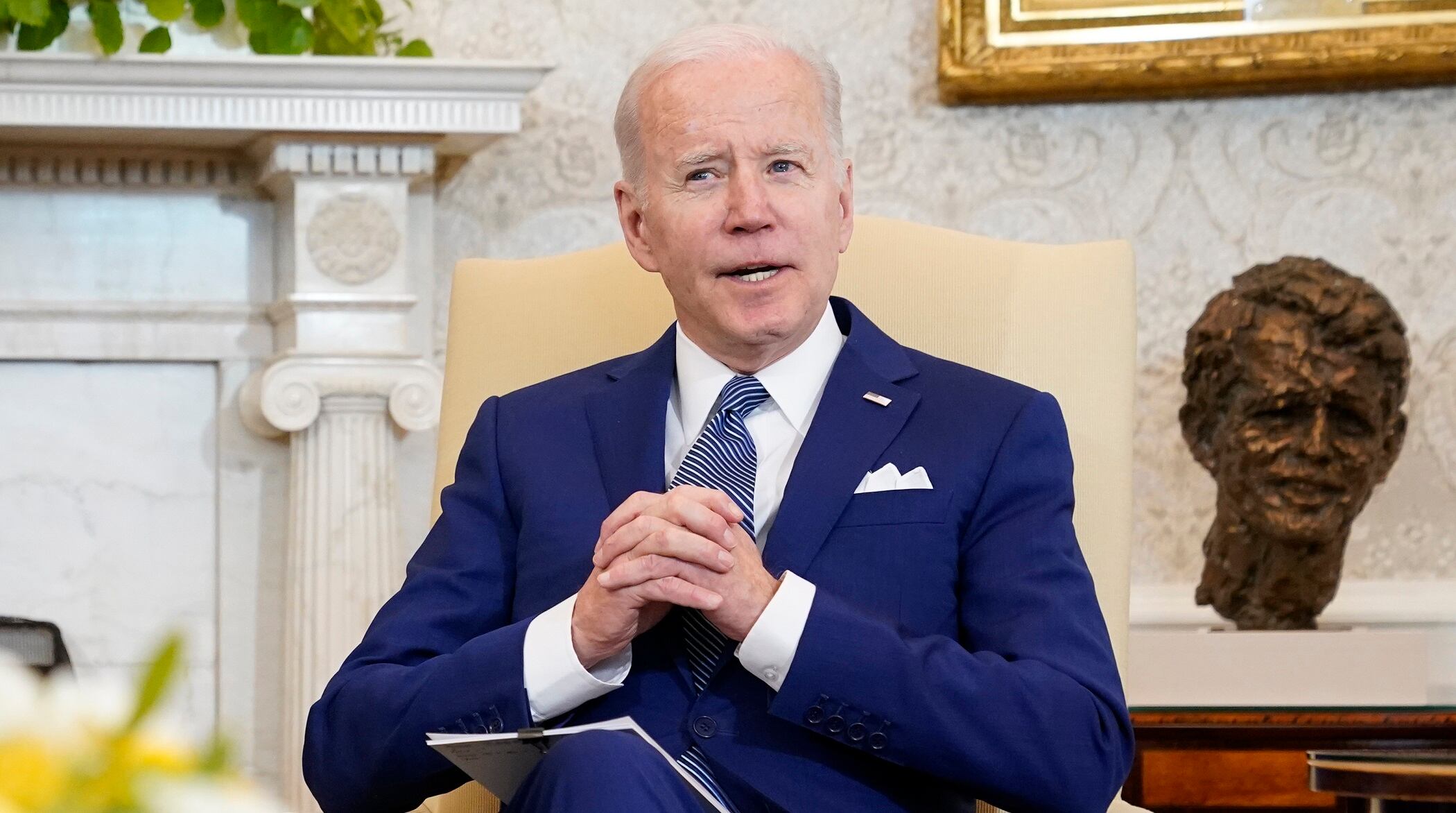
President Joe Biden on Wednesday signed a long-awaited executive order on cryptocurrencies, striking a careful balance between highlighting the risks of digital assets and touting their potential benefits.
McDonald’s said Tuesday it is temporarily closing all of its 850 restaurants in Russia in response to the country's invasion of Ukraine. The burger giant said it will continue paying its 62,000 employees in Russia.
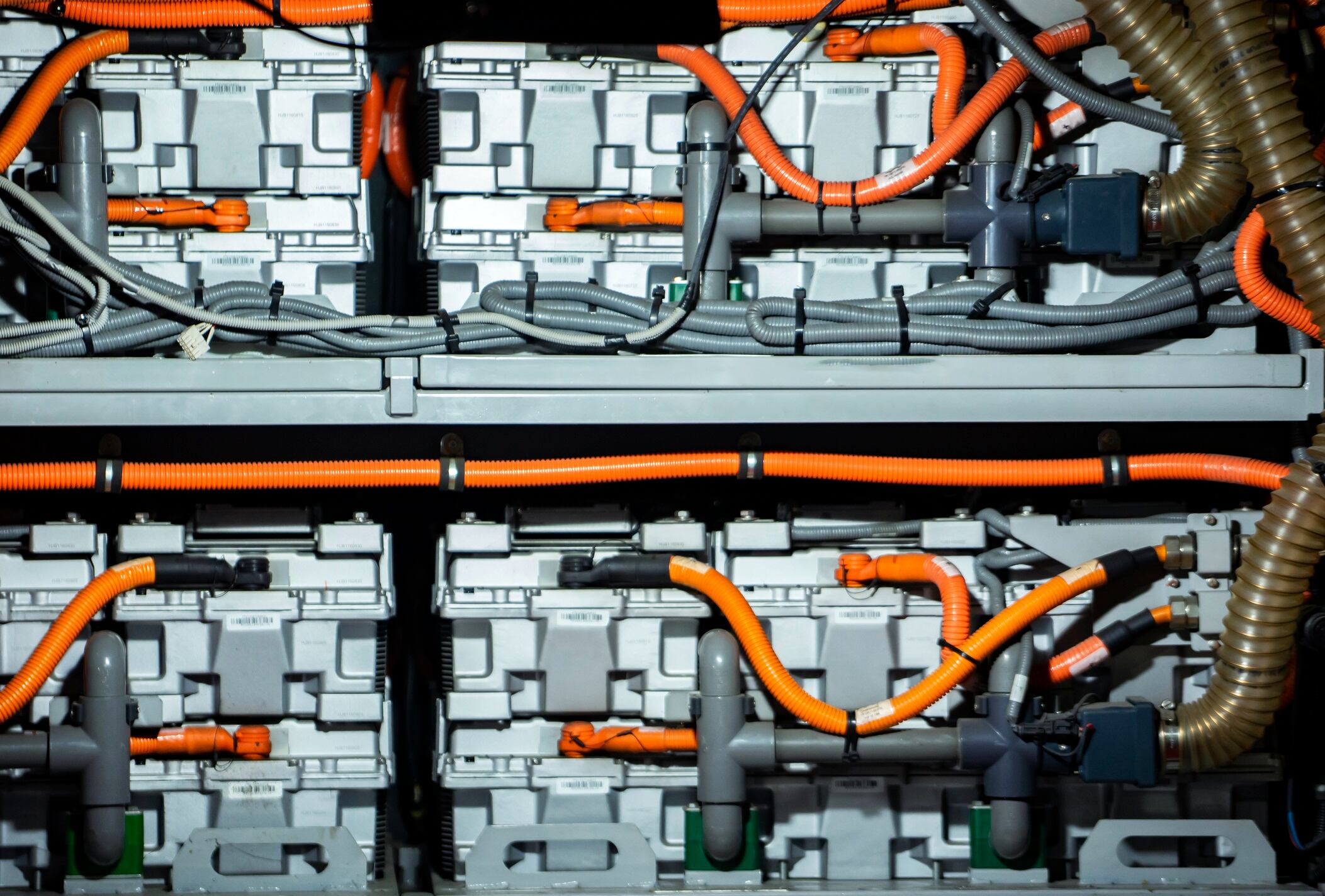
The price of nickel, one of the key minerals needed to produce stainless steel and lithium-ion batteries, saw an unprecedented surge Tuesday amid fears that Western sanctions could cut off Russian supplies of the crucial commodity.
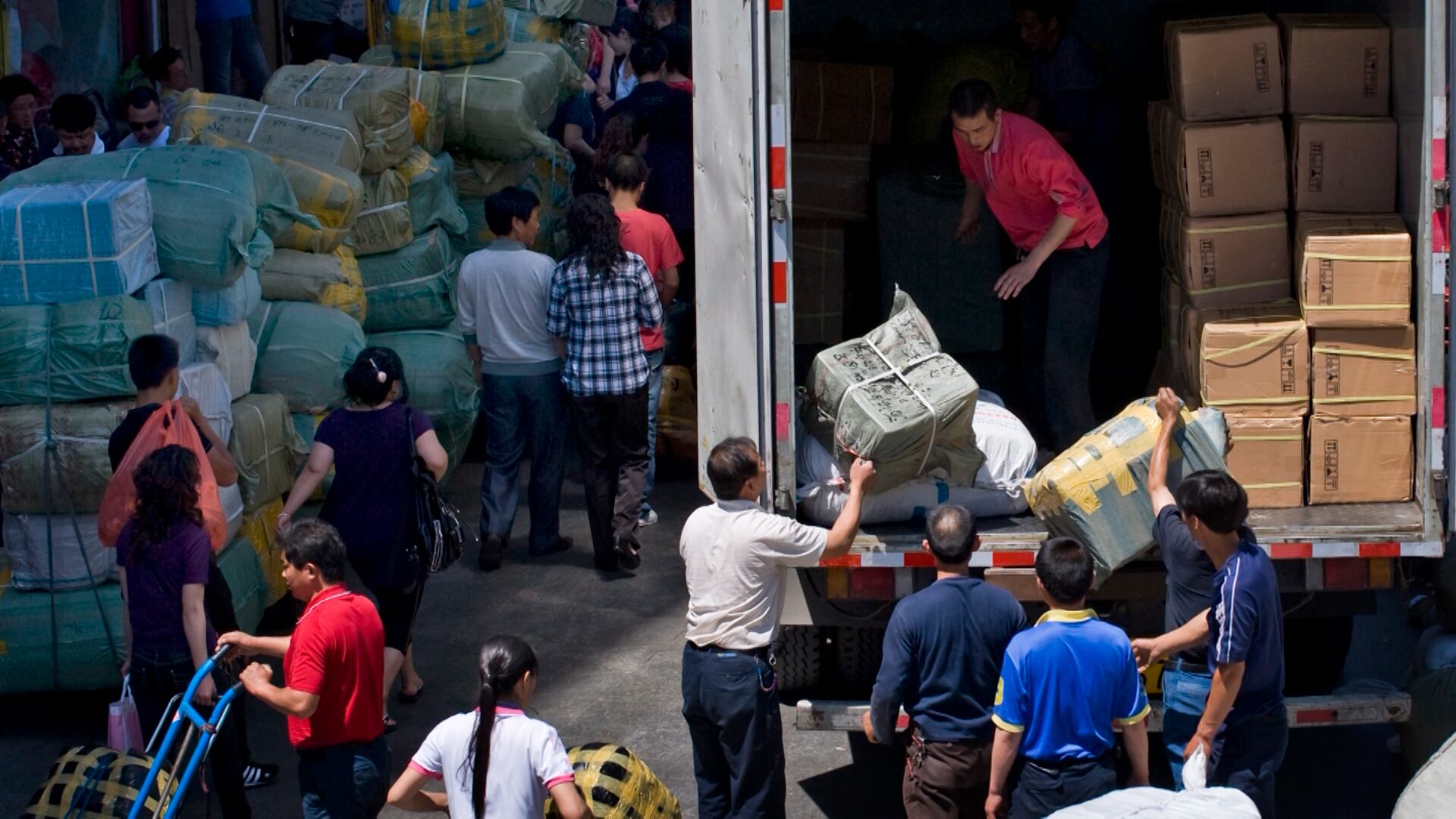
As Western companies cut ties with Russia over its invasion of Ukraine, there's a possibility their Chinese rivals could move in and fill the void. Major corporations such as Apple, Samsung, Dell, and more have halted sales in Russia in hopes of encouraging Putin to back down, but now it seems those sanctions could be presenting a unique opportunity for China. Michael Friedson, Co-founder and Executive Editor of The Media Line News Agency, joined Cheddar's Opening Bell to discuss how these Western boycotts are reshaping geopolitical alignments, the global economy, and international trade.
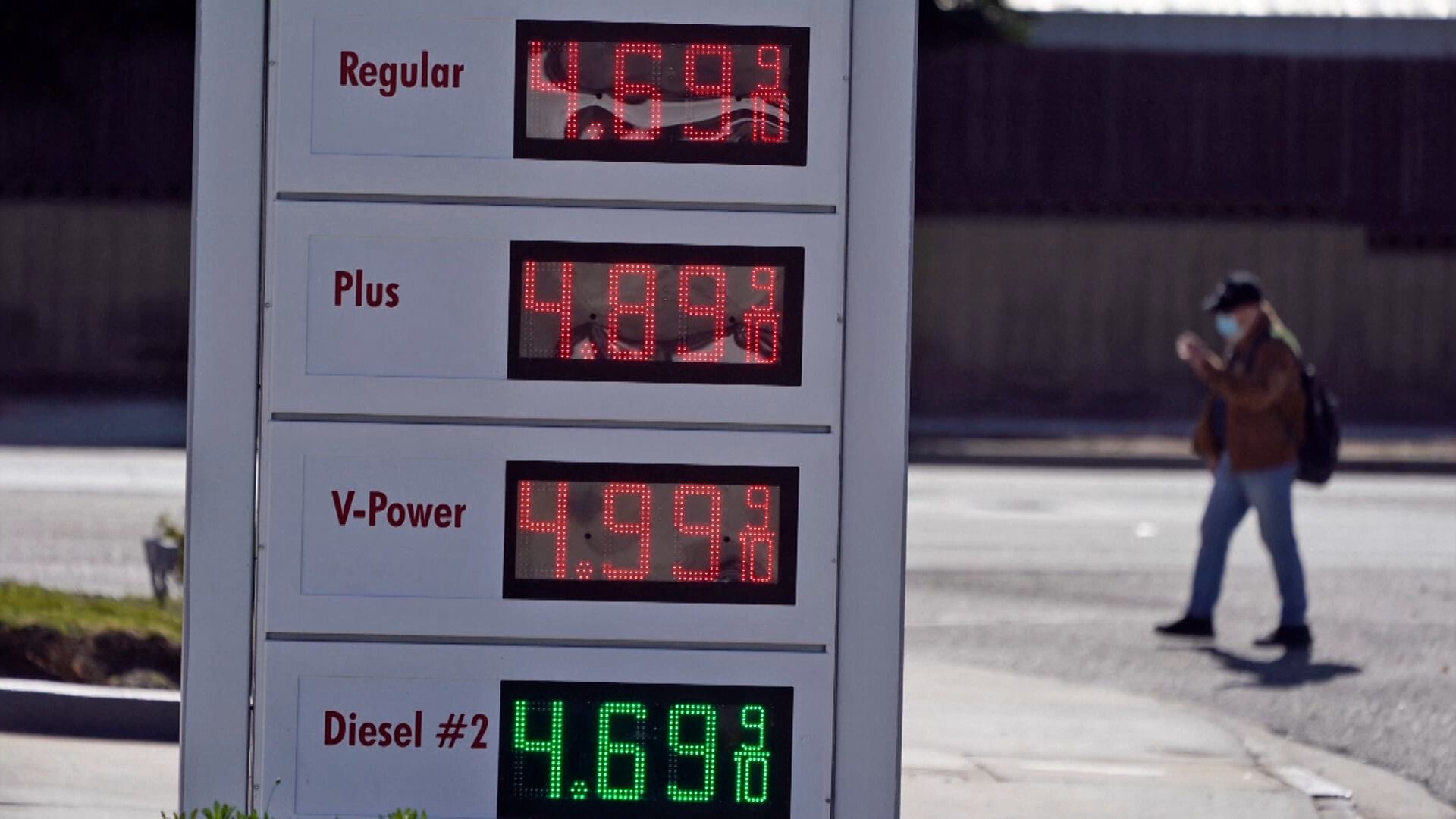
Gas prices have reached their highest level since 2008, topping an average of $4 across the country. The surge comes as Russia's invasion of Ukraine triggers supply concerns in what was already an extremely tight oil market. Jay Hatfield, Chief Investment Officer at ICAP, breaks down why costs at the pump are so high right now, and just how high they could go.
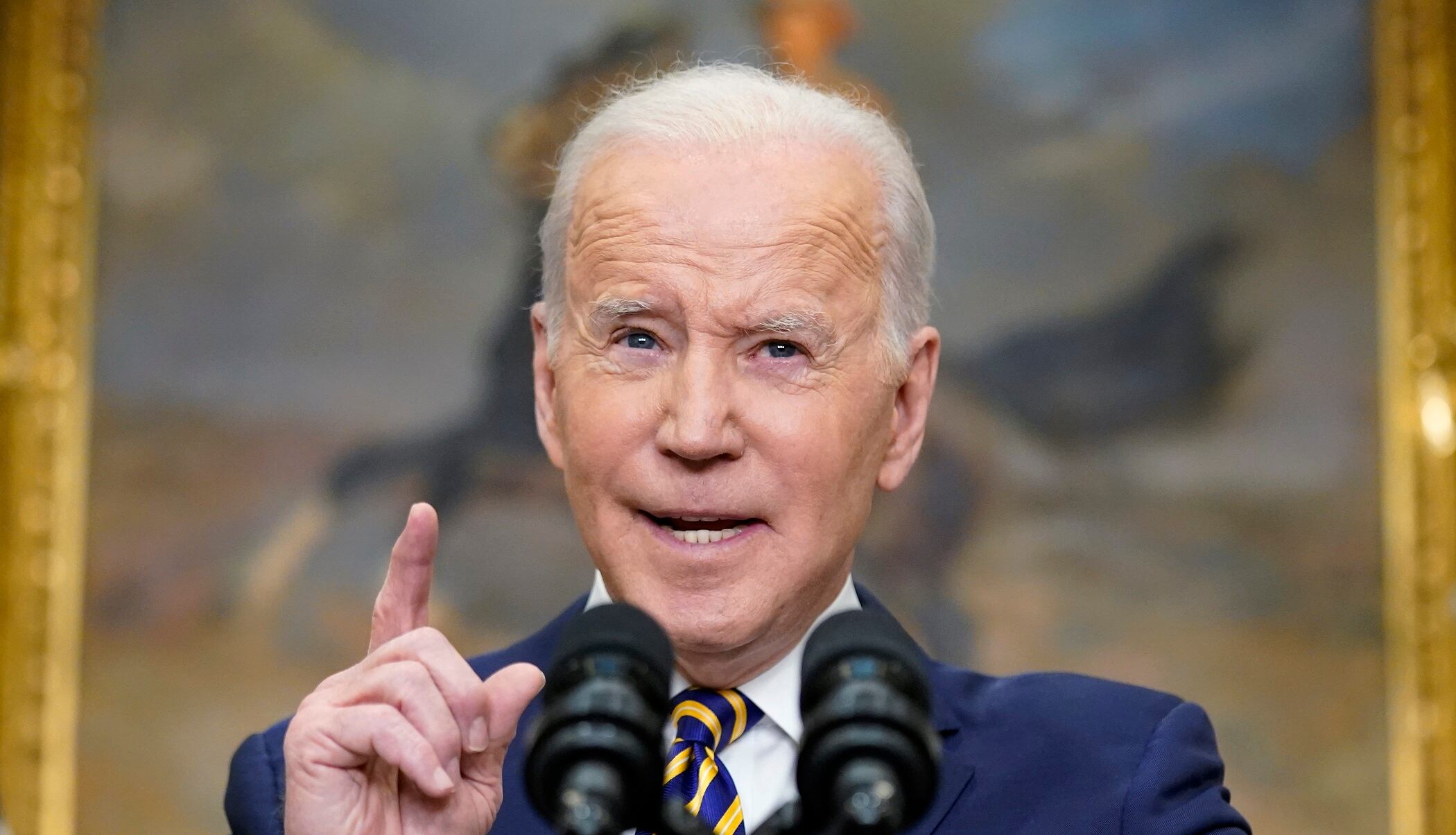
President Joe Biden has announced that the U.S. will ban all Russian oil imports, toughening the toll on Russia’s economy in retaliation for its invasion of Ukraine.
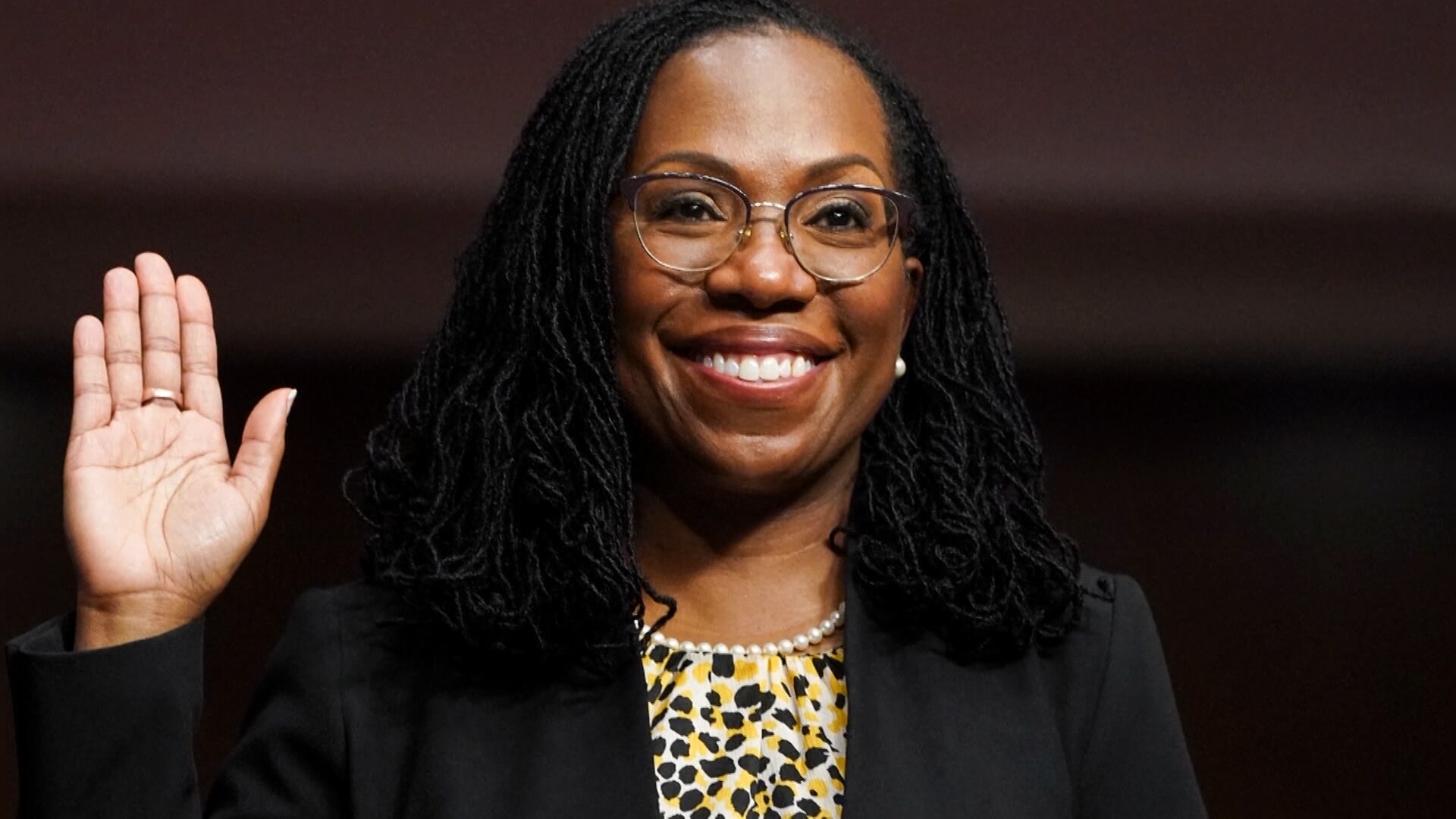
If confirmed, judge Ketanji Brown Jackson could become the first black woman on the bench of the U.S. Supreme Court. Cheddar News speaks with Katie Barlow, Chief Legal Correspondent at Fox 5 to discuss the significance of the nomination.
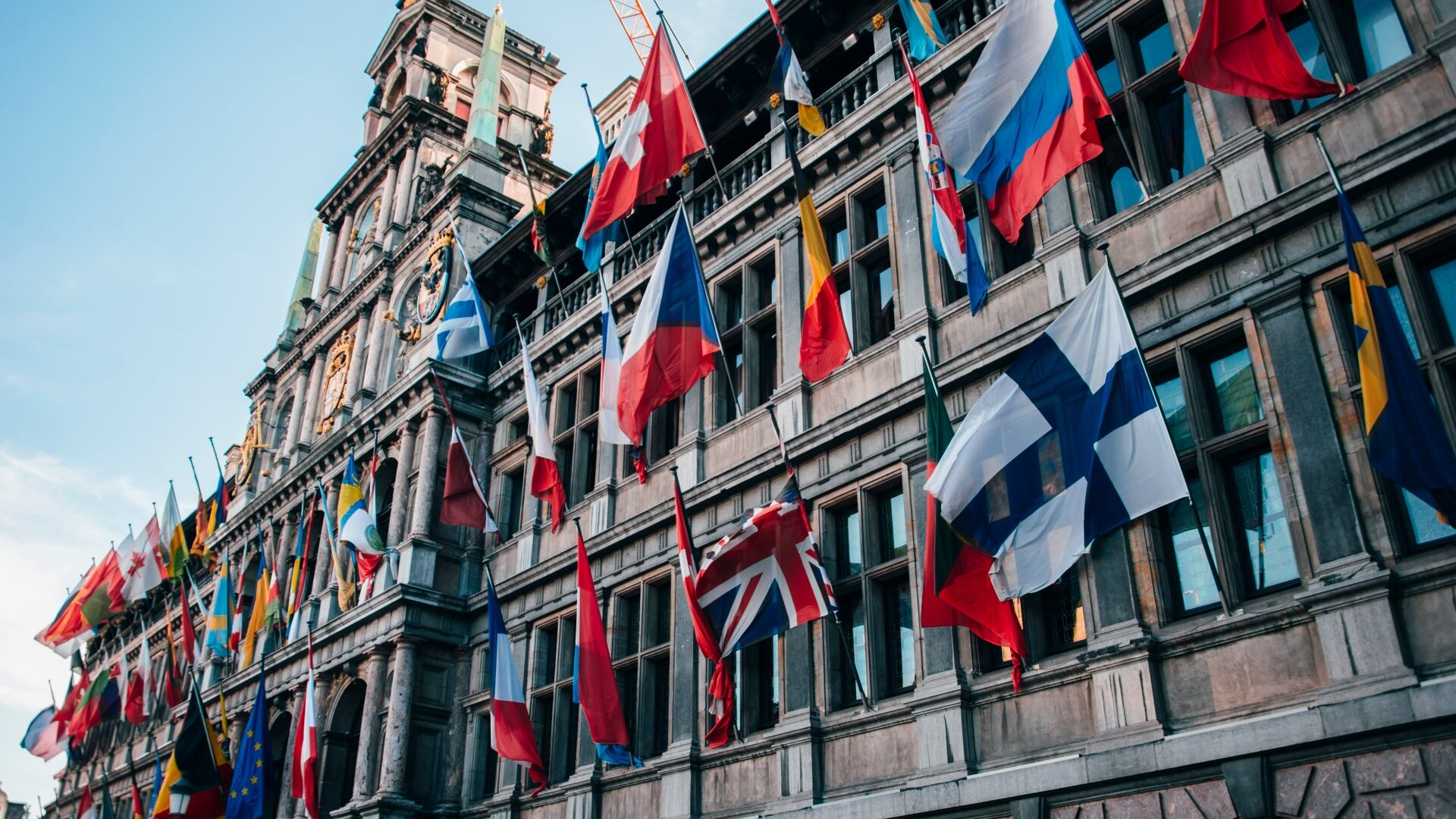
The European Union is historically divided and slow when it comes to decision-making, but in the recent weeks, the 27 members have agreed upon several sanctions and decisions regarding foreign policy and defense. The EU has cut off Russian banks from the swift payment system, blocked Russian propaganda channels, and closed European skies for air travel to and from Russia. Germany, for example, who has refused to send any deadly weapons to conflict zones, has now agreed to send lethal weapons to Ukraine. Rupert Steiner, London Bureau Chief at Barron's, joins cheddar news to discuss.
Sam Stovall, Chief Investment Strategist at CFRA Research, joins Cheddar News' Closing Bell where he dives into the factors contributing to Monday's market plunge and what could be in store when February's CPI data comes out on Tuesday.
Derek Shearer, former U.S. Ambassador to Finland and contributing writer for Washington Monthly, joins Cheddar News to discuss the latest developments in the Russia-Ukraine conflict.