Are Alexandria Ocasio-Cortez's Tax Views That Far Out of the Mainstream?
*By Carlo Versano*
When freshman Democratic Rep. Alexandria Ocasio-Cortez floated the idea to Anderson Cooper on "60 Minutes" Sunday that the very wealthy pay a marginal tax rate as high as 70 percent, it got pundits and politicians all worked up. What exactly was the newly-elected, self-proclaimed radical proposing?
But as it turns out, a higher marginal tax rate is not particularly radical in the context of American history. Marginal tax rates, in which taxes increase as income rises, were as high as 90 percent under President Eisenhower, and were above 50 percent up until the second Reagan tax cut.
But according to Kyle Pomerleau, an economist at the Tax Foundation, a nonpartisan, business-friendly think tank, higher marginal rates do not bring in the promised revenue, and instead are an example of "the worst of both worlds."
Ocasio-Cortez's policy would "distort behavior" as individuals in the highest brackets would find ways to skirt the system. One of the ways they would do that, Pomerleau said, would be to stop selling assets defined as capital gains, which make up the majority of the taxable income at the top of the ladder and are only taxed when they're sold. "The amount of taxable realizations will plummet," Pomerleau said.
The safety net programs that progressives like Ocasio-Cortez seek to strengthen, like Medicare and Social Security, are better funded through other forms of taxation, Pomerleau said, such as a payroll tax, or the European model of sales, payroll, and value-added taxes. But the bottom line, he said, is that "everyone is going to have to pay higher taxes."
That is not a foregone conclusion. Those who advocate for very high marginal tax rates on the wealthy include some respected economists, including Nobel Prize-winner Peter Diamond. Diamond has estimated the top tax rate should be [73 percent](https://www.aeaweb.org/articles?id=10.1257/jep.25.4.165), while a pair of Berkeley economists have put it as high as [80 percent](http://ceg.berkeley.edu/research_117_2123314150.pdf).
Or as Paul Krugman [put it](https://www.nytimes.com/2019/01/05/opinion/alexandria-ocasio-cortez-tax-policy-dance.html?action=click&module=Opinion&pgtype=Homepage) on Monday: "The optimal tax rate on people with very high incomes is the rate that raises the maximum possible revenue."
At the very least, Ocasio-Cortez's ideas about the marginal tax rate, given that she has such an outsized megaphone within the Democratic Party at the moment, signals that Democrats are getting "more serious" about progressive income taxation, Pomerleau said.
And both sides can agree that the individual tax code is in need of simplification, he said. "There's still a lot of work to be done to fix that."
For full interview [click here](https://cheddar.com/videos/ocasio-cortez-calls-for-radical-income-tax-reform).
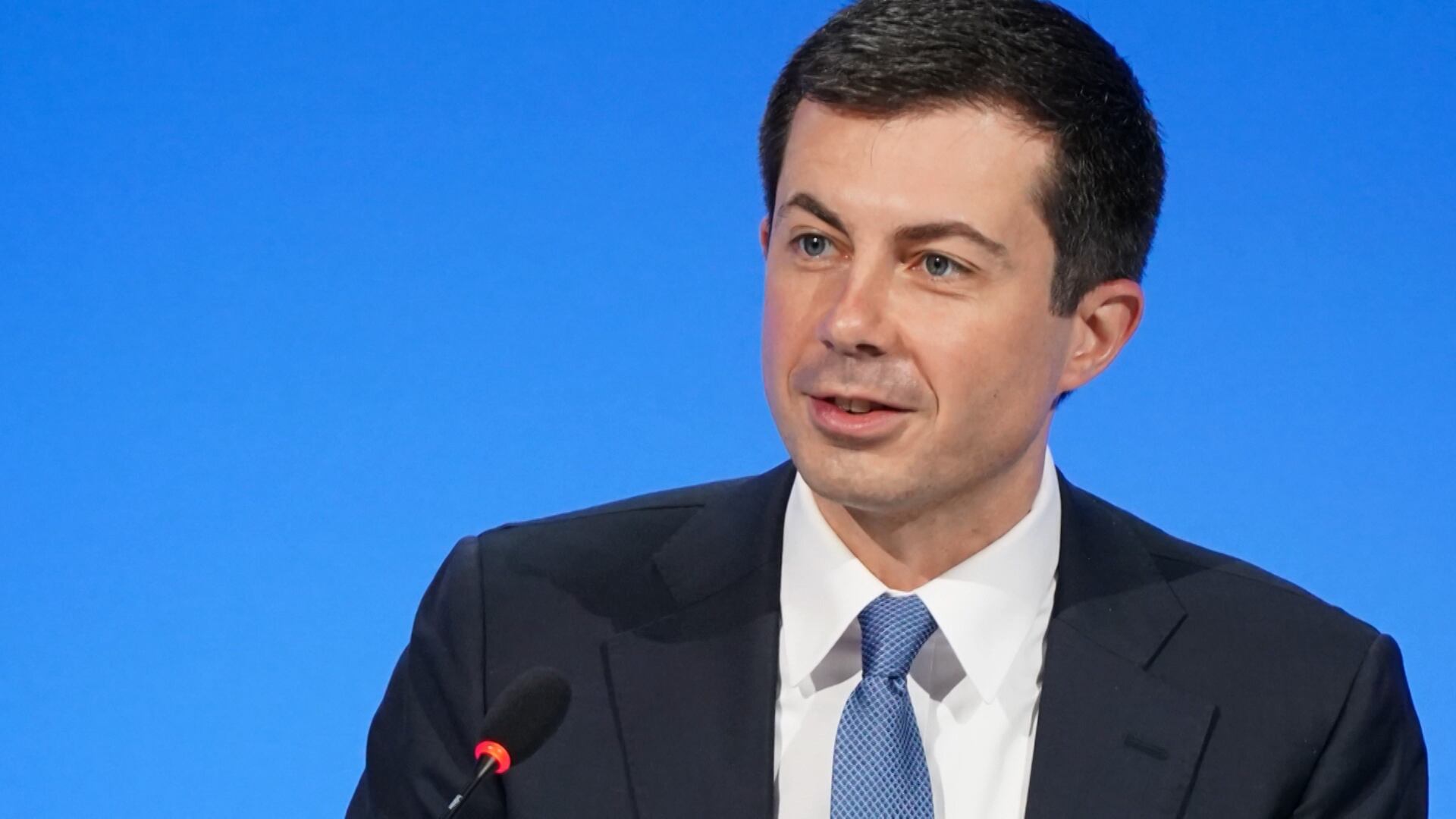
Transportation Secretary Pete Buttigieg joined Cheddar's Michelle Castillo from South By Southwest to boost President Biden's bipartisan infrastructure legislation and talk about the big transportation issues of the day, including electric vehicle charging infrastructure and the future of public transit. "It means we have a huge wind at our back delivering on the kinds of transportation solutions that are going to define the 2020's 2030s, 2040s even," he said. "And that's what makes it exciting to come to South by Southwest and talk with some of the people who are following these technologies and ideas the most closely and talk about where we're headed." Buttigieg also touched on the "Don't Say Gay" legislation in Florida, noting that such legislative pushes were likely coming from politicians deflecting from lacking answers to pressing economic concerns, in his opinion.
Following President Biden's executive order that could lead toward regulating digital currency in the United States. Representative Josh Gottheimer (D-N.J. 5th District), the congressman responsible for proposing a bill to regulate stablecoins, digital assets backed by fiat currencies, joined Cheddar News to discuss the bill. "I just want to make sure that we're doing everything we can to be helpful to encourage this innovation and growth here in the United States," he said.
European antitrust regulators gave Amazon approval for its MGM acquisition deal. Amazon expects MGM's collection of content will help it compete in the increasingly crowded world of streaming services.
Lisa Whalen, managing director of automotive and mobility analysis at Morning Consult, joins Cheddar News to discuss Uber and Lyft's decision to enact price surcharges on riders.
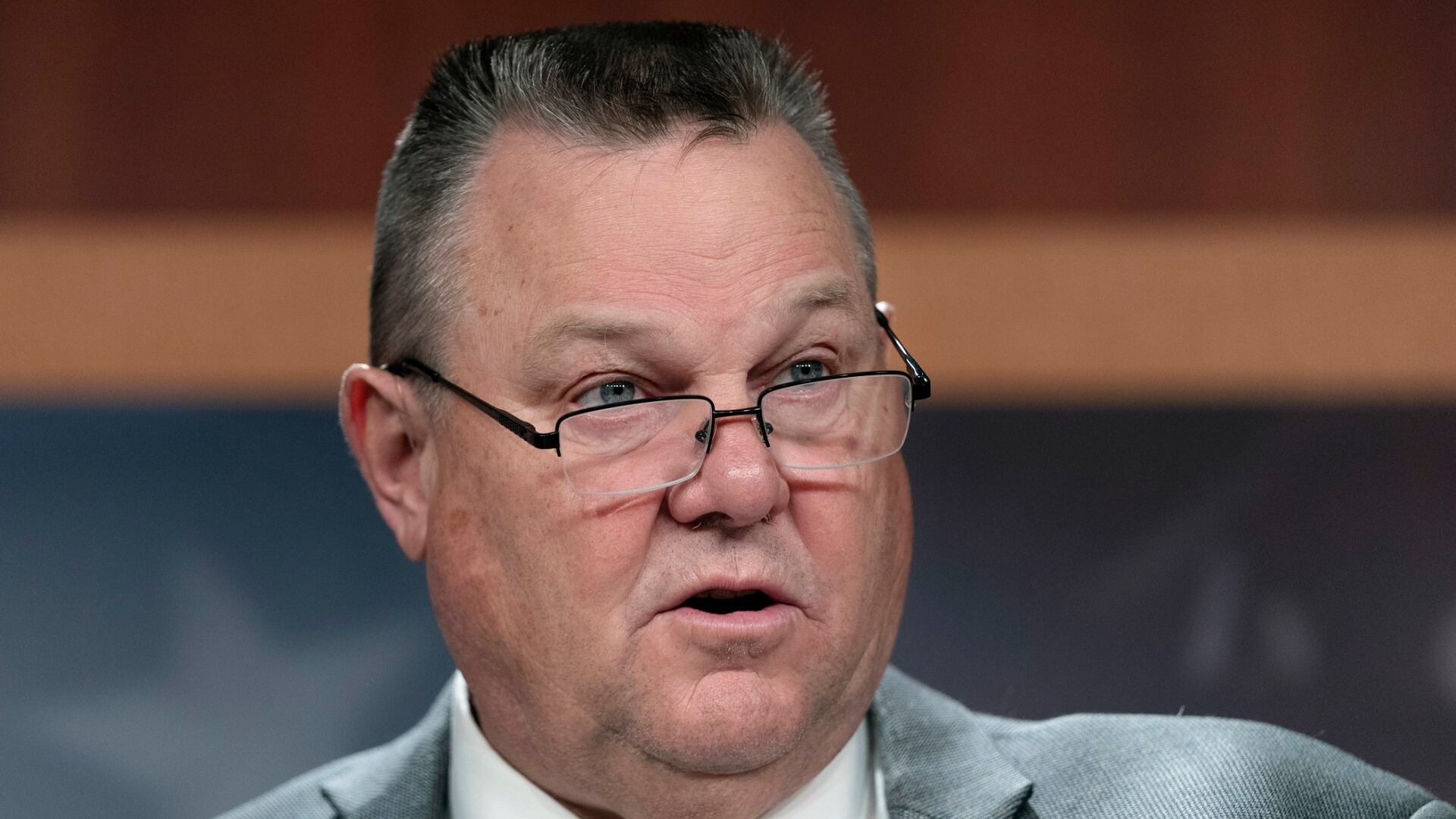
Senator Jon Tester (D-Mont.) joined Cheddar News to talk about a range of topics including Sarah Bloom Raskin's recent withdrawal as a nominee to the Federal Reserve, the impact the Federal Reserve will have on inflation, and the ongoing crisis in Ukraine. "I think it's unfortunate she had to withdraw. I think she was very, very qualified for the position by everything she's done in her past, especially in the area of cyber," he said. "She would have been good to have on the Fed."
With a zero-covid policy in China, country officials are imposing lockdowns in the region in an attempt to control the spread. With China being home to about one-third of global manufacturing, these lockdowns are wreaking havoc on the already fragile supply chain, causing disruption to production of phones and cars alike. Suketu Gandhi, Supply Chain Partner at Kearney joined Cheddar's Azia Celestino to discuss.
Markets opened higher this morning as oil prices fall and investors await a decision from the Federal Reserve. Keith Fitz-Gerald, Chief Investment Officer, Fitz-Gerald Group joined Cheddar's Opening Bell to discuss.
Catching you up on what you Need to Know on March 16, 2022, with updates on Ukraine and Russia, a container ship gets stuck in the Chesapeake Bay, Disney employees stage a walkout over the "Don't Say Gay" law in Florida, and NASA completes its first spacewalk of 2022.
With the Fed about to the announce a 25 basis point interest rate hike on Wednesday, what exactly does this mean for investors, consumers, and businesses?
Ukrainian President Volodymyr Zelenskyy has summoned the memory of Pearl Harbor and the Sept. 11 terror attacks in an impassioned video plea to Congress to send more help for Ukraine’s fight against Russia.