Are Alexandria Ocasio-Cortez's Tax Views That Far Out of the Mainstream?
*By Carlo Versano*
When freshman Democratic Rep. Alexandria Ocasio-Cortez floated the idea to Anderson Cooper on "60 Minutes" Sunday that the very wealthy pay a marginal tax rate as high as 70 percent, it got pundits and politicians all worked up. What exactly was the newly-elected, self-proclaimed radical proposing?
But as it turns out, a higher marginal tax rate is not particularly radical in the context of American history. Marginal tax rates, in which taxes increase as income rises, were as high as 90 percent under President Eisenhower, and were above 50 percent up until the second Reagan tax cut.
But according to Kyle Pomerleau, an economist at the Tax Foundation, a nonpartisan, business-friendly think tank, higher marginal rates do not bring in the promised revenue, and instead are an example of "the worst of both worlds."
Ocasio-Cortez's policy would "distort behavior" as individuals in the highest brackets would find ways to skirt the system. One of the ways they would do that, Pomerleau said, would be to stop selling assets defined as capital gains, which make up the majority of the taxable income at the top of the ladder and are only taxed when they're sold. "The amount of taxable realizations will plummet," Pomerleau said.
The safety net programs that progressives like Ocasio-Cortez seek to strengthen, like Medicare and Social Security, are better funded through other forms of taxation, Pomerleau said, such as a payroll tax, or the European model of sales, payroll, and value-added taxes. But the bottom line, he said, is that "everyone is going to have to pay higher taxes."
That is not a foregone conclusion. Those who advocate for very high marginal tax rates on the wealthy include some respected economists, including Nobel Prize-winner Peter Diamond. Diamond has estimated the top tax rate should be [73 percent](https://www.aeaweb.org/articles?id=10.1257/jep.25.4.165), while a pair of Berkeley economists have put it as high as [80 percent](http://ceg.berkeley.edu/research_117_2123314150.pdf).
Or as Paul Krugman [put it](https://www.nytimes.com/2019/01/05/opinion/alexandria-ocasio-cortez-tax-policy-dance.html?action=click&module=Opinion&pgtype=Homepage) on Monday: "The optimal tax rate on people with very high incomes is the rate that raises the maximum possible revenue."
At the very least, Ocasio-Cortez's ideas about the marginal tax rate, given that she has such an outsized megaphone within the Democratic Party at the moment, signals that Democrats are getting "more serious" about progressive income taxation, Pomerleau said.
And both sides can agree that the individual tax code is in need of simplification, he said. "There's still a lot of work to be done to fix that."
For full interview [click here](https://cheddar.com/videos/ocasio-cortez-calls-for-radical-income-tax-reform).
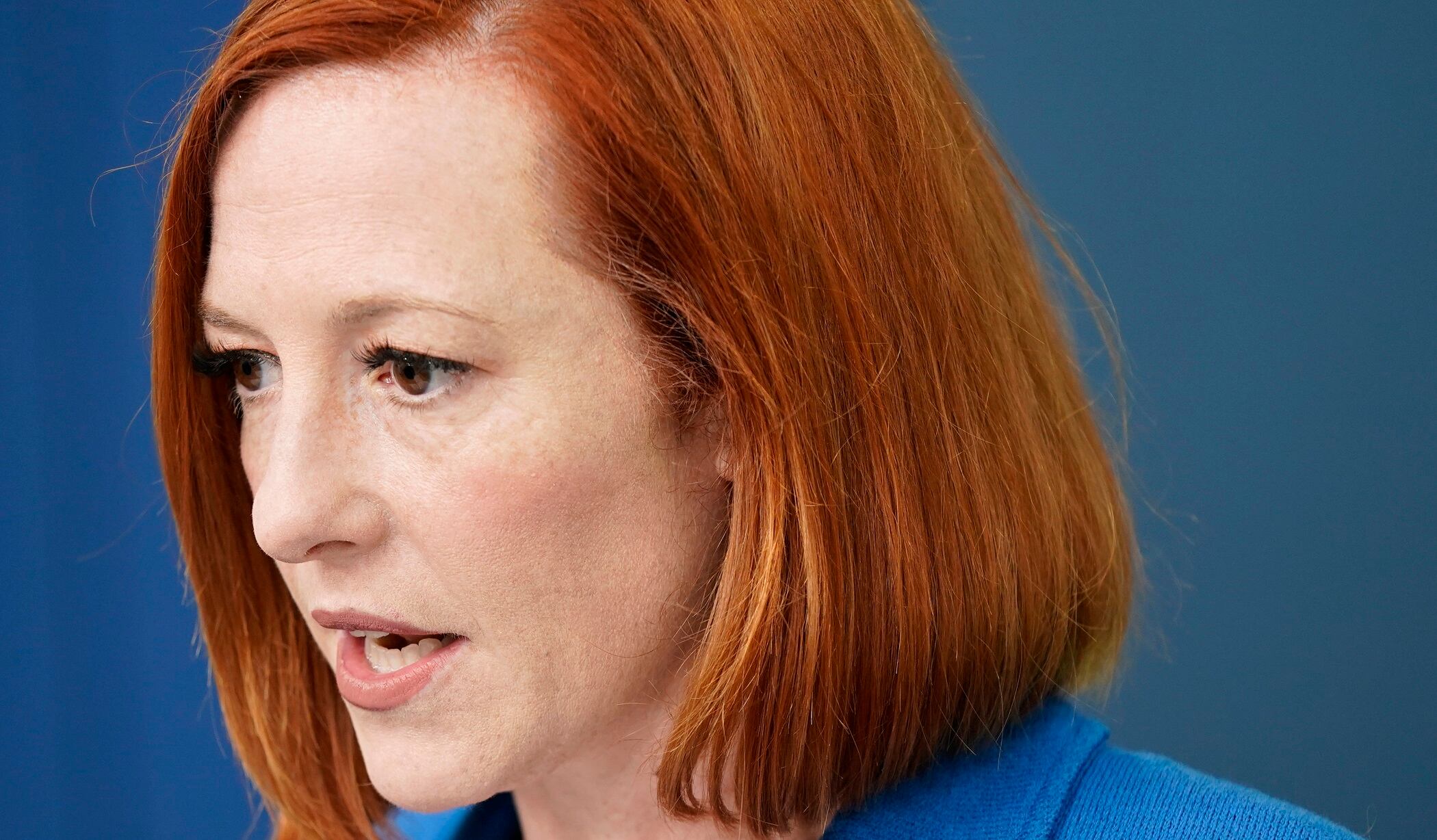
White House press secretary Jen Psaki said Tuesday that she has tested positive again for COVID-19 and will not accompany President Joe Biden to Europe for meetings on Russia’s invasion of Ukraine.
Reshma Saujani, the founder of the nonprofit Girls Who Code, discusses the workplace inequities further exposed by the pandemic and her latest book, "Pay Up: The Future of Women and Work (and Why It's Different Than You Think).
Since Russia invaded Ukraine, the United States, along with much of the Western world, has imposed economic sanctions on Russia’s economy and its oligarchs. And these measures are costing these oligarchs — billions. So what exactly is an oligarch and what are their ties to Putin and the ongoing invasion? And will sanctioning them work?
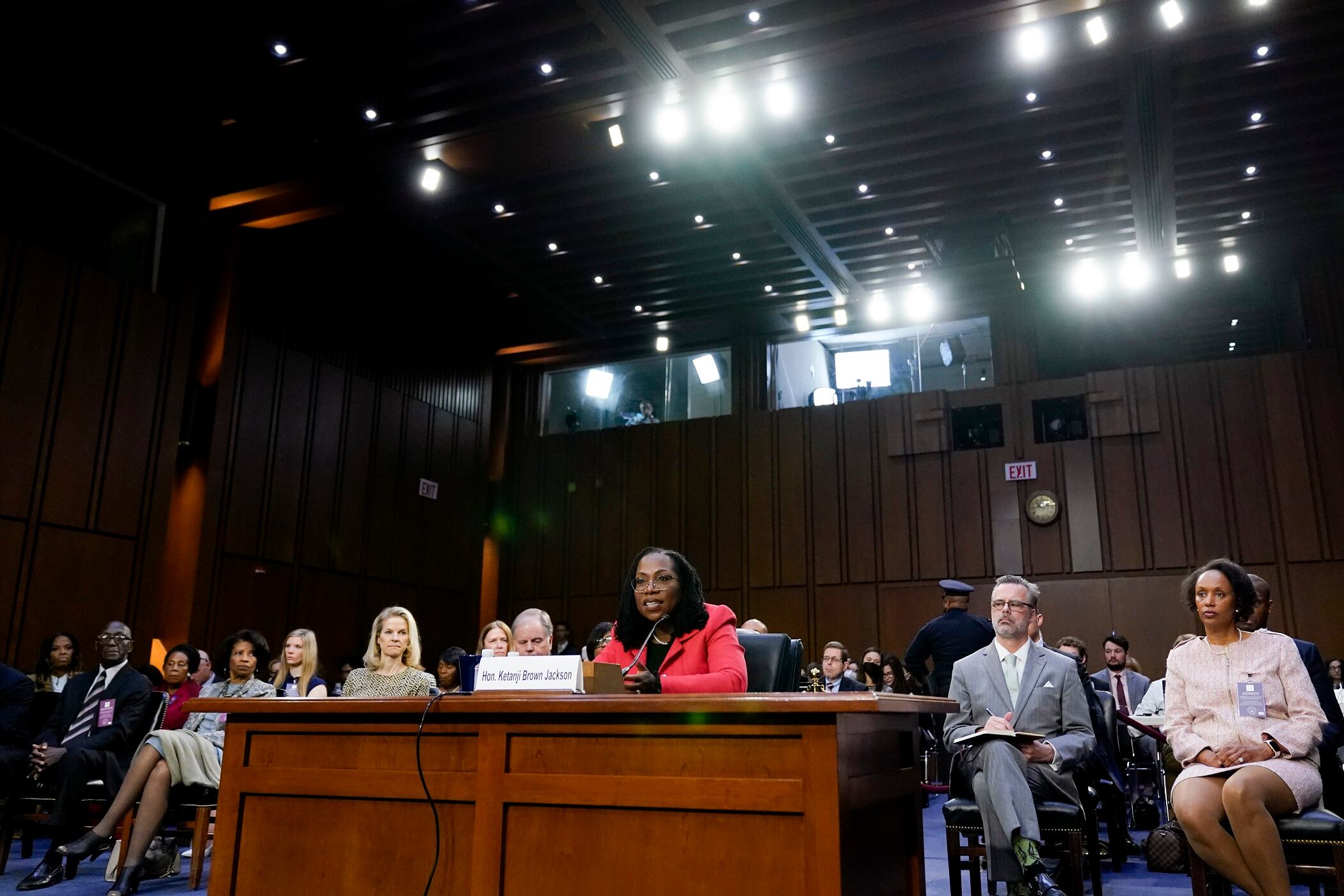
Ketanji Brown Jackson is forcefully defending her record as a federal judge, telling senators she will rule “from a position of neutrality” if she is confirmed as the first Black woman on the high court.
Ukraine remains defiant as the Russian invasion is approaching its fourth week. Cheddar News speaks with Former Obama Campaign Foreign Policy Advisor David Tafuri, on Russia’s war efforts so far and how it might shift tactics moving forward.
While investors soured on Fed Chair Jerome Powell's remarks on interest rates Monday, Anthony Saccaro, Founder and President at Providence Financial explains why he is supportive of the Fed's approach on Cheddar News' Closing Bell.
As Russia continues to wage war in Ukraine, 10 million of its citizens have fled their homes according to the UN, with more and more refugees flooding into other European countries. Nancy Dent, senior global communications officer for Europe and Asia at the aid group International Rescue Committee, joined Cheddar News to discuss the deteriorating conditions. “What's really clear from my time at the border today, in particular, is that people really are fleeing for their lives now," she said. "Two million people, 60 percent of the refugee population from Ukraine is now in Poland, and people are arriving with smaller bags really unprepared."
Will Larkins, president and co-founder of Winter Park High School's Queer Student Union and one of the organizers of its
'Say Gay Anyway' walkout, joined Cheddar News to discuss their recent opinion piece for The New York Times titled "Florida's 'Don't Say Gay' Bill Will Hurt Teens Like Me."
Russia's military advances in Ukraine appear to have stalled, as heavy casualties, equipment losses, and a lack of progress on the ground take a toll. Despite the horrific damage caused by the attack, Ukraine's military has held up better than many experts predicted. Elliot Ackerman, author and Marine Corps Veteran, joined Cheddar's Opening Bell to discuss why Ukraine's defense response been such a surprise, and what a stalemate in the war might look like.