Are Alexandria Ocasio-Cortez's Tax Views That Far Out of the Mainstream?
*By Carlo Versano*
When freshman Democratic Rep. Alexandria Ocasio-Cortez floated the idea to Anderson Cooper on "60 Minutes" Sunday that the very wealthy pay a marginal tax rate as high as 70 percent, it got pundits and politicians all worked up. What exactly was the newly-elected, self-proclaimed radical proposing?
But as it turns out, a higher marginal tax rate is not particularly radical in the context of American history. Marginal tax rates, in which taxes increase as income rises, were as high as 90 percent under President Eisenhower, and were above 50 percent up until the second Reagan tax cut.
But according to Kyle Pomerleau, an economist at the Tax Foundation, a nonpartisan, business-friendly think tank, higher marginal rates do not bring in the promised revenue, and instead are an example of "the worst of both worlds."
Ocasio-Cortez's policy would "distort behavior" as individuals in the highest brackets would find ways to skirt the system. One of the ways they would do that, Pomerleau said, would be to stop selling assets defined as capital gains, which make up the majority of the taxable income at the top of the ladder and are only taxed when they're sold. "The amount of taxable realizations will plummet," Pomerleau said.
The safety net programs that progressives like Ocasio-Cortez seek to strengthen, like Medicare and Social Security, are better funded through other forms of taxation, Pomerleau said, such as a payroll tax, or the European model of sales, payroll, and value-added taxes. But the bottom line, he said, is that "everyone is going to have to pay higher taxes."
That is not a foregone conclusion. Those who advocate for very high marginal tax rates on the wealthy include some respected economists, including Nobel Prize-winner Peter Diamond. Diamond has estimated the top tax rate should be [73 percent](https://www.aeaweb.org/articles?id=10.1257/jep.25.4.165), while a pair of Berkeley economists have put it as high as [80 percent](http://ceg.berkeley.edu/research_117_2123314150.pdf).
Or as Paul Krugman [put it](https://www.nytimes.com/2019/01/05/opinion/alexandria-ocasio-cortez-tax-policy-dance.html?action=click&module=Opinion&pgtype=Homepage) on Monday: "The optimal tax rate on people with very high incomes is the rate that raises the maximum possible revenue."
At the very least, Ocasio-Cortez's ideas about the marginal tax rate, given that she has such an outsized megaphone within the Democratic Party at the moment, signals that Democrats are getting "more serious" about progressive income taxation, Pomerleau said.
And both sides can agree that the individual tax code is in need of simplification, he said. "There's still a lot of work to be done to fix that."
For full interview [click here](https://cheddar.com/videos/ocasio-cortez-calls-for-radical-income-tax-reform).
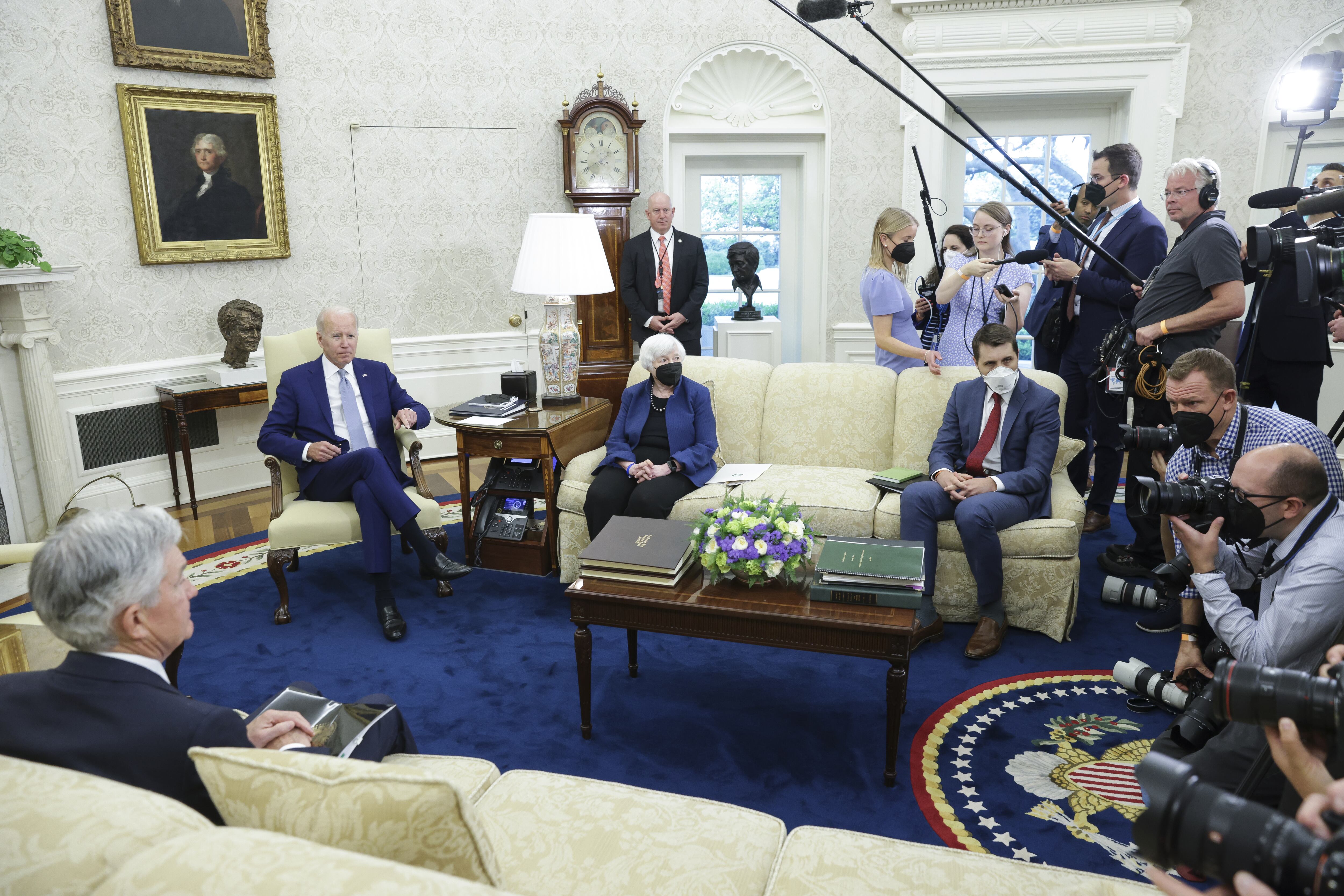
President Biden and Federal Reserve chair Jerome Powell meet at the White House today for the first time since Powell's renomination to the position. The President and the Fed Chair discussed the economy and historically high inflation, as new data shows inflation may be cooling slightly. Morning Consult economic analyst Jesse Wheeler joins Cheddar News' Closing Bell to discuss how the Biden administration at the U.S. central bank can work together to combat soaring prices for American consumers.
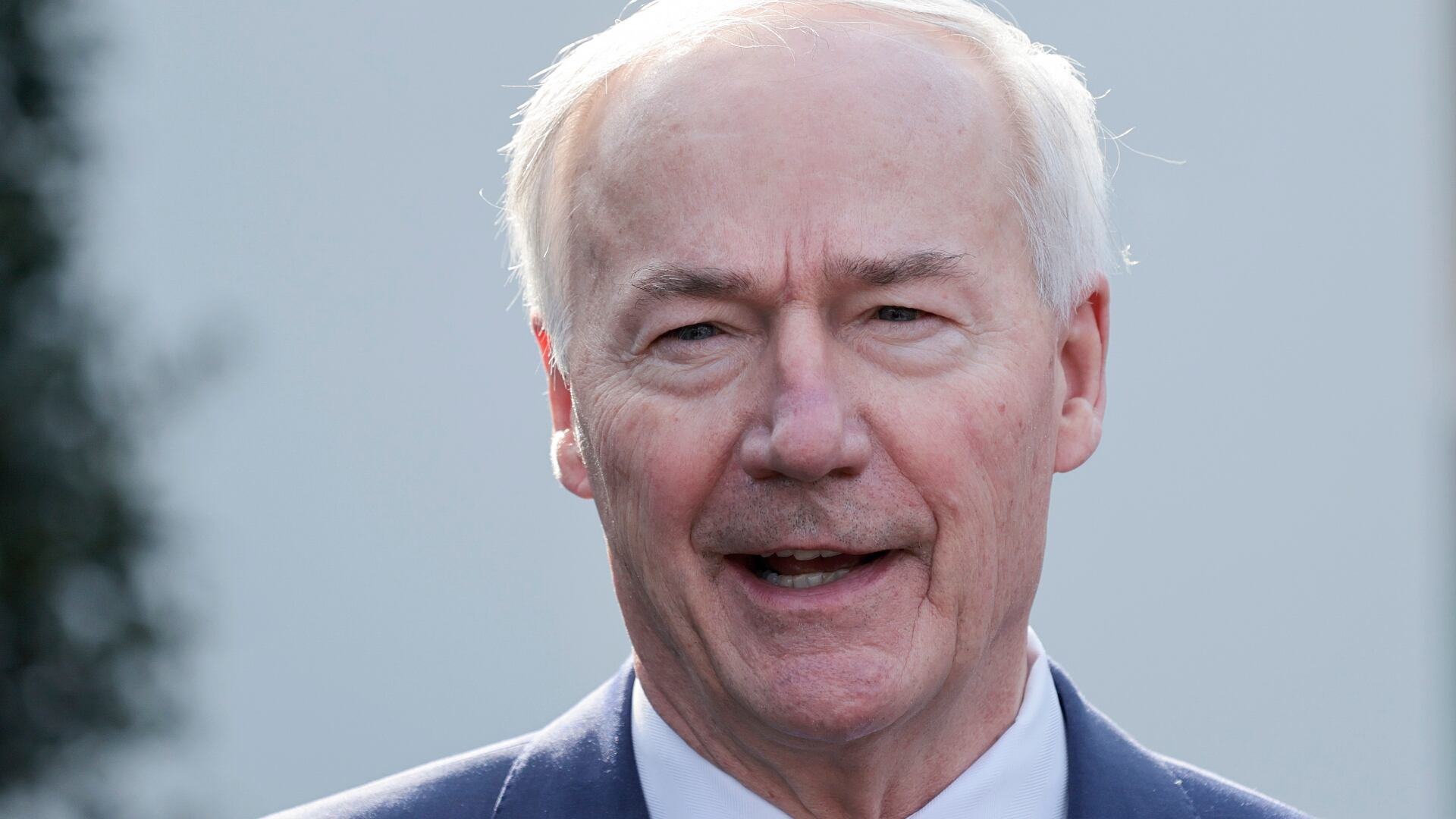
In the second part of Cheddar's talk with Governor Asa Hutchinson, the Republican from Arkansas discussed his state's abortion trigger law and the overturning of Roe v. Wade, the Texas law that would prevent social media platform moderation currently being held up by the U.S. Supreme Court, and rumors of his 2024 presidential run. "I did go to New Hampshire. I am testing the waters out there, so no decision at this point. But we're looking at it," he said, noting that if former President Donald Trump runs, it would not affect his own decision.
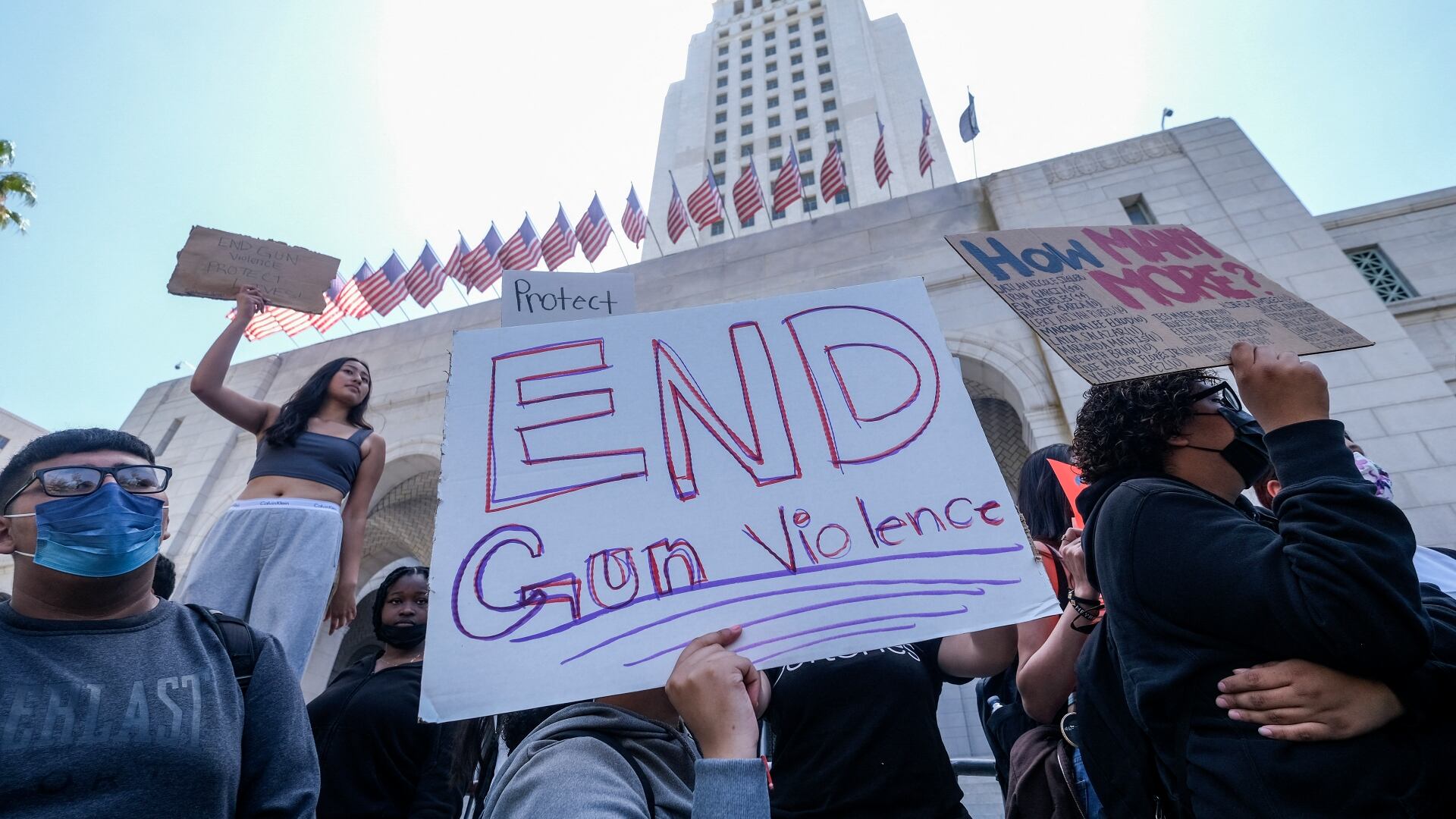
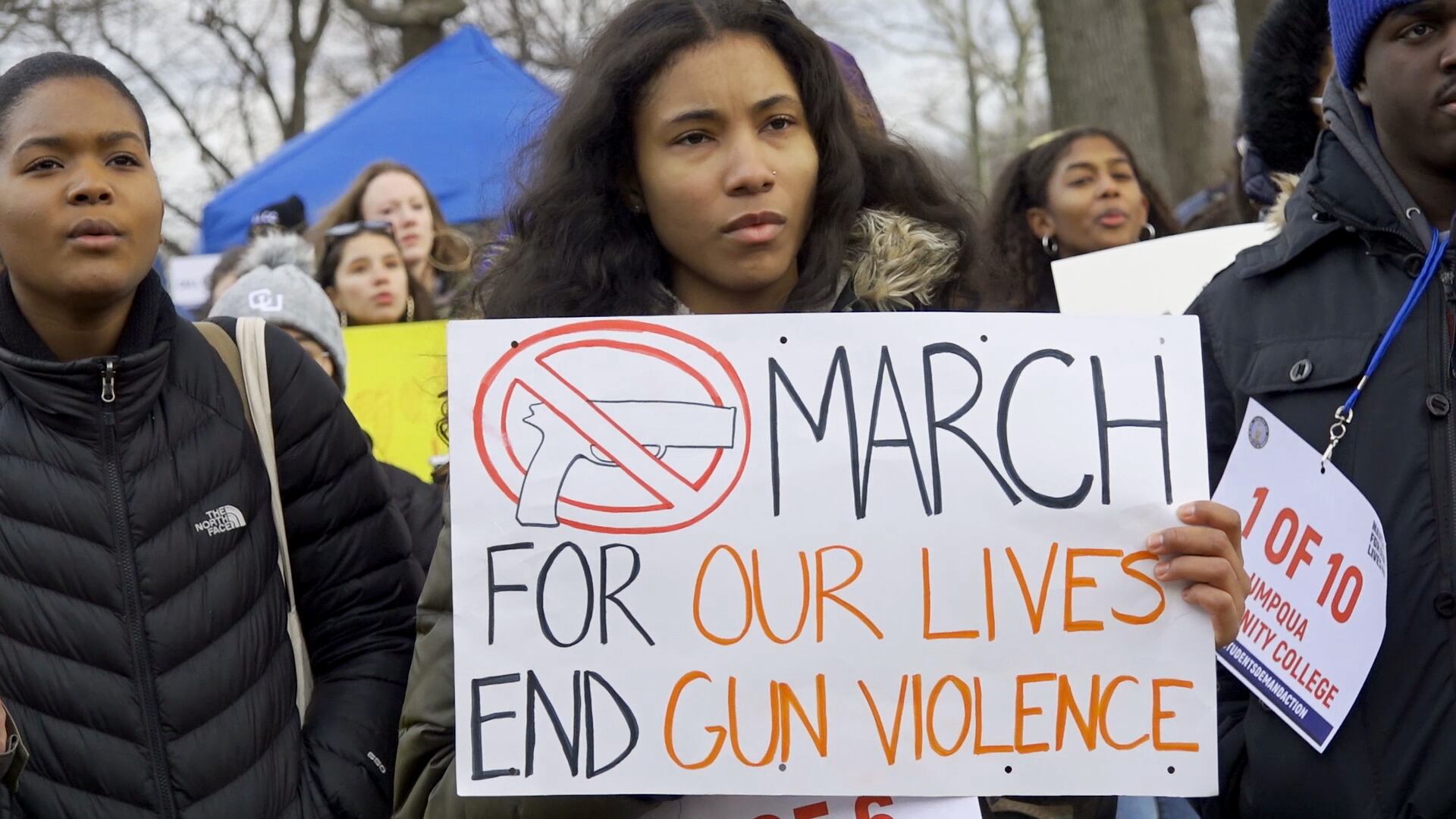
Cheddar Politics looks at the ongoing efforts to pass meaningful gun safety laws in both Chambers of Congress following multiple mass shootings. Lisa Hagen, senior political reporter for U.S. News and World Report, helps break down why Senators are hopeful that a modest bipartisan gun safety package might be able to overcome a filibuster.
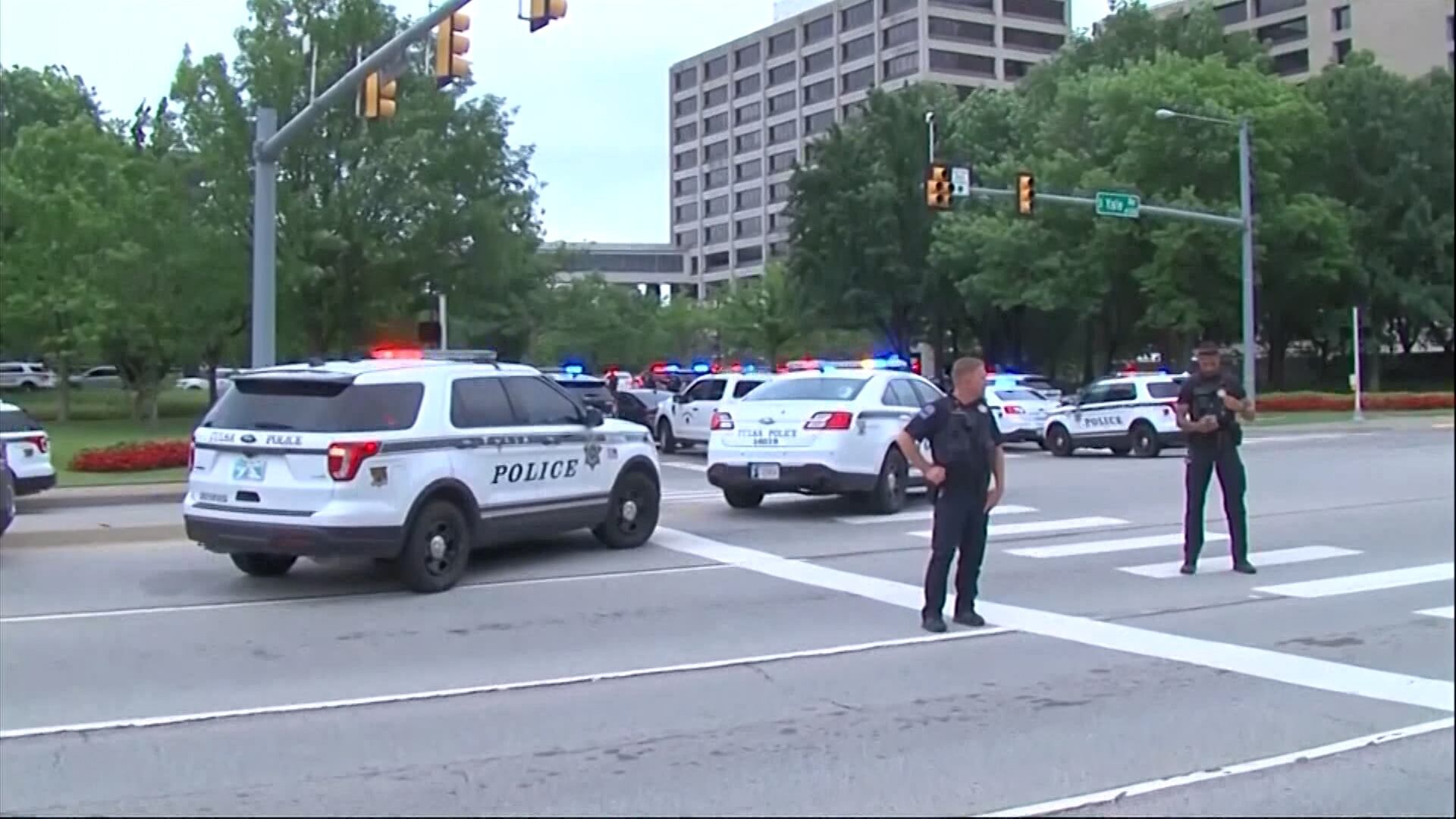
Join Cheddar News as we break down the top headlines this morning including updates on the Tulsa medical center shooting, Johnny Depp V. Amber Heard verdict, and Democrats push for gun control reform.
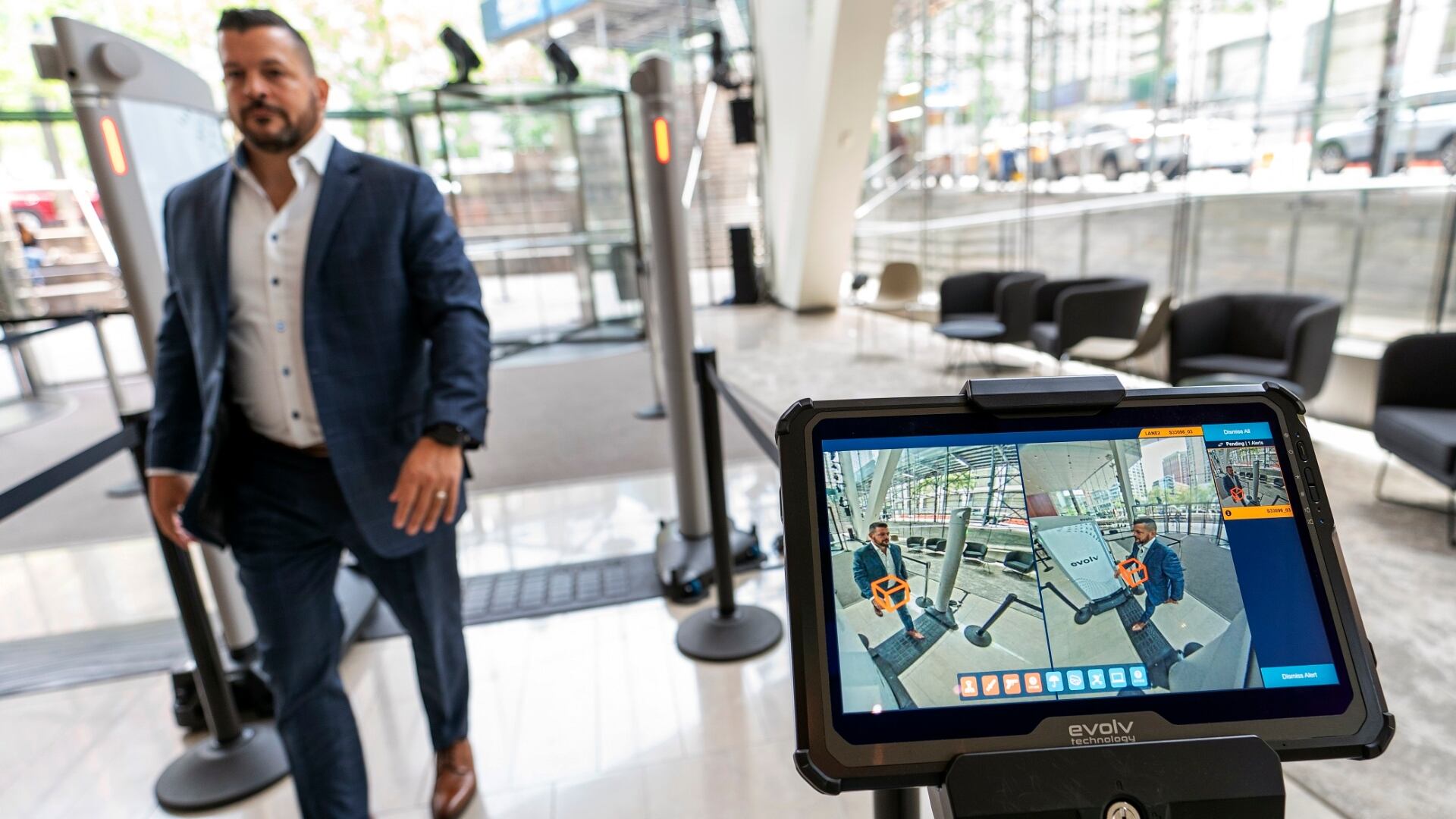
After two subway shootings in two months and the more recent mass shootings in Uvalde, Texas, and Buffalo, New York, Mayor Eric Adams is calling for gun detection scanners to be installed in New York City subways. The tech would be similar to that used in sporting arenas, however, experts note multiple difficulties with such a setup including the need for nearby human operators.
Catching you up on what you need to know on Wednesday, June 1, 2022, House lawmakers hold an emergency hearing on gun control measures in the wake of the Uvalde shooting, the Supreme Court temporarily blocks Texas' law stopping social media moderation, and the James Webb Space Telescope gets a new mission.
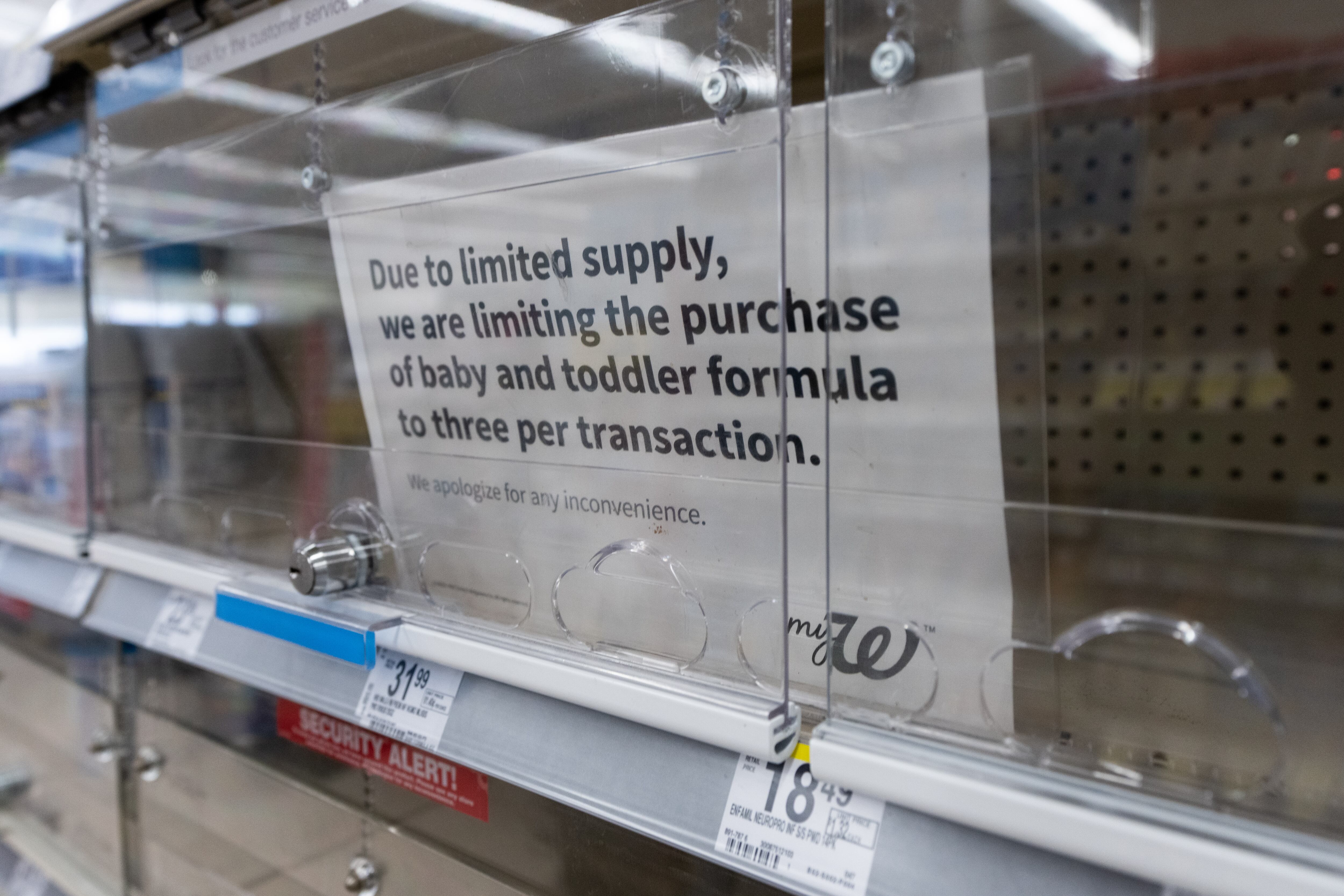
With the baby formula in the United States surging to an out-of-stock rate of 70 percent, the FDA has given Abbott permission to reopen its Michigan plant amid the crisis and authorized foreign imports. Professor Peter Pitts, a former FDA associate commissioner and current president of the Center for Medicine in the Public Interest, joined Cheddar News to discuss the ongoing shortage and its wide impact. “As difficult as things is in urban areas, they’re even worse in small communities and tribal areas where parents can't just go to the next store on the corner," he said. Pitts also noted that the Abbott factory was a "disaster" prior to its shutdown and that it would have been "regulatory malpractice" to have left it open.
Cheddar's Megan Pratz reports from the ground in Uvalde, Texas where the community's grief and frustration with lawmakers and police officers grows as more details emerge.