Are Alexandria Ocasio-Cortez's Tax Views That Far Out of the Mainstream?
*By Carlo Versano*
When freshman Democratic Rep. Alexandria Ocasio-Cortez floated the idea to Anderson Cooper on "60 Minutes" Sunday that the very wealthy pay a marginal tax rate as high as 70 percent, it got pundits and politicians all worked up. What exactly was the newly-elected, self-proclaimed radical proposing?
But as it turns out, a higher marginal tax rate is not particularly radical in the context of American history. Marginal tax rates, in which taxes increase as income rises, were as high as 90 percent under President Eisenhower, and were above 50 percent up until the second Reagan tax cut.
But according to Kyle Pomerleau, an economist at the Tax Foundation, a nonpartisan, business-friendly think tank, higher marginal rates do not bring in the promised revenue, and instead are an example of "the worst of both worlds."
Ocasio-Cortez's policy would "distort behavior" as individuals in the highest brackets would find ways to skirt the system. One of the ways they would do that, Pomerleau said, would be to stop selling assets defined as capital gains, which make up the majority of the taxable income at the top of the ladder and are only taxed when they're sold. "The amount of taxable realizations will plummet," Pomerleau said.
The safety net programs that progressives like Ocasio-Cortez seek to strengthen, like Medicare and Social Security, are better funded through other forms of taxation, Pomerleau said, such as a payroll tax, or the European model of sales, payroll, and value-added taxes. But the bottom line, he said, is that "everyone is going to have to pay higher taxes."
That is not a foregone conclusion. Those who advocate for very high marginal tax rates on the wealthy include some respected economists, including Nobel Prize-winner Peter Diamond. Diamond has estimated the top tax rate should be [73 percent](https://www.aeaweb.org/articles?id=10.1257/jep.25.4.165), while a pair of Berkeley economists have put it as high as [80 percent](http://ceg.berkeley.edu/research_117_2123314150.pdf).
Or as Paul Krugman [put it](https://www.nytimes.com/2019/01/05/opinion/alexandria-ocasio-cortez-tax-policy-dance.html?action=click&module=Opinion&pgtype=Homepage) on Monday: "The optimal tax rate on people with very high incomes is the rate that raises the maximum possible revenue."
At the very least, Ocasio-Cortez's ideas about the marginal tax rate, given that she has such an outsized megaphone within the Democratic Party at the moment, signals that Democrats are getting "more serious" about progressive income taxation, Pomerleau said.
And both sides can agree that the individual tax code is in need of simplification, he said. "There's still a lot of work to be done to fix that."
For full interview [click here](https://cheddar.com/videos/ocasio-cortez-calls-for-radical-income-tax-reform).
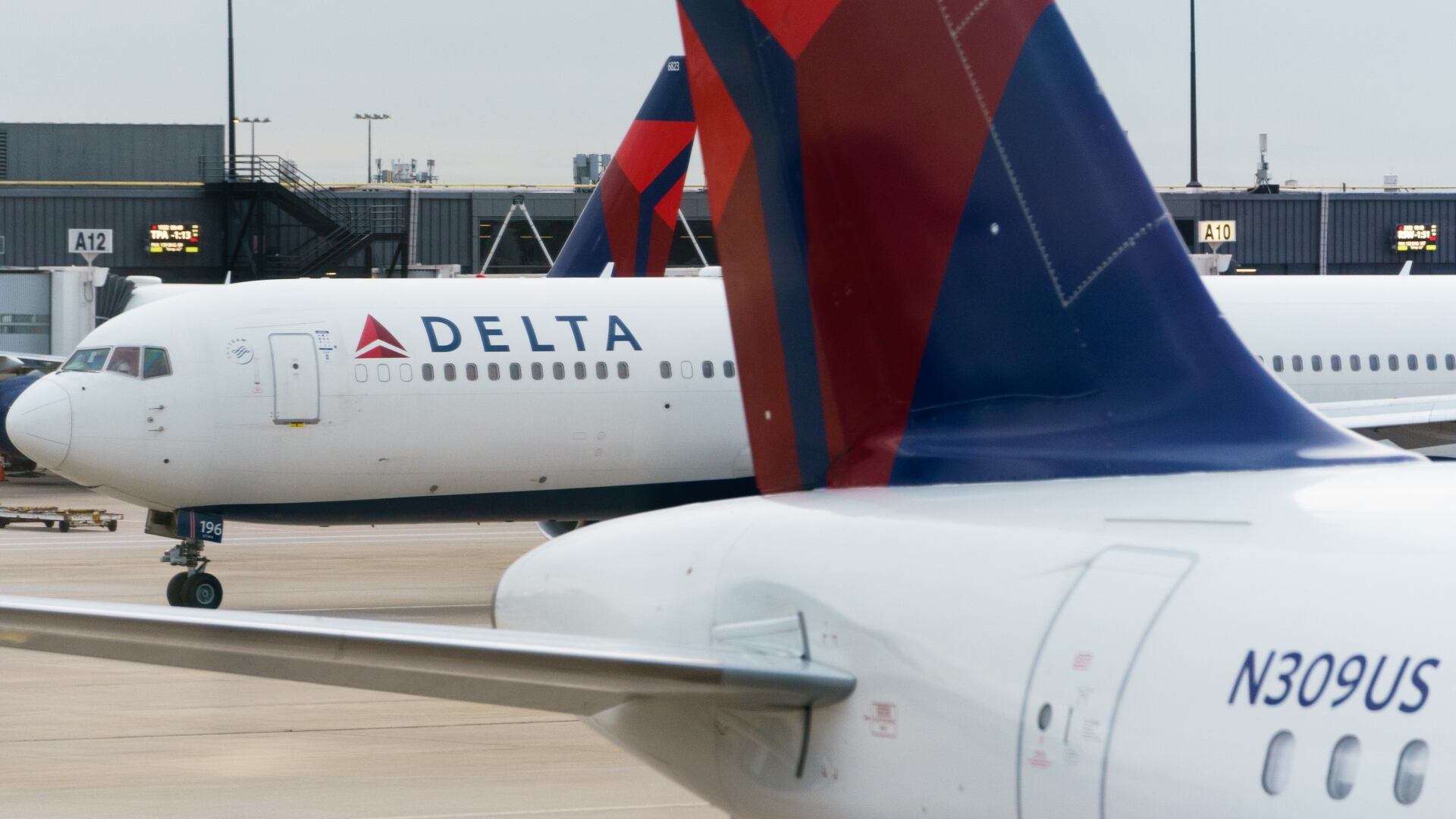
The airline industry says it is contending with staff shortages that threaten to hamper operations amid the COVID resurgence, andDelta Airlines CEO Ed Bastian called on the CDC to revise its guidance for vaccinated workers who test positive from a 10-day quarantine to just five. Chuck Liberman, chief investment officer and managing partner at Advisors Capital Management LLC, joined Cheddar to talk about the current guidance on isolation and why he believes the omicron variant calls for more relaxed guidance given its reportedly mild symptoms.
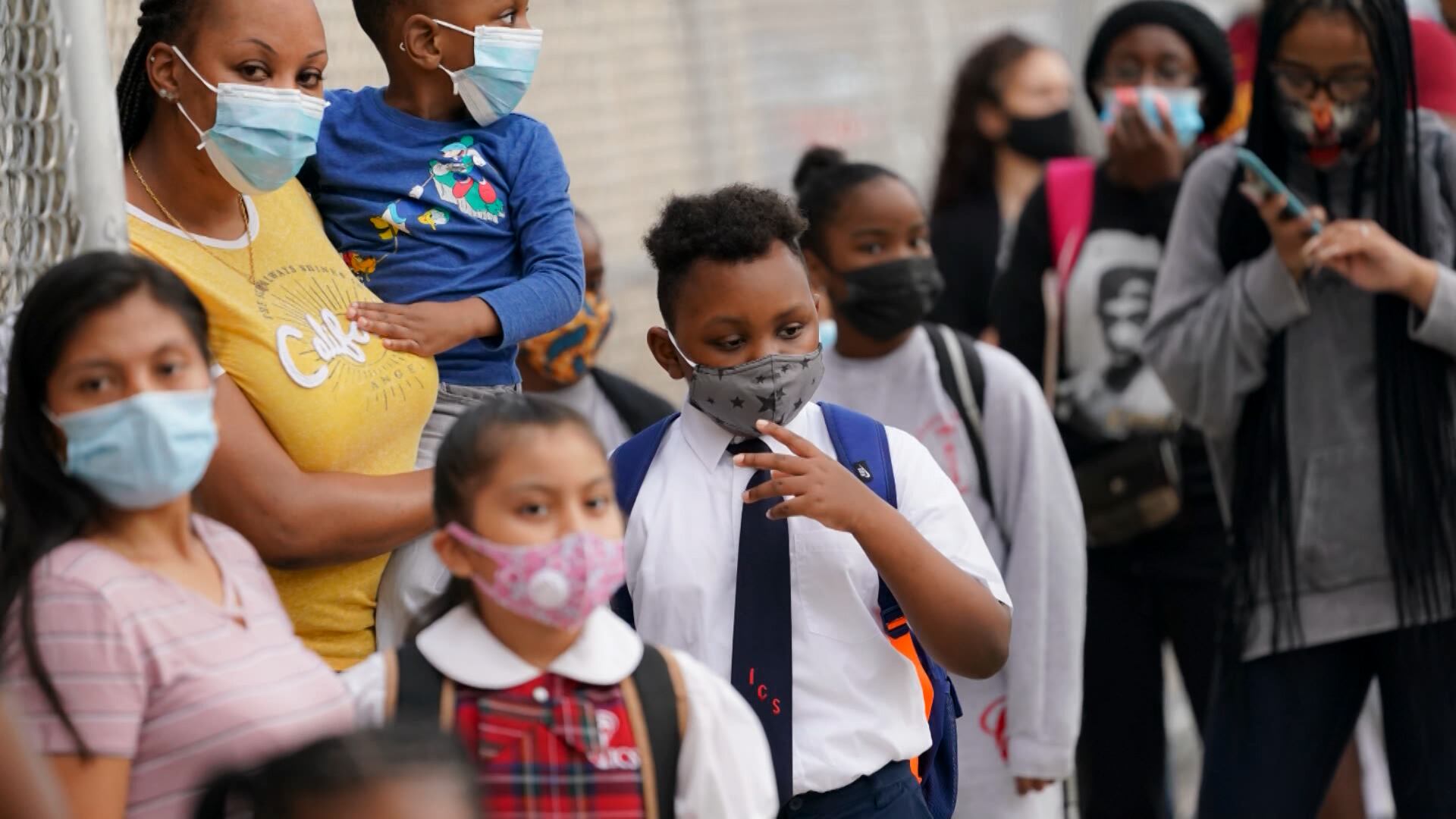
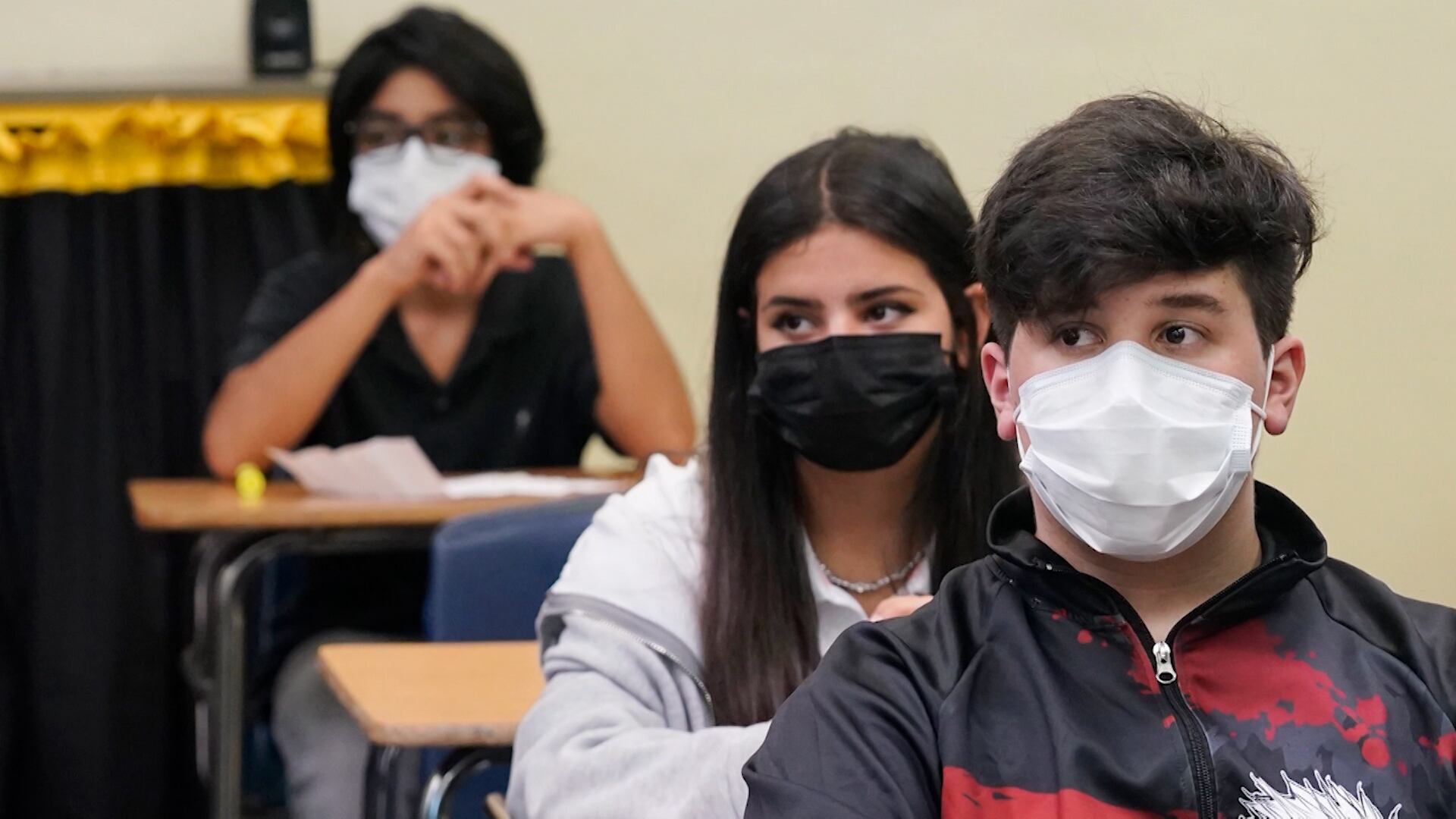
Schools are shutting down in droves as the highly contagious omicron variant surges across the country. Denisha Merriweather, director of public relations and content marketing at the American Federation for Children, an advocacy organization for vouchers and tax credits for school choice, joined Cheddar's "Opening Bell" to discuss the impact of remote learning on children. She argued that school districts have to be more proactive about the steps they are taking to engage students, and if they are unable to form better teaching methods, parents should be able to find alternative schools.
The boys discuss President Biden's plans to send out free rapid tests as the testing supply chain starts to buckle ahead of the holidays. Also, why aren't Americans having more babies, and The Matrix returns.
With the Build Back Better plan essentially out of the picture, economists are highlighting what the country might lose without the provisions designed to strengthen it. Among other things, this includes no more monthly payments for tens of millions of families, no universal Pre-K for 6 million children a year, and no billions of dollars in tax incentives for climate initiatives. Grace Segers, staff writer for The New Republic, joined Cheddar to discuss the various impacts on the economy without President Biden's spending bill.
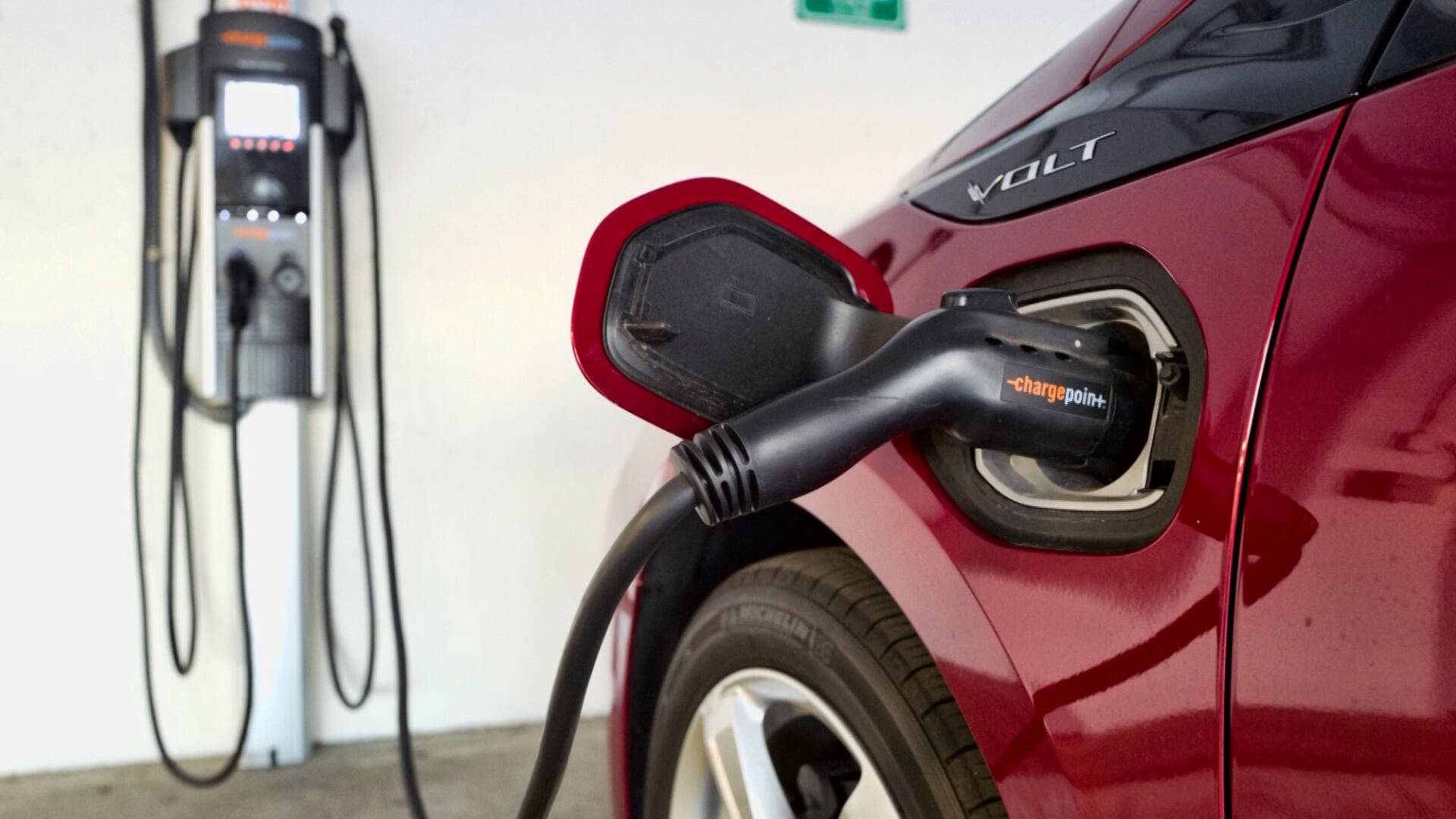
Electric vehicle companies took a tumble Monday after Senator Joe Manchin killed Biden's 'Build Back Better' plan. Shares of Tesla, Lucid, and Rivian all fell rapidly as the plan had included significant incentives for the growing EV sector. Rich Steinberg, former executive at Nissan, BMW and Electrify America joined Cheddar's Opening Bell to discuss.
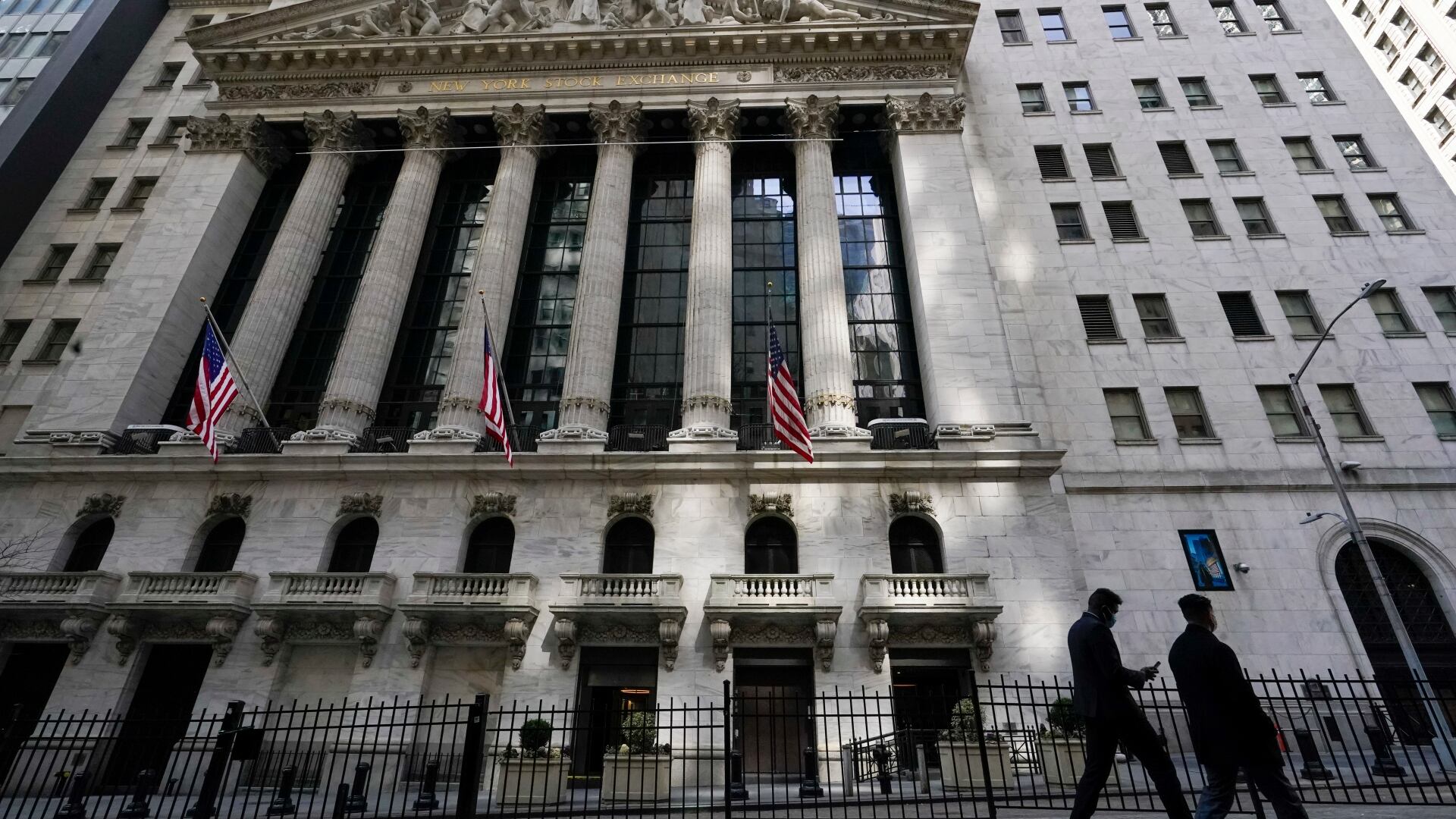
Michael Robinson, Chief Technology Strategist at Money Map Press, joins Cheddar News' Closing Bell, where he explains why small and mid-cap stocks heating up during Tuesday's session is a very good sign for a stock market that ended the day's session sharply higher.
Coming off a 2021 campaign where the prices of Bitcoin, Ether, and other cryptocurrencies reached unpreceded levels, Bitwise Asset Management CIO Matt Hougan and OpenNode Co-Founder & CTO João Almeida join Cheddar News' Crypto Craze: The Year of the Token to discuss the ways the crypto market can soar even higher in 2022.