Are Alexandria Ocasio-Cortez's Tax Views That Far Out of the Mainstream?
*By Carlo Versano*
When freshman Democratic Rep. Alexandria Ocasio-Cortez floated the idea to Anderson Cooper on "60 Minutes" Sunday that the very wealthy pay a marginal tax rate as high as 70 percent, it got pundits and politicians all worked up. What exactly was the newly-elected, self-proclaimed radical proposing?
But as it turns out, a higher marginal tax rate is not particularly radical in the context of American history. Marginal tax rates, in which taxes increase as income rises, were as high as 90 percent under President Eisenhower, and were above 50 percent up until the second Reagan tax cut.
But according to Kyle Pomerleau, an economist at the Tax Foundation, a nonpartisan, business-friendly think tank, higher marginal rates do not bring in the promised revenue, and instead are an example of "the worst of both worlds."
Ocasio-Cortez's policy would "distort behavior" as individuals in the highest brackets would find ways to skirt the system. One of the ways they would do that, Pomerleau said, would be to stop selling assets defined as capital gains, which make up the majority of the taxable income at the top of the ladder and are only taxed when they're sold. "The amount of taxable realizations will plummet," Pomerleau said.
The safety net programs that progressives like Ocasio-Cortez seek to strengthen, like Medicare and Social Security, are better funded through other forms of taxation, Pomerleau said, such as a payroll tax, or the European model of sales, payroll, and value-added taxes. But the bottom line, he said, is that "everyone is going to have to pay higher taxes."
That is not a foregone conclusion. Those who advocate for very high marginal tax rates on the wealthy include some respected economists, including Nobel Prize-winner Peter Diamond. Diamond has estimated the top tax rate should be [73 percent](https://www.aeaweb.org/articles?id=10.1257/jep.25.4.165), while a pair of Berkeley economists have put it as high as [80 percent](http://ceg.berkeley.edu/research_117_2123314150.pdf).
Or as Paul Krugman [put it](https://www.nytimes.com/2019/01/05/opinion/alexandria-ocasio-cortez-tax-policy-dance.html?action=click&module=Opinion&pgtype=Homepage) on Monday: "The optimal tax rate on people with very high incomes is the rate that raises the maximum possible revenue."
At the very least, Ocasio-Cortez's ideas about the marginal tax rate, given that she has such an outsized megaphone within the Democratic Party at the moment, signals that Democrats are getting "more serious" about progressive income taxation, Pomerleau said.
And both sides can agree that the individual tax code is in need of simplification, he said. "There's still a lot of work to be done to fix that."
For full interview [click here](https://cheddar.com/videos/ocasio-cortez-calls-for-radical-income-tax-reform).
A new report by the Foreign Correspondents Club of China warns that press freedom in the most populous country in the world is declining at an alarming speed. Cheddar News speaks with Steven Butler, Asia Program Coordinator at the Committee to Protect Journalists, about the hardships journalists face in China.
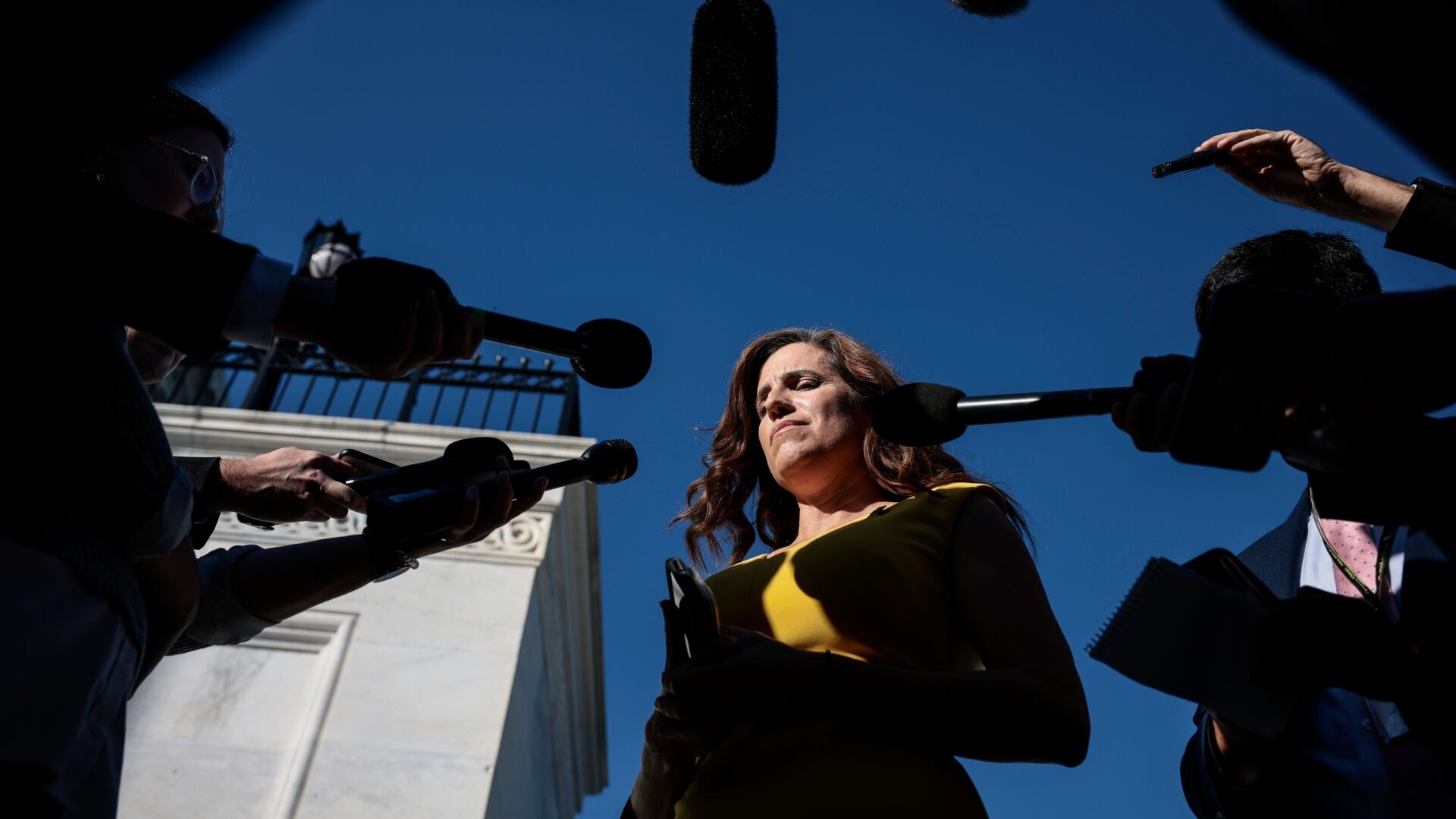
Rep. Nancy Mace (R-S.C. 1st District) joined Cheddar to discuss her cannabis legalization bill, the States Reform Act, and the prospects for gaining bipartisan support for a bill that has garnered the endorsement of e-commerce giant Amazon. This legislation is supported by businesses large and small, Amazon obviously being the most recent and largest business to support it," Mace said. "They don't want to sell pot. But what it does do is it affects their working employment pool." She stated that 10 percent of eligible new hires for Amazon are affected by restrictive marijuana laws. The representative also explained that the bill leaves equity provisions up to the states rather than mandating them on a federal level.
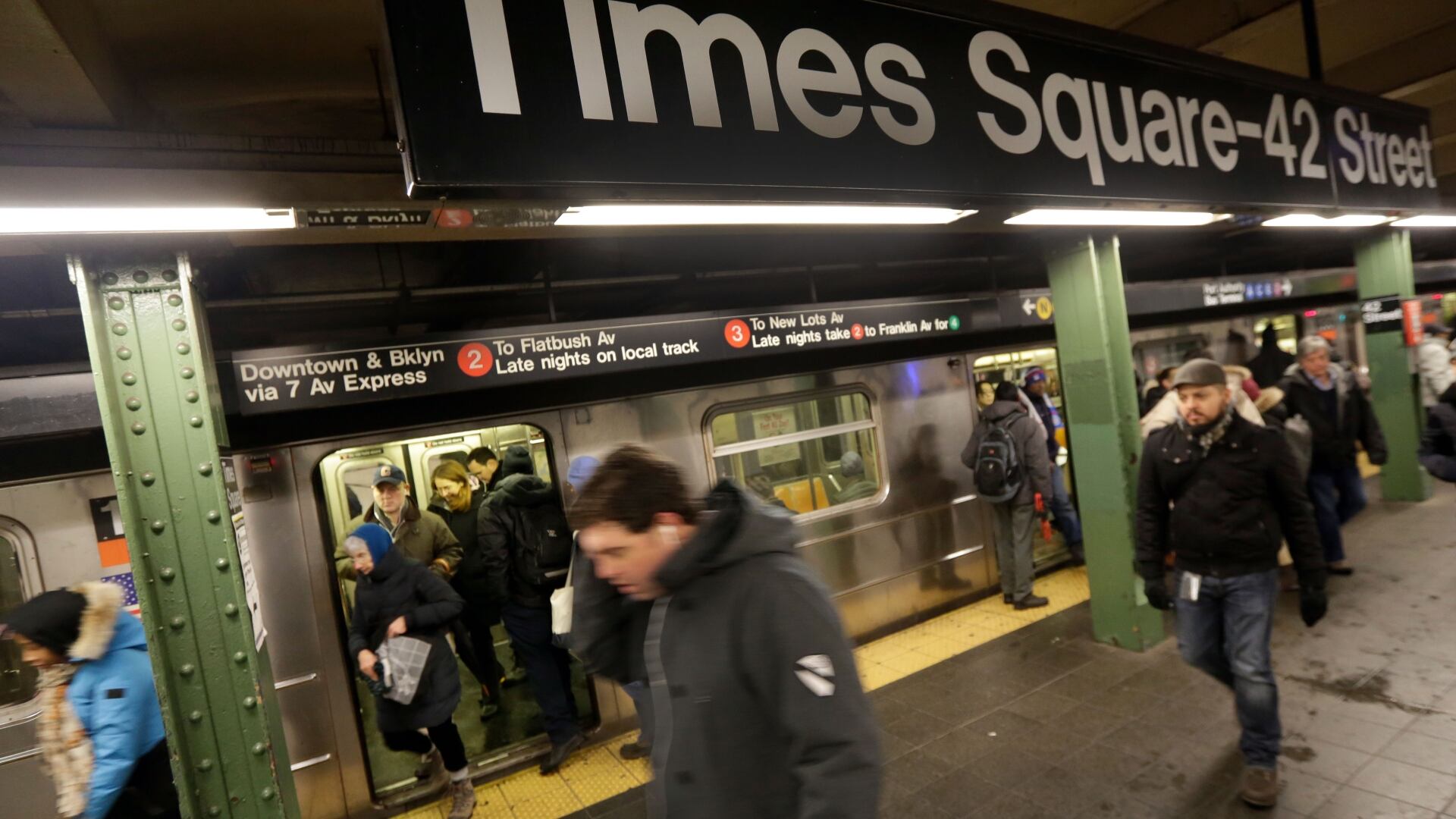
After a number of tragic subway incidents, the MTA is facing increased pressure to install subway platform screens to help prevent injury or death. However, according to an earlier report from the MTA, installing these prevented measures isn't feasible. New York City Council Member Keith Powers, joined Cheddar to discuss more.
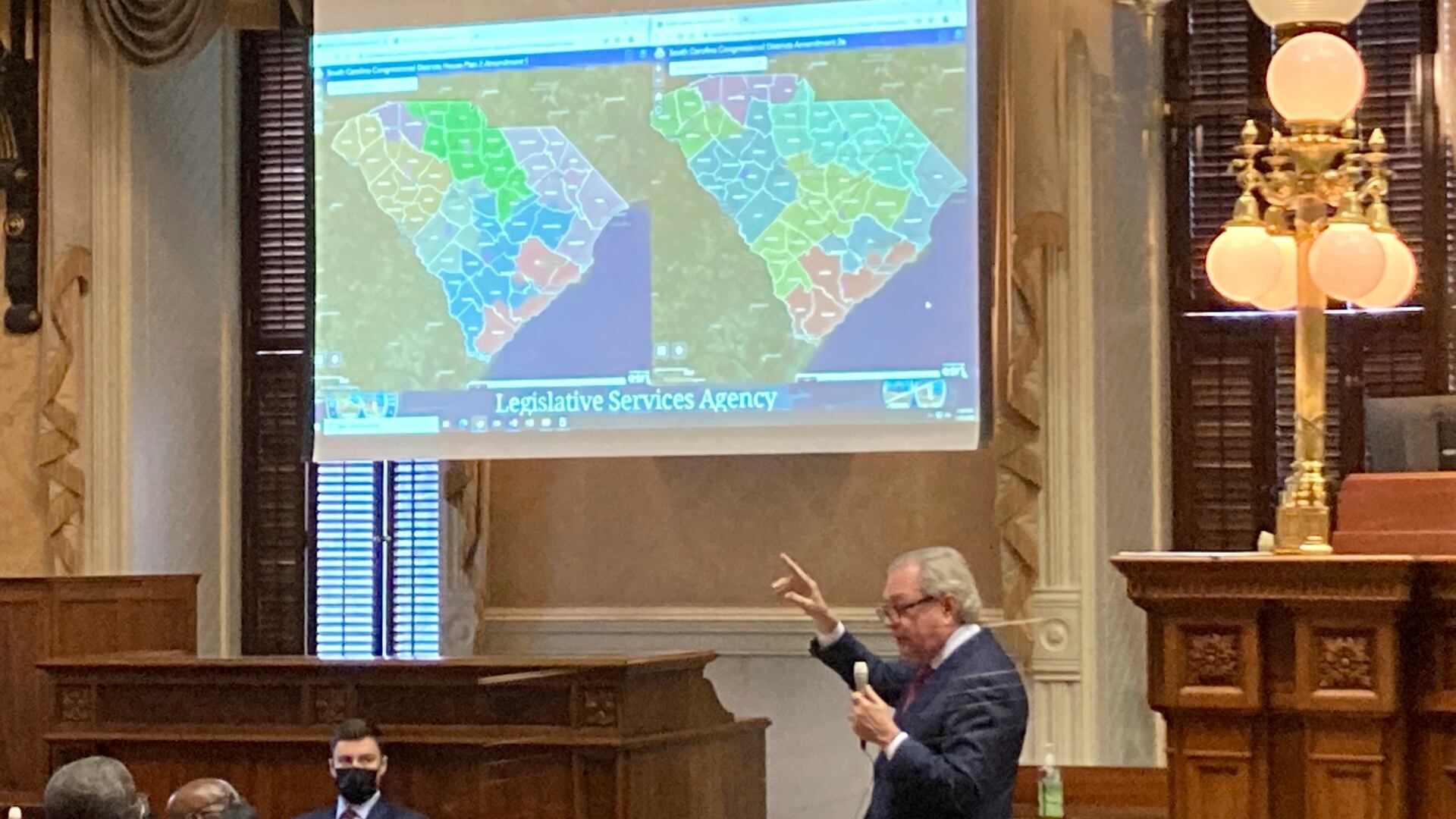
Across the country, states are working to redraw their congressional lines in what is often known as gerrymandering. These news lines are expected to determine the balance of power between Democrats and Republicans within the next decade. Senior Counsel for the Brennan Center's Democracy Program, Michael Li, joined Cheddar to discuss more.
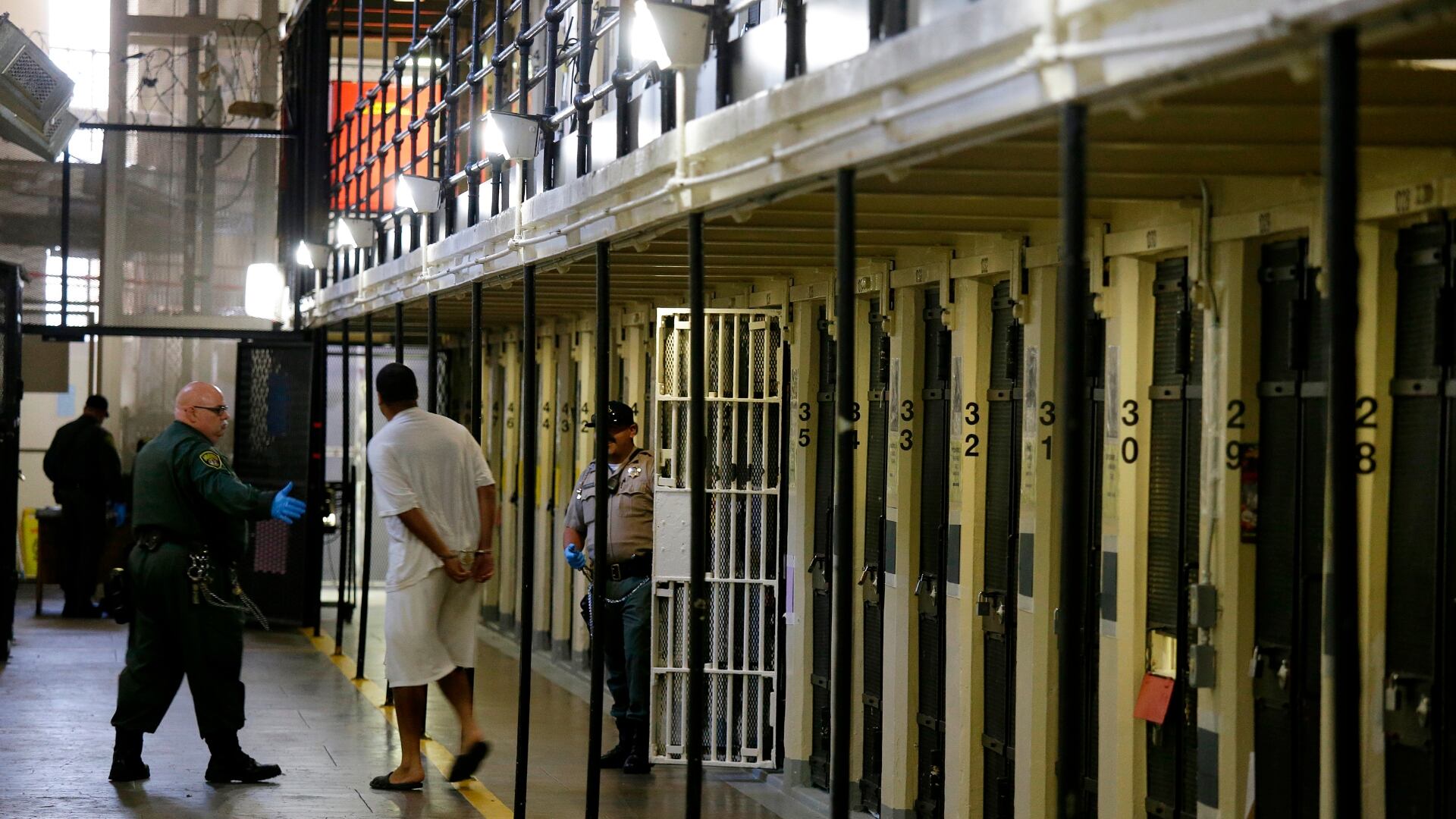
The state of California is officially planning to close its death row in the next two years. That state's governor Democrat Gavin Newsom says the plan is now to move all condemned inmates to other prisons and turn it into, as he calls it, a positive healing environment. Former U. S. Assistant Attorney and Legal Analyst, David Katz, joined Cheddar to discuss more.
Anthony Saccaro, Founder and President of Providence Financial, joins Cheddar News' Closing Bell, where he elaborates on why he is excited that the market is beginning to rebound and believes February has the potential to be a good month after a turbulent January.
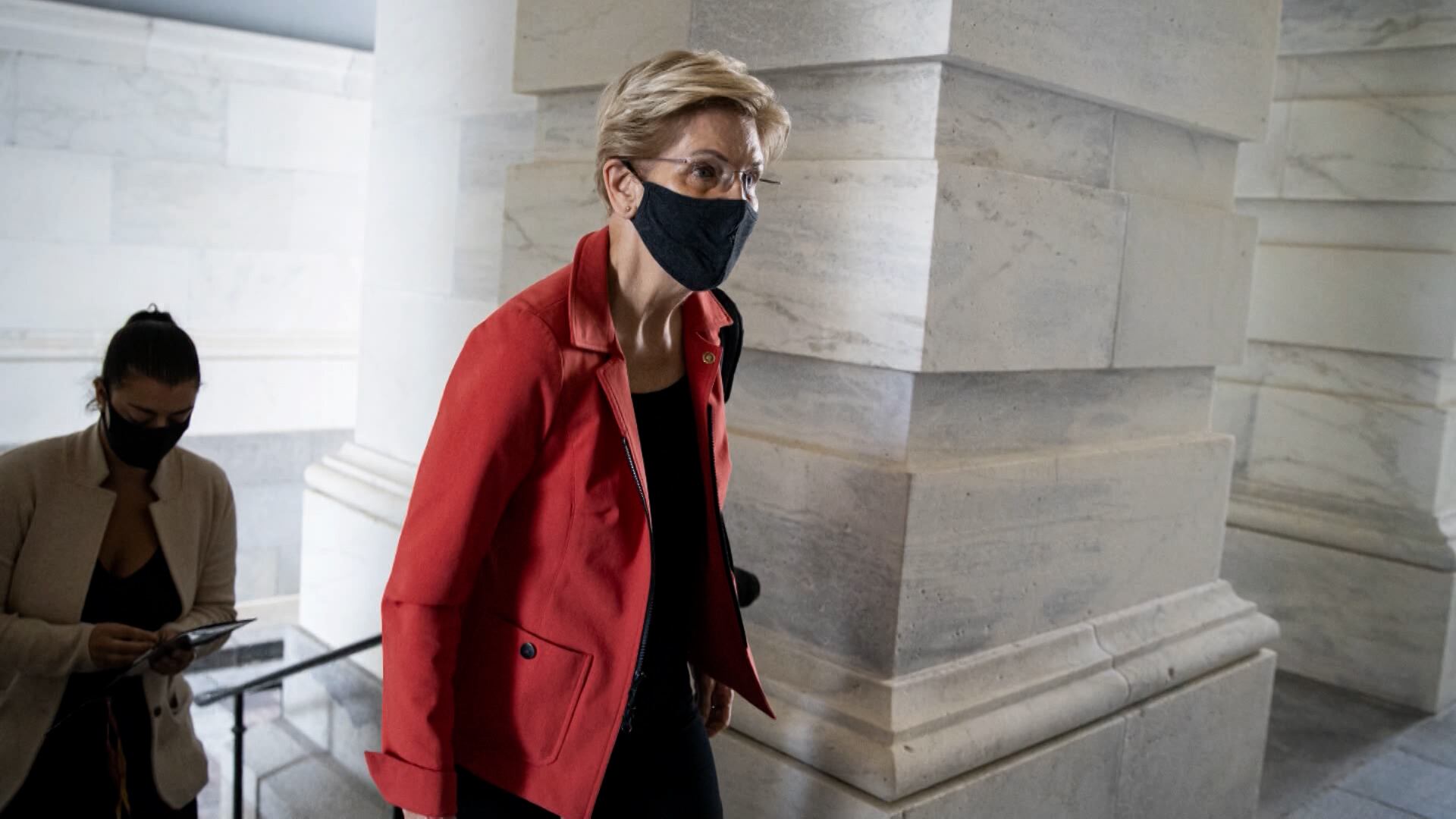
Cryptocurrency is expected to become a part of our daily lives — but what sort of environmental impact does it have? As the U.S. becomes the crypto mining capital of the world, climate advocates are worried about mining companies reopening old coal plants, using massive amounts of energy, wasteful hardware, and more. Congressional Democrats led by Senator Elizabeth Warren are demanding answers from mining firms about their electricity use and waste levels. John Belizaire, CEO of Soluna Computing, joins Cheddar Climate to discuss the congressional letters, how crypto mining can become a green industry, and more.
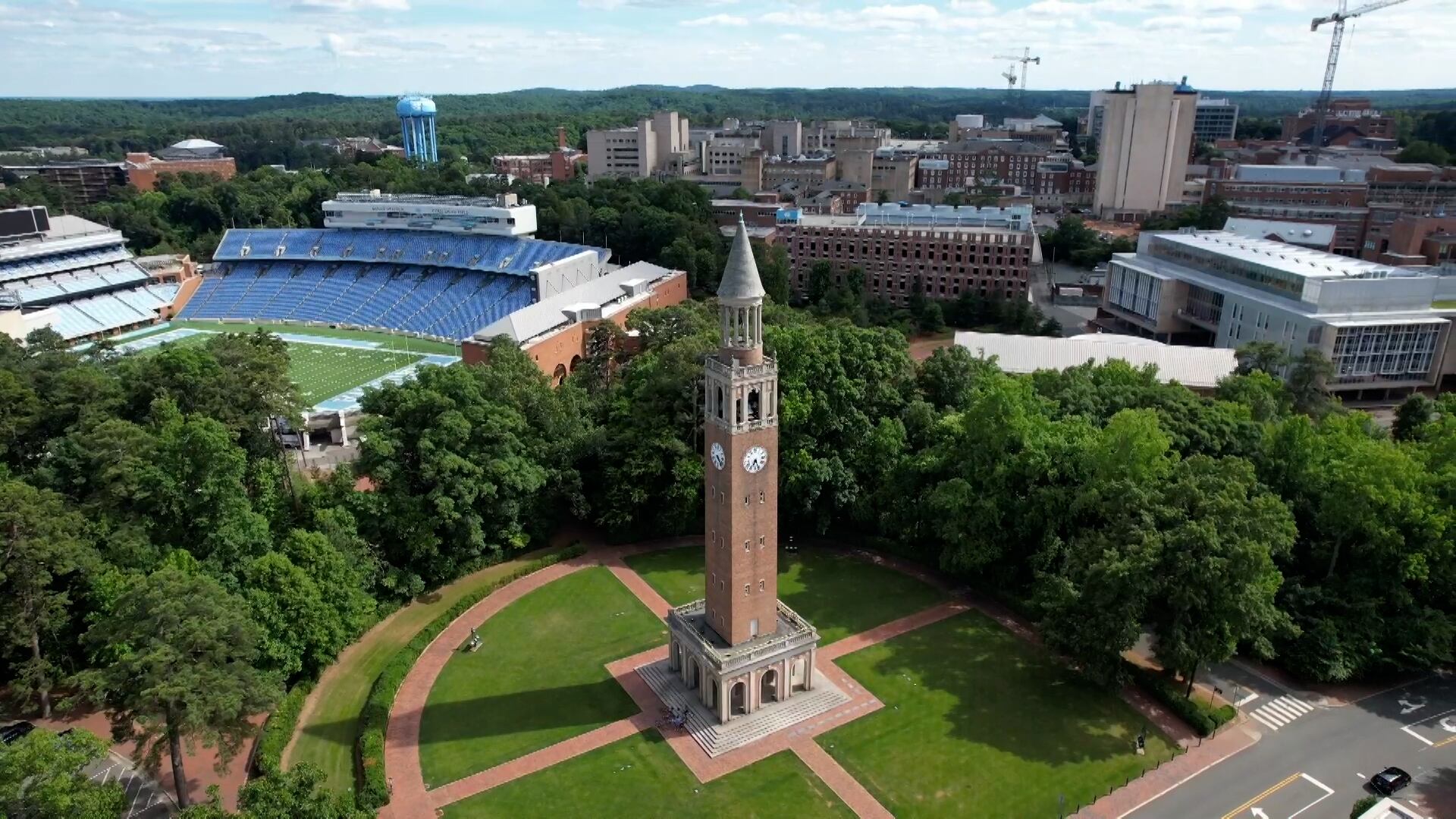
The Supreme Court will reconsider race-based affirmative action in college admissions. The court will examine admissions policies at Harvard University and The University of North Carolina Chapel Hill, which count the race of applicants as a factor in admissions. The court has upheld affirmative action policies in the past, saying it helps to create more diverse student bodies. However, the conservative Supreme Court could be skeptical and even possibly hostile to such policies. Nick Anderson, Higher Education Writer, Washington Post joined Cheddar's Opening Bell to discuss.