Dana Wollman, executive editor at Engadget, discusses the Apple HomePod's bizarre new issue of leaving white rings on wooden furniture. Wollman also talks Skype's security flaw and Huawei's latest problems getting into the U.S. phone market.
Wollman explains no one knows why the HomePod is leaving white rings on wooden furniture, and while Apple has acknowledged the issue, the company is just expecting users to deal with it.
Wollman also touches on Skype's major security flaw, explaining Microsoft isn't planning on sending out an update. Microsoft is expected to rebuild Skype from the ground up.
Recently, FBI Director Christopher Wray testified to the Senate Intelligence Committee that Huawei phones pose a threat to U.S. security because of the company's connections to the Chinese government. Wollman says this is just the latest setback for Huawei, which once had carrier deals with both AT&T and Verizon. Wollman doesn't see how Huawei will ever break into the American market now.
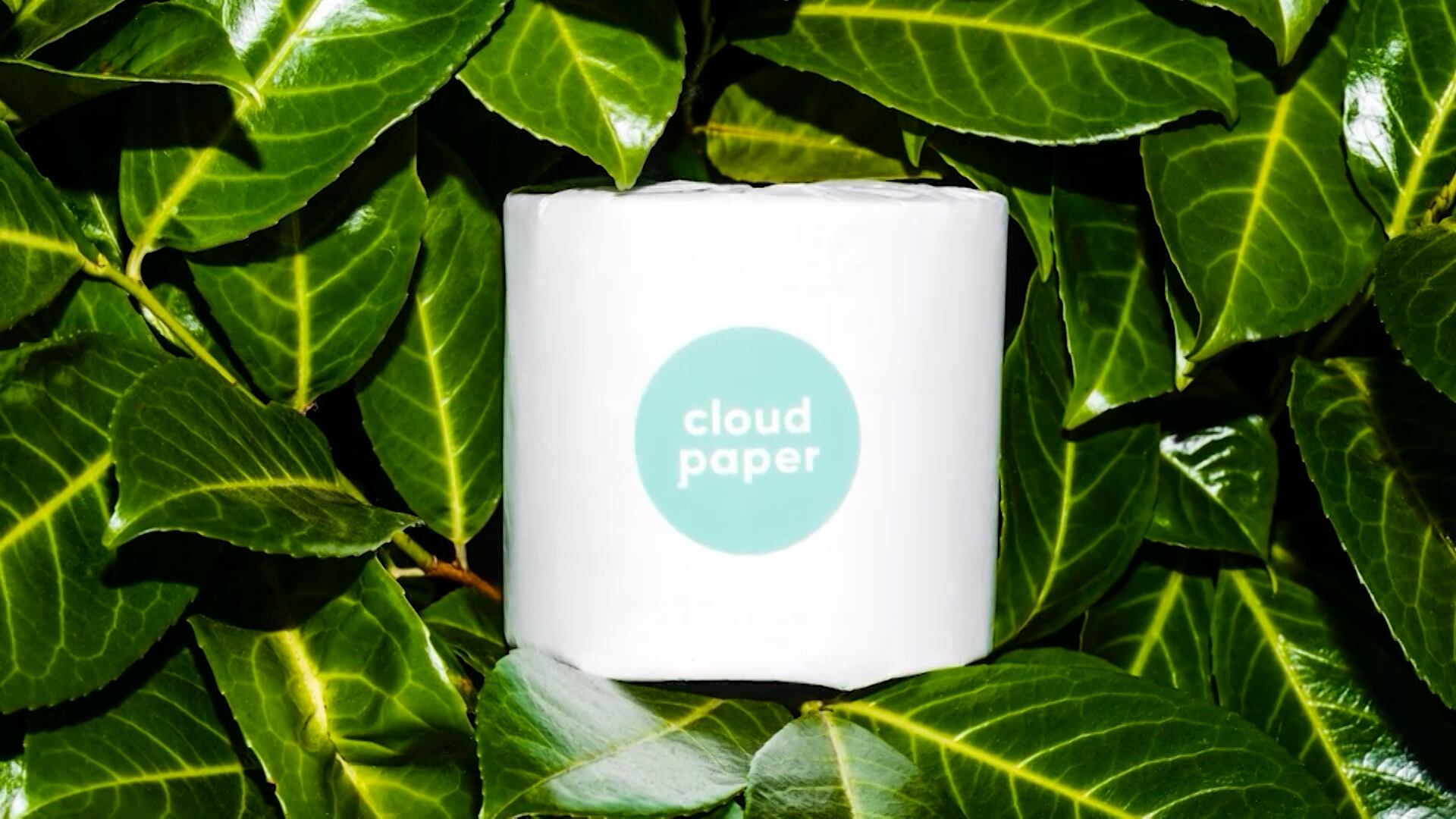
Bamboo-based toilet paper company Cloud Paper raised $5 million in a recent funding round. Its product is a bamboo-based alternative to traditional toilet paper made from trees, and its mission is to end the deforestation caused by traditional paper products. Cloud Paper says the raise will allow it to make significant investments in its supply chain, product development, and hiring. Ryan Fritsch, a co-founder of Cloud Paper, joined Cheddar News' Closing Bell to discuss.
The Biden Administration has now issued new guidelines when it comes to carbon capture. The new guidelines handed down this week encouraged the widespread use of climate attacks that traps and stores carbon emissions. The goal here is the process would help keep carbon out of the atmosphere without requiring a whole lot of change by big companies and manufacturing plants. Several scientists say that this method would be crucial to help us decrease the use of carbon emissions by the year 2050. Professor of Civil and Environmental Engineering at Stanford University, Mark Jacobson, joined Cheddar to discuss more.
Ellen Goodwin, Co-Founder and Chief Solutions Officer of Artifcts, joins ChedHER to discuss how she's creating a platform to preserve the history of your belongings, and her experience succeeding in male-dominated industries.