Tim Cook is No Steve Jobs, Jobs' Ex-Publicist Says
*By Chloe Aiello*
Tim Cook is an excellent steward of Apple, but he's no Steve Jobs ー and what Apple really needs right now, is innovation, said Andy Cunningham, who worked with Jobs to launch the Macintosh.
"Tim Cook is an amazing steward of the assets he was left ... however, they have not been able to come up with the next big thing, which is really what they have to do. And Steve did it over and over and over and over again," Cunningham told Cheddar on Thursday.
Apple ($AAPL) stock plunged 9 percent on Thursday, continuing its declines from Wednesday for its lowest stock pricing since July 2017. The losses followed a letter Tim Cook wrote to investors on Wednesday, adjusting Apple's first-quarter revenue guidance down significantly to $84 billion from a previous estimate of $89 billion to $93 billion. The new outlook is about 5 percent less than the $88.3 billion in revenue it reported the same quarter last year.
[In the letter](https://www.apple.com/newsroom/2019/01/letter-from-tim-cook-to-apple-investors/), Cook mostly attributes the revision to "the magnitude of the economic deceleration" in emerging markets, especially China.
"Most of our revenue shortfall to our guidance, and over 100 percent of our year-over-year worldwide revenue decline, occurred in Greater China across iPhone, Mac and iPad," Cook wrote in the note, adding that lower than anticipated iPhone revenue "accounts for all of our revenue shortfall to our guidance and for much more than our entire year-over-year revenue decline."
The company has now lost about $420 billion from previous all-time highs, dropping it into place as the fourth largest publicly traded company, behind Microsoft ($MSFT), Amazon ($AMZN) and Alphabet ($GOOGL).
Although Cook blamed China and its decelerating economy, Cunningham said it's all really about iPhone sales.
"Apple missed on its iPhone and I think that's the real issue here," Cunningham said. "They blame the Chinese economy, primarily for the sluggish sales of the iPhone, but really I think underneath that issue is, I think, the fact that Apple really is in need of its next big thing."
Despite the company's sizable cash horde, Apple prefers to invent in-house rather than acquire new products, Cunningham said, so what the company really needs is "a product visionary," like Jobs, to explore new ideas. Barring that, the company could be in trouble.
" I think we are starting to see ー this may be an omen ー but we are starting to see the beginning of the last days of its heyday," Cunningham said.
For full interview [click here](https://cheddar.com/videos/member-of-macintosh-launch-team-talks-apple-troubles).
The TSA screened more than 2.2 million airline passengers on Friday, the most since March 2020. Willis Orlando, senior product operations specialist at Scott's Cheap Flights, discusses the impact of the surge on the travel industry as well as travel infrastructure itself.
Stocks began the week closing at session lows on a day when bond yields rose and President Biden decided to stick with Jerome Powell as Fed Chair. Bryan Lee, Chief Investment Officer at Blue Zone Wealth Advisors, joins Cheddar News' Closing Bell, where he breaks down the day's activity and discusses what the Fed now needs to do going forward.
A group of crypto enthusiasts pooled over $40 million dollars in an attempt to win a copy of the U.S. Constitution last week. However, their efforts came up short, as hedge fund billionaire Ken Griffin emerged as the victor in a $43.2 million Sotheby's auction. Matt Cutler, CEO & Co-Founder of Blocknative, joins Cheddar News' Closing Bell, where he explains why ConstitutionDAO ultimately came up short.
Gparency, a company that says its mission is to revolutionize the commercial mortgage industry, raised $15 million in its first funding round - representing the largest ever seed round in the commercial real estate space. Gparency's service will allow landlords and real estate developers to receive funding directly from banks, without the need for a mortgage broker. The company says its new approach will give power back to the consumer. Gparency founder and CEO Ira Zlotowitz joins Cheddar News' Closing Bell to discuss.
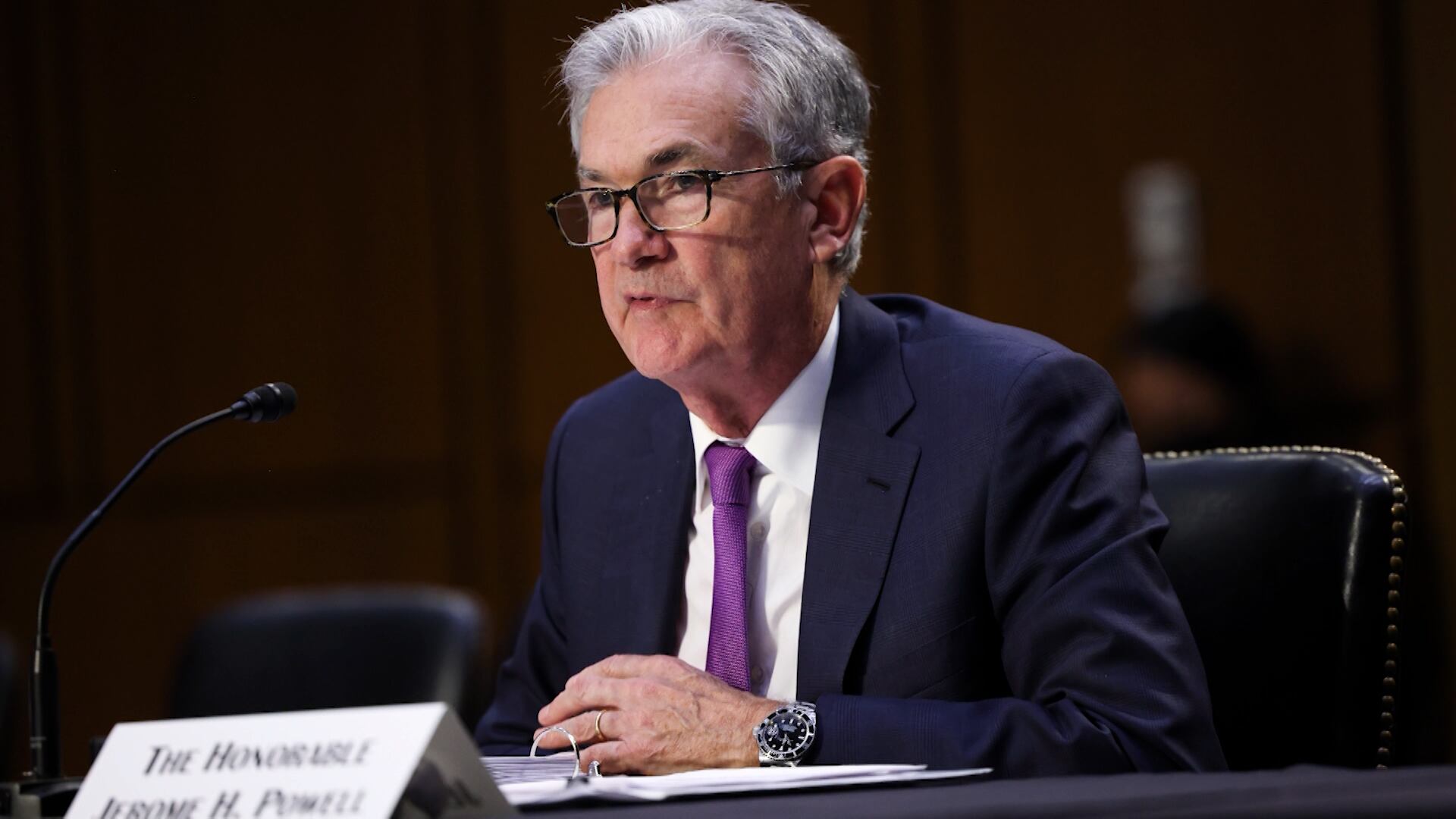
President Joe Biden announced Monday he is re-nominating Federal Reserve Chairman Jerome Powell after weeks of speculation that he would choose Democrat and Fed Governor Lael Brainard to fill the role. Biden could be looking for continuity as the U.S. continues to grapple with COVID-19 and high inflation, and investors could be on the same page: markets and treasuries ticked up after the White House made the announcement. MarketWatch Senior Reporter Greg Robb joins Cheddar News' Closing Bell to discuss Powell's re-nomination, what we can expect from the Fed's December meeting, whether it will speed up its taper timeline, and more.
President Joe Biden named Jerome Powell, initially appointed by President Trump, to keep his seat as the chair of the Federal Reserve on Monday amid the ongoing challenges of the pandemic, inflation, and unemployment. David Beckworth, a former international economist for the Treasury Department and a senior fellow with the Mercatus Center, joined Cheddar to discuss what he sees as the practicality of Biden's decision. "What Powell brings to the table is he's built up political capital with Republicans and Democrats," he said. "It's easy for him to get the job done. I think in one way he was the path of least resistance for the president."
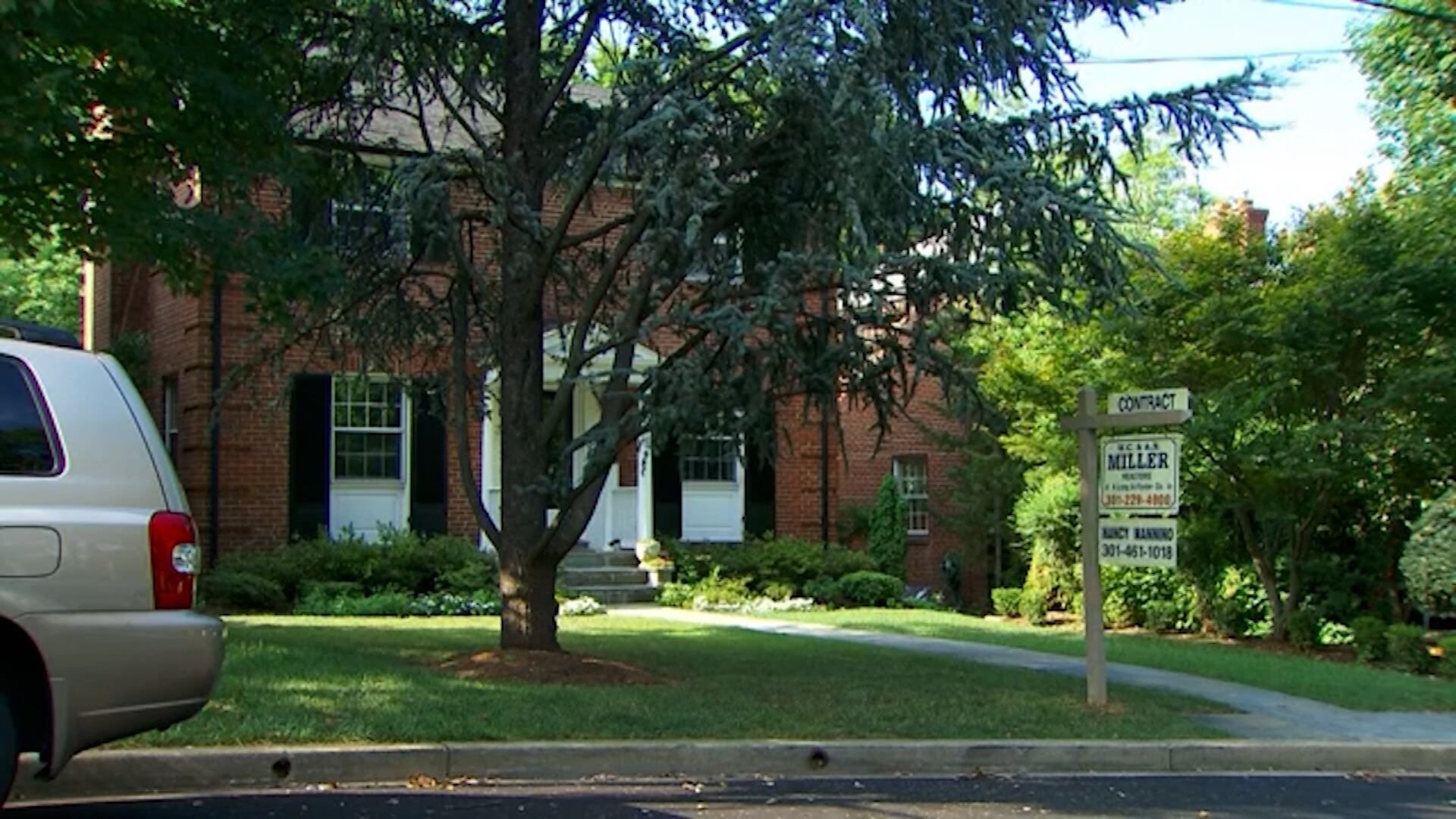
As housing prices continues to rise, Tim Rood, managing director at the real estate finance solutions company SitusAMC, joined Cheddar's "Closing Bell" to talk about what is driving up the costs, attributing it to supply chain constraints and regulatory expenses. Rood stated that the federal government's response to the 2008 financial crisis has added to the growing price tags. "The government came down super hard on banks and independent mortgage companies because of the defaults," he said.
Colleen Kelly, CEO of Concern Worldwide US, joined Cheddar to discuss food insecurity concerns as the cost of this year's Thanksgiving dinner has surged amid record inflation. Kelly also talked about the ongoing issues derailing global supply chains and raising food prices, which undercuts efforts to tackle food insecurity in the United States and around the world. "Everything that hits the U.S. hits countries that are in extreme poverty even harder, and as you can imagine there were three major things affecting this in the last year: climate change, COVID, and conflict," she said.
Papa Johns has a new look for its logo, graphics, and storefronts. CEO Rob Lynch joined Cheddar's "Closing Bell" to talk about the timing of the rebrand following its ongoing success through the pandemic. Patrons entering revamped locations will notice a lack of menu boards thanks to customer smartphone use and glass panels to allow customers to watch pizzas being made by hand. "Everyone has a menu board in their pocket in the form of their phone," Lynch said. "Eighty percent of our business is ordered digitally, whether it's web-based or our fastest-growing channel being app-based."