Apple is reportedly planning to launch three new iPhones this year.
The timing of the news, a day after Samsung unveiled its latest Galaxy S9 at the Mobile World Congress in Barcelona, may seem coincidental. But Mark Spoonauer, editor-in-chief at Tom's Guide, says the American tech giant is nervous about more than just its rivalry.
“I think they’re sweating in general, not necessarily because of competition,” he said. “There was so much hype behind the iPhone X and that sales reportedly are not where they were expected to be.”
According to Bloomberg, Apple will unveil three new devices this fall. One would be the company’s largest yet, with a 6.5-inch screen, another will offer some upgrades to the current iPhone X, and the last is a more affordable version of the $1,000 smartphone.
Samsung is trying to capture some of the users seeing sticker shock with its S9. But a cheaper price tag and a better camera may not be enough to bite into Apple’s U.S. market share, Spoonauer says.
“I think what Samsung needs to do is strengthen their software and their services to make people feel more comfortable about making the switch,” he says. “Just talking to people around the city today, they loved the design of the S9, but they’re nervous about leaving Apple’s ecosystem.”
For the full interview, [click here](https://cheddar.com/videos/the-battle-is-on-samsung-galaxy-s9-vs-iphone-x).
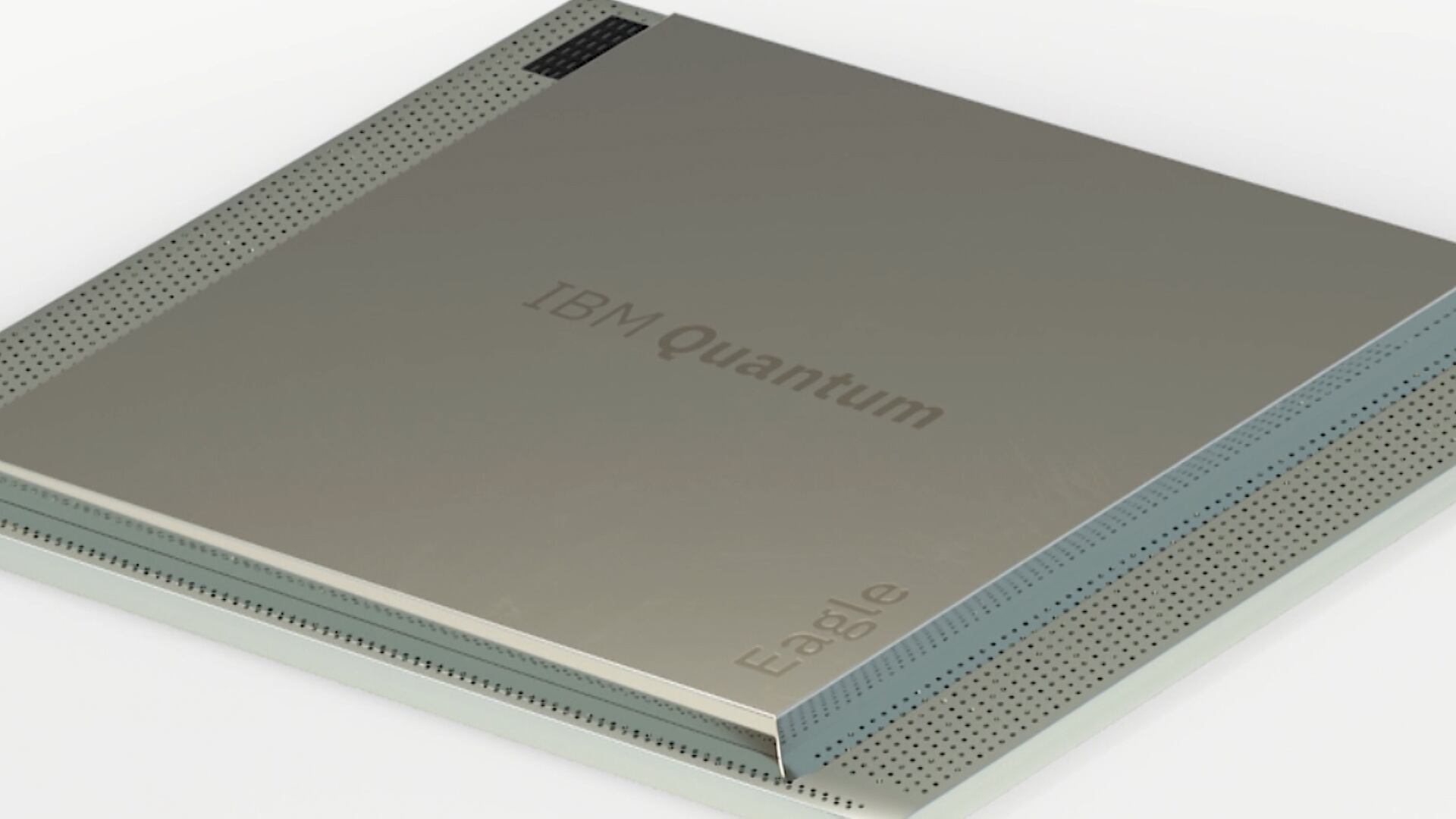
Bob Sutor, the chief quantum exponent at IBM, joined Cheddar to break down what the tech giant's new 127 qubit quantum processor, dubbed Eagle, will mean for computing. "We've broken through the way to scale these quantum devices to be bigger and bigger and therefore to be more useful," he explained. According to Sutor, quantum computing breakthroughs will provide faster or entirely novel solutions to complex, real-world problems in medicine, the creation of new materials, and even optimizing financial services.
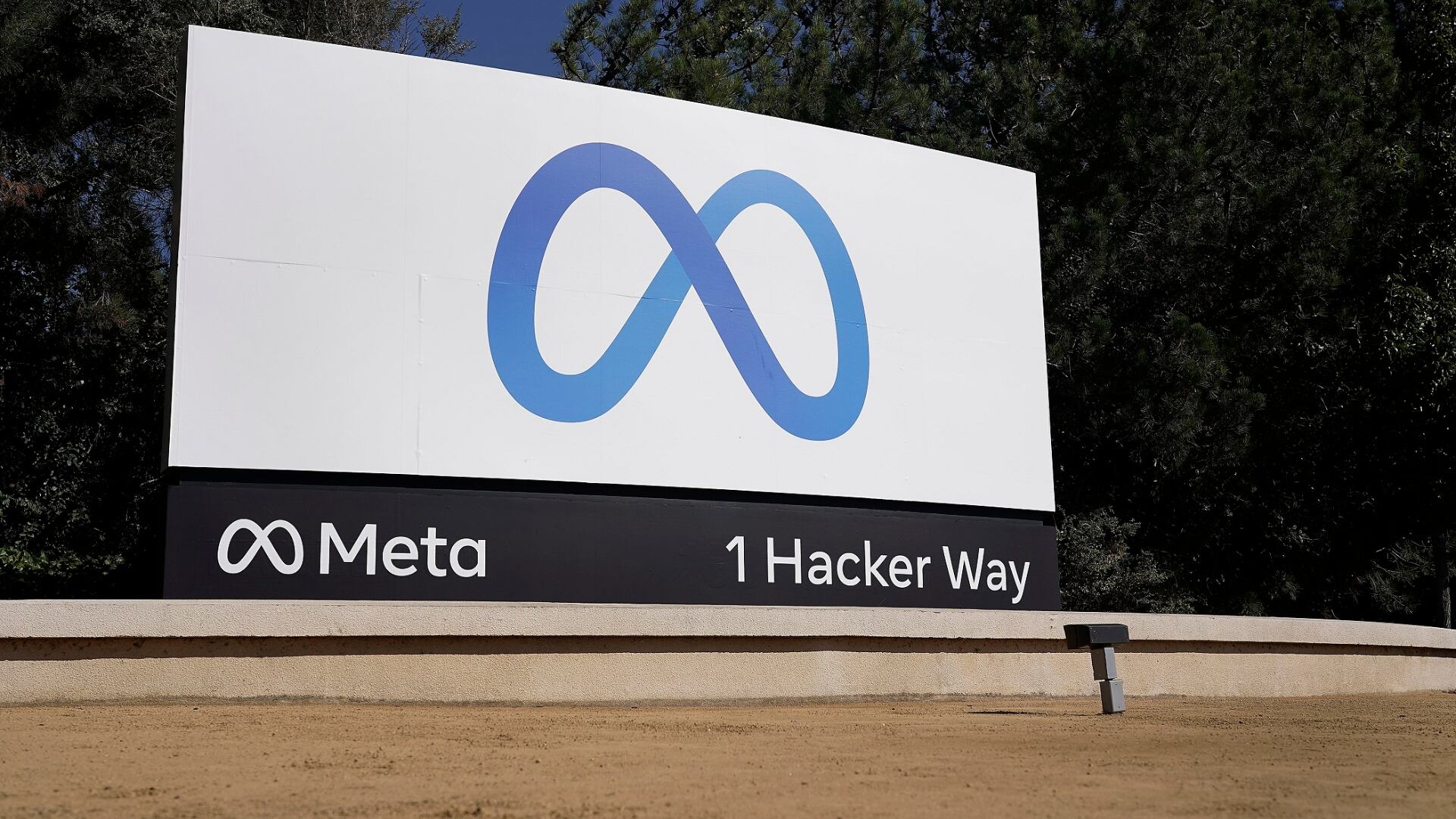
Meta, the parent company of Facebook, is facing a lawsuit from Ohio's attorney general Dave Yost, who said the company misled the public about safety on the platform.
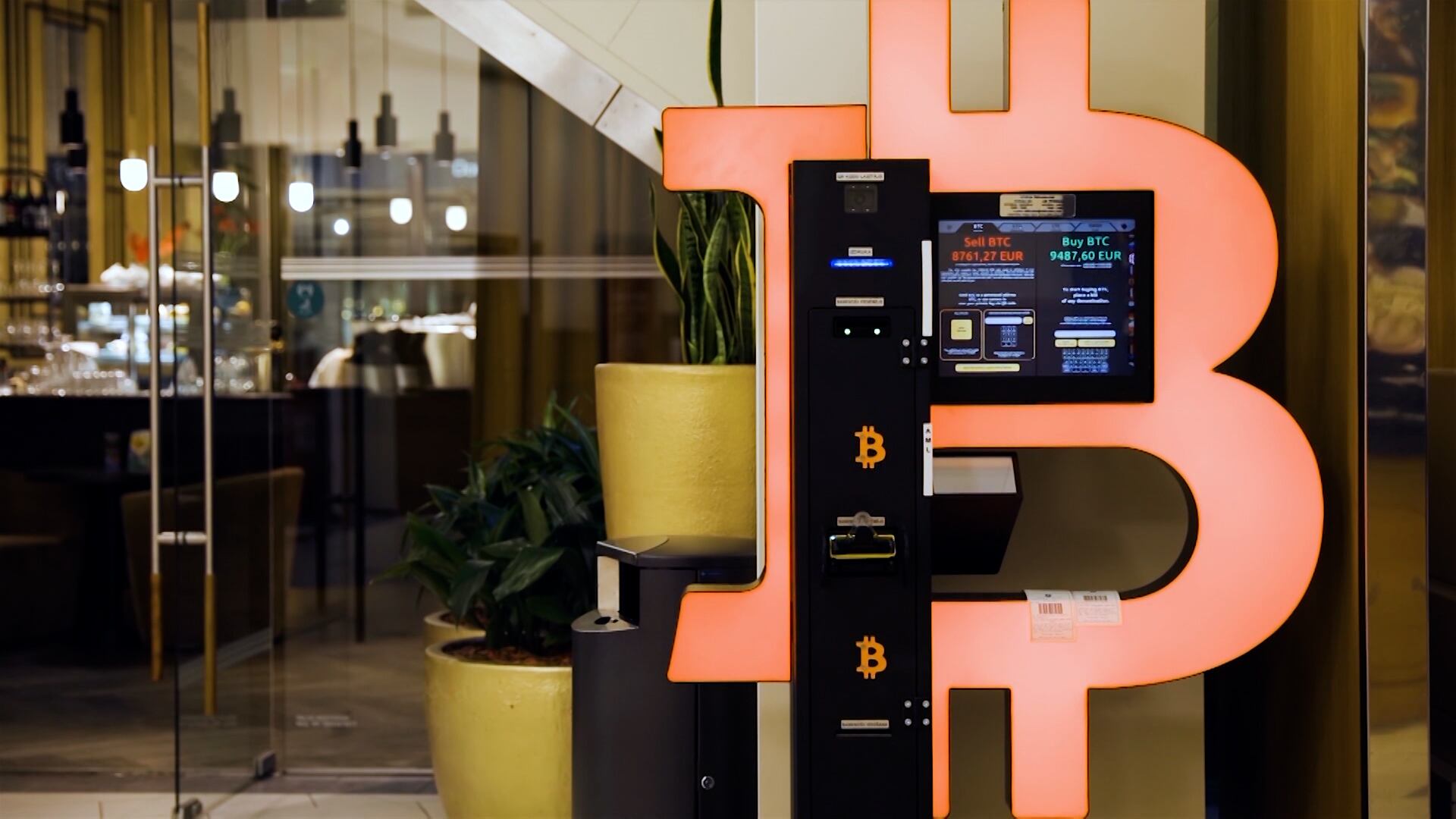
Bitcoin received its first update in four years called Taproot. Unlike the previous bitcoin update in 2017, Taproot has widespread support — in part because these changes involve fairly incremental improvements to the code. Christie Harkin, tech managing editor at CoinDesk, explained what the move could mean for the future of cryptocurrencies as a whole.
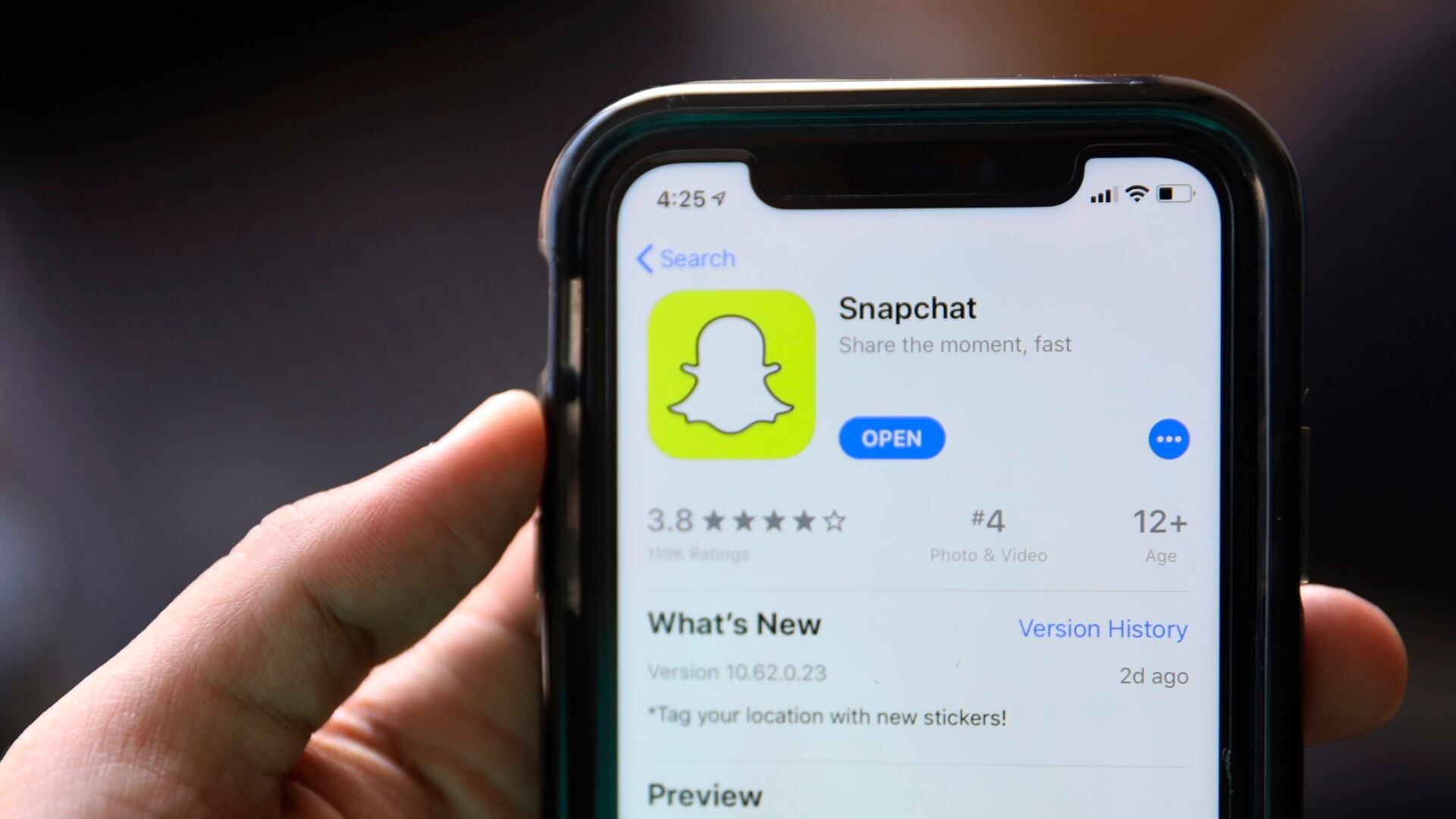
Snap has announced a licensing deal with Sony Music, giving its social media platform Snapchat access to the label's entire catalog. The deal now gives the company agreements with all of the major industry labels.
Kyndryl isn't wasting any time as an independent company. Just over a week after spinning off from IBM, the IT infrastructure services provider has announced its first global strategic partner in Microsoft. The two tech giants are coming together to form a new kind of power duo, creating multi-billion dollar revenue opportunities between the companies. Stephen Leonard, global alliances & partnerships leader for Kyndryl, told Cheddar more about the partnership and what it aims to achieve.
Bitcoin has successfully activated Taproot, the cryptocurrency's first major upgrade since 2017 and a highly anticipated change to the blockchain. Taproot will introduce what's known as Schnorr signatures, which will help transactions become more private, efficient and perhaps even less expensive. Robert Hackett, a cryptocurrency expert and journalist, breaks down the new upgrade and what it means for bitcoin users.
Jill is joined by Baker Machado to talk all things infrastructure: where will the money go and who’s in charge? Plus, Sesame Street has its first Asian-American muppet. And a trailer for the trailer for Spiderman. Huh?