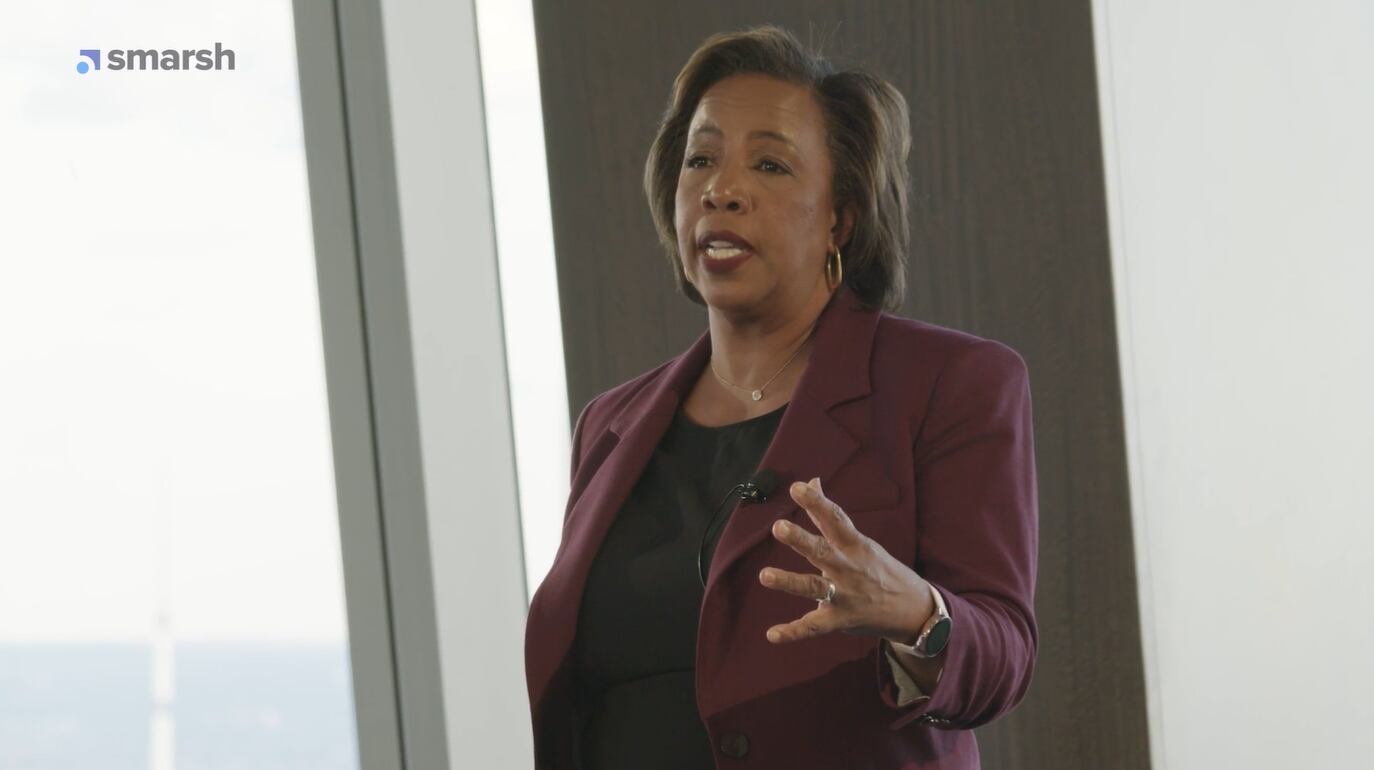
Apple is responding after two major investors penned a letter to the tech giant, calling on it to combat smartphone addiction among kids. Apple announced it will make parental controls more robust. iPod co-inventor and one of the lead designers of the iPhone Tony Fadell explains ways people, and businesses can combat addictive quality of technology.
"Now we are dealing with the unintended consequences of this technology," said Fadell. "Today we do not have the information at our fingertips to allow us to see what our digital life looks like." Fadell explains its imperative for companies to give us our data back to us, to blend it with our personal data to better understand and improve the way we use technology.
In a statement to USA Today Tuesday Apple said, "Apple has always looked out for kids, and we work hard to create powerful products that inspire, entertain, and educate children while also helping parents protect them online."
"This is an adults issue as well as a kids issue, so we have to think broader," says Fadell. "I'm sure they'll do the right thing. Hopefully Google and others do the same thing."
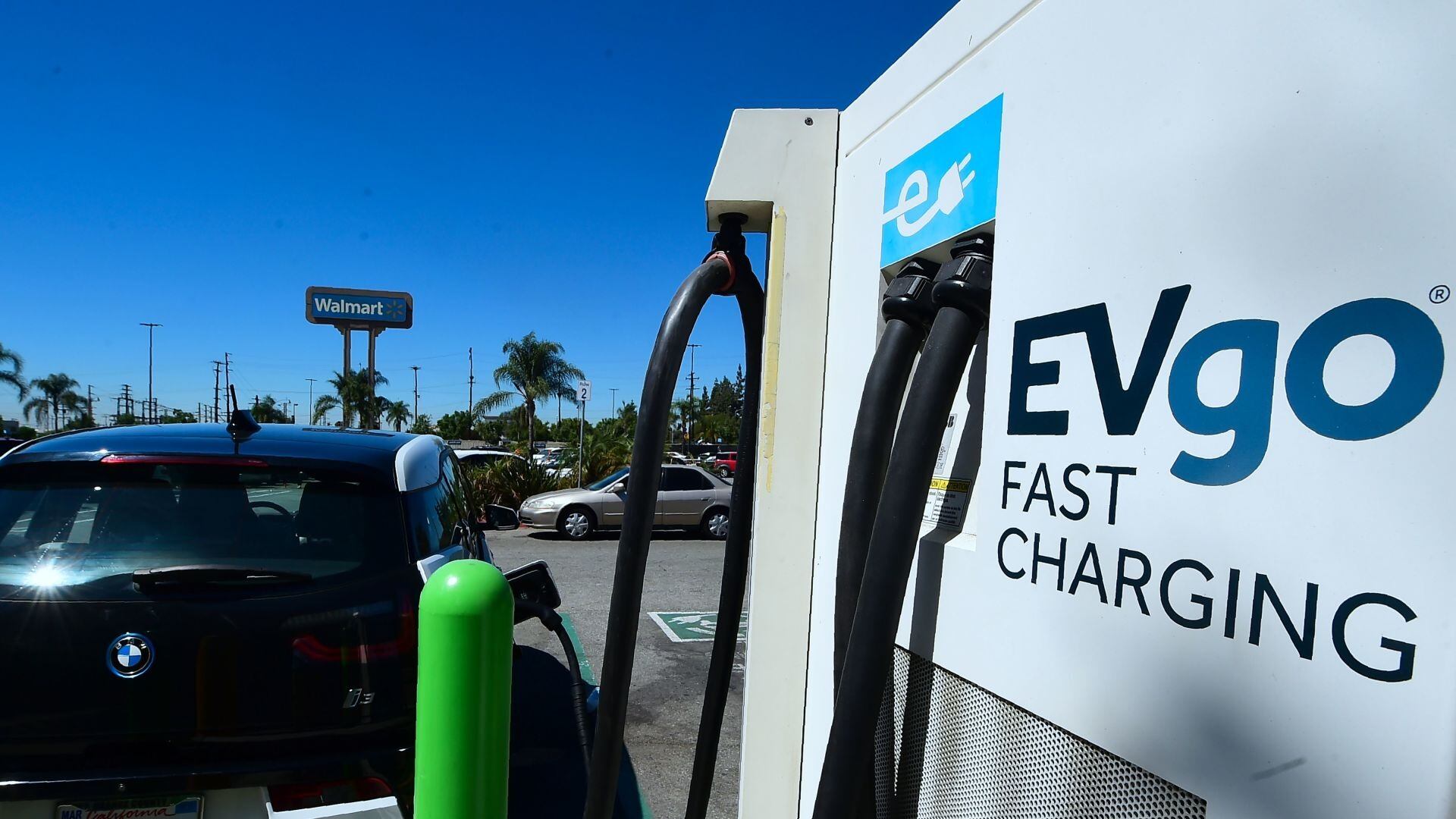
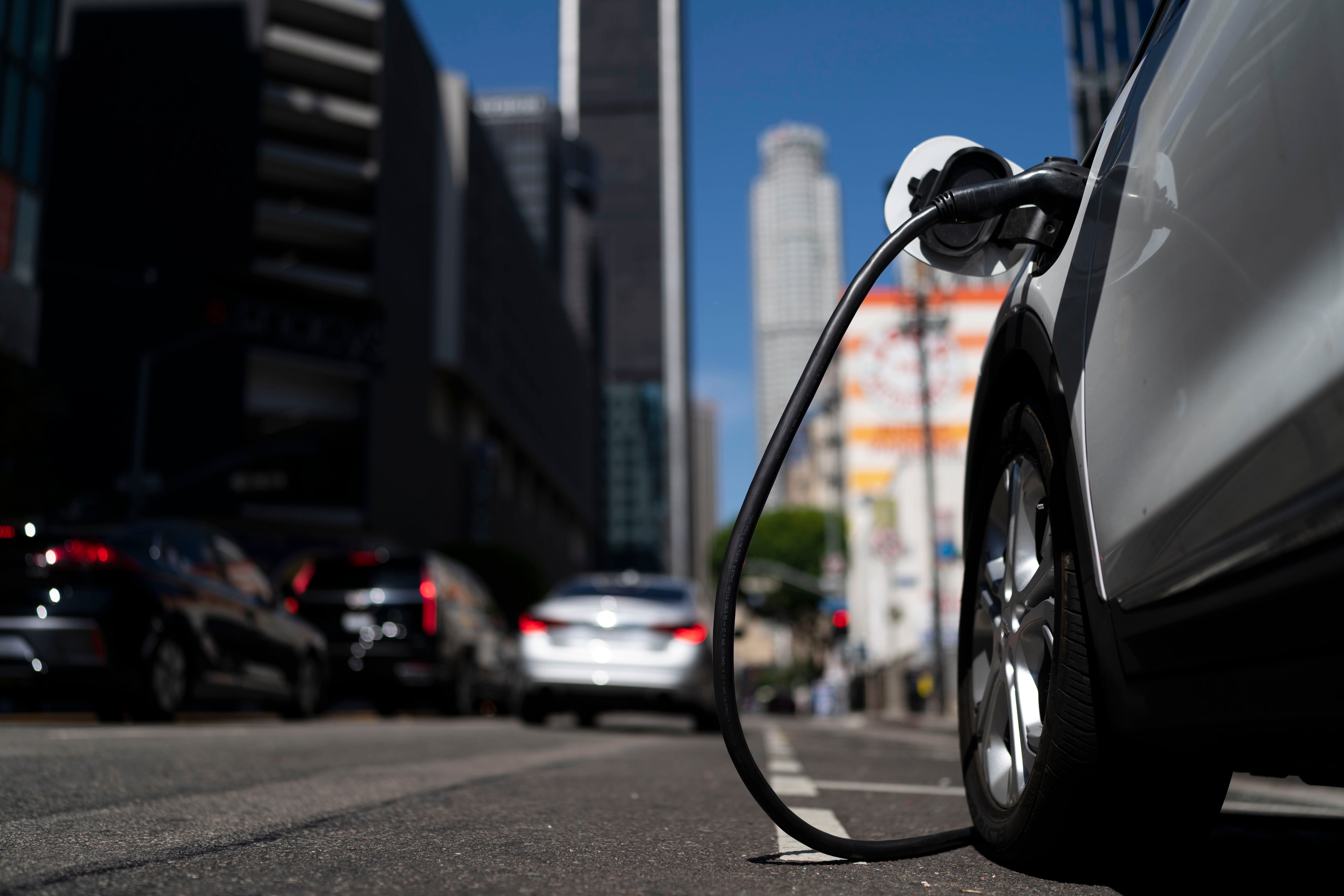
New regulations from the U.S. government may cause the price of electric vehicles to go up.
English Wikipedia raked in more than 84 billion views this year, according to numbers released Tuesday by the Wikimedia Foundation, the non-profit behind the free, publicly edited online encyclopedia. And the most popular article was about ChatGPT (yes, the AI chatbot that’s seemingly everywhere today).
The highly-anticipated trailer for Grand Theft Auto VI is out earlier than expected.
AT&T announced a new partnership with Swedish communications company Ericsson.
Hackers accessed the personal data of 6.9 million users via the genetic testing company 23andMe.
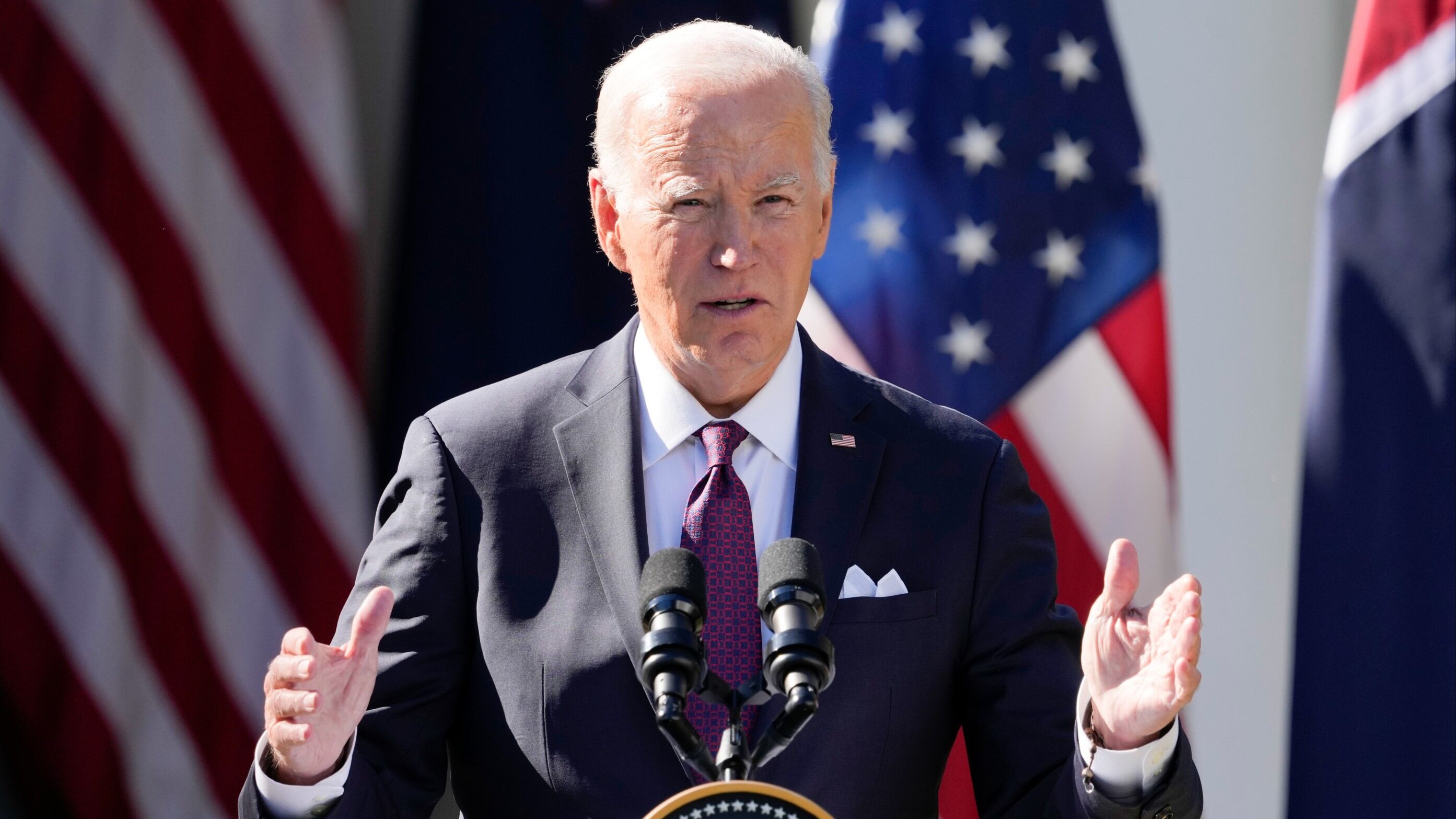
The Biden administration says electric vehicles made with battery materials from China will not be eligible for the full EV tax credit under new proposed rules.
You may soon be able to charge your car while driving. Cheddar News explains.
Google is moving forward with its previously-announced plan to delete inactive accounts and all associated data.
The network of nearly 4,800 fake accounts was attempting to build an audience when it was identified and eliminated by the tech company, which owns Facebook and Instagram.
Someone in China created thousands of fake social media accounts designed to appear to be from Americans and used them to spread polarizing political content in an apparent effort to divide the U.S. ahead of next year's elections, Meta said Thursday.