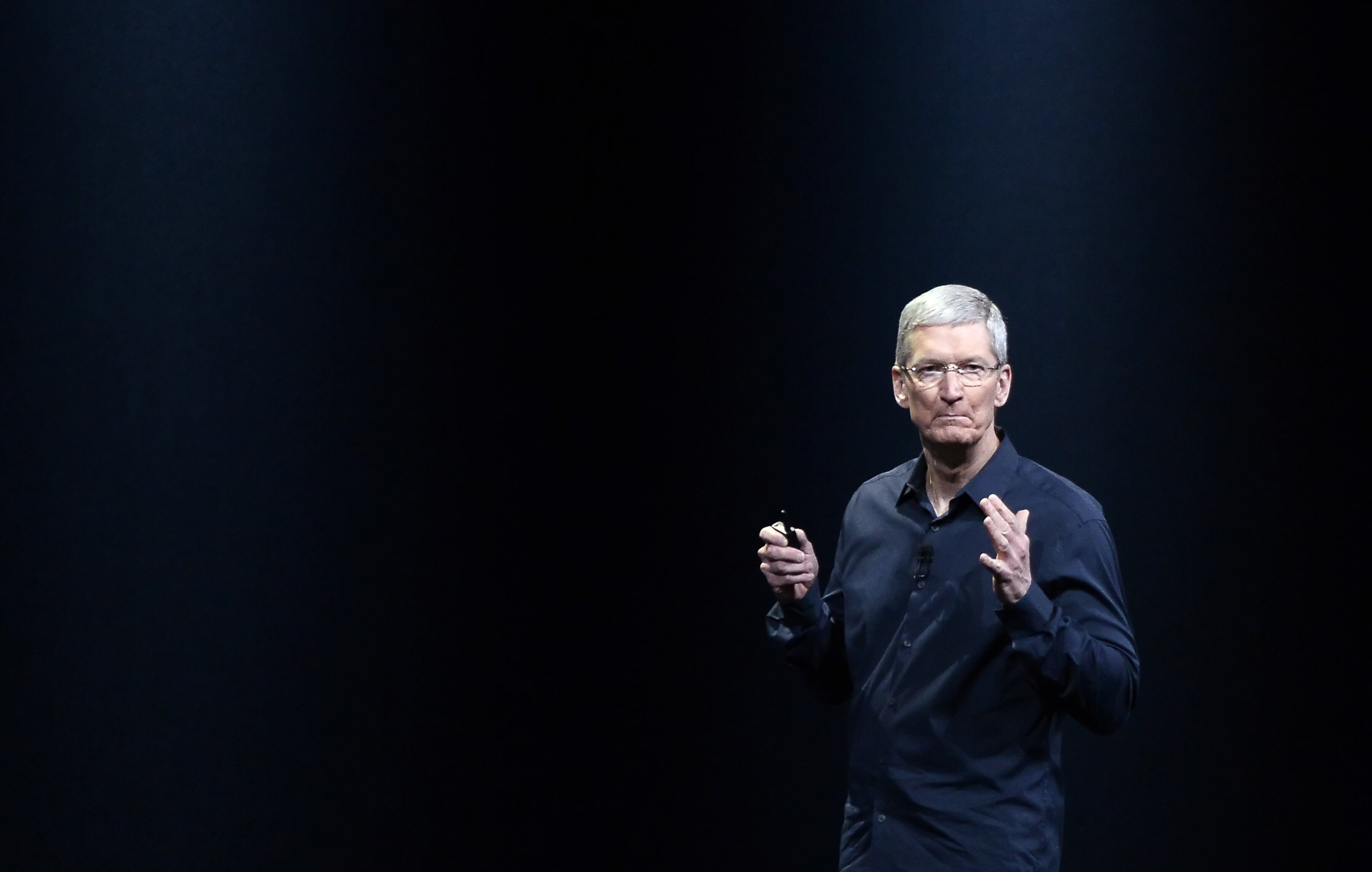
*By Alisha Haridasani* Apple unveiled one of its first built-in AR apps for the iPhone on Monday when it introduced updated AR software and operating systems at its annual developers conference. The changes included in the iOS 12 operating system aim to streamline the user experience and indicate the company's priorities for the year ahead, which will focus on software that makes existing products more essential, rather than introducing game-changing new hardware. At the World Wide Developers Conference in San Jose, Calif., Apple veered from tradition slightly and stuck only to software updates, said Gene Munster, managing partner at Loup Ventures. “We went back and looked at the last 17 years, they’ve really never had a developers conference and it was entirely software related,” Munster said in an interview with Cheddar's Hope King. Apple kicked things off by introducing a new AR file format ー .usdz ー that is compatible with creative software, like Adobe, and can easily be shared via email and text. The updated mobile operating system will also come with a tool, Measure, that lets a user measure the dimensions of objects through his or her device's camera, one of Apple's first native pushes into AR. The company’s upgraded ARKit, the development platform for third party AR apps, will allow for Shared Experiences, a feature that will give Apple a boost in the AR gaming world. “It may sound small but it’s a big deal in the AR world so they really moved that forward,” said Munster. In addition to the AR fodder for the almost 6,000 assembled developers to nerd-out over, Apple also introduced new iOS updates designed to improve the way regular iPhone and iPad users interact with their Apple devices. Munster said Apple was trying to hit hard the message, “that the user is always right.” The most highly-anticipated reveal was Apple’s new tools to help users manage the amount of time they spend glued to their screens. The new Screen Time function in iOS 12 monitors how much time users spend with each app, how many times they pick up their phones, and which notifications catch their attention. It also lets users limit how much time they spend with a particular app, and will notify them when they near that threshold. “Screen Time empowers you with both insight and control over how you spend your time,” said Craig Federighi, Apple’s senior vice president of software engineering. The updated operating system will also group notifications by app, topic, and thread, making them less overwhelming. “With a single swipe, you can triage a whole group of notifications away,” said Federighi. Apple’s push to wean users off their devices, even just a little, is unusual for a company that makes most of its revenue from selling devices. But it seems to be the company's response to criticism of the potential addictiveness of its iPhones and iPads. “I thought it was an amazing moment, a real milestone,” said [Arianna Huffington](https://cheddar.com/videos/arianna-huffington-on-apples-ground-breaking-moment-at-wwdc), founder of the Huffington Post and the new health and wellness start-up Thrive. “The world is recognizing that being always on, becoming increasingly addicted to our phones, and all these apps and social media, makes us less productive.” Last month, Google also announced similar tools to help its products' users manage their digital habits. Apple announced changes to its voice assistant, Siri, as competition with other voice assistants heats up, and the appeal of Apple’s robot has [dipped.](https://techcrunch.com/2017/07/11/siri-usage-and-engagement-dropped-since-last-year-as-alexa-and-cortana-grew/) Siri Shortcuts allow users to integrate more third-party apps into the voice assistant’s ecosystem. This would allow a user to create a voice activated shortcut for "Heading Home," for example, that will automatically text someone the user's estimated time of arrival, play a podcast for the journey, and bring up traffic updates. The iOS 12 operating system, which will be rolled out later this year, will also include group FaceTime chats for up to 32 people at a time and animated emojis that look like a user, also called "Memojis." For the full interview, [click here](https://cheddar.com/videos/gene-munster-apple-quietly-called-out-facebook-google-at-wwdc).