*By Alisha Haridasani*
Apple unveiled one of its first built-in AR apps for the iPhone on Monday when it introduced updated AR software and operating systems at its annual developers conference.
The changes included in the iOS 12 operating system aim to streamline the user experience and indicate the company's priorities for the year ahead, which will focus on software that makes existing products more essential, rather than introducing game-changing new hardware.
At the World Wide Developers Conference in San Jose, Calif., Apple veered from tradition slightly and stuck only to software updates, said Gene Munster, managing partner at Loup Ventures.
“We went back and looked at the last 17 years, they’ve really never had a developers conference and it was entirely software related,” Munster said in an interview with Cheddar's Hope King.
Apple kicked things off by introducing a new AR file format ー .usdz ー that is compatible with creative software, like Adobe, and can easily be shared via email and text. The updated mobile operating system will also come with a tool, Measure, that lets a user measure the dimensions of objects through his or her device's camera, one of Apple's first native pushes into AR.
The company’s upgraded ARKit, the development platform for third party AR apps, will allow for Shared Experiences, a feature that will give Apple a boost in the AR gaming world.
“It may sound small but it’s a big deal in the AR world so they really moved that forward,” said Munster.
In addition to the AR fodder for the almost 6,000 assembled developers to nerd-out over, Apple also introduced new iOS updates designed to improve the way regular iPhone and iPad users interact with their Apple devices.
Munster said Apple was trying to hit hard the message, “that the user is always right.”
The most highly-anticipated reveal was Apple’s new tools to help users manage the amount of time they spend glued to their screens. The new Screen Time function in iOS 12 monitors how much time users spend with each app, how many times they pick up their phones, and which notifications catch their attention. It also lets users limit how much time they spend with a particular app, and will notify them when they near that threshold.
“Screen Time empowers you with both insight and control over how you spend your time,” said Craig Federighi, Apple’s senior vice president of software engineering.
The updated operating system will also group notifications by app, topic, and thread, making them less overwhelming. “With a single swipe, you can triage a whole group of notifications away,” said Federighi.
Apple’s push to wean users off their devices, even just a little, is unusual for a company that makes most of its revenue from selling devices. But it seems to be the company's response to criticism of the potential addictiveness of its iPhones and iPads.
“I thought it was an amazing moment, a real milestone,” said [Arianna Huffington](https://cheddar.com/videos/arianna-huffington-on-apples-ground-breaking-moment-at-wwdc), founder of the Huffington Post and the new health and wellness start-up Thrive. “The world is recognizing that being always on, becoming increasingly addicted to our phones, and all these apps and social media, makes us less productive.”
Last month, Google also announced similar tools to help its products' users manage their digital habits.
Apple announced changes to its voice assistant, Siri, as competition with other voice assistants heats up, and the appeal of Apple’s robot has [dipped.](https://techcrunch.com/2017/07/11/siri-usage-and-engagement-dropped-since-last-year-as-alexa-and-cortana-grew/)
Siri Shortcuts allow users to integrate more third-party apps into the voice assistant’s ecosystem. This would allow a user to create a voice activated shortcut for "Heading Home," for example, that will automatically text someone the user's estimated time of arrival, play a podcast for the journey, and bring up traffic updates.
The iOS 12 operating system, which will be rolled out later this year, will also include group FaceTime chats for up to 32 people at a time and animated emojis that look like a user, also called "Memojis."
For the full interview, [click here](https://cheddar.com/videos/gene-munster-apple-quietly-called-out-facebook-google-at-wwdc).
It's no secret tech giant Amazon has a mission of becoming a major player in sports media, and the company is poised to make progress on that goal in 2022. Amazon Prime Video will be the exclusive home to Thursday Night Football for the 2022-23 NFL season. In December, the New York Post reported that Amazon is in the beginning stages of developing studio sports programs, and hopes to soon have a full daily lineup of sports shows. Front Office Sports senior reporter A.J. Perez joined Cheddar News' Closing Bell to discuss.
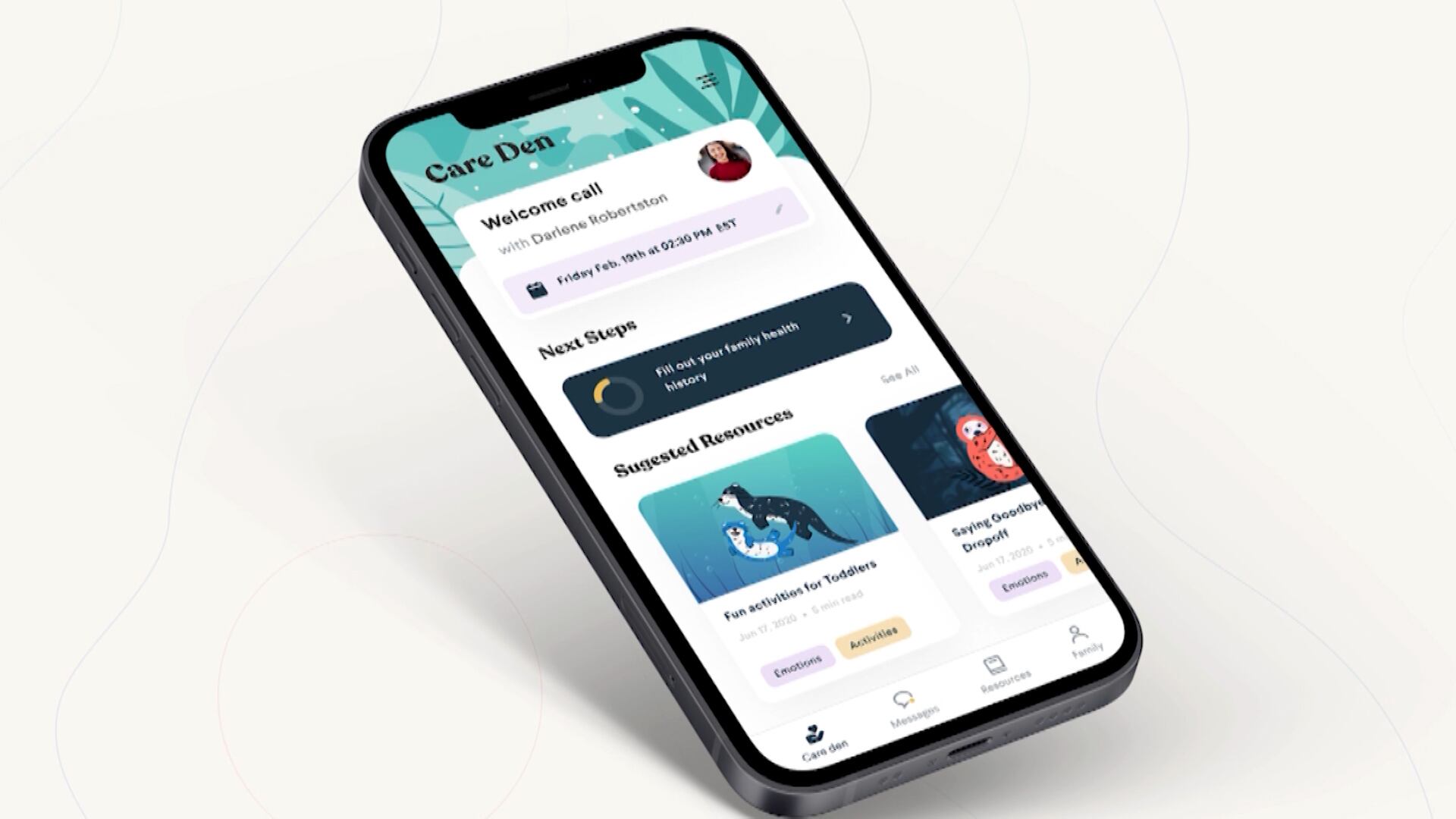
Digital mental health company Little Otter recently announced it closed a $22 million Series A round. Little Otter was founded in 2020 by a mother-daughter team, which based the company on the idea that a child's mental health can only be addressed by treating the whole family through technology available to everyone. Little Otter CEO and co-founder Rebecca Egger and her mother, Little Otter Chief Medical and Scientific Officer and co-founder Dr. Helen Egger joined Cheddar News' Closing Bell to discuss.
Stocks closed lower Thursday with the tech-heavy Nasdaq in particular under pressure as investors dump tech stocks amid interest rate hike fears. This is the third session in a row that the Nasdaq has slipped. Meanwhile, rate-sensitive stocks gained one day after the Federal Reserve announced its more hawkish policy including three rate hikes this year. Kristina Hooper, Chief Global Market Strategist at Invesco, joins Cheddar News' Closing Bell to discuss today's close, this week's Fed minutes and the central bank's new hawkish policy, and more.
Kim Grauer, Director of Research for Chainalysis, joins Cheddar News' Closing Bell, where she breaks down her recent study and says while scammers took a record $14 billion in crypto in 2021, the share of overall activity of those events are at an all-time low.
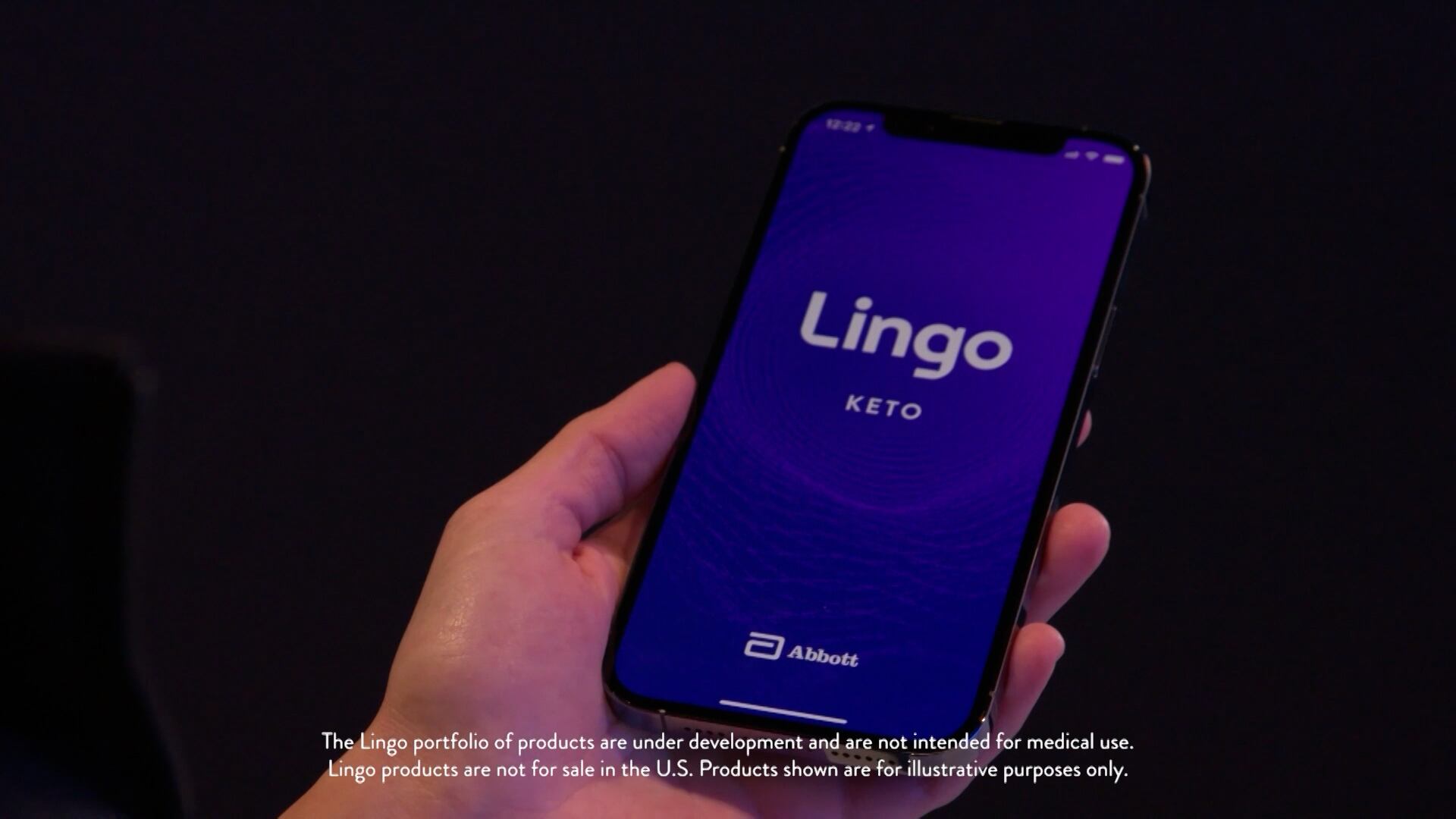
Jared Watkin, senior vice president, diabetes care, at Abbott Laboratories, joined Michelle Castillo from the CES 2022 floor to discuss the future of health tech, including Abbott's consumer-facing biowearable called Lingo. The accessory is supposed to send real-time biomarker information like glucose or ketone levels to the Lingo app for the wearer to review. "The idea is that it's a window into your body," Watkin said. "It gives you insight into what's going on in your body and the certain circumstances that you otherwise wouldn't be able to have."
Aaron Jefferson, VP of product at Luminar, joined Cheddar to discuss partnering with automaker Volvo to bring its LIDAR (light detection and ranging) tech into autonomous cars capable of safely driving on the highway. While companies like Tesla have come under fire due to safety issues with its self-driving technology, Jefferson noted how his company's tech differs. "Our LIDAR, its iris sensor that's really set for production, is able to sense, understand, and give the vehicle confidence to react accordingly such that you don't have these same types of issues," he said. The Ride Pilot technology in Volvo vehicles will be rolled out in California following safety testing.
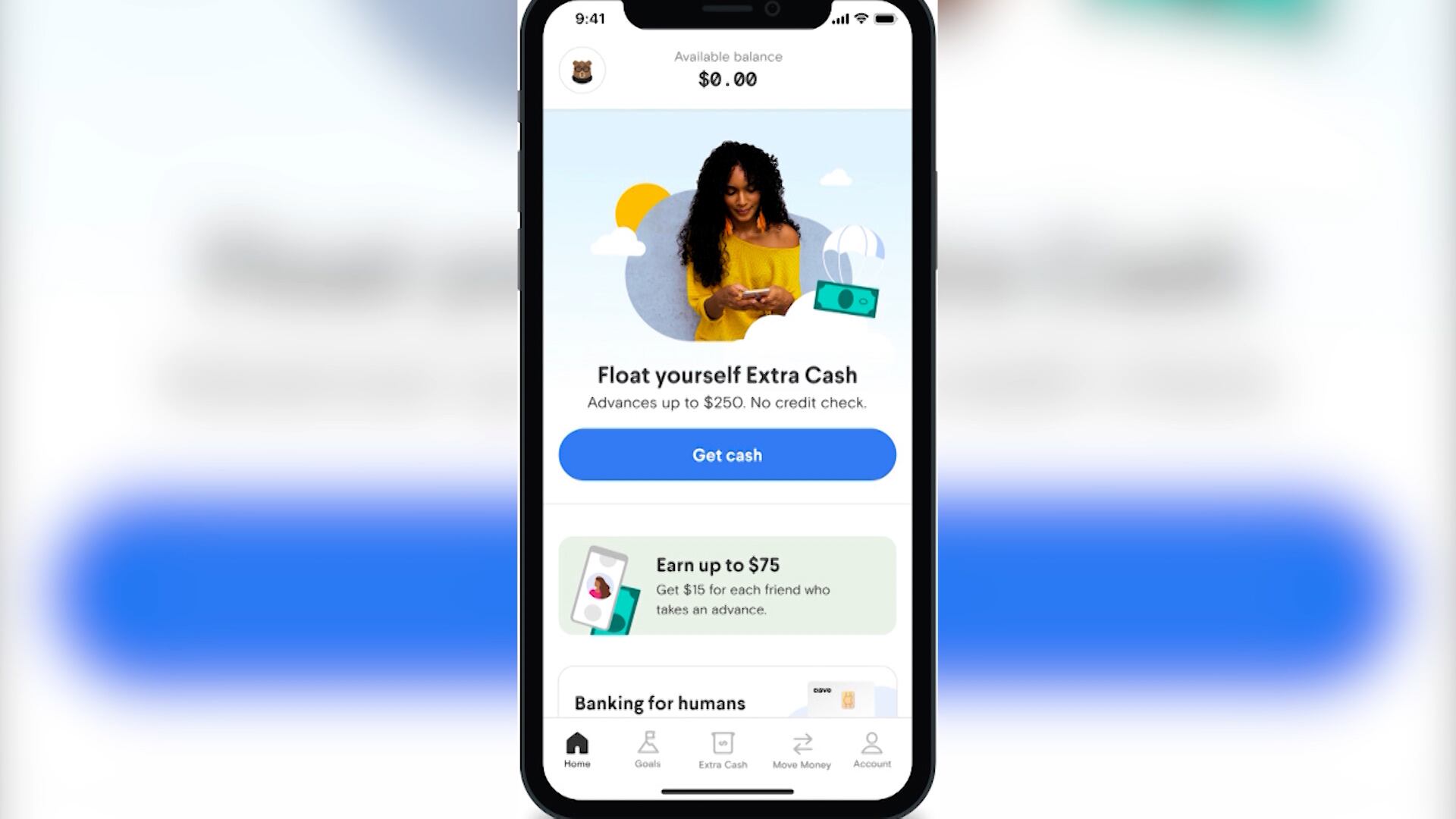
The fintech app backed by billionaire Mark Cuban called Dave made its public debut on the Nasdaq Thursday via a SPAC merger. CEO and co-founder Jason Wilk spoke to Cheddar's Kristen Scholer about the IPO and how his company's services distinguish it from traditional banks. "Customers come to us because they're tired of paying $20 billion of overdraft fees, and they come to Dave, they download our app, and within minutes they can get access to $250 of no interest credit, which we give them through our own proprietary machine learning model," he told Cheddar.
Stephanie Linnartz, president of Marriott International, joined Cheddar's "Closing Bell" to talk about the launch of the Marriott Design Lab, a new facility within its Bethesda, Maryland, headquarters to explore innovative tech offerings for bolstering the guest experience. "It's all around figuring out how we can innovate in the guest room in the public space, looking at how we can use robotics, improve sustainability, etcetera," she said. Some short-term changes in the future Linnartz also noted is an expansion of the chain's mobile capabilities to make check-in and check-out an easier process for guests, as well as mobile room service, from the feedback it received during the pandemic.
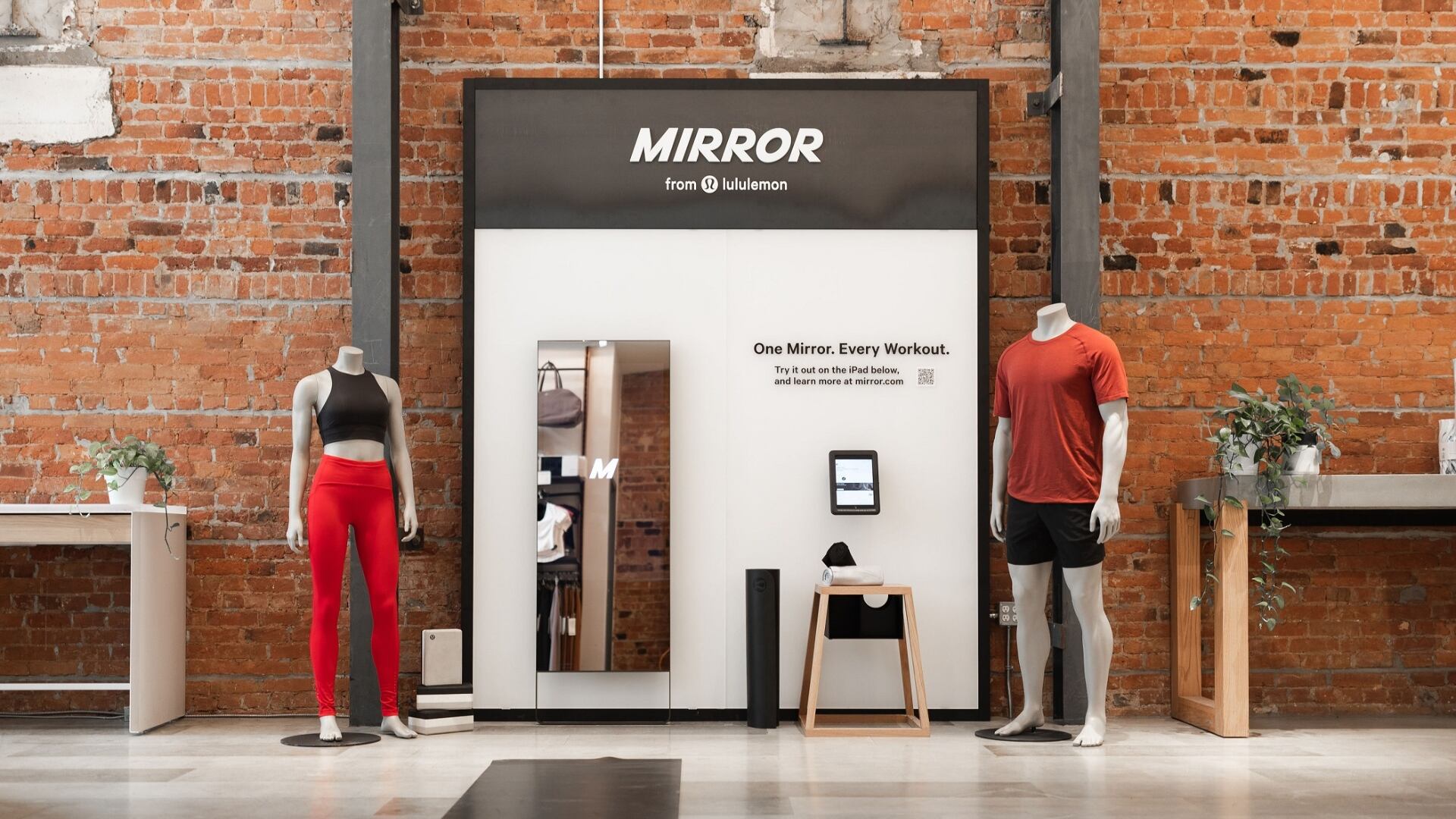
Nike has initiated a lawsuit against athletic apparel retailer and competitor Lululemon over claims of patent infringement. The sneaker giant is claiming the technology in their rival's MIRROR home gym was patented back in 1983.