*By Alisha Haridasani*
Apple wants to turn its Pay function into a bigger revenue stream by expanding the use of its cashless payment tool to include a wider range of transactions.
At its annual developers conference this week, Apple announced partnerships with six American universities to incorporate their students' IDs into the Pay and Wallet system.
“When you look at students, if you’ll remember, you use your ID to do so many things ー to get into your dorm room, to go to the library, to pay for your food and your meal plan, to check in to the work out facilities,” Jennifer Bailey, head of Apple Pay, said in an interview with Cheddar’s Hope King. “Now having it in their phones in a secure way, we think students are going to love it.”
Apple Pay also launched a transit payment system in four Chinese cities earlier this year, allowing users to pay for train and bus rides using the Pay tool.
“People love to use it for everyday commuting,” said Bailey. The feature is available in cities in Japan, as well as Moscow, St. Petersburg, London, Chicago, Portland, Ore., and Salt Lake City. There are plans to integrate it with New York’s MTA system.
Apple’s efforts to expand the Pay and Wallet tools are part of its wider strategy to boost its services unit, which includes Pay, Music, and the iCloud. As iPhone sales start to slow, the company's services business become more important.
Revenue from Apple’s services accounted for around 15 percent of revenue in the [second quarter](https://www.apple.com/newsroom/pdfs/Q2_FY18_Data_Summary.pdf), bringing in $9 billion. While Apple doesn’t break down how each unit fares, the CFO Luca Maestri told [Bloomberg](https://www.bloomberg.com/news/articles/2018-05-01/apple-paid-subscribers-grew-by-100-million-from-year-ago) there are 270 million paid subscribers of its services.
The company is also investing more than [$1 billion](https://www.nytimes.com/2018/03/25/business/media/apple-hollywood-streaming.html) building out its entertainment unit. Details are sparse, but so far the company has courted the Hollywood stars Reese Witherspoon, Jennifer Aniston, Damien Chazelle, and Steven Spielberg for a dozen projects that are slated to be released next year.
For the full interview, [click here](https://cheddar.com/videos/apple-pay-vp-jennifer-bailey-on-future-of-mobile-payments).
Paul Travers, CEO of Vuzix, joins Cheddar News to discuss the different scenarios that its augmented reality smart glasses can be used for and his outlook for this technology in 2022.
This year saw big developments in the sector, including the rise of cryptocurrency, announcements about new metaverse and virtual worlds, increased consumer interest in wearable tech, and more. What does 2022 have in store for these aspects of the tech world, and what else can we expect? Hatem Dhiab, Managing Partner at Gerber Kawasaki, joins Cheddar News' Closing Bell to discuss.
With the rollout of 5G technology, mobile phone users are experiencing faster device performance. But as the tech becomes more widely available, 5G won't just make our phones operate faster. Digital productivity across the board is expected to rise. Hugh Odom, founder and president of Vertical Consultants, joined Cheddar's "Closing Bell" to talk about his company's predictions for 5G, including more streamlined virtual doctor visits and helping supply chains become more efficient. Odom also talked about the airline industry's request to the Biden administration to delay the wider rollout of 5G, as they said it will interfere with flying safety.
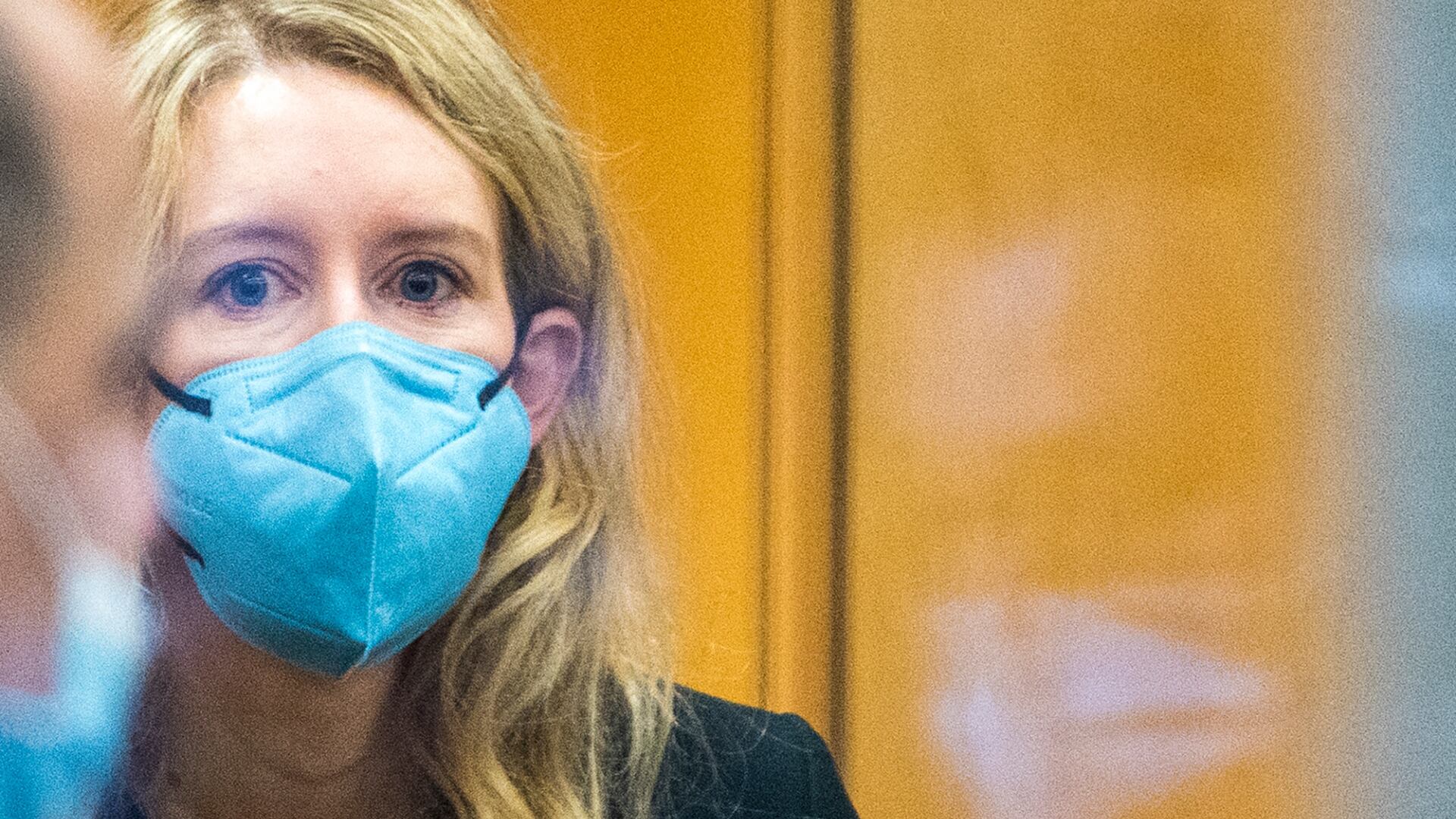
Jurors in the trial against Theranos CEO Elizabeth Holmes have entered day six of deliberations. Holmes is accused of lying to investors about the functionality of a newly developed blood-testing technology. Andrew George, partner at Baker Botts, joined Cheddar to break down key points in the case and what the jury might be considering during their deliberations. He also noted that the rest of Silicon Valley, including Holmes' business partner, Ramesh "Sunny" Balwani, who is facing identical charges, is closely watching the outcome of deliberations — as it could set the tone for future regulations and Balwani's own trial.
While slumps within the crypto market have typically correlated with major developments, such as China's crypto crackdown or Tesla reversing course on accepting bitcoin, the current slide is coming at a time when the stock market is at or near record levels. Reporter Alex Vuocolo talks about the role of the crypto derivatives market in bitcoin's latest price drop, as well as the future of sustainability in the space.