*By Alisha Haridasani*
Apple wants to turn its Pay function into a bigger revenue stream by expanding the use of its cashless payment tool to include a wider range of transactions.
At its annual developers conference this week, Apple announced partnerships with six American universities to incorporate their students' IDs into the Pay and Wallet system.
“When you look at students, if you’ll remember, you use your ID to do so many things ー to get into your dorm room, to go to the library, to pay for your food and your meal plan, to check in to the work out facilities,” Jennifer Bailey, head of Apple Pay, said in an interview with Cheddar’s Hope King. “Now having it in their phones in a secure way, we think students are going to love it.”
Apple Pay also launched a transit payment system in four Chinese cities earlier this year, allowing users to pay for train and bus rides using the Pay tool.
“People love to use it for everyday commuting,” said Bailey. The feature is available in cities in Japan, as well as Moscow, St. Petersburg, London, Chicago, Portland, Ore., and Salt Lake City. There are plans to integrate it with New York’s MTA system.
Apple’s efforts to expand the Pay and Wallet tools are part of its wider strategy to boost its services unit, which includes Pay, Music, and the iCloud. As iPhone sales start to slow, the company's services business become more important.
Revenue from Apple’s services accounted for around 15 percent of revenue in the [second quarter](https://www.apple.com/newsroom/pdfs/Q2_FY18_Data_Summary.pdf), bringing in $9 billion. While Apple doesn’t break down how each unit fares, the CFO Luca Maestri told [Bloomberg](https://www.bloomberg.com/news/articles/2018-05-01/apple-paid-subscribers-grew-by-100-million-from-year-ago) there are 270 million paid subscribers of its services.
The company is also investing more than [$1 billion](https://www.nytimes.com/2018/03/25/business/media/apple-hollywood-streaming.html) building out its entertainment unit. Details are sparse, but so far the company has courted the Hollywood stars Reese Witherspoon, Jennifer Aniston, Damien Chazelle, and Steven Spielberg for a dozen projects that are slated to be released next year.
For the full interview, [click here](https://cheddar.com/videos/apple-pay-vp-jennifer-bailey-on-future-of-mobile-payments).
CES, the largest tech convention in the world, kicks off this Wednesday ending on Friday, one day earlier than originally planned. The annual event features more than 2,000 exhibitors showing off their latest tech products in Las Vegas. Richard Lawler, Senior News Editor, The Verge joined Wake Up with Cheddar to preview the large event.
Amazon employees and activists staged a worldwide strike today--calling on the tech giant to raise wages, pay more taxes and reduce its carbon footprint. The 'Make Amazon Pay' protests took place at factories, warehouses, data centers and corporate offices all around the world. Ian Sherr, Editor at Large, The Verge, joined Wake Up with Cheddar to discuss.
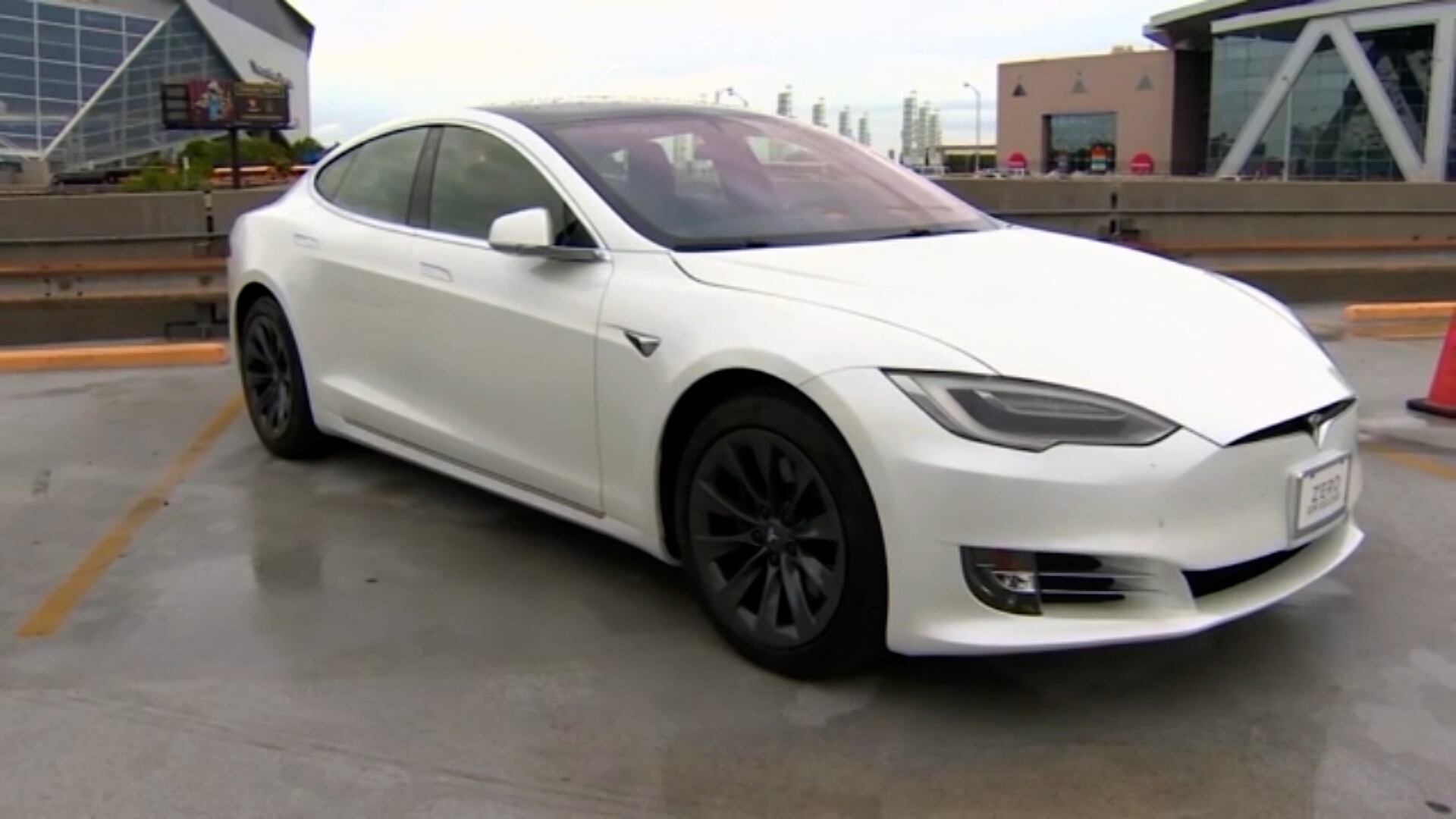
Tesla posted solid delivery numbers over the last year, with deliveries surpassing over 930,000, an 87 percent jump from the same period in 2020. Anthony Sassine, CFA, Senior Investment Strategies, KraneShares joined Wake Up with Cheddar to discuss the top EV stocks as well as how Tesla will stay relevant in the crowded space.
Apple became the first publicly traded U.S. company to hit the $3 trillion valuation mark after its stock price jumped to $182.86 in morning trading before slipping back just under the mark. The tech giant has tripled its worth since 2018.
There is a new player in the mobile app stock trading space.
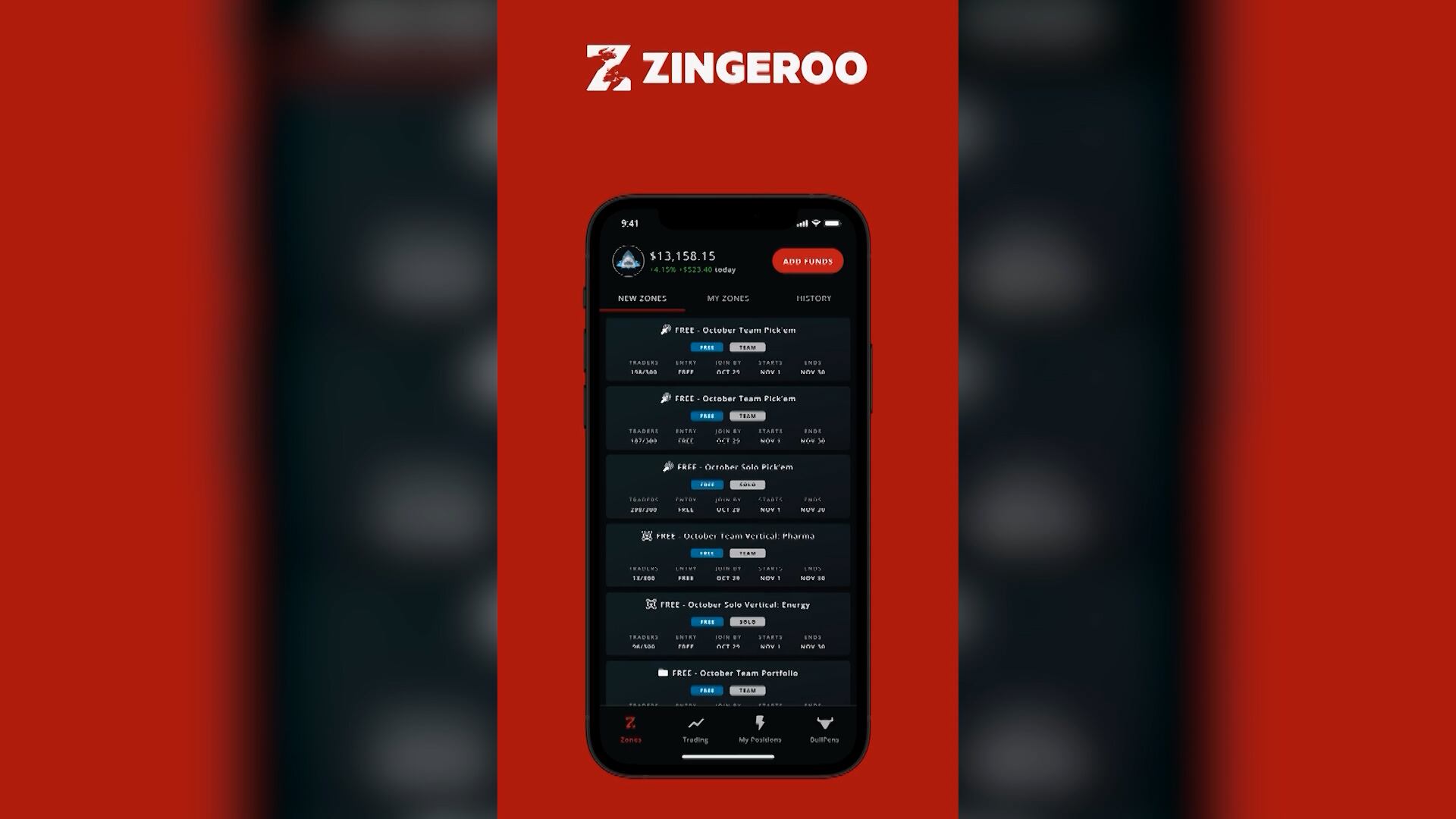
Zingeroo recently announced a funding round of $8.5 million. The company says it aims to bring 'friendly competition' to stock trading, by literally breaking trading down into daily and weekly competitions between friends. Zingeroo also says it hopes its new approach can make trading more accessible, educational, and social than ever before. Zingeroo co-founder and CEO Zoe Barry joins Cheddar News' Closing Bell for more.
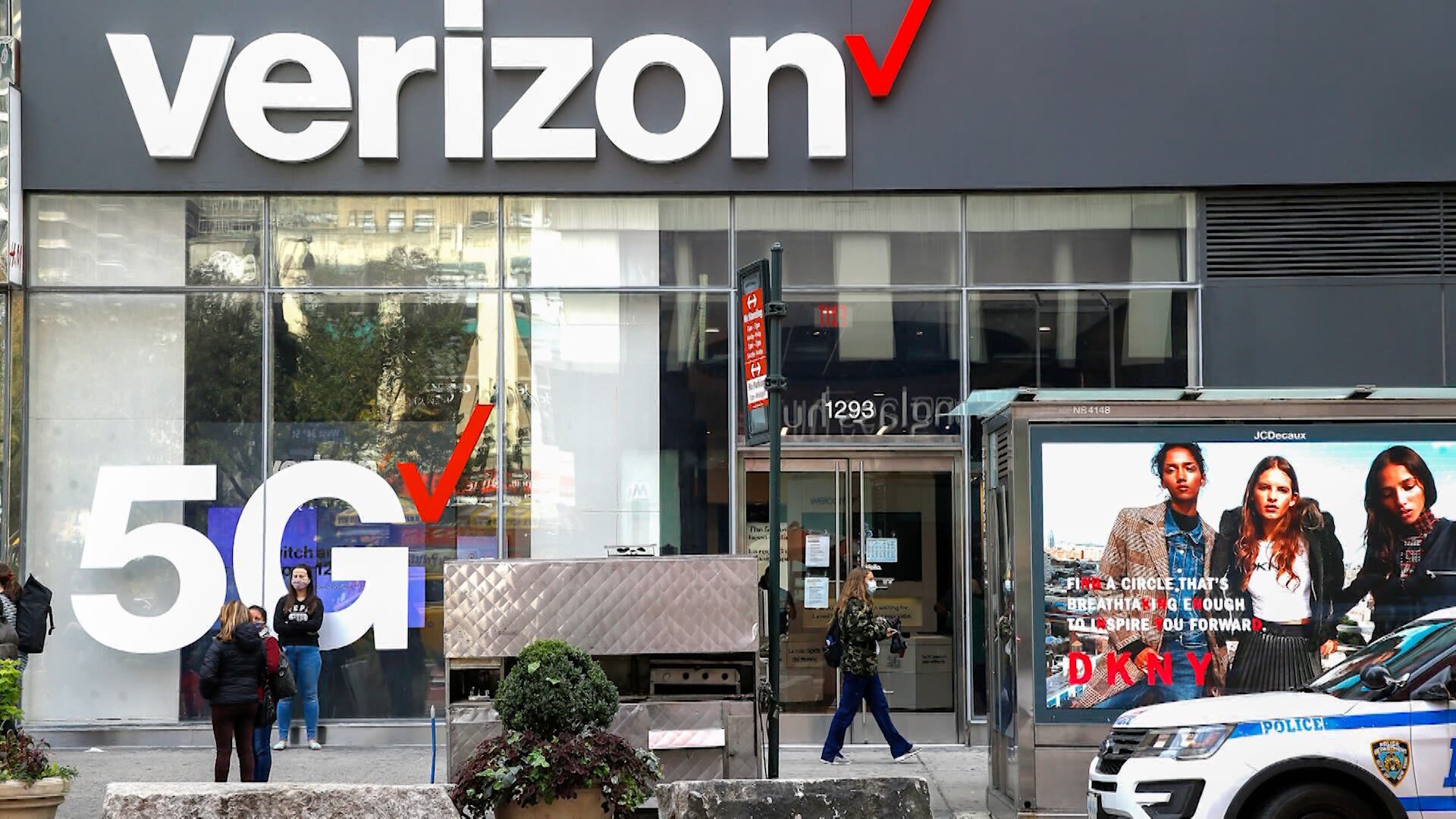
As cell carriers AT&T and Verizon planned to roll out nationwide 5G service this week, the FAA and U.S. DOT are asking the companies to pause their plans so more research can be done on the impact 5G has on aircraft technology. The companies are refusing, citing French regulations that limit wireless signals around airports while allowing research to continue. This week's launch wasn't the first time concerns have delayed 5G — last year, Airbus and Boeing express concerns, pushing the deadline into November, December, and then into this year. So what happens now — and what happens next? Will 5G roll out this year as expected? Jon Swartz, Senior Reporter at MarketWatch, joins Cheddar News' Closing Bell to discuss the state of the planned 5G rollout, why the FAA and U.S. Department of Transportation are asking carriers to stall the launch, and more.