*By Alisha Haridasani*
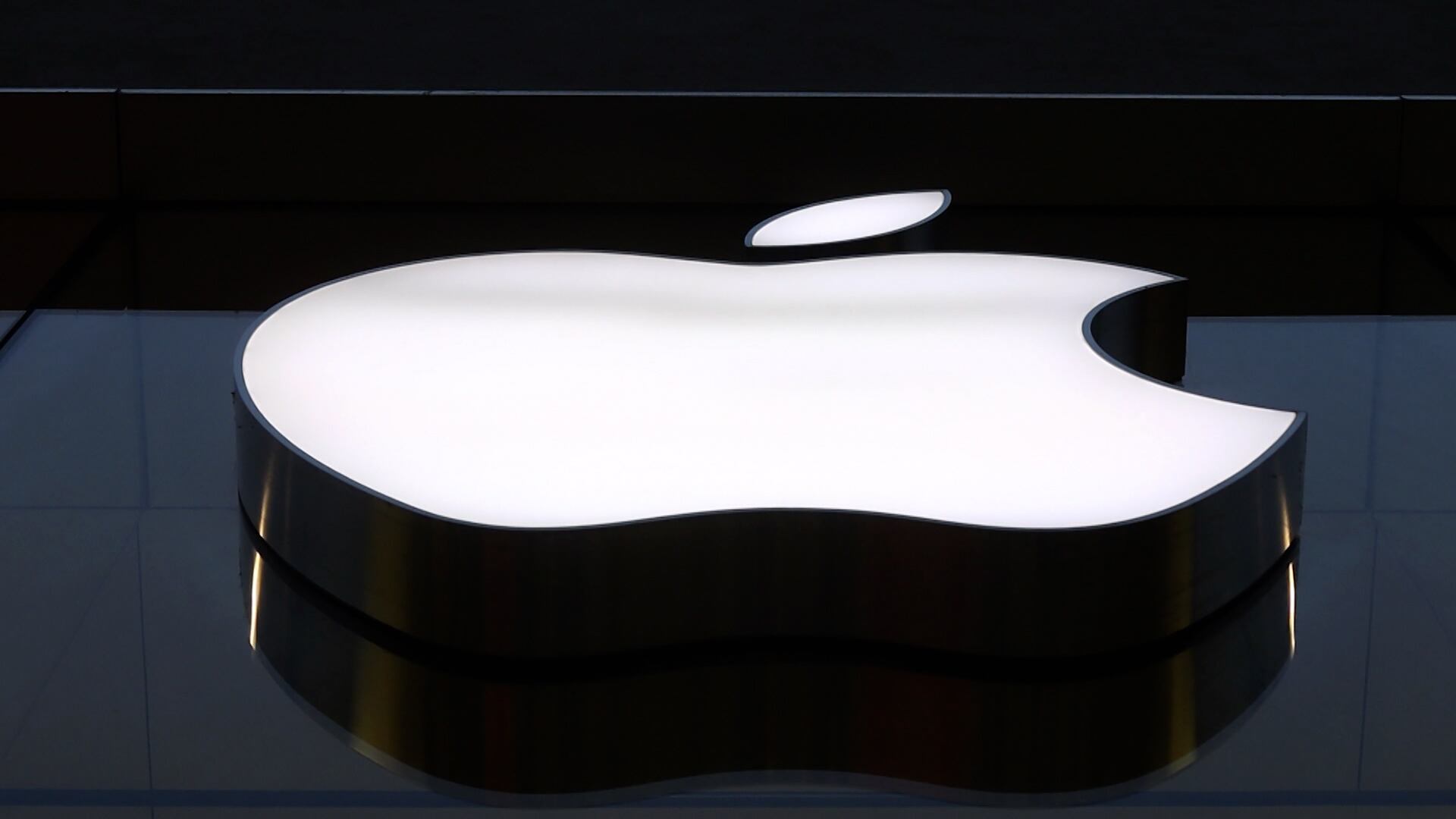
Apple wants to turn its Pay function into a bigger revenue stream by expanding the use of its cashless payment tool to include a wider range of transactions.
At its annual developers conference this week, Apple announced partnerships with six American universities to incorporate their students' IDs into the Pay and Wallet system.
“When you look at students, if you’ll remember, you use your ID to do so many things ー to get into your dorm room, to go to the library, to pay for your food and your meal plan, to check in to the work out facilities,” Jennifer Bailey, head of Apple Pay, said in an interview with Cheddar’s Hope King. “Now having it in their phones in a secure way, we think students are going to love it.”
Apple Pay also launched a transit payment system in four Chinese cities earlier this year, allowing users to pay for train and bus rides using the Pay tool.
“People love to use it for everyday commuting,” said Bailey. The feature is available in cities in Japan, as well as Moscow, St. Petersburg, London, Chicago, Portland, Ore., and Salt Lake City. There are plans to integrate it with New York’s MTA system.
Apple’s efforts to expand the Pay and Wallet tools are part of its wider strategy to boost its services unit, which includes Pay, Music, and the iCloud. As iPhone sales start to slow, the company's services business become more important.
Revenue from Apple’s services accounted for around 15 percent of revenue in the [second quarter](https://www.apple.com/newsroom/pdfs/Q2_FY18_Data_Summary.pdf), bringing in $9 billion. While Apple doesn’t break down how each unit fares, the CFO Luca Maestri told [Bloomberg](https://www.bloomberg.com/news/articles/2018-05-01/apple-paid-subscribers-grew-by-100-million-from-year-ago) there are 270 million paid subscribers of its services.
The company is also investing more than [$1 billion](https://www.nytimes.com/2018/03/25/business/media/apple-hollywood-streaming.html) building out its entertainment unit. Details are sparse, but so far the company has courted the Hollywood stars Reese Witherspoon, Jennifer Aniston, Damien Chazelle, and Steven Spielberg for a dozen projects that are slated to be released next year.
For the full interview, [click here](https://cheddar.com/videos/apple-pay-vp-jennifer-bailey-on-future-of-mobile-payments).
Electric vehicles are quickly becoming an accessible way for consumers to slash emissions as legacy automakers begin to electrify their fleets and world leaders including President Joe Biden push for broad EV adoption. But consumers have concerns about EV range, the availability of charging stations, and more. What if it were both helpful to consumers — and feasible from a climate change standpoint — to keep hybrid models that run on gas on the market? Gill Pratt, CEO of the Toyota Research Institute & Toyota Motor Corporation's Chief Scientist joins Cheddar Climate to discuss his team's research about 'carbon return on investment,' how Toyota is electrifying its fleet, and more.
Fresh off of a $42 million Series B Fundraise, co-founder and CEO of Chapter, Cobi Blumenfeld-Gantz, joined Cheddar to discuss the company's business model and how it will use the capital going forward. He explained that Chapter is a Medicare advisor that searches savings on medical options in order to help users find the right plan for them. "We want to make sure we can help all of our existing members and as many new Americans find the right Medicare coverage, so we're hiring aggressively for the best talent we can," Blumenfeld-Gantz said.
Apple's iMessage has come under fire after a Google executive accused the fellow tech giant of bullying — Android Users. Hiroshi Lockheimer, Google SVP of Android, said that Apple's lack of RCS adoption is holding the industry back while the company uses peer pressure to bolster iMessage.
Fresh off of receiving an innovation award at ShowStoppers @ CES 2022, Iasha King, co-founder of SOLO Secure joined Cheddar to explain how its platforms, the GoSOLO app and the SOLO Backpackpacker device, helps improve personal safety for users. "People just don't know what's going on around them, so it's very important that you're using smart technology to provide them with what's going on," she said. "For example, if there has been an increase in robberies in a neighborhood, that's something that our technology would inform a user."
Ellen Fitzsimmons-Craft, assistant professor of psychiatry at Washington University School of Medicine, joins Cheddar News to discuss how chatbots can help prevent eating disorders and the research that uncovered these findings.