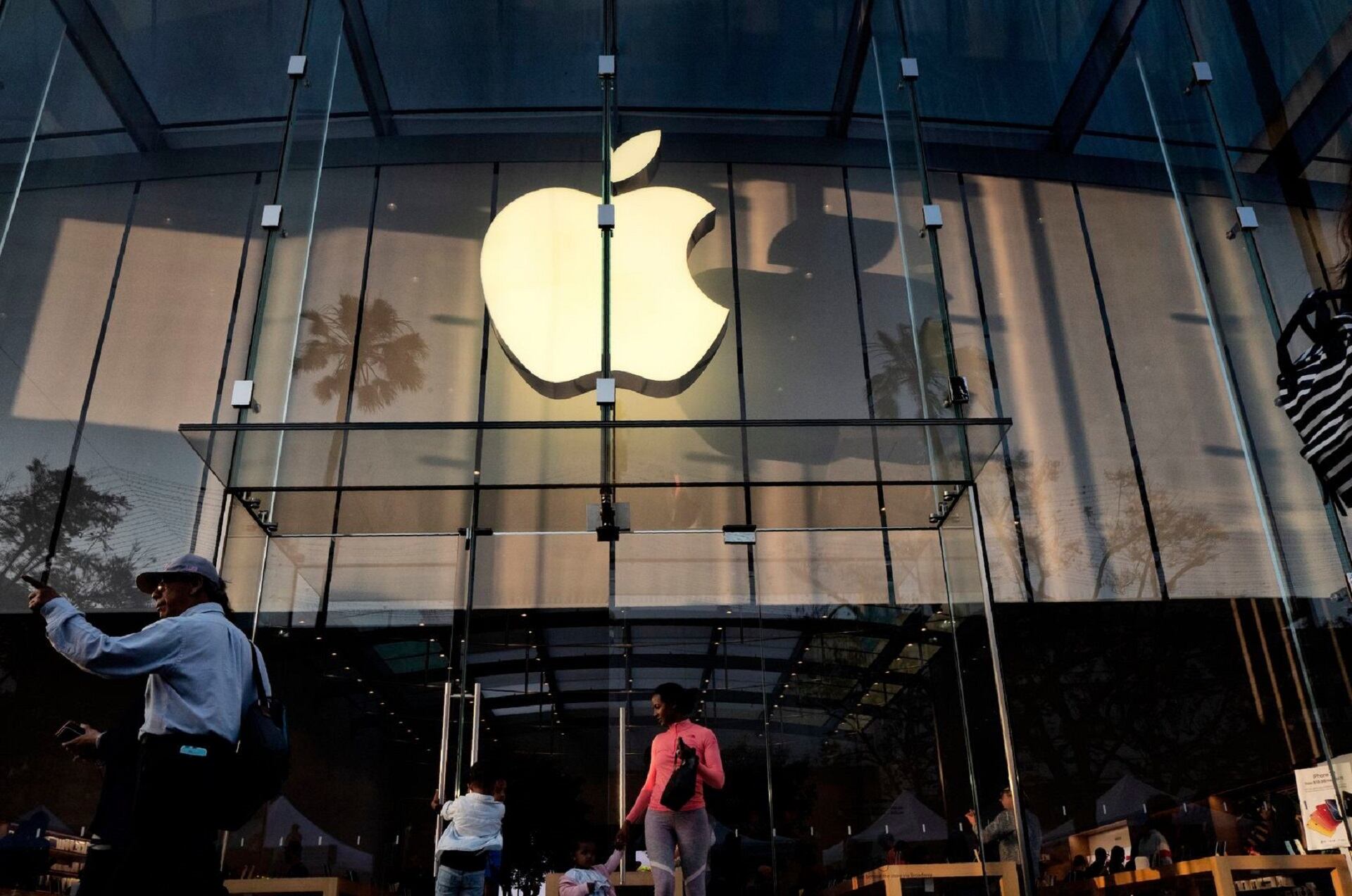
Apple released its third quarter earnings on Tuesday after the bell, slightly beating expectations with $53.8 billion in reported revenue — an increase of 1 percent from the year prior.
Earnings per share were also posted at $2.18, which is up 8 cents from the expected price but a drop of 7 percent from last year. In after-hours trading Apple ($AAPL) shares hit their highest price since October.
“This was our biggest June quarter ever,” Tim Cook, Apple’s CEO, said in a statement. “These results are promising across all our geographic segments, and we’re confident about what’s ahead.”
Cook added that revenue was largely gained from the tech giant’s Services, which include Apple Pay and the App Store, to name a few, as well as high demand for Wearables, such as the Apple Watch. International sales accounted for 59 percent of the quarter’s revenue, the earnings report added.
Ahead of the release, investors were wary of the company’s growth due to slowing hardware sales, most notably in China where Apple was forced to slash iPhone prices to stay competitive.
“The main reason they were able to meet the numbers … is because the bar was set so low,” Angelo Zino, a senior analyst at CFRA Research, told Cheddar.
The company reported $25.99 billion in iPhone sales in the third quarter, a decrease from the $29.5 billion reported last year.
It has been seven years “since we’ve seen a number this low in terms of iPhone revenue,” Zino said, adding, however, that Apple’s sustained growth is a testament to what the company has done to diversify its business.
Apple also reported strong guidance for the fourth quarter of 2019, with expected revenue to be between $61 billion and $64 billion.
Jason Moser, analyst and adviser at the Motley Fool, shares thoughts on recent tech earnings, including what’s behind Google’s share price drop and why A.I. could be Microsoft’s ‘iPhone moment.’
CEOs of social media platforms like Facebook, TikTok, and more meet with lawmakers Wednesday about how they are protecting children from sexual exploitation.
San Francisco 49ers president Al Guido discusses what goes into preparing for Super Bowl LVIII, building a championship-ready team, and how Taylor Swift and streaming are both bringing new fans to the NFL.
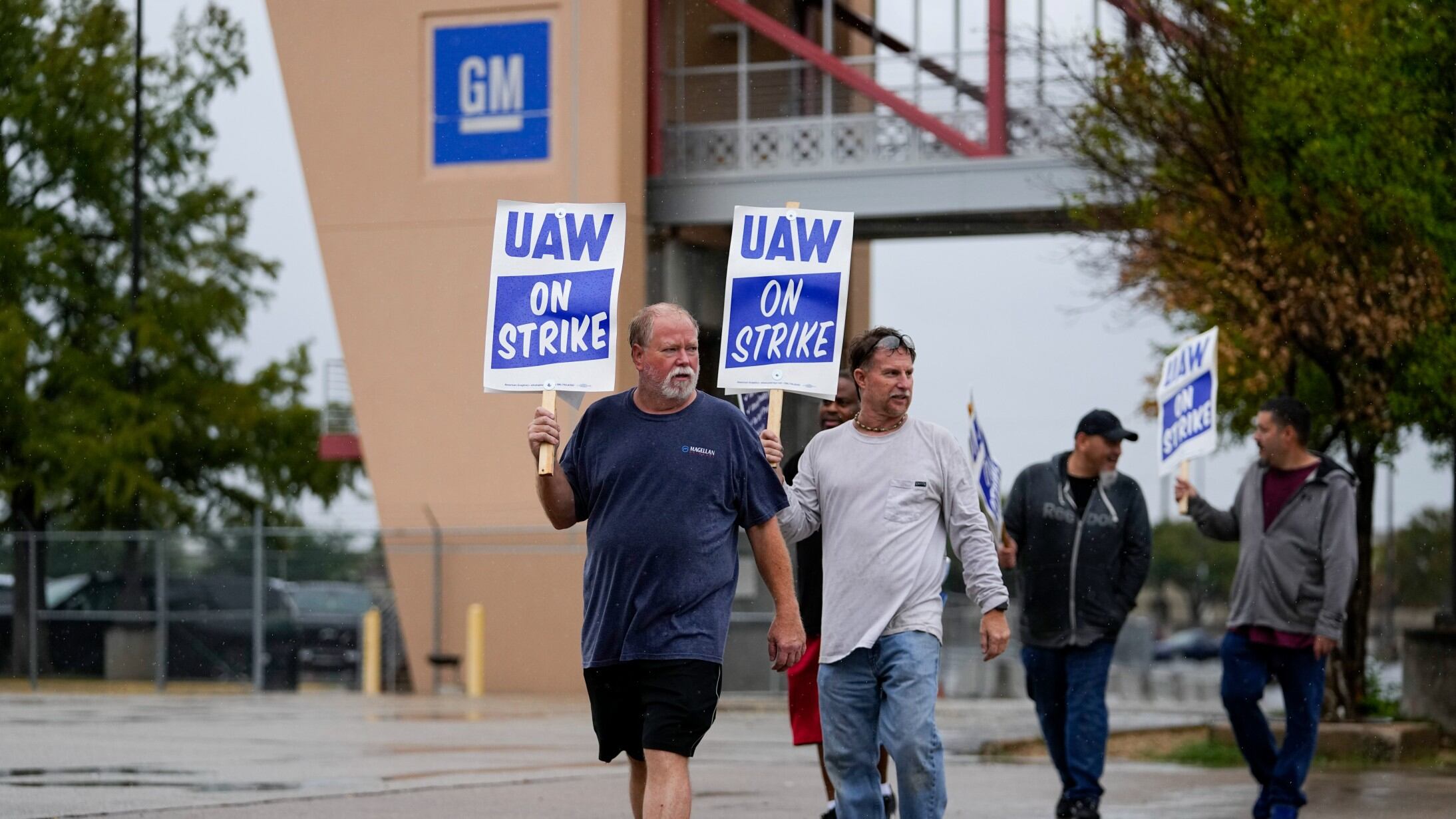
A $1 billion loss from a six-week strike did not crash GM's net income last year, which instead rose 12% — and the automaker expects improvement in 2024, too.
Accrue CEO and founder Michael Hershfield explains why Americans' credit card delinquencies are on the rise, advice on what can help, and the key difference between Boomers and Gen Z when it comes to money.
Senior Economist at Morning Consult Kayla Bruun shares thoughts on what to expect from the Fed's January meeting and where monetary policy is headed, as well as how consumers are faring.
Former Medtronic CEO and author of 'True North' Bill George explains the steps Boeing leadership must take to regain client and consumer trust after 737 Max 9 production was stopped.
Amazon blamed "regulatory hurdles" for calling off its proposed acquisition of robot vacuum maker iRobot. Not even a Roomba could clean up the deal's antitrust scrutiny.
To celebrate Flutter Entertainment's debut on the NYSE, FanDuel CEO Amy Howe shares her thoughts on the company's plans for growth, the future of online sportsbetting, and Super Bowl Sunday.