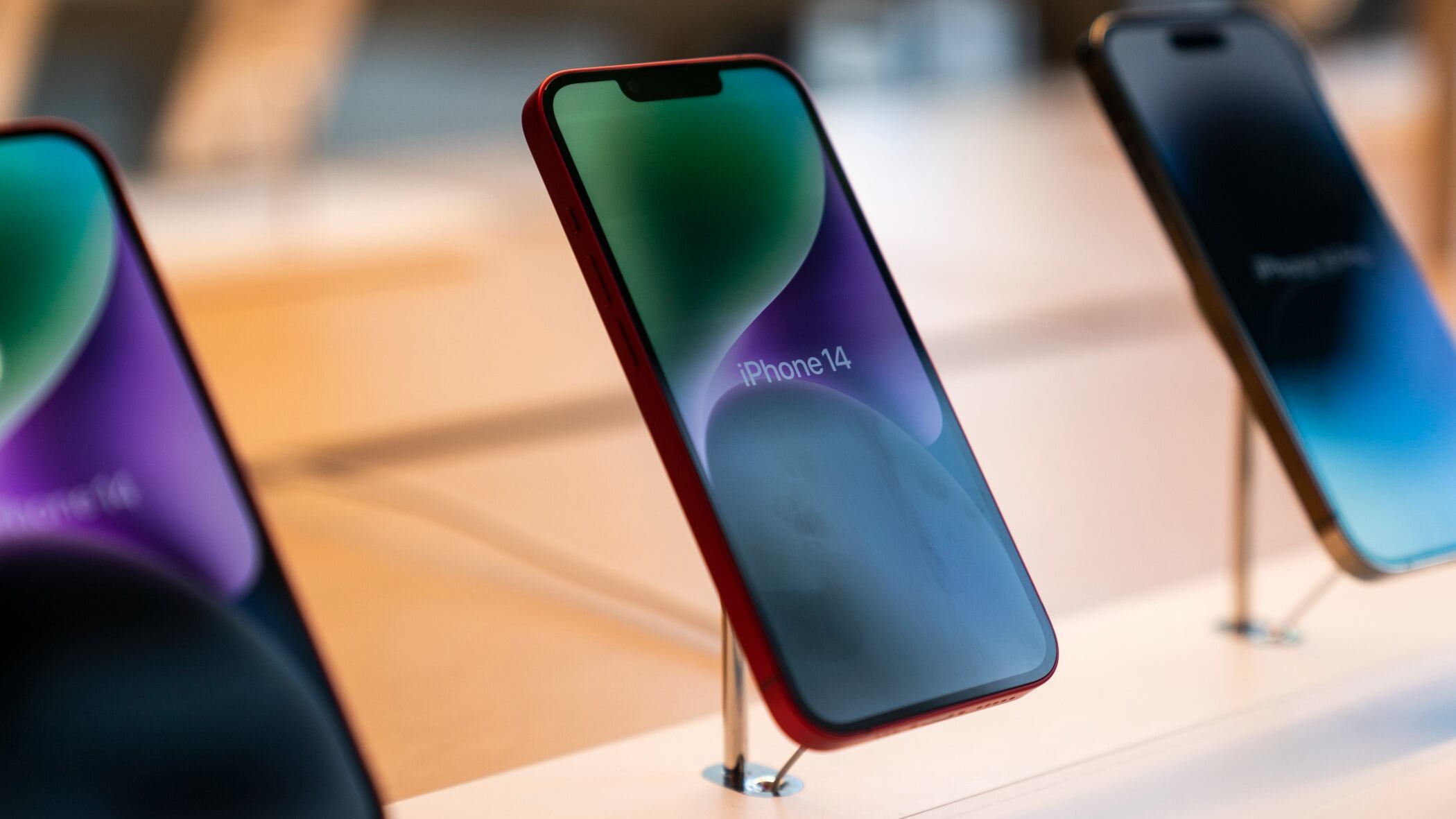
The new iPhone 14 smartphones are on display at an Apple Store at The Grove in Los Angeles, Friday, Sept. 16, 2022. (AP Photo/Jae C. Hong)
On March 1, Apple will start charging an extra $20 for battery replacements on out-of-warranty iPhones, according to an update on the AppleCare+ webpage.
The new price will be $99 for the iPhone 14, and while these models are currently under warranty, they won't be after the one-year anniversary of their release in September 2023.
At that point, the higher price point could encourage customers with broken batteries to simply buy a new phone rather than shell out nearly $100 for a replacement part.
Apple has adjusted prices multiple times in recent years, as supply chain issues have raised production costs. Just last month, labor unrest at an iPhone supplier in China led to a production shortfall. The company struggled with similar disruptions throughout the pandemic.
There is also a history of consumers pushing back against Apple's practices around batteries. The company in 2020 was forced to pay $113 million in fines to settle consumer fraud lawsuits around a controversy known as "batterygate," in which iPhone users discovered that Apple installed new software that made devices with older batteries operate slower.
In addition, CEO Tim Cook in 2019 wrote in a letter to investors that "some customers taking advantage of significantly reduced pricing for iPhone battery replacements" was partly behind a lower-than-expected iPhone sales.
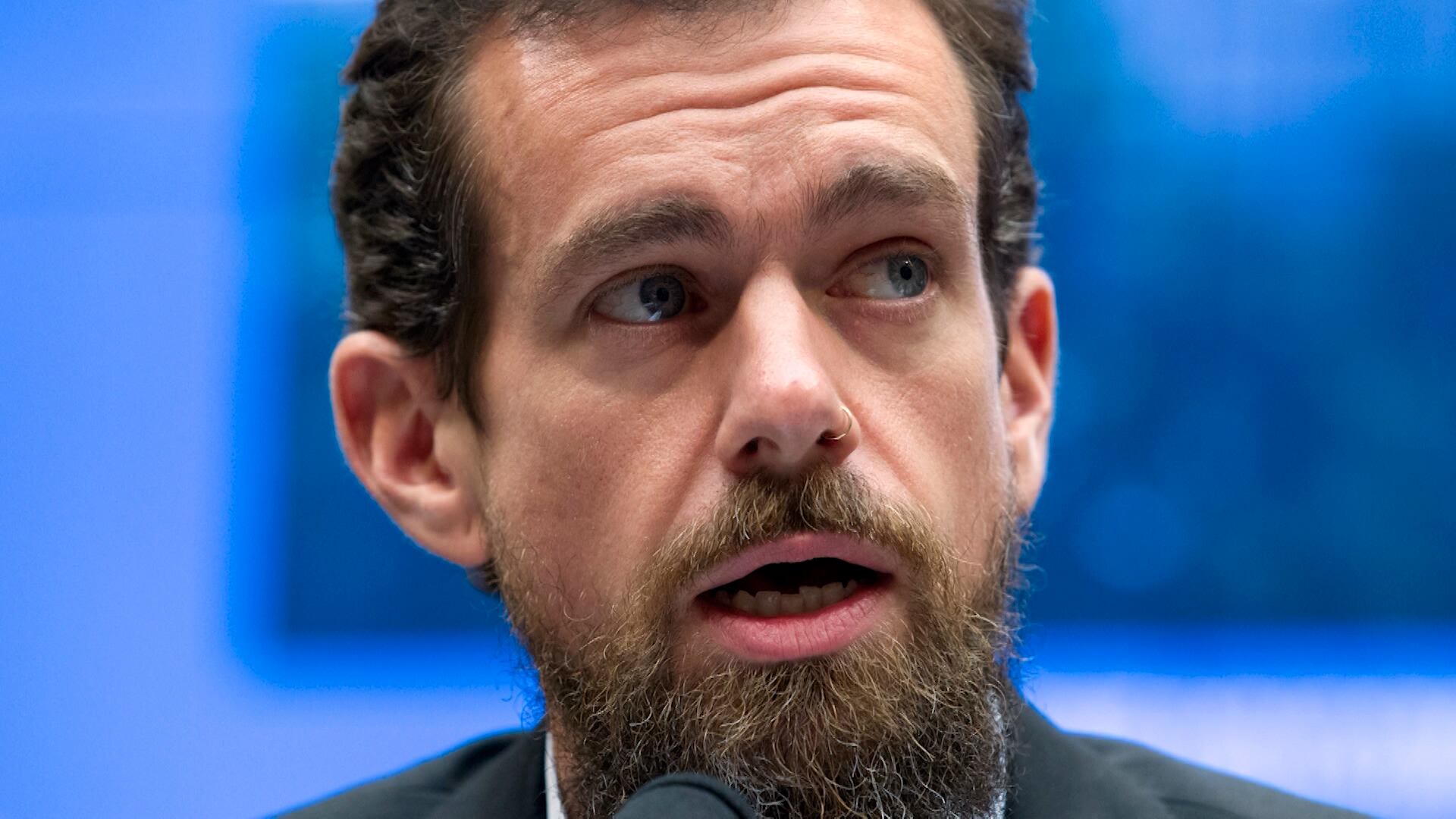
Fintech company Square, led by the now-former Twitter CEO Jack Dorsey, will undergo a name change to Block as it expands its product offerings and goes beyond just a payment processing platform into blockchain and crypto spaces.
Jill and Carlo discuss what appears to be the beginning of the end of Roe v. Wade, another victim dies following the school shooting in Michigan, Omicron in the U.S., Trump's Covid chronology and more.
Jack Dorsey has stepped down as CEO of Twitter, saying he believes the social media platform is "ready to move on from its founders". The move has many wondering where Dorsey will focus his attention next, as he is still CEO of his financial payments company Square, which is heavily involved in cryptocurrency. Doug Astrop, managing partner at Exponential Investment Partners, joined Cheddar to discuss what Dorsey's resignation means for tech investors, particularly within the crypto space.
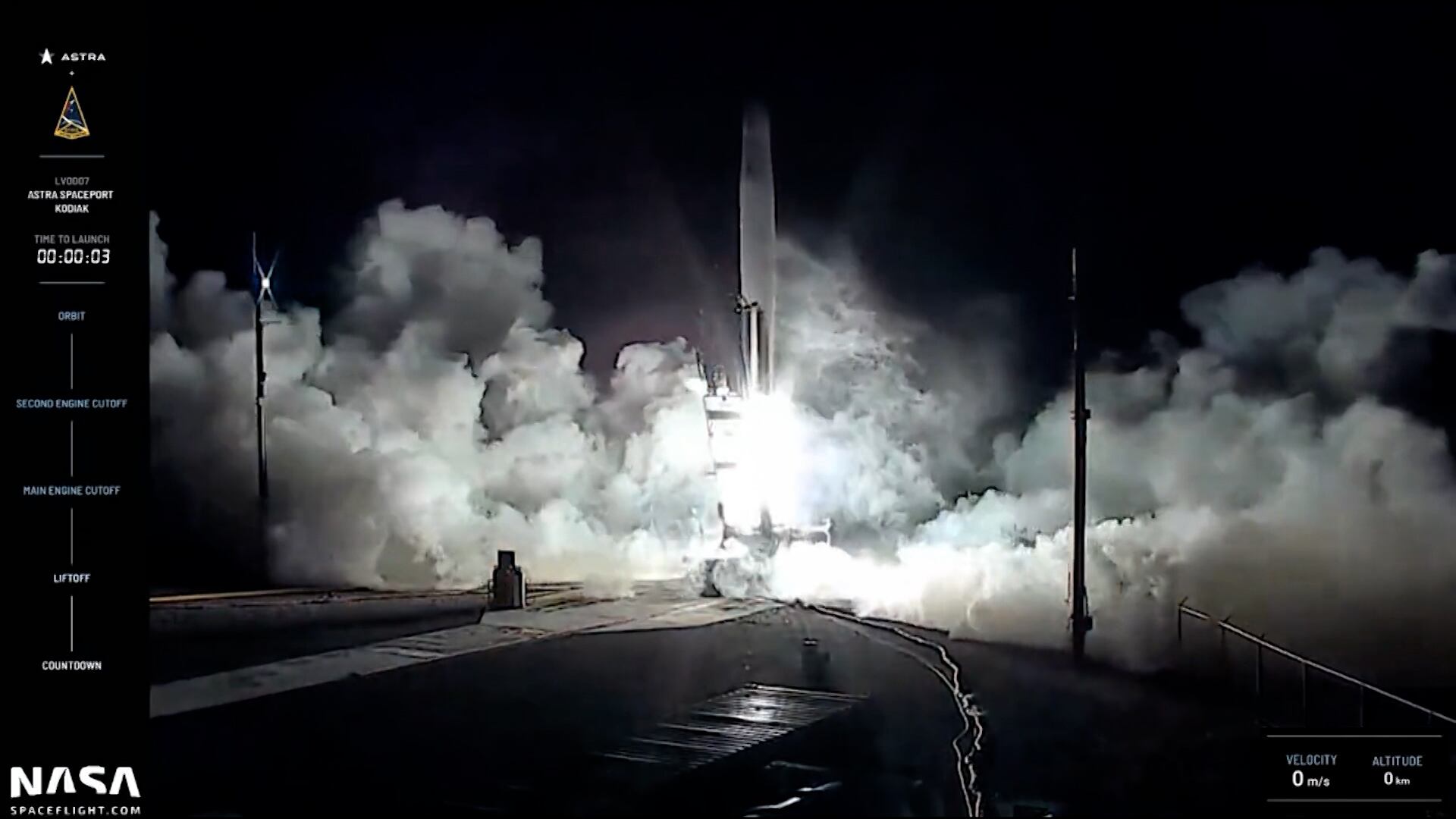
Astra founder, chairman, and CEO Chris Kemp spoke to Cheddar's Kristen Scholer about his company's first successful launch into orbit last month, becoming the fastest space company to reach orbit using a privately developed liquid-fueled rocket. He also noted that the company's priority is to "improve life on Earth from space" by rapidly increasing the number of low-orbiting satellites to do everything from connecting people to monitoring weather patterns.
Once again, YouTube is releasing its annual list of the top trending videos and music videos that had people in the U.S. talking. Madeline Buxton, trends expert for YouTube joins Cheddar News to discuss.