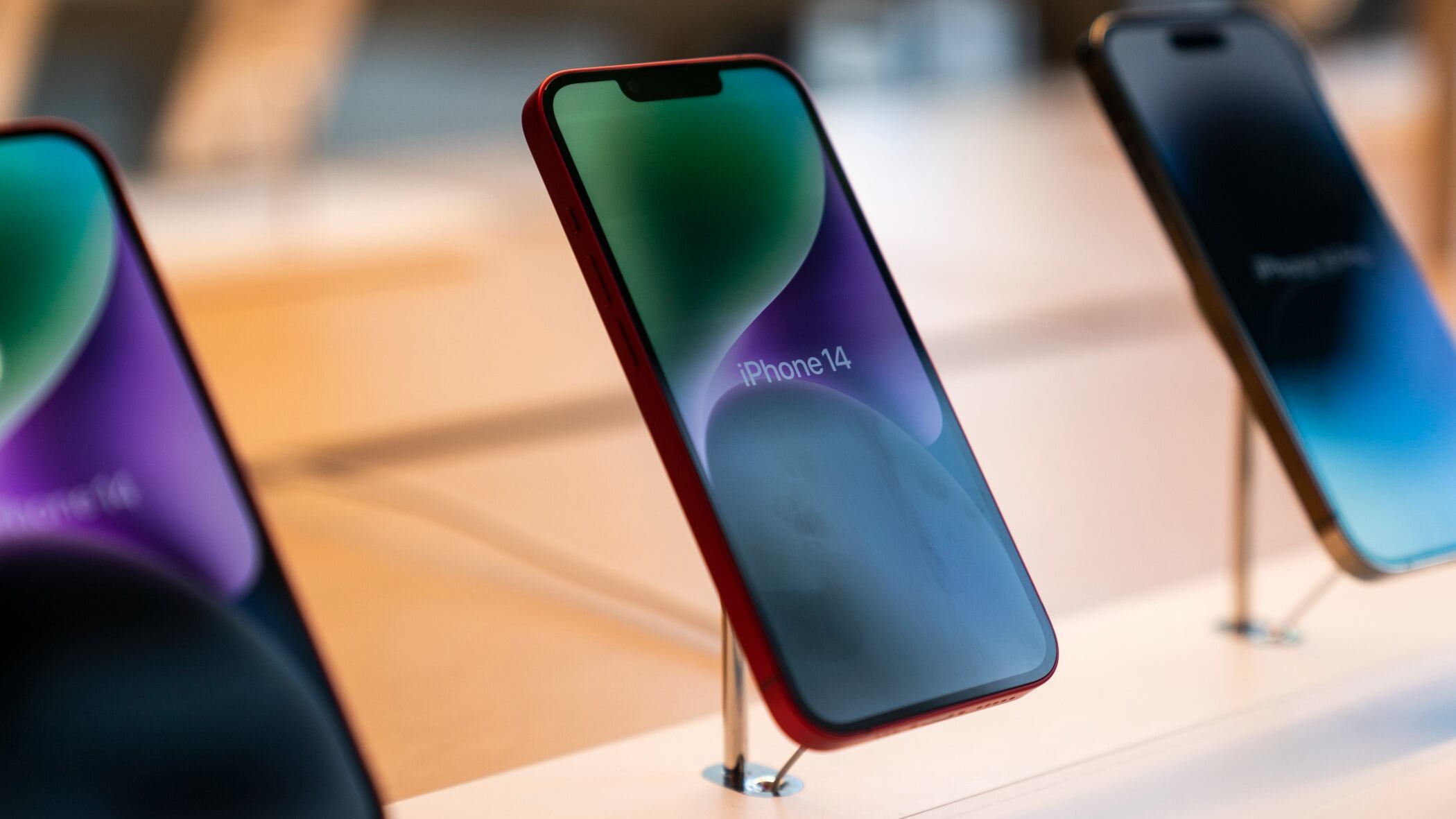
The new iPhone 14 smartphones are on display at an Apple Store at The Grove in Los Angeles, Friday, Sept. 16, 2022. (AP Photo/Jae C. Hong)
On March 1, Apple will start charging an extra $20 for battery replacements on out-of-warranty iPhones, according to an update on the AppleCare+ webpage.
The new price will be $99 for the iPhone 14, and while these models are currently under warranty, they won't be after the one-year anniversary of their release in September 2023.
At that point, the higher price point could encourage customers with broken batteries to simply buy a new phone rather than shell out nearly $100 for a replacement part.
Apple has adjusted prices multiple times in recent years, as supply chain issues have raised production costs. Just last month, labor unrest at an iPhone supplier in China led to a production shortfall. The company struggled with similar disruptions throughout the pandemic.
There is also a history of consumers pushing back against Apple's practices around batteries. The company in 2020 was forced to pay $113 million in fines to settle consumer fraud lawsuits around a controversy known as "batterygate," in which iPhone users discovered that Apple installed new software that made devices with older batteries operate slower.
In addition, CEO Tim Cook in 2019 wrote in a letter to investors that "some customers taking advantage of significantly reduced pricing for iPhone battery replacements" was partly behind a lower-than-expected iPhone sales.
The streaming giant Netflix posted its latest earnings from its fourth quarter after the close on Thursday. The company's stock plummeted shortly after the company warned that its rate of subscription additions are slowing down. Senior Reporter at MarketWatch Jon Swartz, joined Cheddar to discuss more.
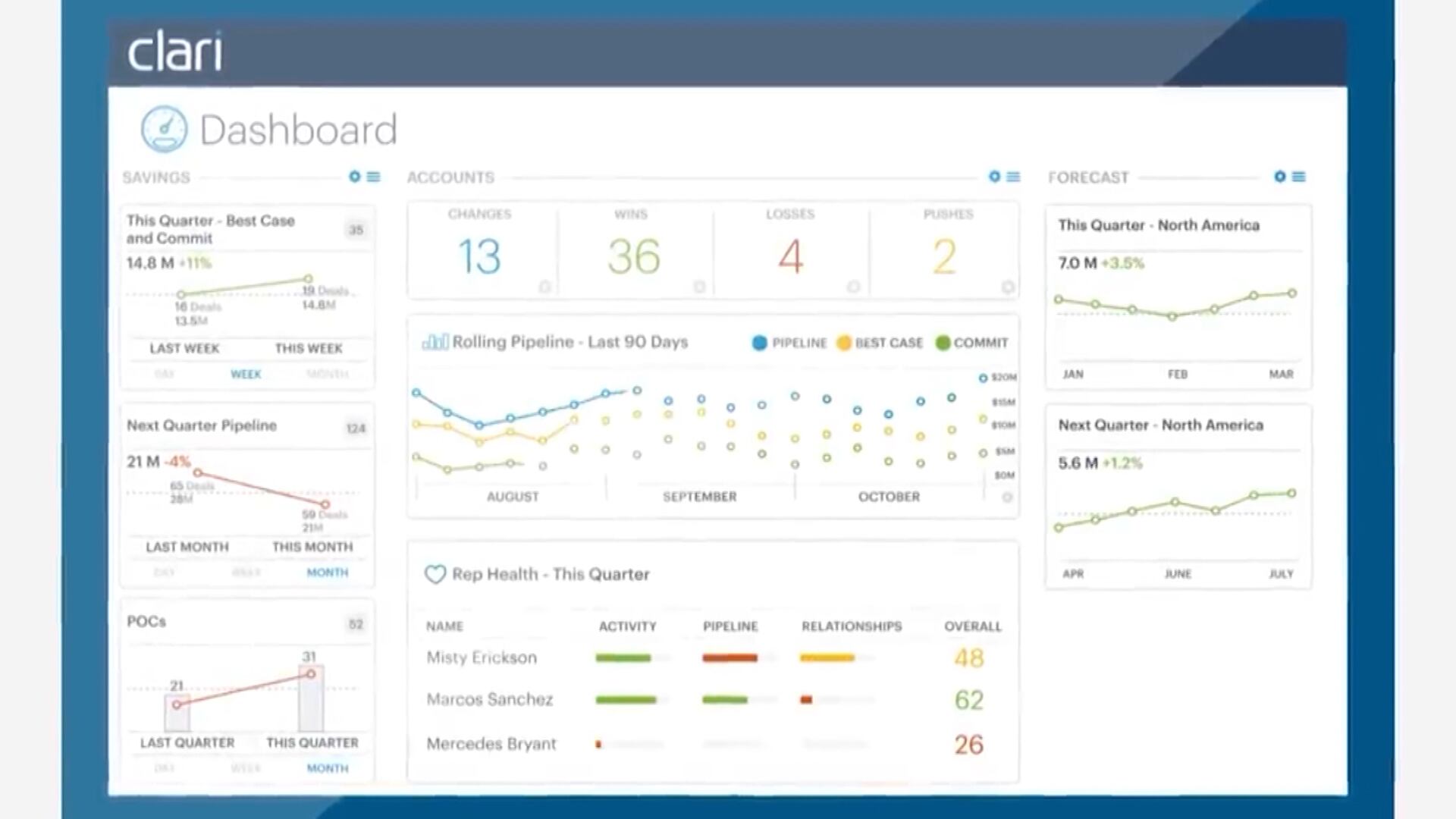
Revenue operations platform Clari recently raised $225 million in a Series F financing round led by Blackstone, bringing the company's valuation to more than $2.6 billion. Calri says more than 450 companies from around the world use its A.I.-powered platform to make their revenue operations more connected, efficient, and predictable. Clari CEO Andy Byrne joined Cheddar News' Closing Bell to discuss.
Technology company Unity announced it has acquired Ziva Dynamics. Marc Whitten, SVP & GM, Create at Unity, joins Cheddar News' Closing Bell, where he discusses how this move will help his company democratize real-time character creation.
AT&T announced it's offering two tiers of high-speed internet, 2 gigs, and 5 gigs, to its fiber customers in more than 70 metro regions. AT&T Consumer CEO Thaddeus Arroyo joined Cheddar to talk about the newly available speed upgrades for 5.2 million of its customers, and where the rollout goes from here. "Over the course of 2022, we'll rapidly continue to retrofit the rest of the base," he said. "And importantly now is, as we build-out, we've talked about building out to cover 30 million homes and businesses by the end of 2025, we're going to continue to ensure that every new location that we stand up has this multi gig capability."
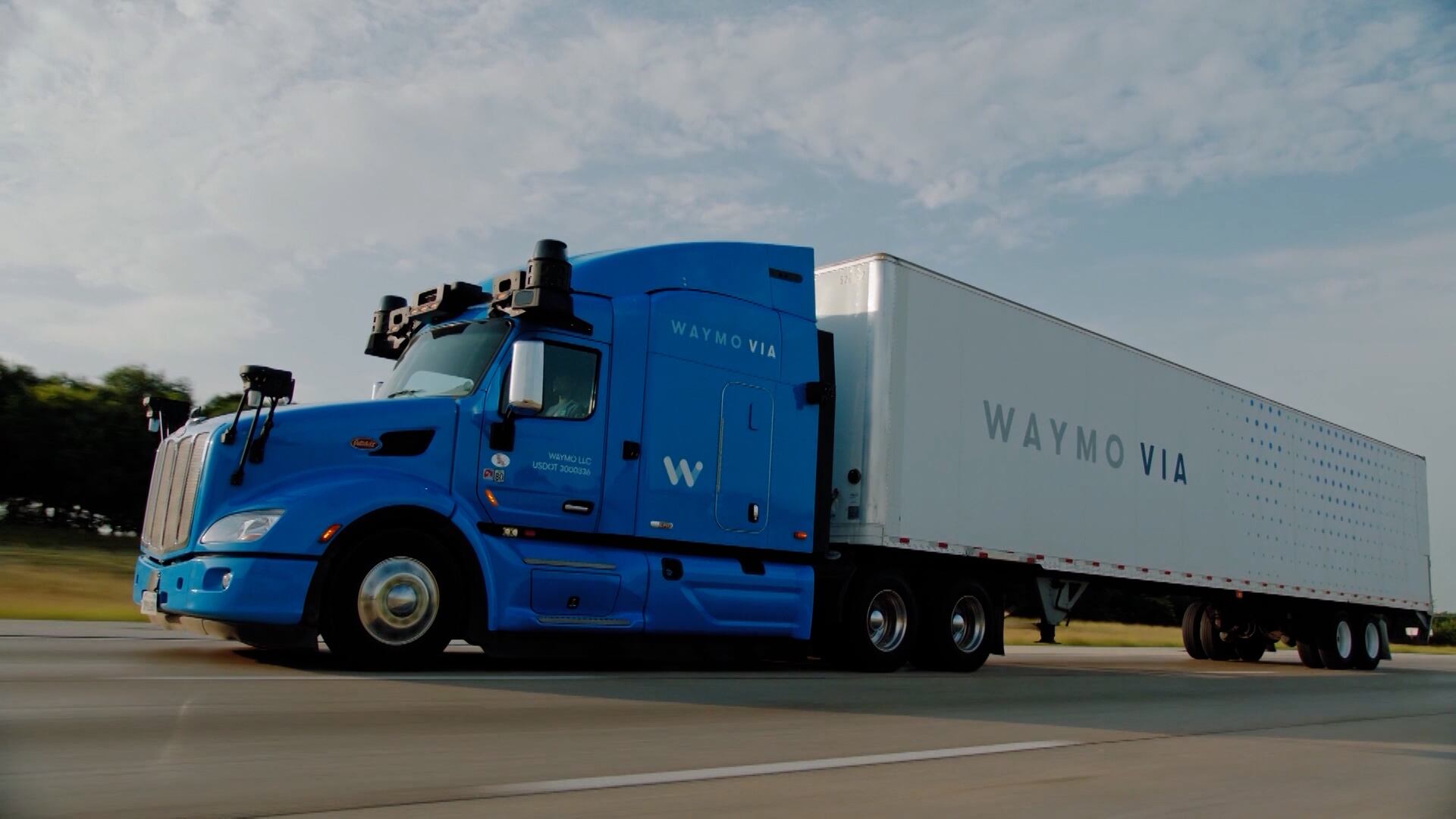
Autonomous driving tech company Waymo is partnering with transportation and logistics business J.B. Hunt. The two firms are teaming up to bring autonomous shipping to the highways. Head of commercialization for trucking at Waymo, Charlie Jatt, joined Cheddar to discuss how the companies are combining their strengths. "We, of course at Waymo, are working on the technology side of affairs, and J. B Hunt brings critical operational and commercial expertise," Jatt said. "And together we're going to work to deploy the first fully autonomous Class 8 truck hauling goods for one of their customers in the coming years in Texas."