Apple is expanding spending in the U.S. and announced plans Monday to build its first East Coast campus, in North Carolina.
The iPhone maker is boosting U.S. spending to $430 billion over the next five years and doubling its hiring plans by 20,000 jobs. It had said it would spend $350 billion in January 2018, just after Congress approved a big tax overhaul that cut corporate taxes.
Apple says it is stepping up investment as the U.S. begins rebuilding from the COVID-19 pandemic. The company for years has emphasized its role in the U.S. economy to help counter criticism about its reliance on overseas factories, often taking advantage of local tax breaks.
Apple will invest $1 billion in North Carolina and the campus, in the Raleigh-Durham area’s Research Triangle Park, is expected to bring at least 3,000 new jobs to the state in machine learning, artificial intelligence, software engineering, and other fields.
The exact timeline for the project was not immediately given.
“This is an important milestone that strengthens our position as a tech hub," said Michael Haley, Executive Director of Wake County Economic Development.
Apple also said it plans to establish a $100 million fund to support schools and community initiatives in the Raleigh-Durham area and contribute more than $110 million in North Carolina infrastructure spending.
The company is also expanding its teams in Colorado, Massachusetts, Texas, Washington, New York, California, and other states.
Nearly 30,000 people in Mississippi were dropped from the state's Medicaid program after an eligibility review that the government ended during the pandemic.
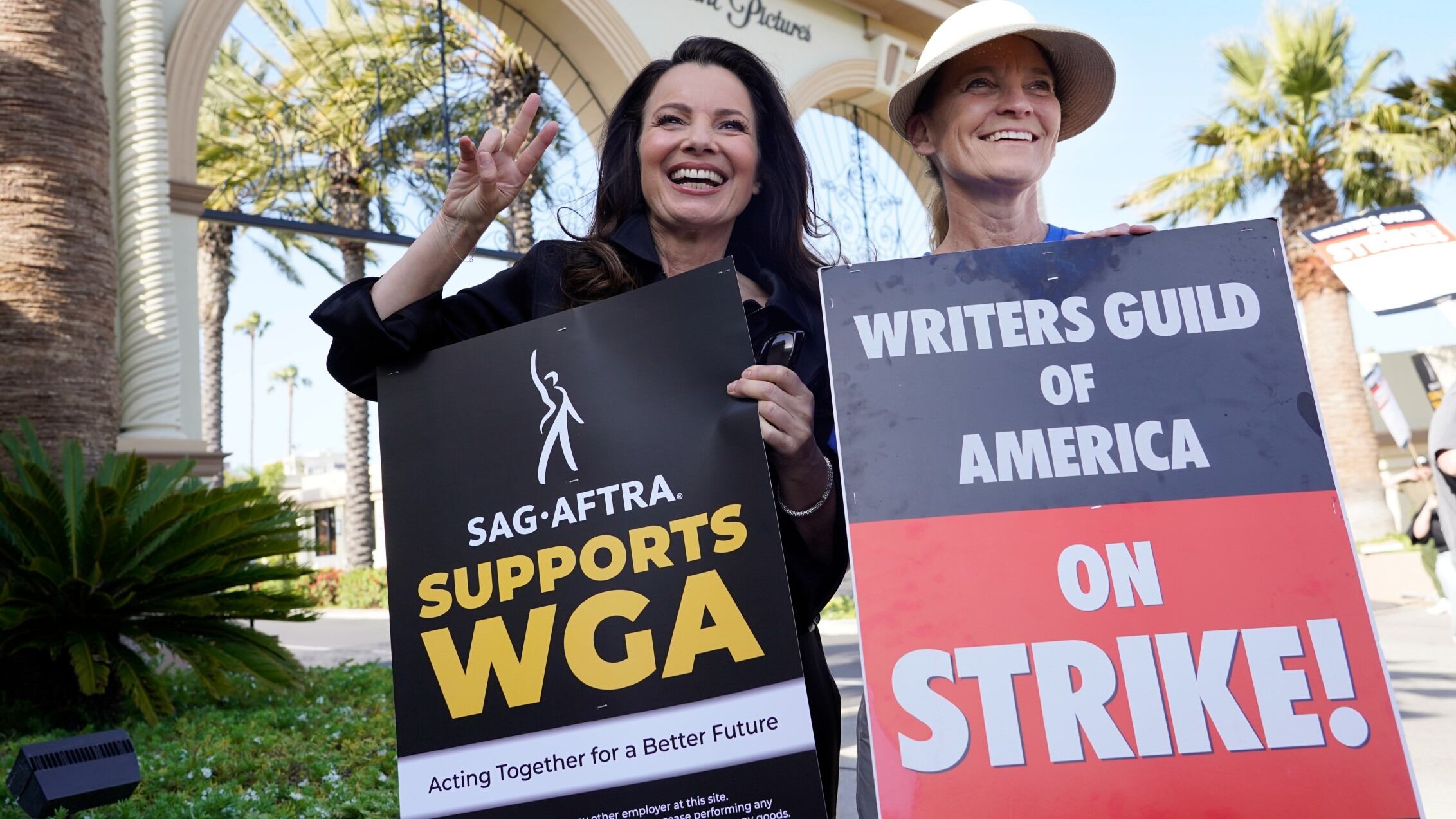
Unionized Hollywood actors on the verge of a strike have agreed to allow a last-minute intervention from federal mediators but say they doubt a deal will be reached by a negotiation deadline late Wednesday.
Squeezed by painfully high prices for two years, America’s households have gained some much-needed relief with inflation reaching its lowest point since early 2021 — 3% in June compared with a year earlier — thanks in part to easing prices for gasoline, airline fares, used cars and groceries.
A federal judge has handed Microsoft a major victory by declining to block its looming $69 billion takeover of video game company Activision Blizzard. Regulators sought to ax the deal saying it will hurt competition.