Apple is expanding spending in the U.S. and announced plans Monday to build its first East Coast campus, in North Carolina.
The iPhone maker is boosting U.S. spending to $430 billion over the next five years and doubling its hiring plans by 20,000 jobs. It had said it would spend $350 billion in January 2018, just after Congress approved a big tax overhaul that cut corporate taxes.
Apple says it is stepping up investment as the U.S. begins rebuilding from the COVID-19 pandemic. The company for years has emphasized its role in the U.S. economy to help counter criticism about its reliance on overseas factories, often taking advantage of local tax breaks.
Apple will invest $1 billion in North Carolina and the campus, in the Raleigh-Durham area’s Research Triangle Park, is expected to bring at least 3,000 new jobs to the state in machine learning, artificial intelligence, software engineering, and other fields.
The exact timeline for the project was not immediately given.
“This is an important milestone that strengthens our position as a tech hub," said Michael Haley, Executive Director of Wake County Economic Development.
Apple also said it plans to establish a $100 million fund to support schools and community initiatives in the Raleigh-Durham area and contribute more than $110 million in North Carolina infrastructure spending.
The company is also expanding its teams in Colorado, Massachusetts, Texas, Washington, New York, California, and other states.
An inflation gauge favored by the Federal Reserve increased in January, the latest sign that the slowdown in U.S. consumer price increases is occurring unevenly from month to month. (Getty Images)
Glen Smith, CIO at GDS Wealth Management, shares how investors can allocate their assets as the market broadens and why he’s eyeing June for the first potential rate cut.
After years of price increases for cars and trucks in the United States, costs are slowing and in some cases falling, helping cool overall inflation and giving frustrated Americans more hope of finding an affordable vehicle.
Missed out on the Nvidia wave? Oh course you did — you’re reading this article aren’t you, instead of luxuriating on a white-sand beaches of Bali. But here are at least four other promising semiconductor stocks to add to your portfolio.
Fresh off a successful funding round, co-founder of Lapse Dan Silvertown shares thoughts on regulation, privacy, and why the money for great startups is still out there.
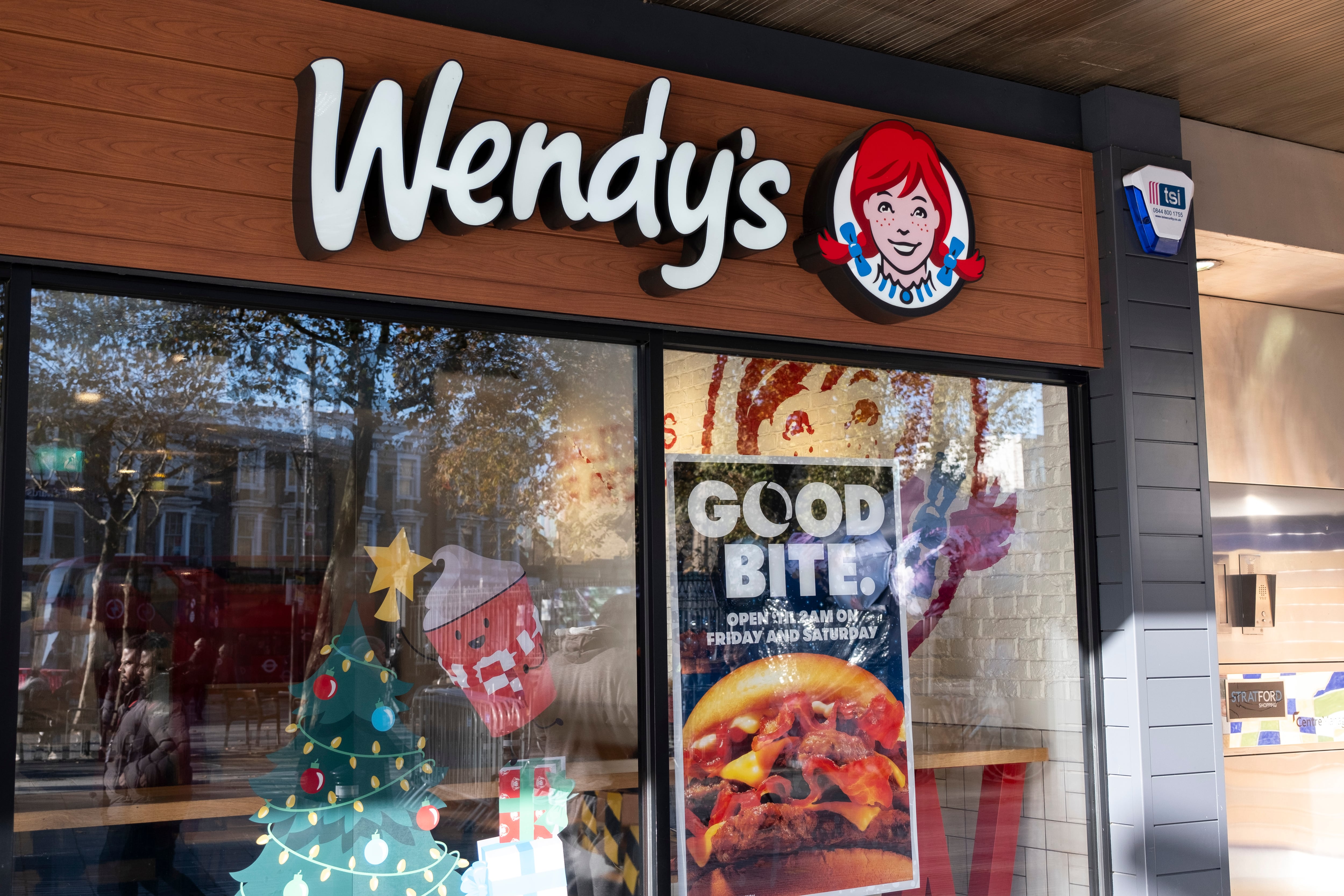
Wendy's announced they are testing out fluctuating prices throughout the day for certain products based on demand. Who will groan the most: lunch-breakers, dinner drivers or late-night goblins?