Apple Admits to Slowing Phones and the End of Wearables?
A rare admission from Apple, as the tech giant admits to slowing down old phones to prevent battery burnout. The company says the software is meant to keep iPhone 6s and 7s from unexpectedly shutting down because the processor has burnt out. But skeptics wonder if the company is trying to force users to upgrade to newer, more expensive phones.
And a new report from eMarketer predicts usage of wearables will slow next year, with smartwatch user growth dropping to less than 6 percent by 2021.
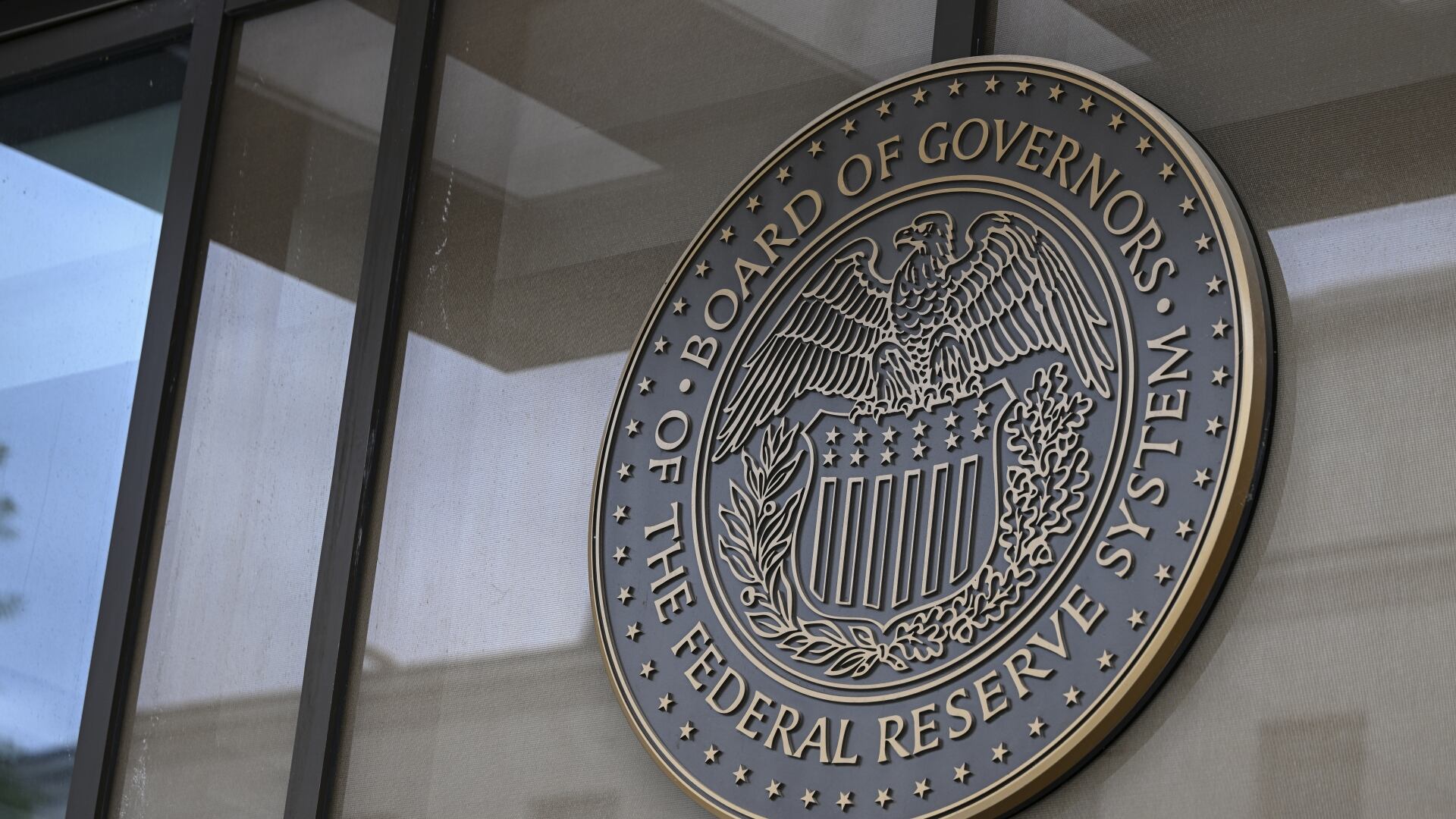
Glen Smith, CIO at GDS Wealth Management, shares how investors can allocate their assets as the market broadens and why he’s eyeing June for the first potential rate cut.
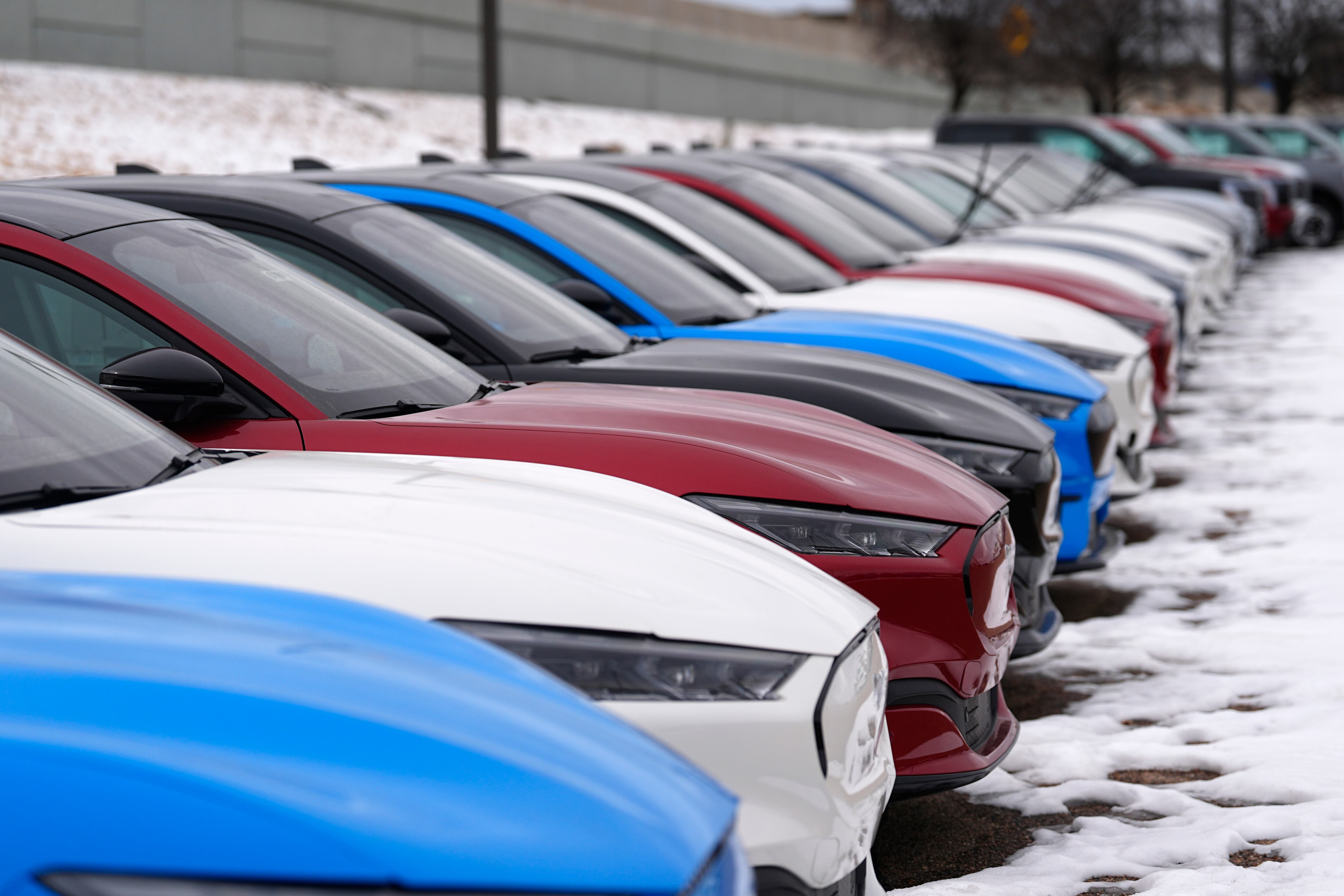
After years of price increases for cars and trucks in the United States, costs are slowing and in some cases falling, helping cool overall inflation and giving frustrated Americans more hope of finding an affordable vehicle.
Missed out on the Nvidia wave? Oh course you did — you’re reading this article aren’t you, instead of luxuriating on a white-sand beaches of Bali. But here are at least four other promising semiconductor stocks to add to your portfolio.
Fresh off a successful funding round, co-founder of Lapse Dan Silvertown shares thoughts on regulation, privacy, and why the money for great startups is still out there.
Wendy's announced they are testing out fluctuating prices throughout the day for certain products based on demand. Who will groan the most: lunch-breakers, dinner drivers or late-night goblins?
Shubha Dasgupta, CEO of Pineapple Financial, discusses incorporating artificial intelligence with its newly announced ‘Maui’ tool, plus plans for expansion.