With just days left in the 2020 presidential election season, former White House communications director Anthony Scaramucci is doubling down on a Joe Biden win next Tuesday.
Scaramucci told Cheddar that "weapons-grade-style" propaganda and a focus on culture war issues, rather than his administration's response to the coronavirus pandemic, are the only reasons President Donald Trump has held onto his supporters.
"He's made us weaker, sicker, and poorer, but he's got a standing because of the way they've set this up as a culture war narrative," he said. "That's why he's still in the race. I mean, he's going to get annihilated, but he's still in the race."
Scaramucci also blamed Trump's own coronavirus diagnosis, and the erratic tweeting during his recovery, as one reason the administration was unable to push another stimulus package through Congress. He alleged that inconsistent messaging from the president gave House Speaker Nancy Pelosi an opening to delay the vote until after the election.
"He could have probably gotten one, but I think it was the unpredictability of his personality that led to where we are right now," he said of a fourth stimulus bill.
On the current polling, Scaramucci pointed out that results have been fairly consistent over the last year, as opposed to the "roller coaster movement" of the 2016 election season.
"If anything, they may tip more into [Biden's] favor because of what's going on with COVID-19 now," he said.
In the case of a loss for Trump, Scaramucci offered this insight on his former employer:
"I think he's going to surprise people because, listen, all that is bluster and overcompensation born from his personal insecurities," he said. "I think if he gets annihilated — I predict he will — he'll give a concession speech, and then he's got to figure out how to work with Vice President Biden."
The prospect of Trump denying the election results is "smoke and mirrors," he added.
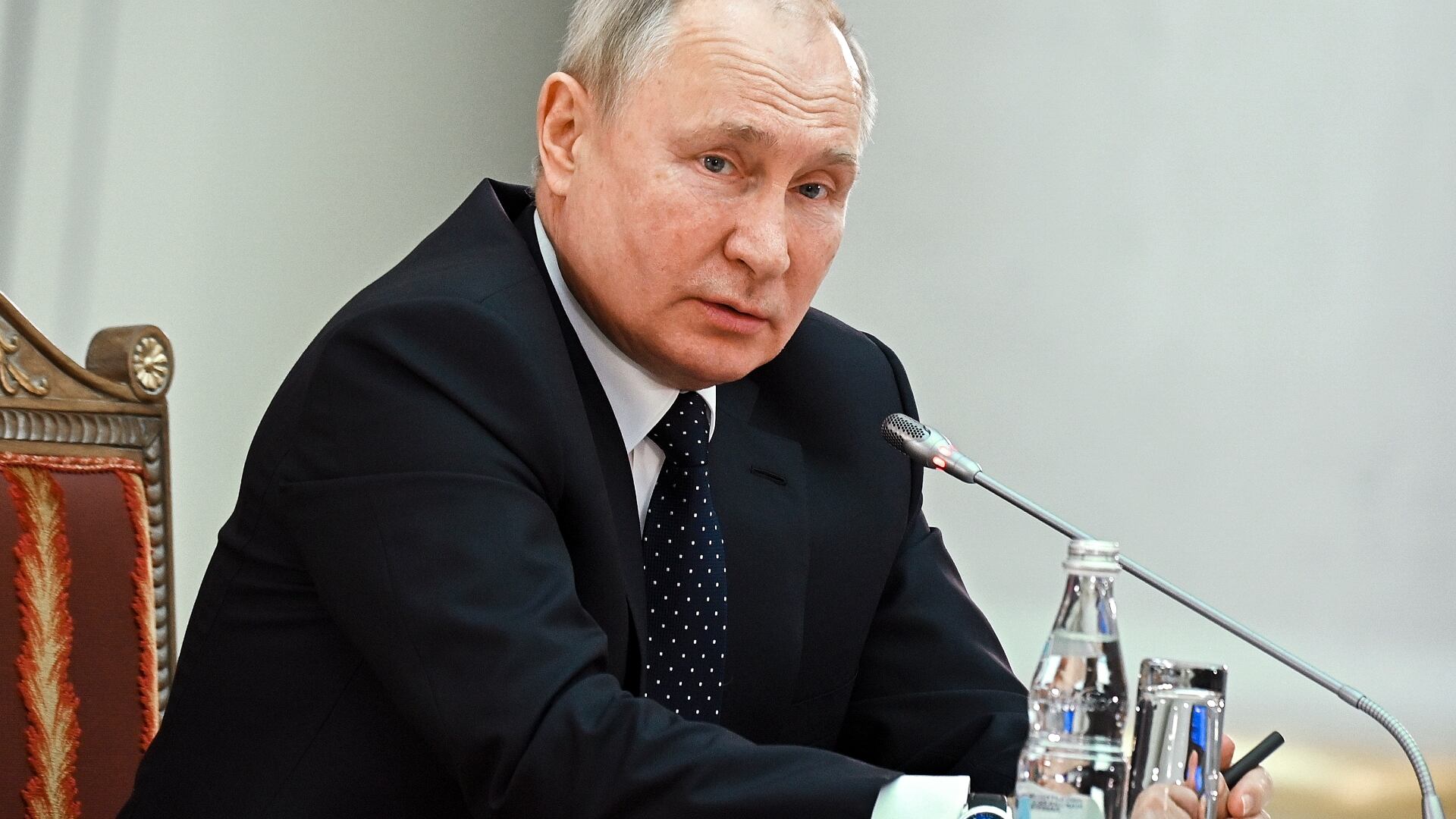
Matt Hayden, vice president of govtech solutions at Exiger and a former assistant secretary of cyber at Department of Homeland Security, joined Cheddar to discuss the surprise phone call initiated by Russian President Vladimir Putin to President Joe Biden, ahead of January security talks about the rising tensions over Ukraine. "We're hoping to hear that we're able to talk about the aggression and the leadup of the Ukrainian militarization," Hayden said. "But we're also looking to hear is how the Kremlin leveraged their talking points to try to test their negotiation stance with the United States leading into this January 10th meeting."
The No Surprises Act begins implementation on January 1, 2022. The legislation is meant to curb the practice of unexpected billing for care from providers the patient was unaware were out-of-network from their insurance. Patricia Kelmar, director of health care campaigns for U.S. PIRG joined Cheddar to describe the hundreds, sometimes thousands, of dollars charged to unsuspecting patients and how things will change under the new law. "If we are picking an in-network doctor and an in-network hospital, we should not see those added costs from anesthesiologists, radiologists, scrub-in surgeons," she said. "The other area it protects you is in air ambulances — not ground ambulances, unfortunately — but the helicopters or the airplanes you might need to transport you in an emergency situation."
President Joe Biden and Russian President Vladmir Putin are expected to have another conversation surrounding escalating tensions between Russia and Ukraine. Ariel Cohen, senior fellow at the Atlantic Council, joined Cheddar's Ken Buffa to discuss the ongoing tensions and why Putin's request for a conversation with Biden comes now. "This is very serious. This is the worst security crisis we had since the collapse of the Soviet Union," Cohen told Cheddar.
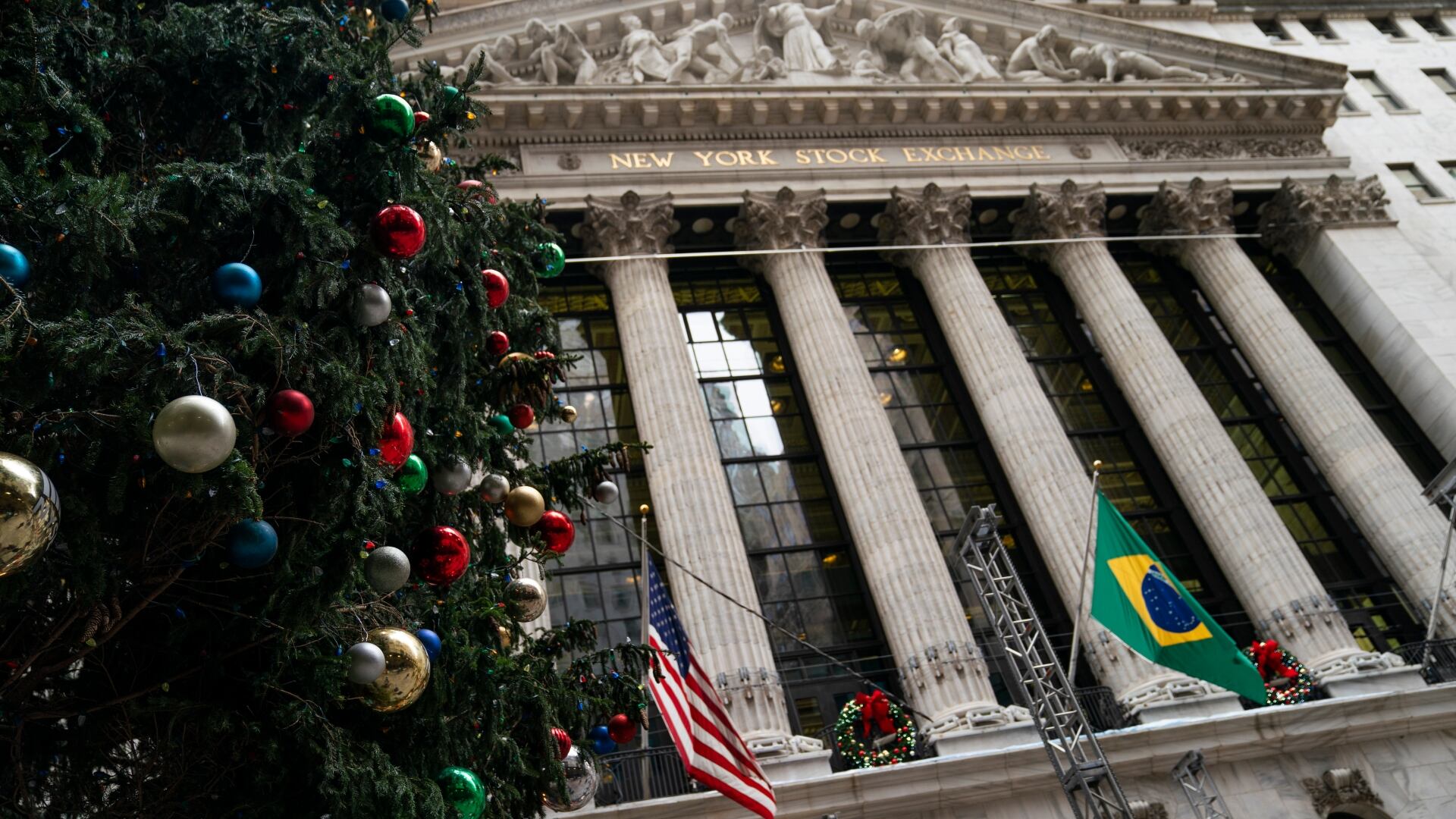
Stocks closed mixed on Wednesday, but two indexes - the Dow and the S&P 500 - ended the session with a new record. Akshata Bailkeri, Equity Analyst at Bruderman Asset Management, joins Cheddar News' Closing Bell, where she says there is a consensus for robust consumer spreading in 2022, especially as the Omicron variant is proving to be milder than other COVID-19 strains.
John Quelch, Dean of Miami Herbert Business School, joins Cheddar News' Closing Bell, where he says the retail giant is acting in accordance to President Biden's new law banning goods from China's Xinjiang region. Quelch also elaborates on the importance of China in Walmart's overall strategy.