Anthony Hemingway Revisits Tupac and Biggie Murders on "Unsolved"
The killings of Tupac Shakur and Christopher “The Notorious B.I.G.” Wallace more than 20 years ago not only left a gaping wound in hip hop but also exposed a seething underbelly in America evident to this day. Director and Executive Producer Anthony Hemingway sits down with Alyssa Julya Smith in Los Angeles to talk about his new series "Unsolved: The Murders of Tupac and the Notorious B.I.G."
Hemingway says the story of Tupac and Biggie found him and he didn't search out re-telling the story. He explains that he had to think hard about retelling the stories of their murders, but ultimately decided to go for it and "it was time."
He explains that most depictions only show the negative of their story and he wanted to humanize the rappers. Hemingway also talks about the volatility of Los Angeles at the time and says that informed a lot of the series and the story he wanted to tell. "Unsolved: The Murders of Tupac and the Notorious B.I.G." airs on USA Network on February 27.
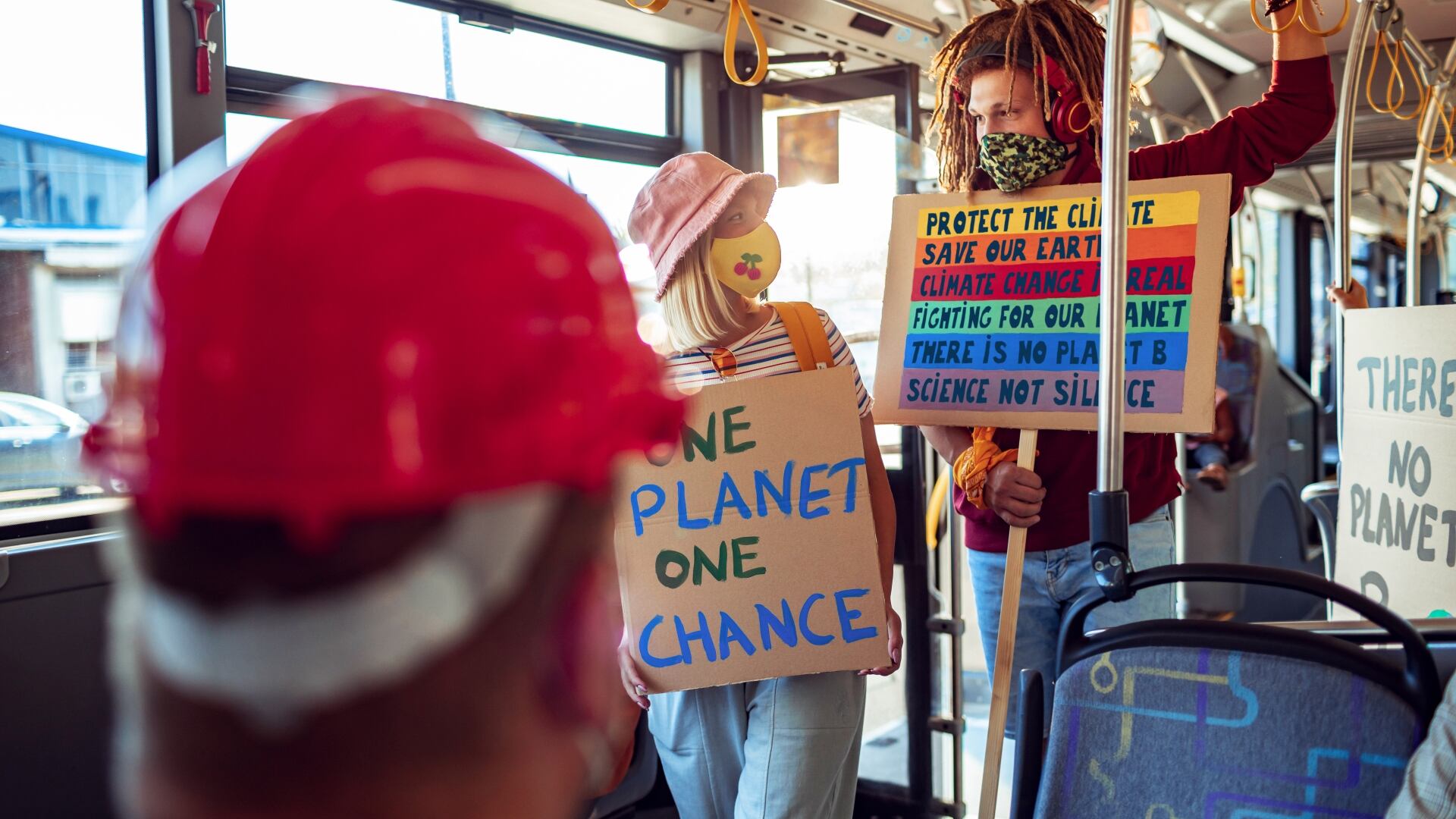
In an effort to fight climate change several corporations have vowed to work to fight climate change by 2030. They say the goal is to reduce carbon emissions by 40% or even close to 100%. However, according to a new study, many of these companies are not actually practicing what they preach. Tom Egger, senior lecturer at Emeritus at the University of Wisconsin, joins Cheddar News to discuss more.
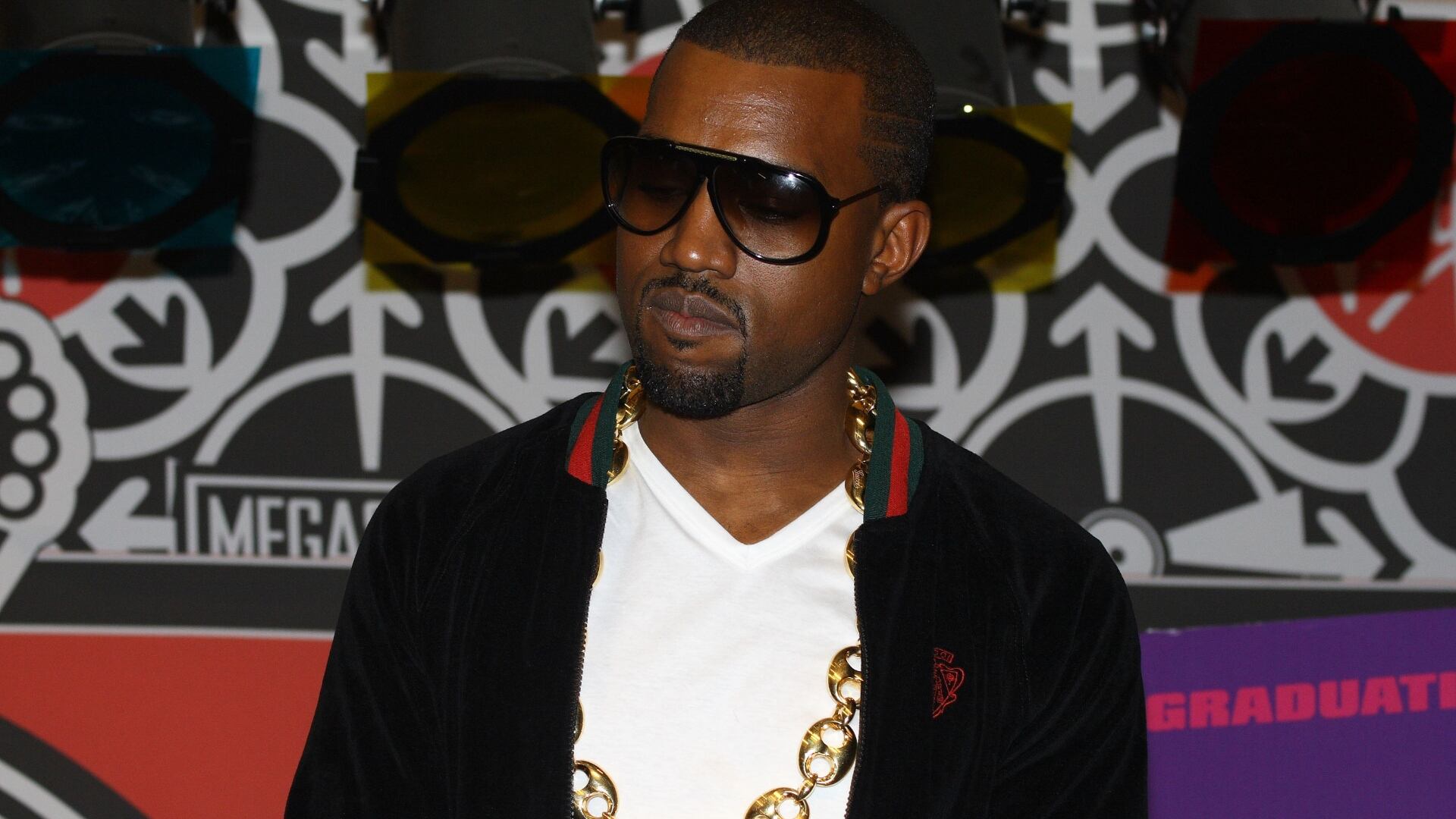
'Jeen-Yuhs: A Kanye Trilogy' dives into over 20 years of the icon himself, Kanye West. The trilogy is described as 'an intimate and revealing portrait of Kanye West's experience, showcasing both his formative days trying to break through and his life today as a global brand and artist.' Cheddar news sat down with directors of the documentary and long-time friends of Kanye, Chike Ozah and Clarence "Coodie" Simmons, to discuss the project.
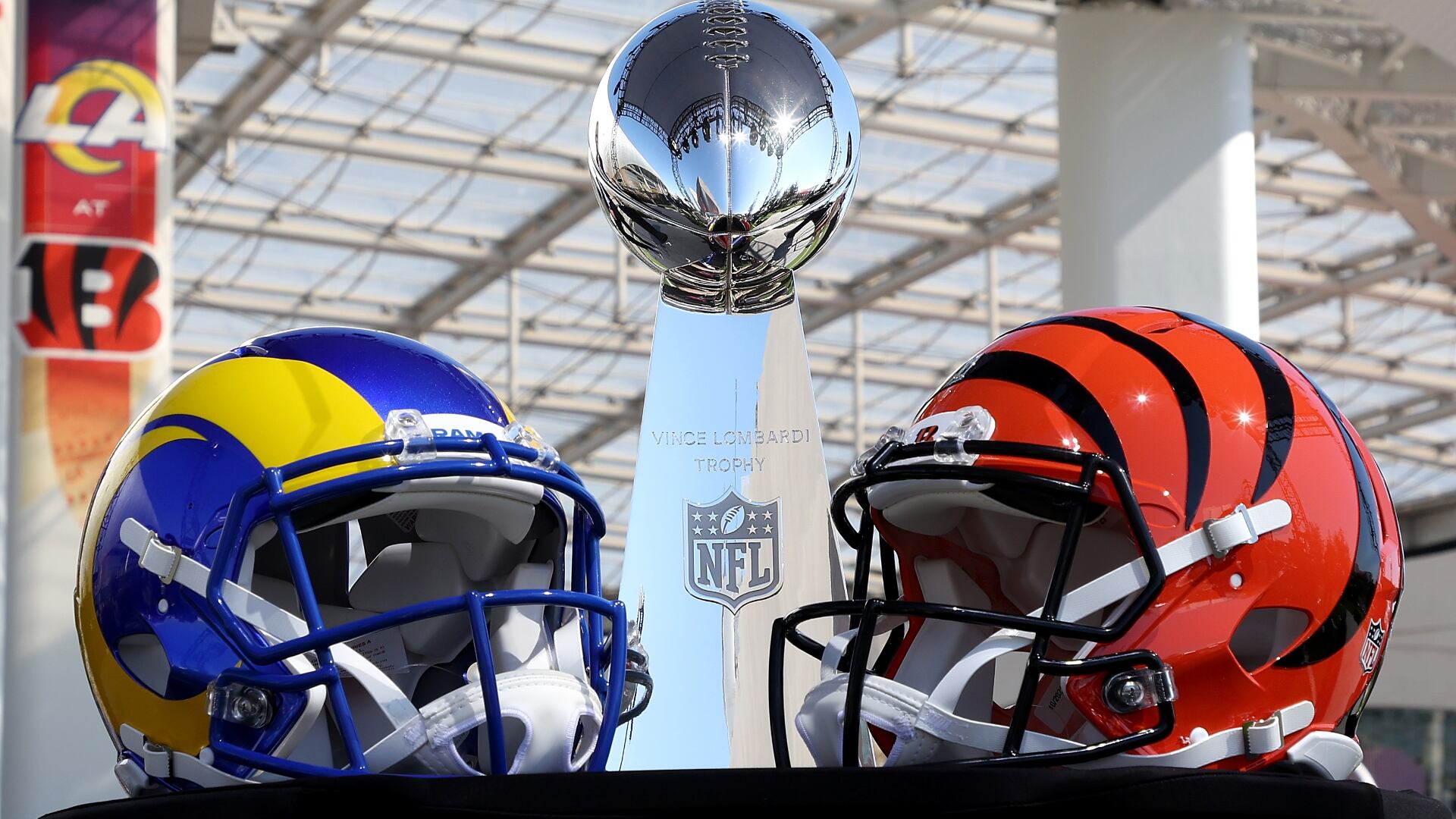
The Super Bowl is only a few days away, and the game is currently tracking to be the most expensive one ever.
Gametime, a website and app for last-minute tickets, says the average ticket price for the NFL's championship game is $9,502.50, with the most expensive seats costing nearly $38,000. That's a far cry away from the average ticket price of the first-ever Super Bowl in 1967, which was only $12. The average ticket price increased by more than $8,000 in just the past decade. Matt Rados, Senior Operations Manager at Gametime, joins Cheddar News' Closing Bell to discuss.
At-home medical labs company Getlabs raised $20 million in a Series A round, led by Emerson Collective and the Minderoo Foundation. Getlabs aims to be the boots-on-the-ground partner to telehealth. The company says more than 70% of medical decisions still require collecting diagnostic tests in person, and that it fills that void by delivering health care directly to their patients' homes. Founder & CEO of Getlabs Kyle Michelson joined Cheddar News' Closing Bell to discuss.
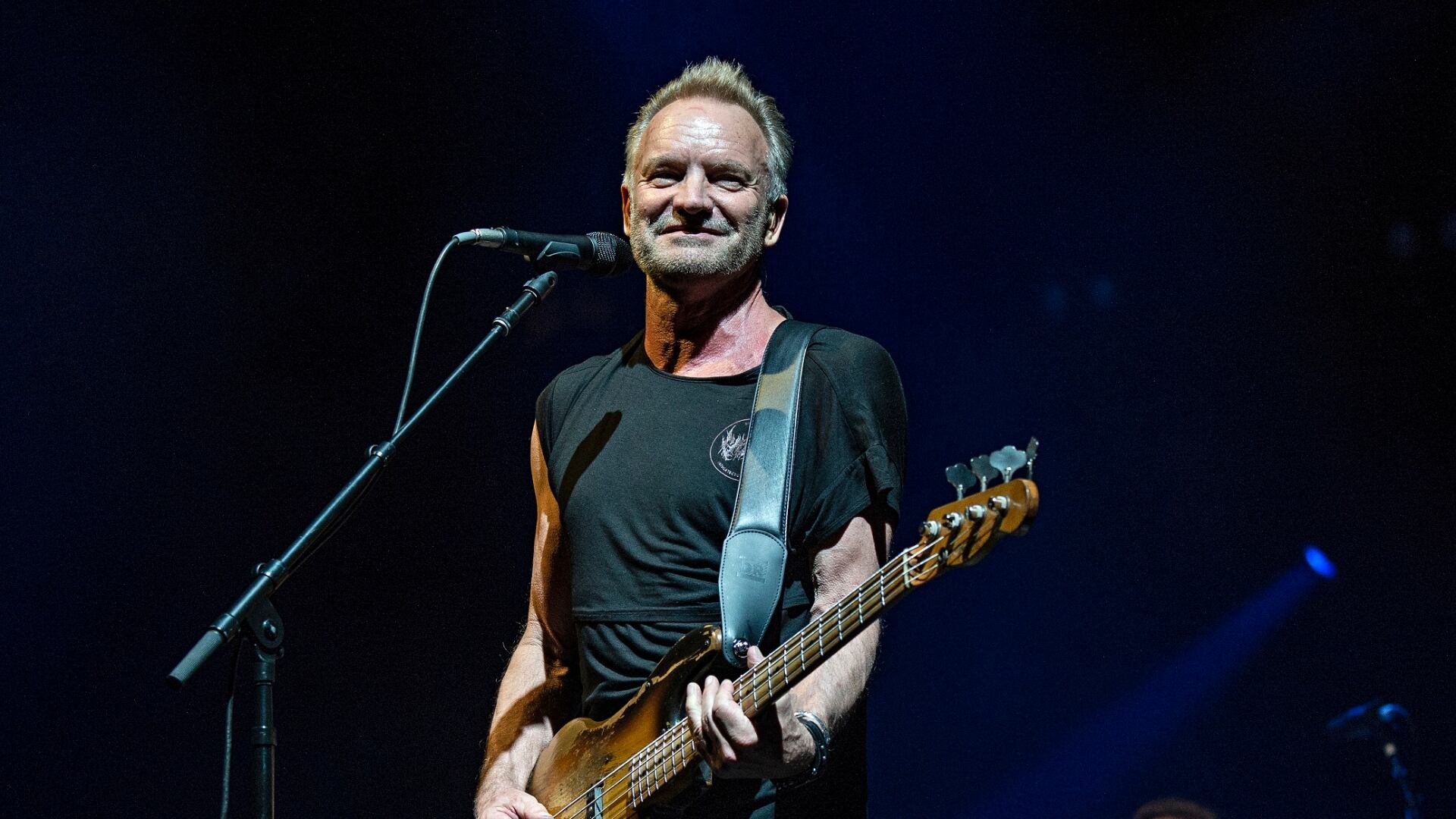
Sting has sold his catalog of more than 600 songs for $300 million to Universal Music. The deal gives the label the rights to all of his work, including “Every Breath You Take," as well as all future royalties.
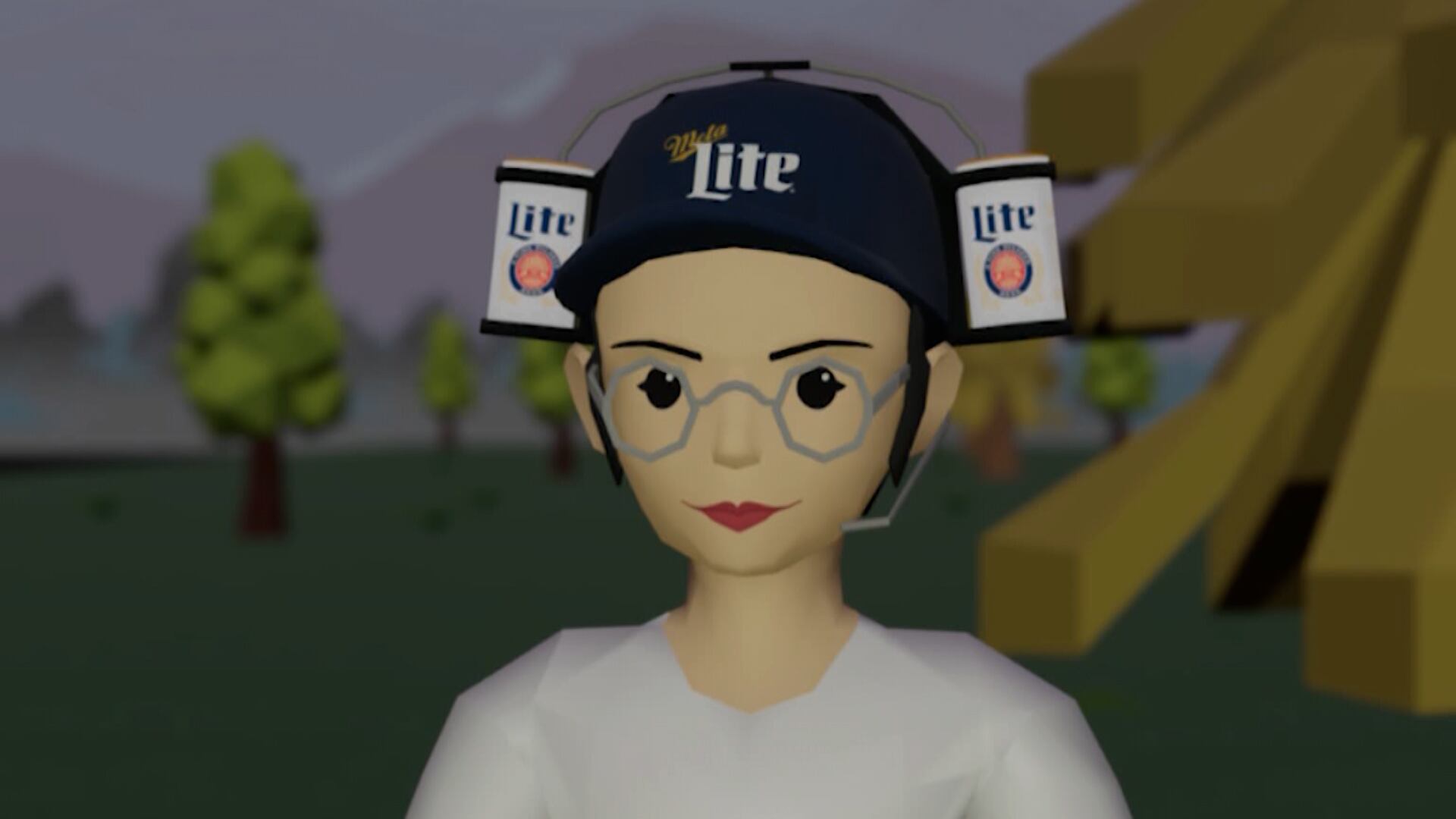
Miller Lite is opening the first branded bar in the metaverse, by way of Decentraland, as a way to advertise during the Super Bowl this year without buying an expensive TV commercial slot. Sofia Colucci, global vice president of Miller Family of Brands, joined Cheddar to talk about the new marketing concept. "We have a lot of great partnerships with NFL teams throughout the year but were shut out of advertising during the Super Bowl game, so this pushes us to think creatively and also think of what feels really relevant right now," Colucci said. "There's no question that there's a lot of excitement with the metaverse, and we wanted to participate but in a way that felt right for Miller Lite."
Kalle Marsal, Chief Operating Officer at PetDx, joins Cheddar Innovates to discuss how next-generation sequencing technology is being used to detect cancer in pets early.
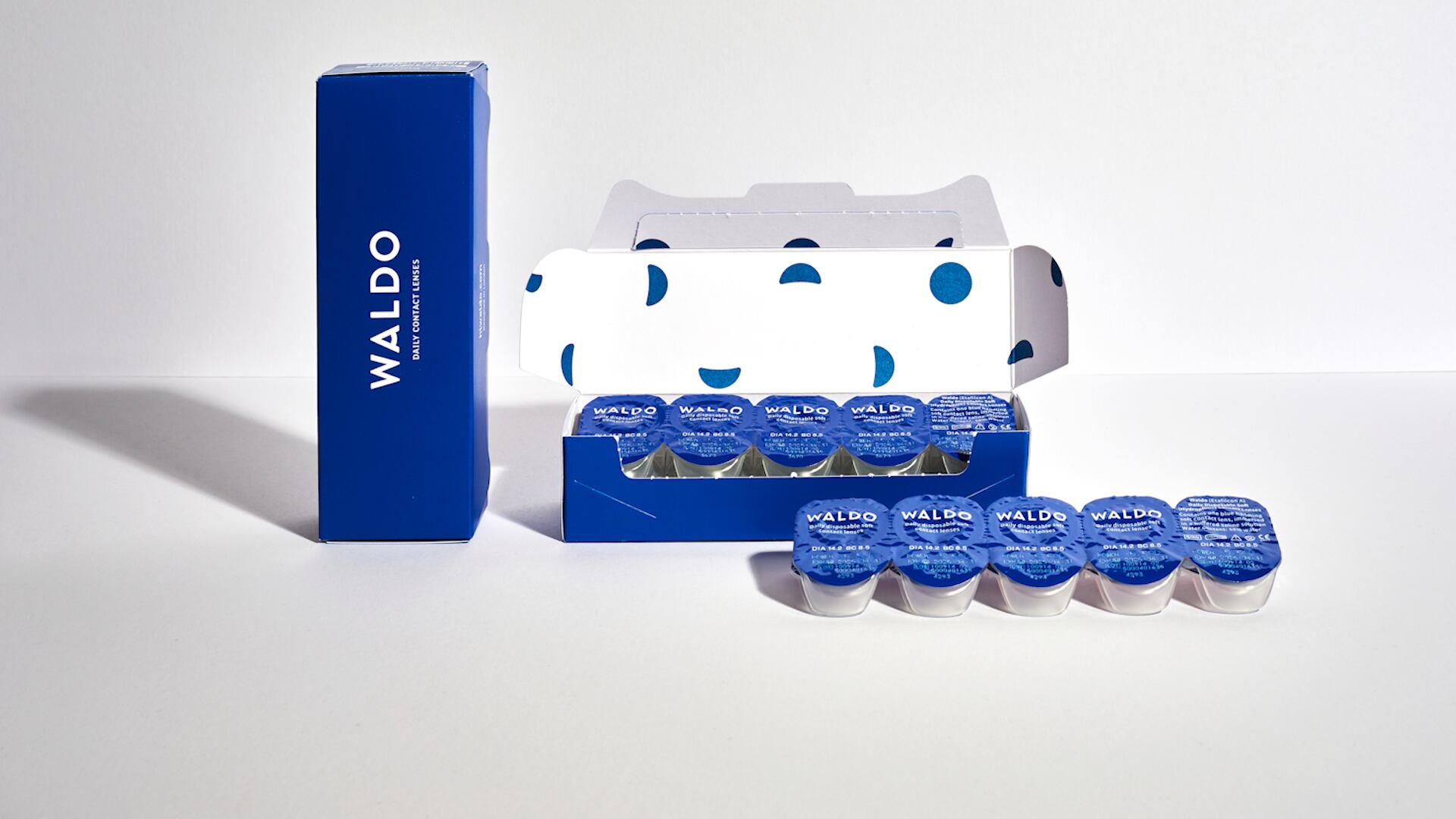
Ashleigh Hinde, Founder and CEO of WALDO, joins Cheddar Innovates to discuss why now is a good time to make eyecare a priority, and how they are democratizing access to eyecare for all.