Spring may be nearly two weeks away, but winter seems to be making (at least!) one last stand.
“We think there’s going to be a storm developing across the South this weekend, bringing heavy rains and thunderstorms to portions of the southeastern U.S,” Jon Porter, VP and head of AccuWeather Enterprise Solutions, told Cheddar.
“It does look like that’s going to be a threat to the Middle Atlantic and Northeast as we head into Sunday and Monday.”
The East Coast is still recovering from the second nor'easter to hit the region in the past week.
Just Wednesday, a New Jersey school teacher was struck by lighting during the thundersnow, and some New Yorkers were barricaded by up to 26 inches of snow. The snow fell at a rate of two to three inches per hour.
By Thursday morning, Winter Storm Quinn had left more than 1 million people without power. Porter told Cheddar that it’s going to take some time before everything is restored.
While a storm this weekend is not a “sure bet,” Porter told Cheddar “it’s something to watch as we head into the next several days.”
For the full interview, [click here](https://cheddar.com/videos/recapping-the-damage-of-winter-storm-quinn).
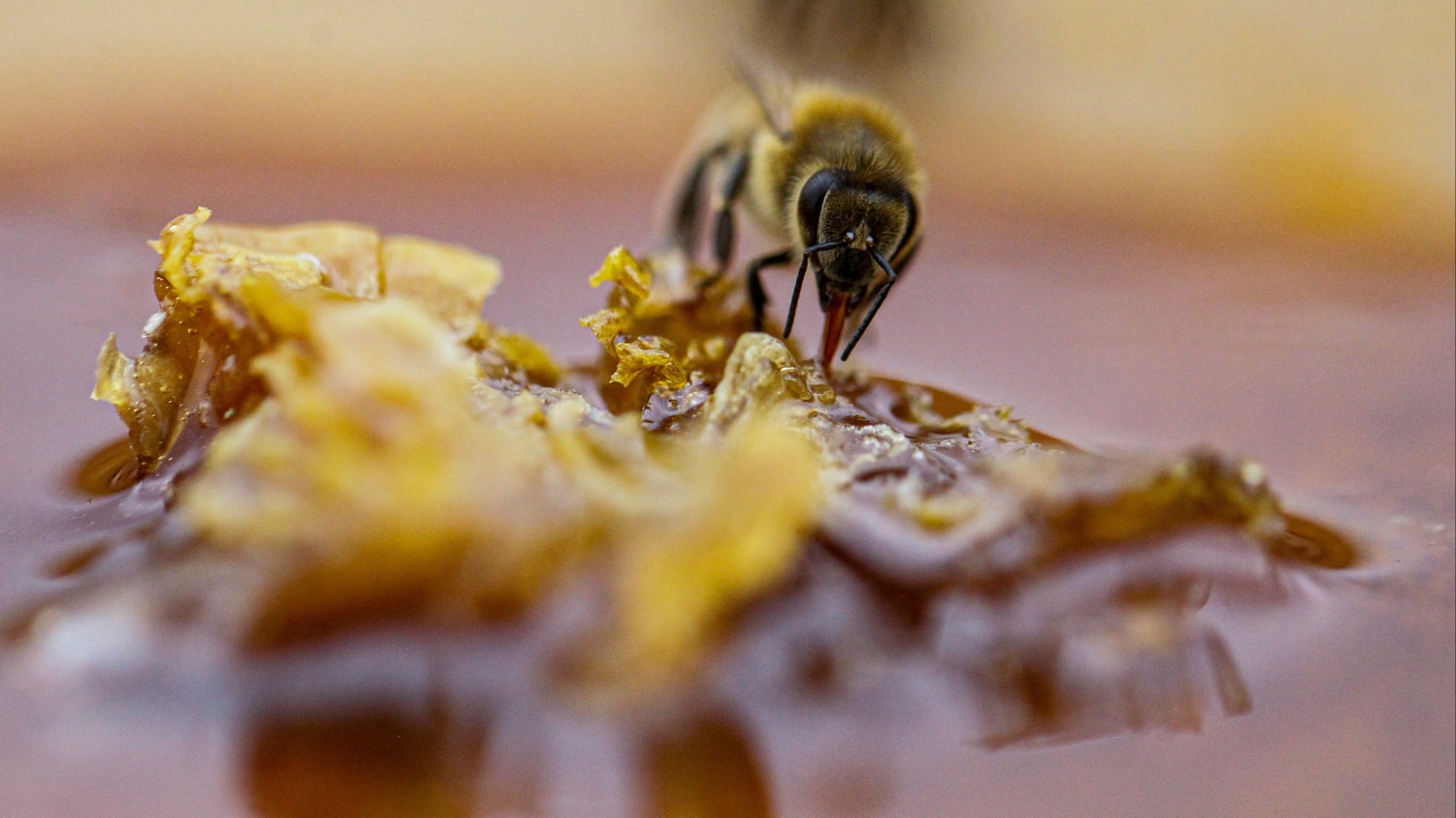
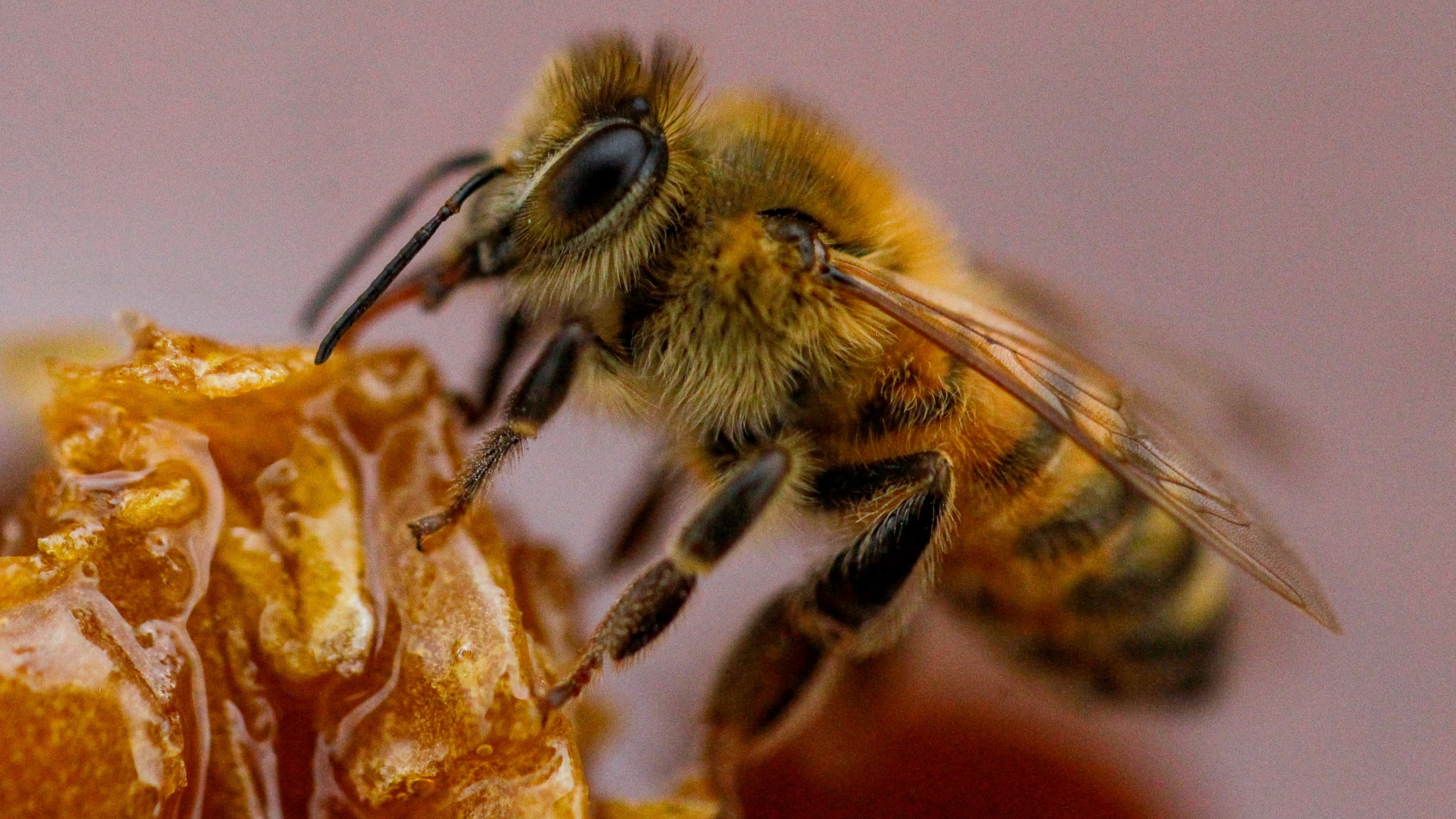
Astor Apiaries' Nick Hoefly is an expert on honey bees and, of course, honey. Cheddar News' Michelle Castillo checked out the hives to learn everything you ever wanted to know about honey ahead of Bee's Knees Week.
Nick Hoefly of Astor Apiaries explains the importance of bees for our ecosystem and talks to Cheddar News' Michelle Castillo about what you can do if you're nervous around them.
Research now shows dogs tend to age better when they have plenty of interaction with humans and other pets, according to a study published in the journal Evolution, Medicine & Public Health.
Children who lived closer to natural gas wells in heavily drilled western Pennsylvania were more likely to develop a relatively rare form of cancer, and nearby residents of all ages had an increased chance of severe asthma reactions, researchers said in reports released Tuesday evening.
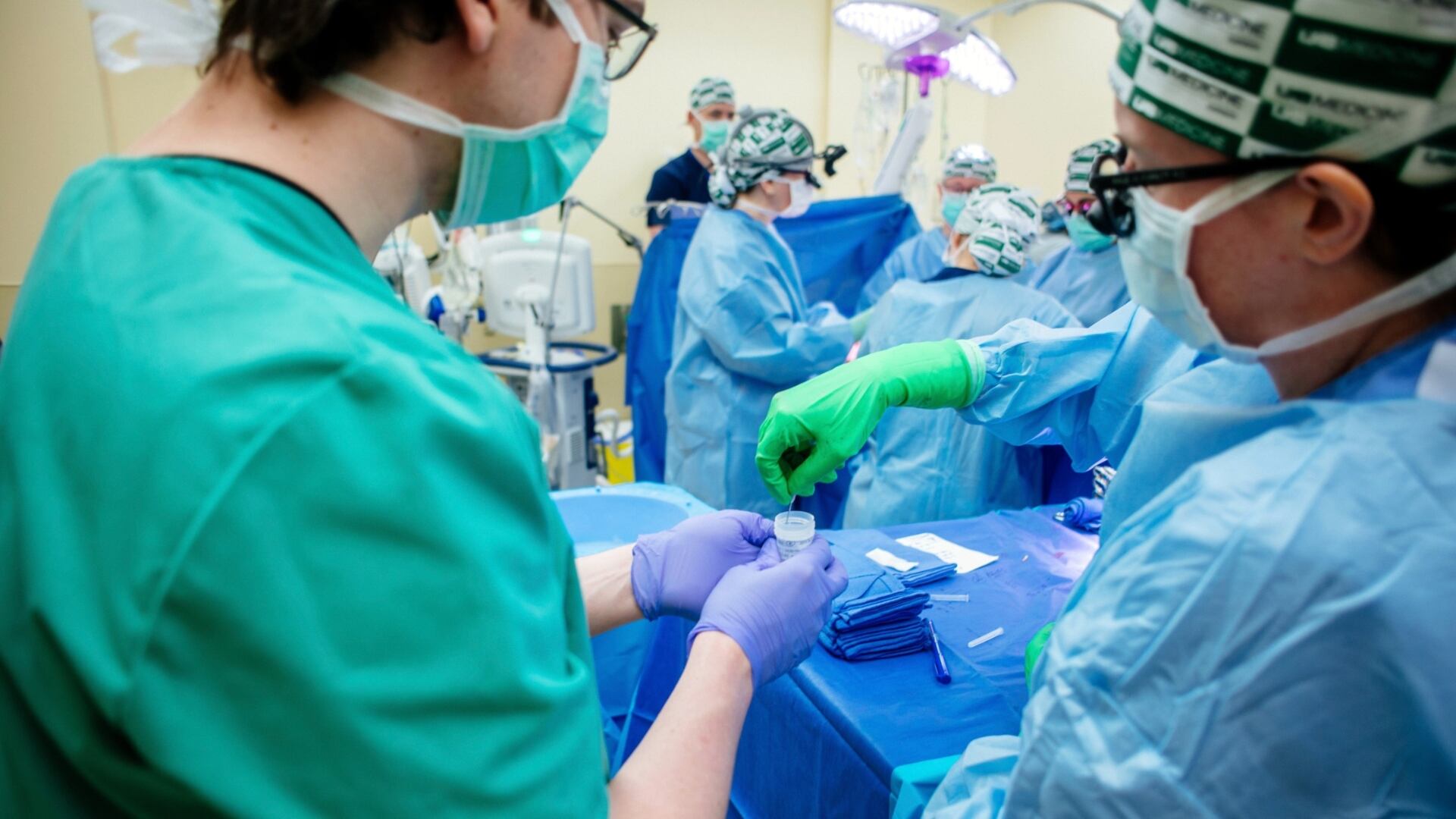
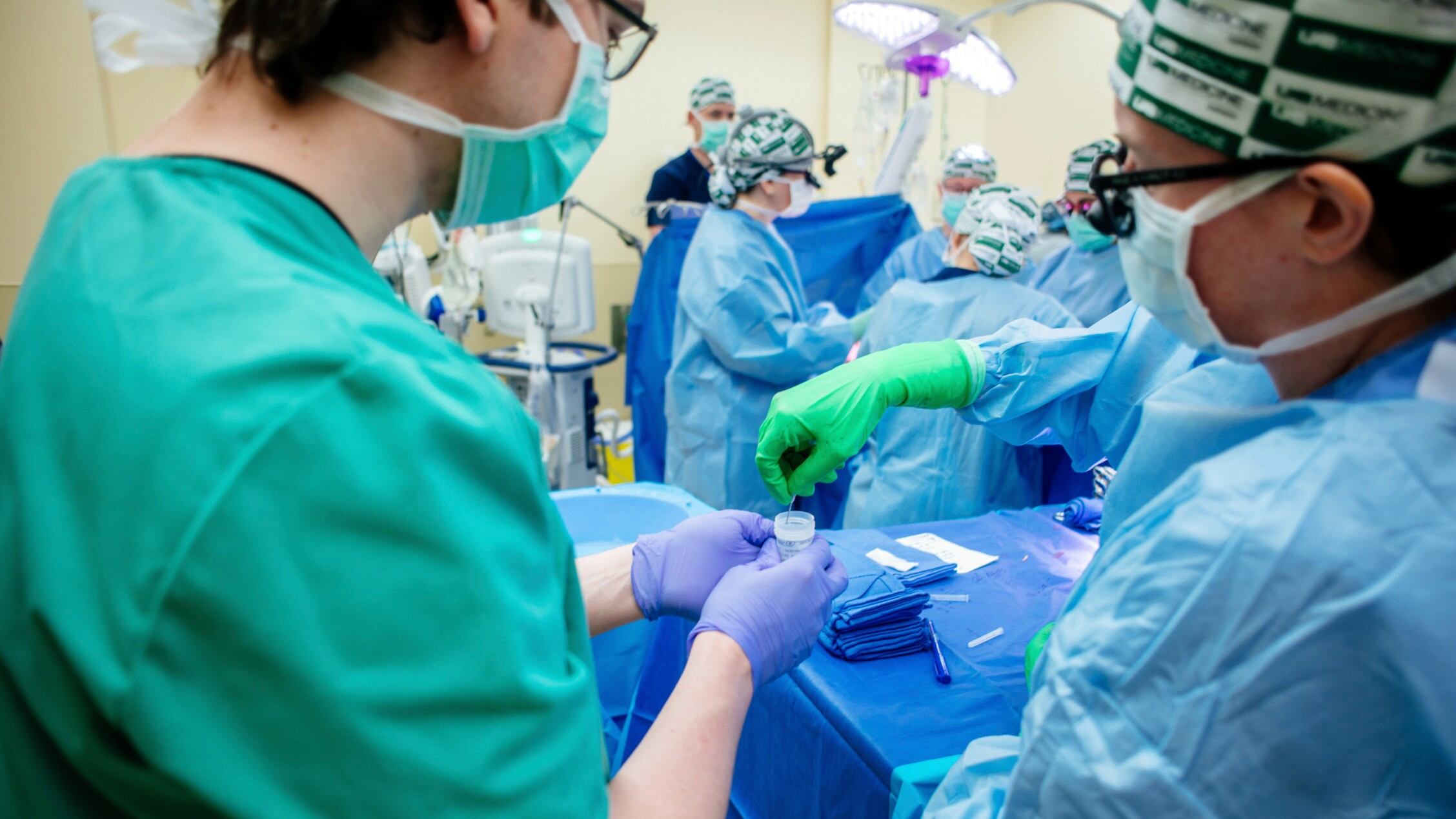
Surgeons transplanted a pig’s kidney into a brain-dead man and for over a month it's worked normally — a critical step toward an operation the New York team hopes to eventually try in living patients.