Spring may be nearly two weeks away, but winter seems to be making (at least!) one last stand.
“We think there’s going to be a storm developing across the South this weekend, bringing heavy rains and thunderstorms to portions of the southeastern U.S,” Jon Porter, VP and head of AccuWeather Enterprise Solutions, told Cheddar.
“It does look like that’s going to be a threat to the Middle Atlantic and Northeast as we head into Sunday and Monday.”
The East Coast is still recovering from the second nor'easter to hit the region in the past week.
Just Wednesday, a New Jersey school teacher was struck by lighting during the thundersnow, and some New Yorkers were barricaded by up to 26 inches of snow. The snow fell at a rate of two to three inches per hour.
By Thursday morning, Winter Storm Quinn had left more than 1 million people without power. Porter told Cheddar that it’s going to take some time before everything is restored.
While a storm this weekend is not a “sure bet,” Porter told Cheddar “it’s something to watch as we head into the next several days.”
For the full interview, [click here](https://cheddar.com/videos/recapping-the-damage-of-winter-storm-quinn).
Cheddar's Need2Know Podcast for Tues., June 16, 2020.
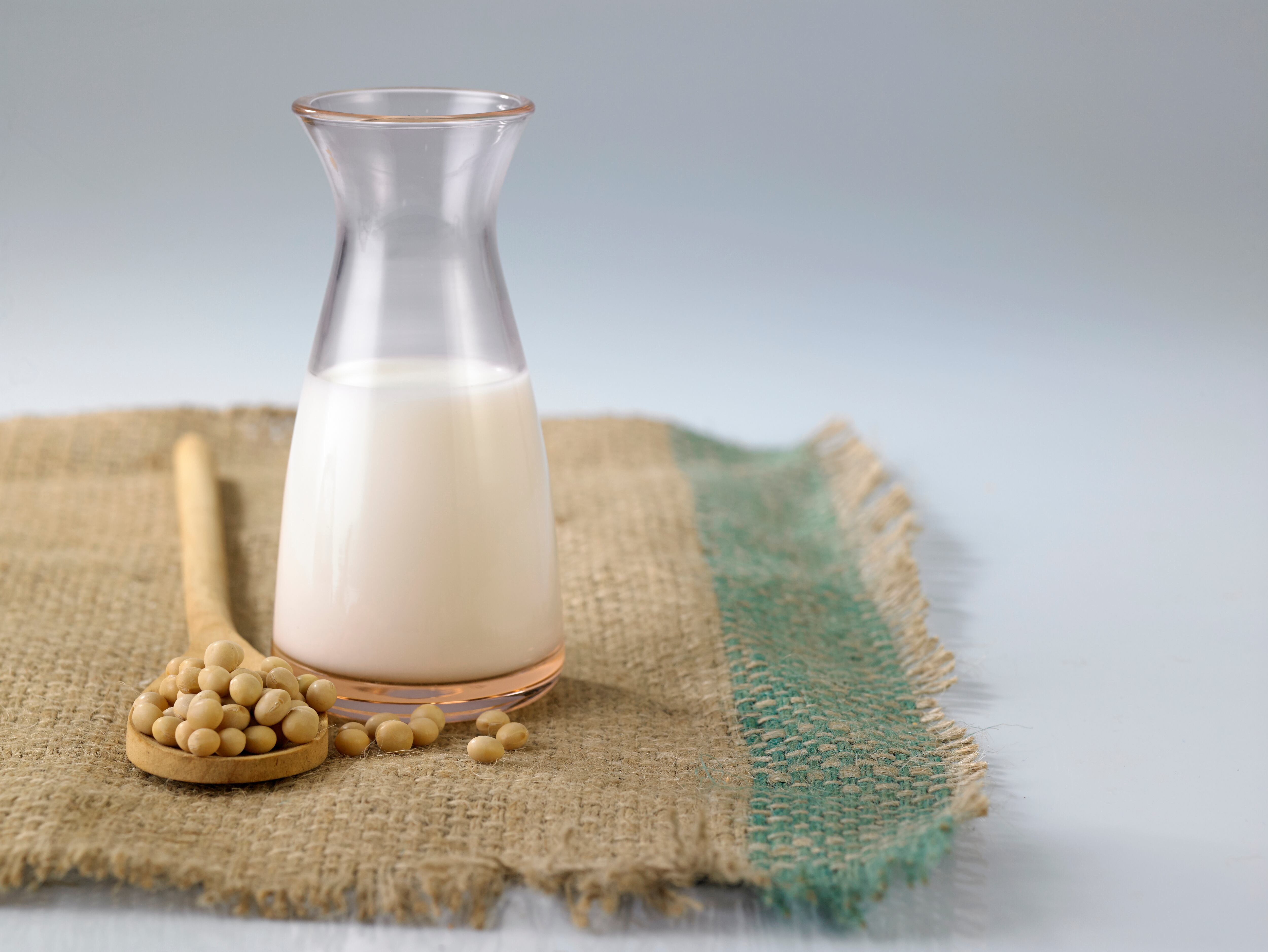
From milk to canned tuna to shampoo, soy is in a good majority of our day-to-day products. It’s added to around 60% of the nation’s processed foods. Soy has been known to provide some real health benefits, like high protein. But there are legitimate health and environmental consequences that raise the question: why do we use so much soy? And should we?
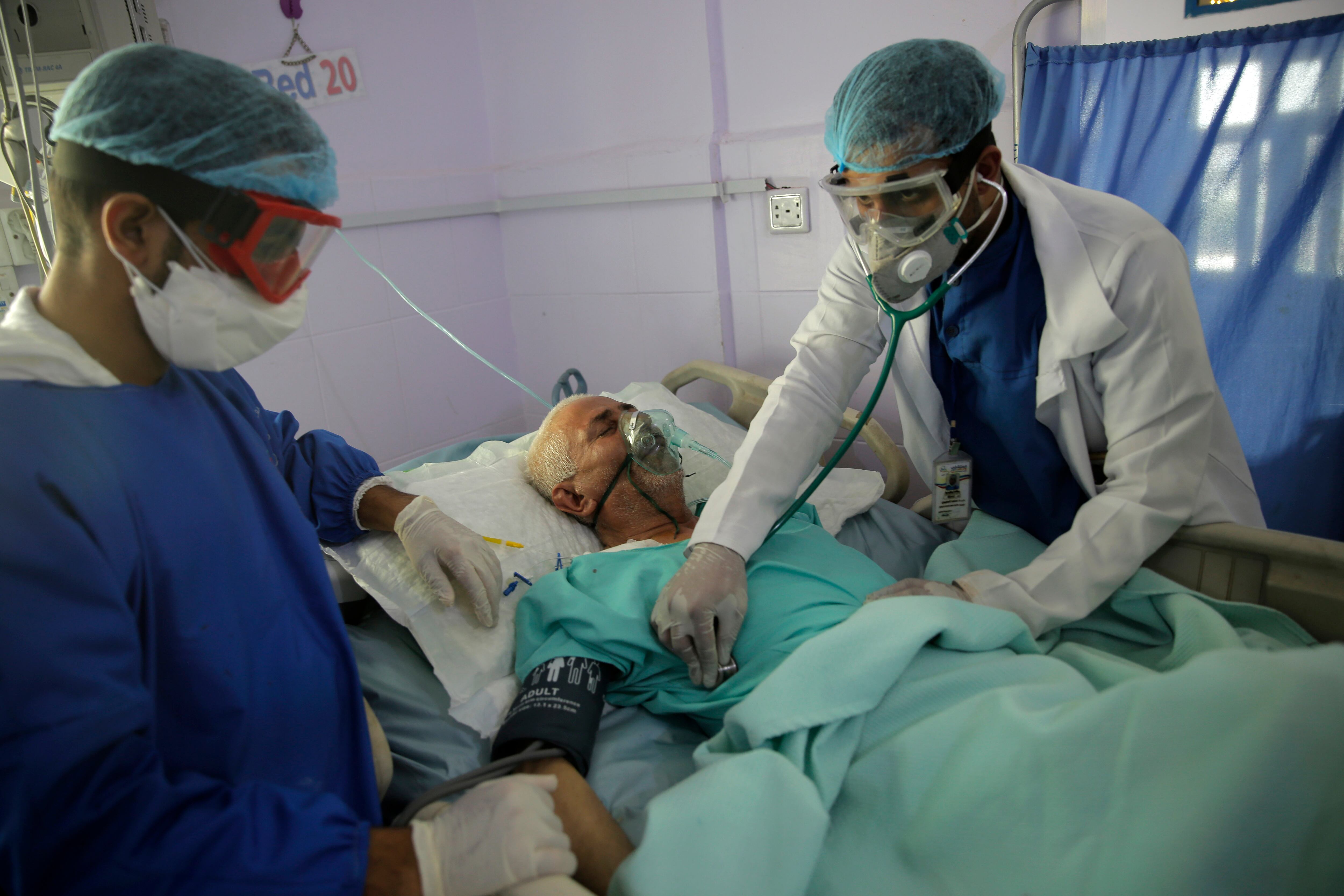
Researchers in England say they have the first evidence that a drug can improve survival from COVID-19. The drug is a cheap, widely available steroid called dexamethasone.
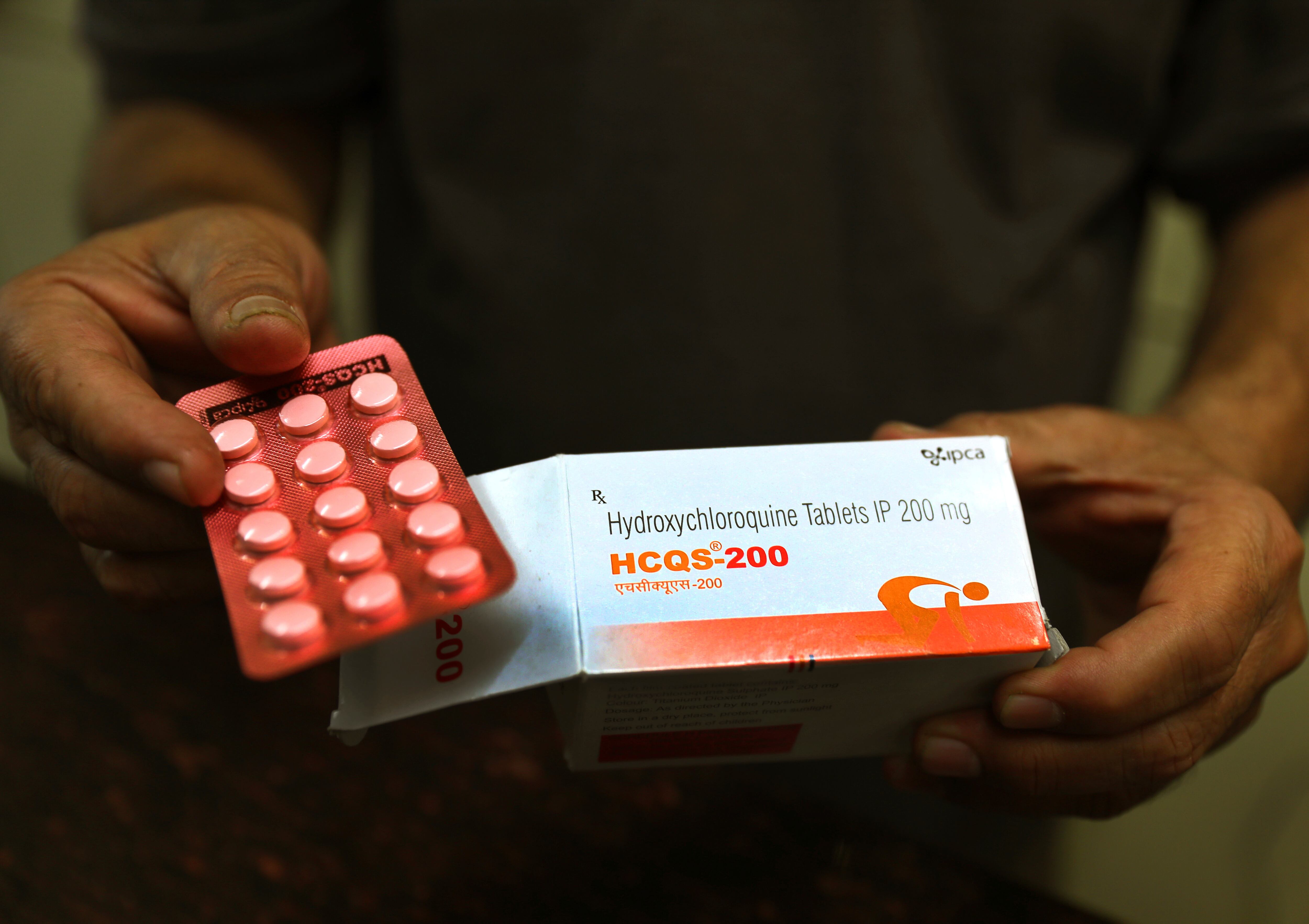
The Food and Drug Administration said Monday that the drugs hydroxychloroquine and chloroquine are unlikely to be effective in treating the coronavirus.
As the number of coronavirus cases continues to rise in the U.S., Johnson & Johnson's chief scientific officer Dr. Paul Stoffels told Cheddar the company has an accelerated plan to create a vaccine.
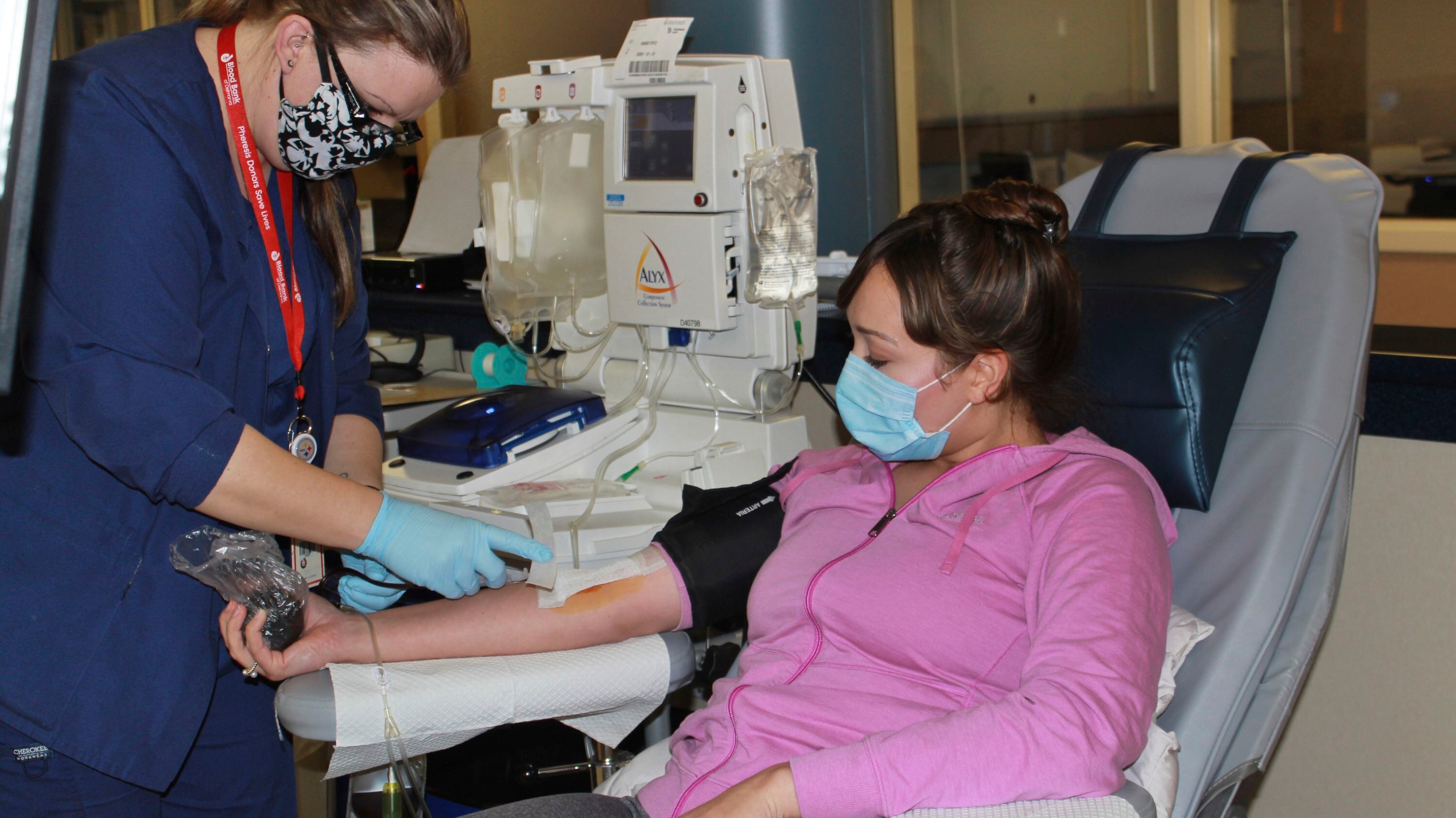
Scientists are beginning a new study to tell if the blood plasma of COVID-19 survivors might help prevent infection in the first place.
Coronavirus cases are rising in nearly half the U.S. states. And while many are chalked up to increased testing or to small, local outbreaks, others are more alarming.
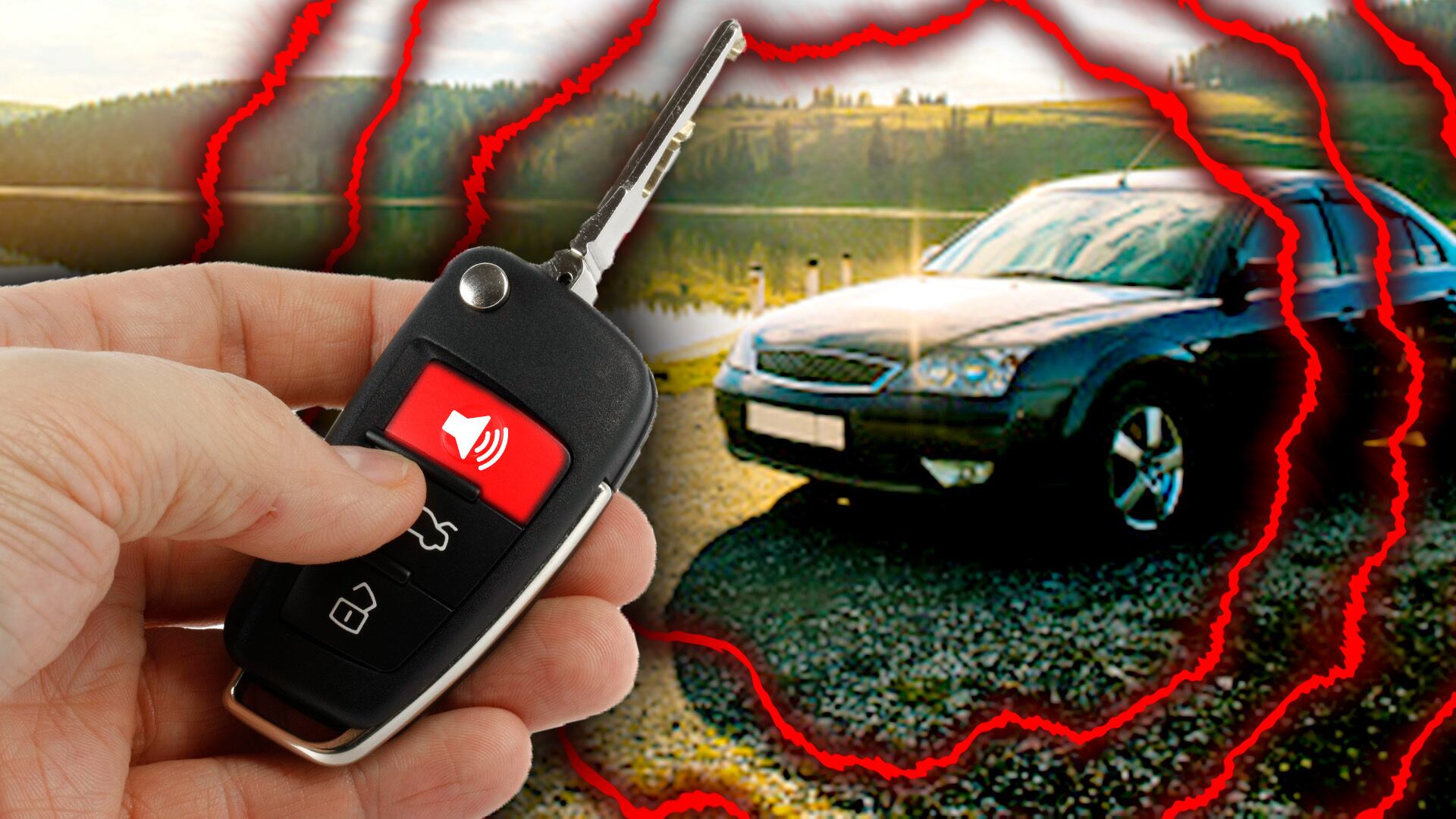
If you lived in a big city in the 90s, you're probably one of the unlucky people who was kept up at night on a regular basis by errant car alarms. But today, those in that same big city hear alarms far less often than you did. So where did car alarms go? How have they evolved, and did we ever need them to begin with?
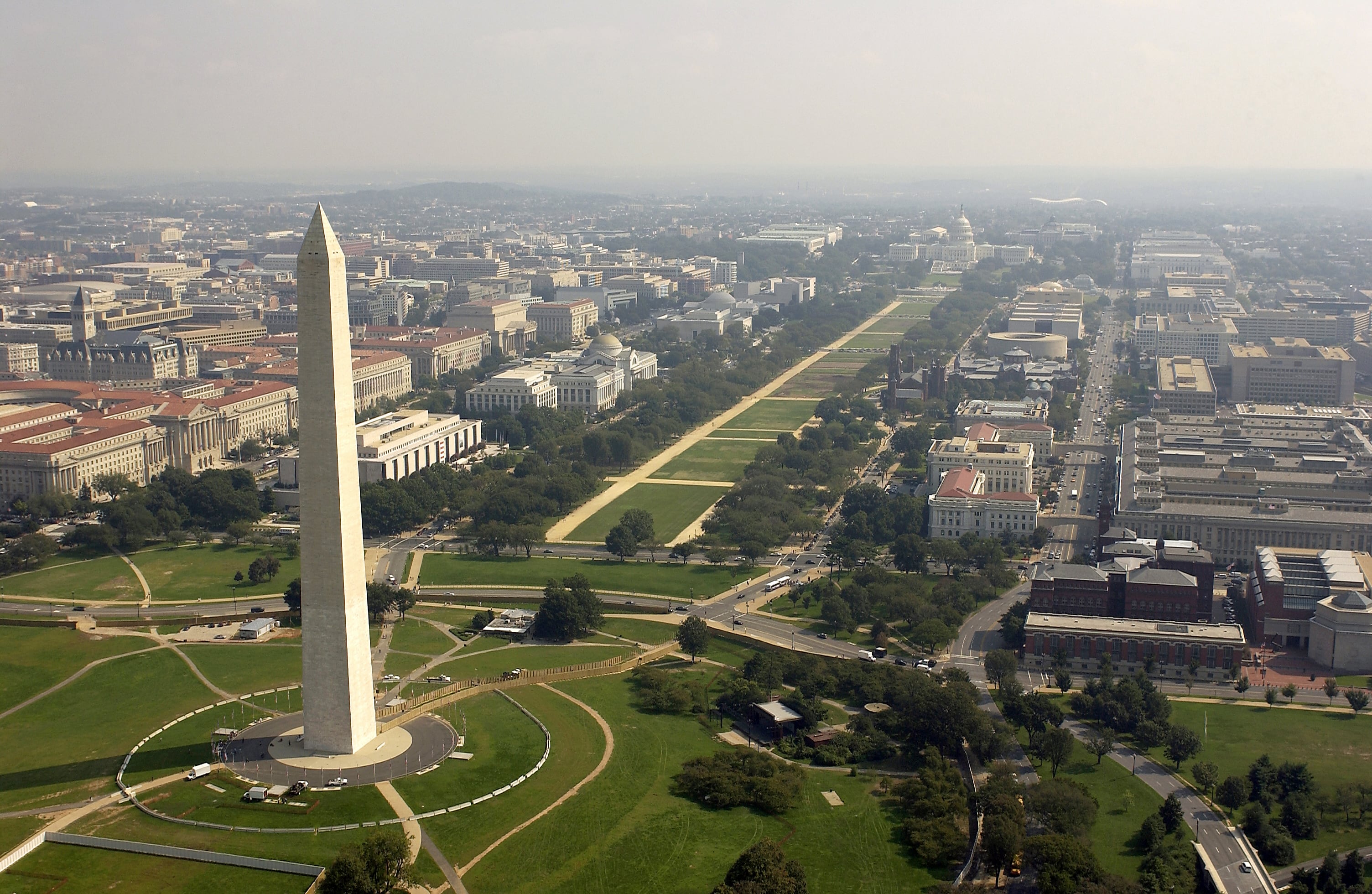
The skyline of Washington D.C. is stunted. You've probably heard that D.C. can't build skyscrapers taller than the U.S. Capital Building or the Washington Monument. But those are both myths from a bygone era. Cheddar tells the real story.
A top World Health Organization expert has tried to clear up “misunderstandings” about comments she made that were widely understood to suggest that people without COVID-19 symptoms rarely transmit the coronavirus.