Spring may be nearly two weeks away, but winter seems to be making (at least!) one last stand.
“We think there’s going to be a storm developing across the South this weekend, bringing heavy rains and thunderstorms to portions of the southeastern U.S,” Jon Porter, VP and head of AccuWeather Enterprise Solutions, told Cheddar.
“It does look like that’s going to be a threat to the Middle Atlantic and Northeast as we head into Sunday and Monday.”
The East Coast is still recovering from the second nor'easter to hit the region in the past week.
Just Wednesday, a New Jersey school teacher was struck by lighting during the thundersnow, and some New Yorkers were barricaded by up to 26 inches of snow. The snow fell at a rate of two to three inches per hour.
By Thursday morning, Winter Storm Quinn had left more than 1 million people without power. Porter told Cheddar that it’s going to take some time before everything is restored.
While a storm this weekend is not a “sure bet,” Porter told Cheddar “it’s something to watch as we head into the next several days.”
For the full interview, [click here](https://cheddar.com/videos/recapping-the-damage-of-winter-storm-quinn).
It's Friday at long last. Jill and Carlo cover the latest on Omicron, including a possible superspreader event in NYC. Plus, previewing the November jobs report, a new Zoom feature no one asked for, and when it's no longer a good idea to eat Thanksgiving leftovers.
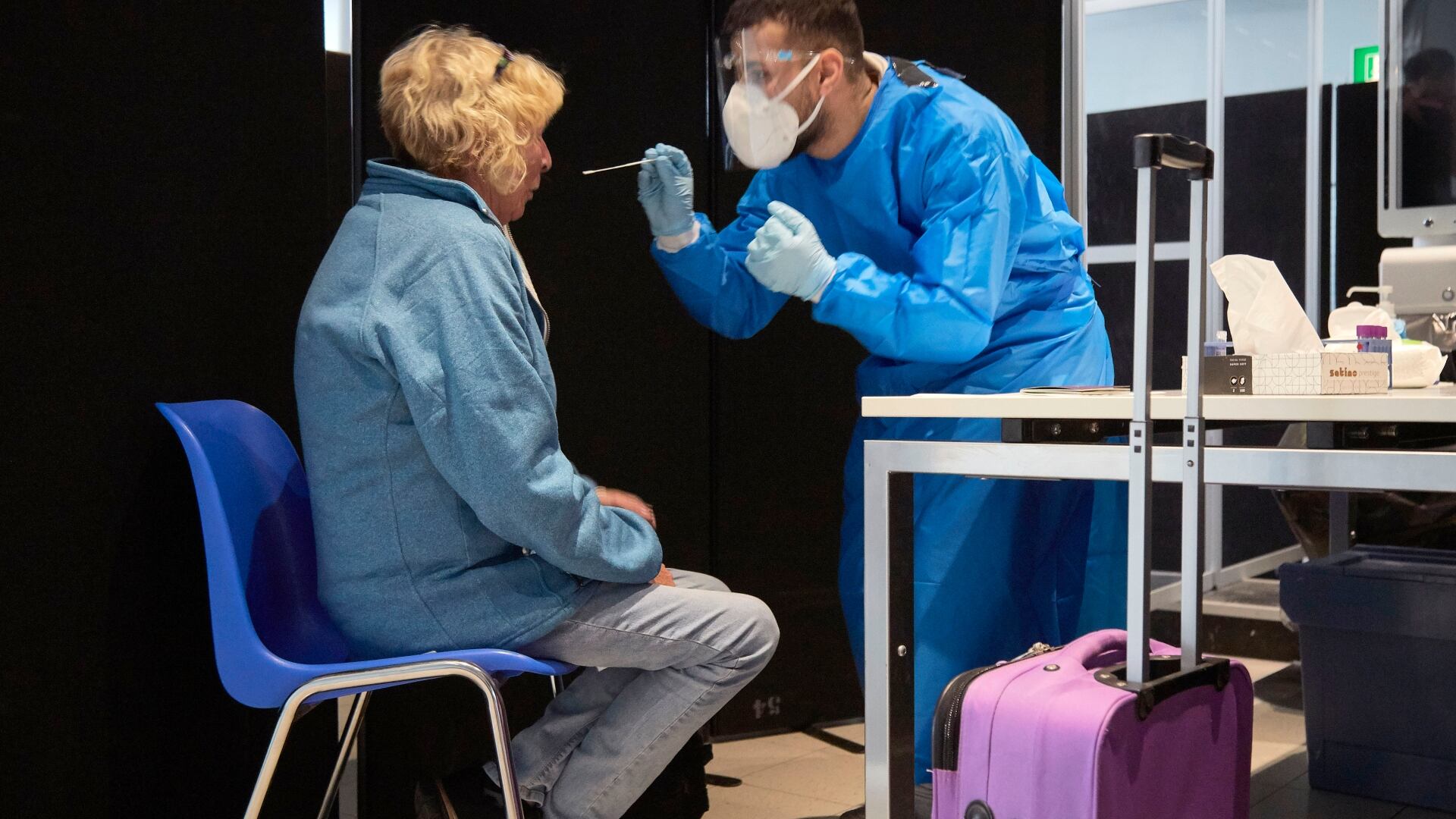
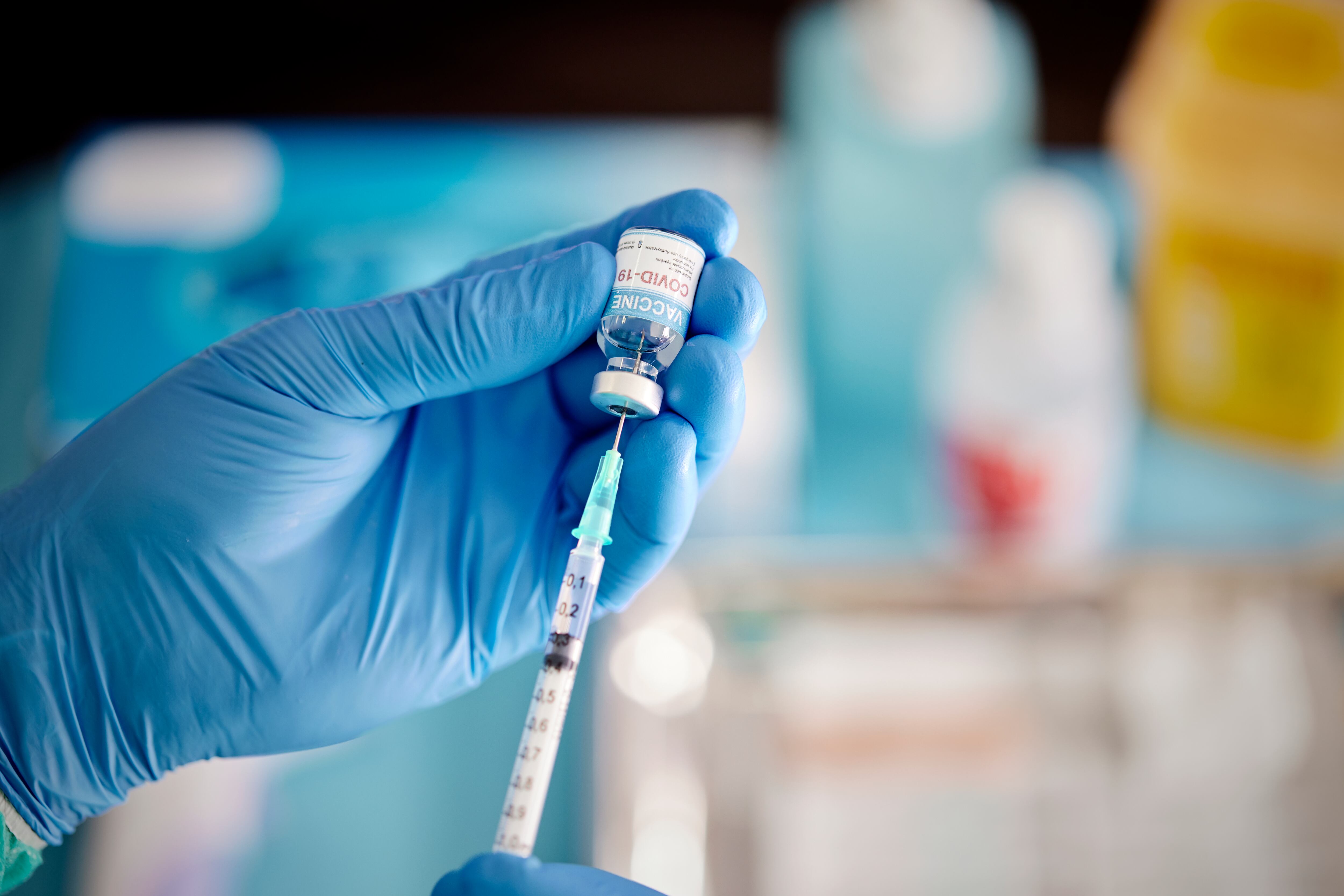
Three cases of the new omicron COVID-19 variant have been confirmed in the U.S. Cheddar speaks with global infection disease specialist Dr. Rajeev Fernando on how to prepare for a possible new coronavirus wave.
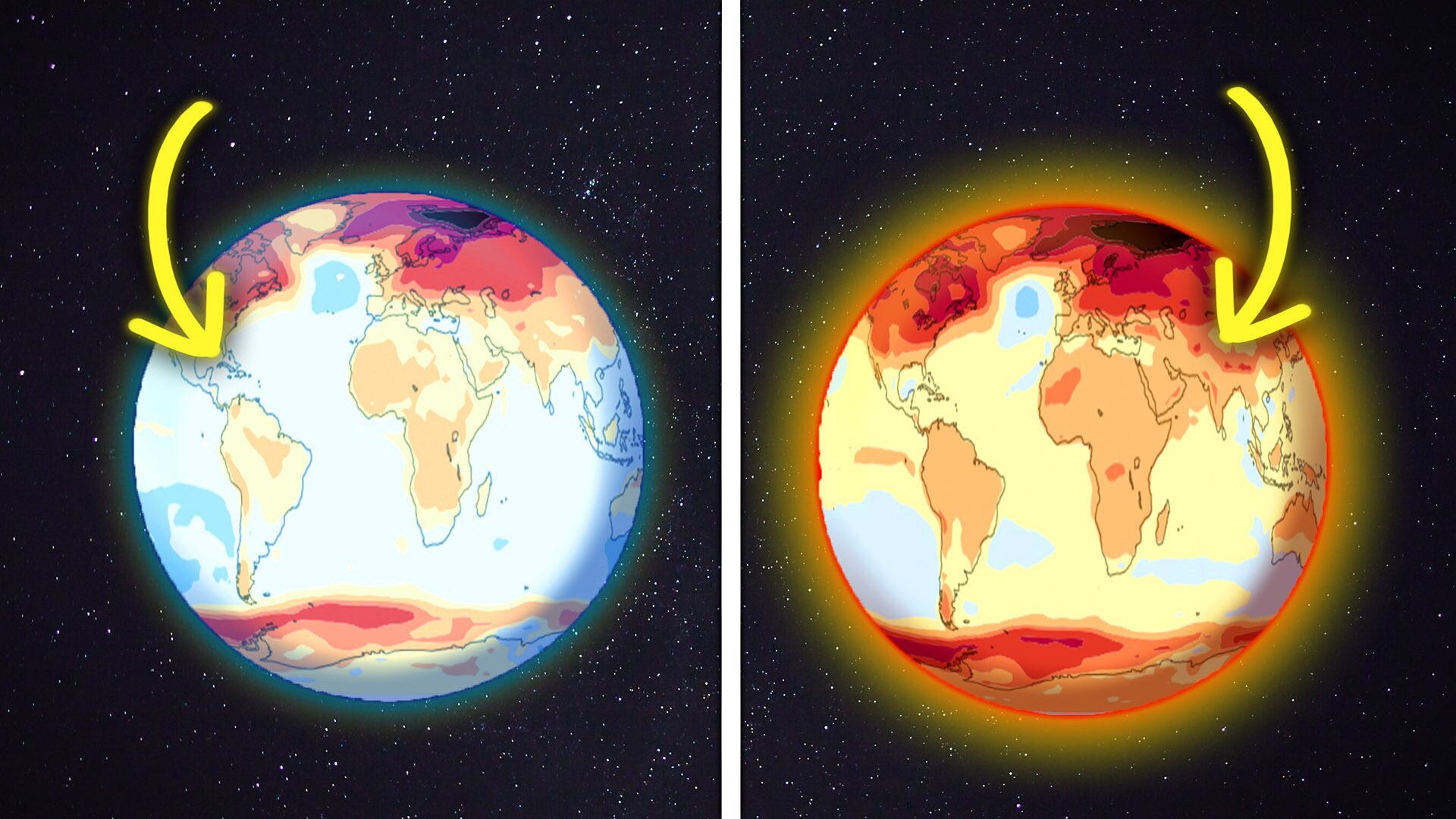
In 2015, 193 parties signed the Paris Agreement. In doing so, they agreed to pursue efforts to limit the average global temperature increase to 1.5° Celsius - or 2.7 degrees Fahrenheit -above pre-industrial levels. To be clear, our planet is already 1.1 degrees hotter than it was 150 years ago. But most scientists agree that an increase of just .4 more degrees will drastically change the world. However, it would continue to be livable. Things do get murky, though, as the projections increase above that.
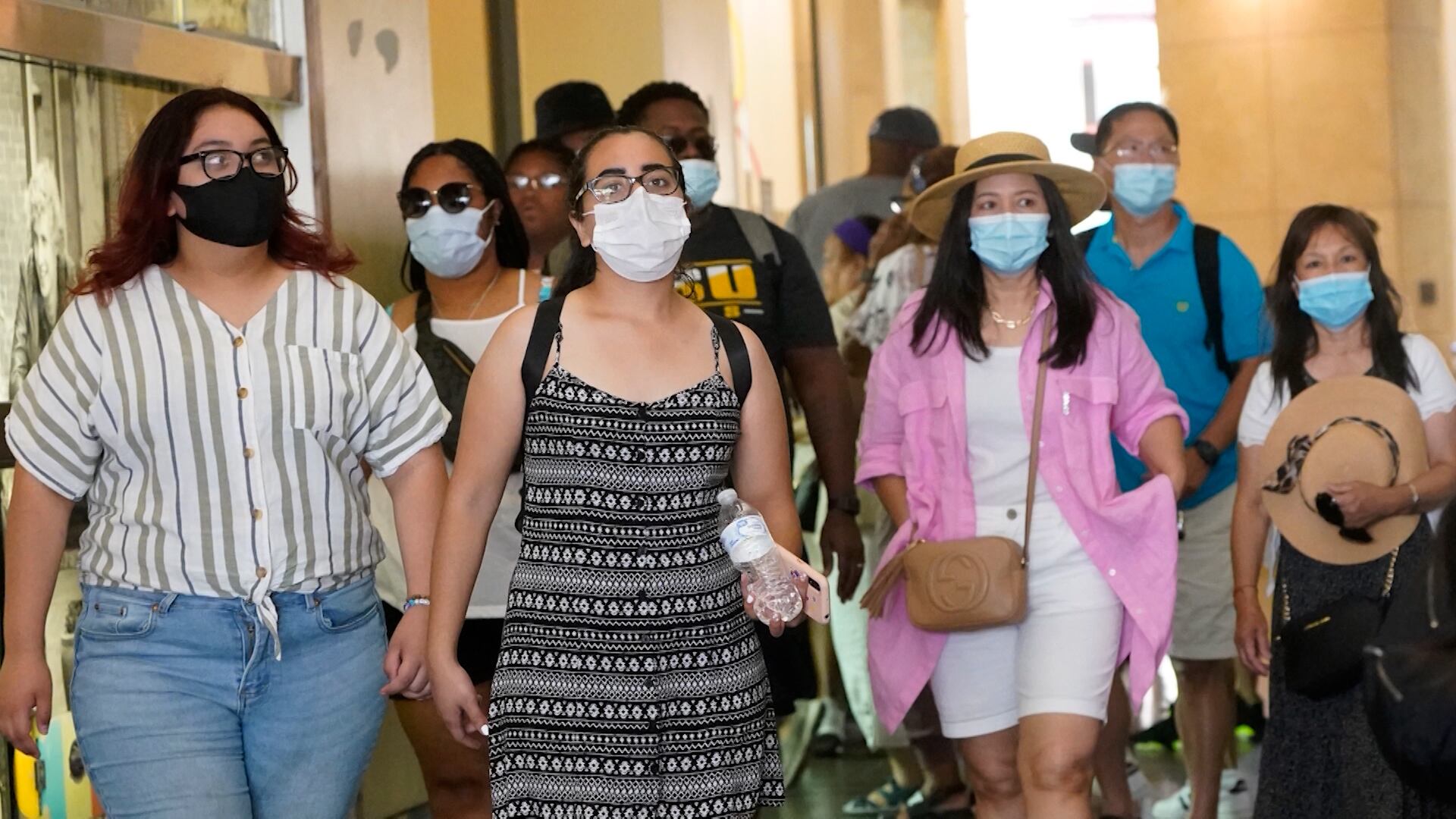
Dr. Jen Caudle, family physician and associate professor at Rowan University, joined Cheddar to break down how people can protect themselves and family amid the uncertainty of the new Omicron COVID-19 variant. Caudle emphasized the importance of getting vaccinated against COVID-19 with so much still uncertain about the pandemic. "We have to remember delta variant is still here in the United States," she said. "We're still losing too many people every single day to this virus."
Jill and Carlo discuss what appears to be the beginning of the end of Roe v. Wade, another victim dies following the school shooting in Michigan, Omicron in the U.S., Trump's Covid chronology and more.
Was it a coincidence that the omicron coronavirus variant evolved in a region with low vaccination rates? Cheddar speaks with epidemiologist Dr. Eric Feigl-Ding on the topic.
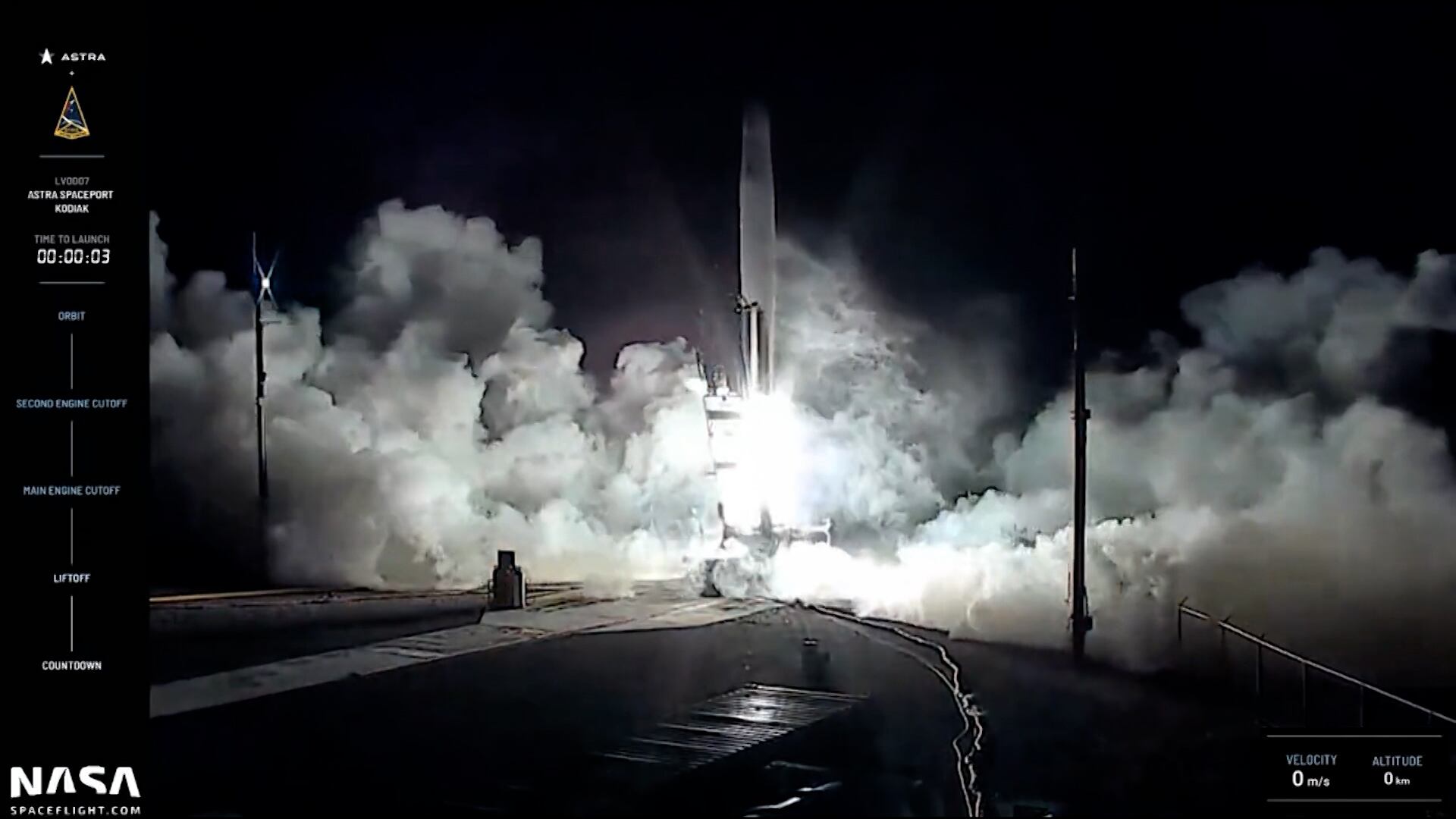
Astra founder, chairman, and CEO Chris Kemp spoke to Cheddar's Kristen Scholer about his company's first successful launch into orbit last month, becoming the fastest space company to reach orbit using a privately developed liquid-fueled rocket. He also noted that the company's priority is to "improve life on Earth from space" by rapidly increasing the number of low-orbiting satellites to do everything from connecting people to monitoring weather patterns.
Stocks closed at session lows Wednesday as investors grew skittish over the first reported case of the COVID-19 omicron variant in California. Josh Sailar, Partner at Blue Zone Wealth Advisors, joins Cheddar News' Closing Bell to discuss investor worry over the new variant, the Fed dropping the word 'transitory' to describe inflation and potentially speeding up their asset tapering timeline, 2022 predictions, and more.