A close adviser to Boeing's ousted CEO will also leave the company.
Mike Luttig was Boeing's general counsel from 2006 until this spring.
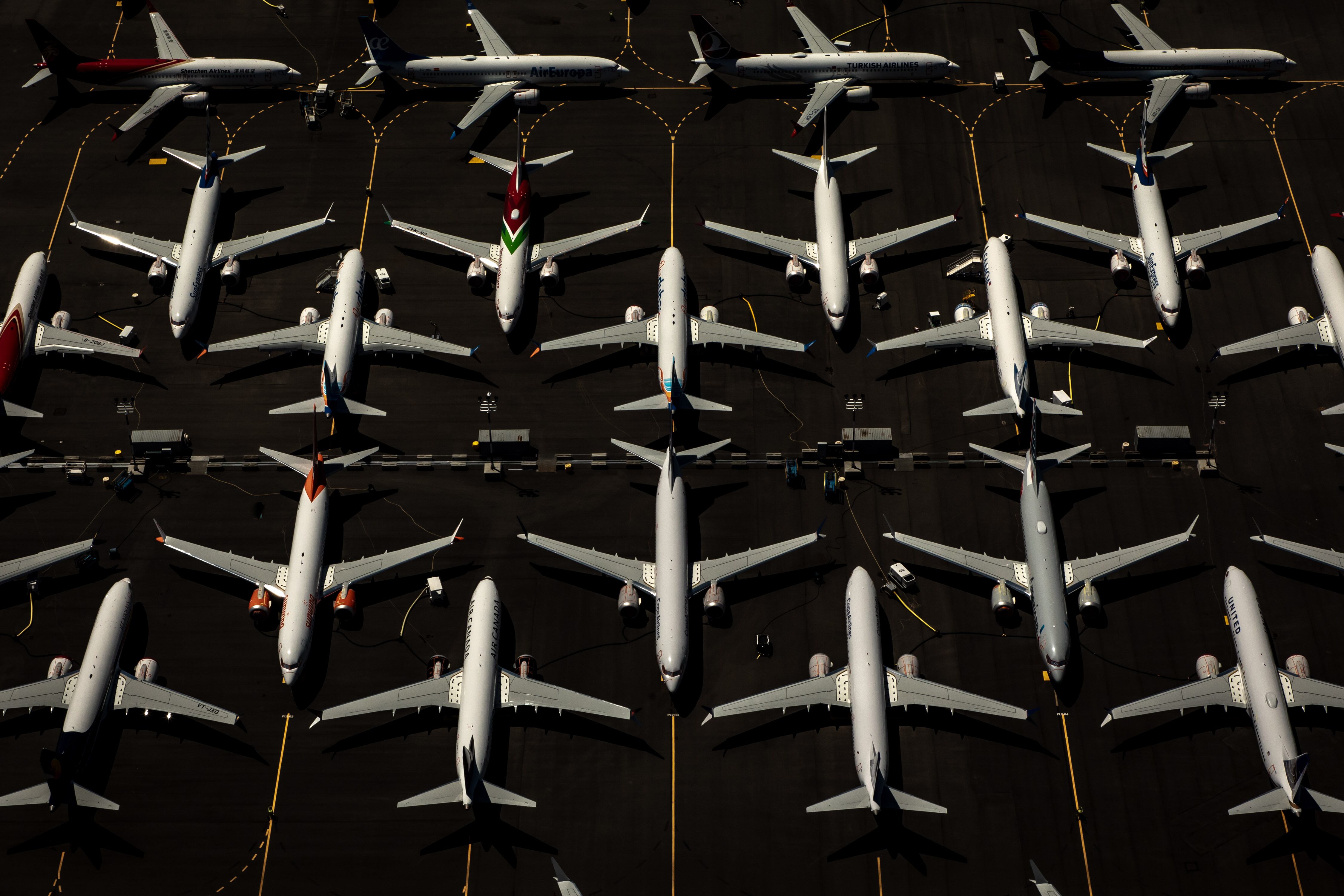
Shortly after the crash of a second Boeing 737 Max, the companies premiere aircraft, he was assigned to head the company's legal strategy and to advise the board.
Luttig, who will retire next week, is the latest executive to leave the beleaguered company. In addition to CEO Dennis Muilenburg who was pushed out this week, Kevin McAllister, the head of Boeing Commercial Airplanes, was forced out in October. Anne Toulouse, senior vice president of communications, will leave at the end of the year.
Luttig served 15 years on the U.S. Court of Appeals for the Fourth Circuit before joining Boeing.
"We are deeply indebted to Judge Luttig for his extraordinary service to Boeing over these nearly 14 years, especially through this past, challenging year for our company," said interim CEO Greg Smith in a prepared statement.
In October 2018, a brand-new Max operated by Indonesia’s Lion Air crashed into the sea near Jakarta. Five months later, in March, an Ethiopian Airlines Max went down shortly after takeoff from Addis Ababa. All 346 people aboard the two planes were killed.
A faulty sensor caused the system to activate before the two disasters, pushing down the nose of both planes. Boeing had not told pilots about MCAS until after the Lion Air crash, and regulators at the FAA didn’t know much about it either.
Earlier this month, the House Transportation Committee disclosed an internal FAA analysis made after the first crash, which estimated that there would be 15 more fatal crashes over 45 years until Boeing fixed MCAS.
Yet the FAA did not ground the plane until the second crash.