The Federal Reserve's preferred inflation gauge ticked higher in January, a sign that price pressures remain entrenched in the U.S. economy and could lead the Fed to keep raising interest rates well into this year.
Friday’s report from the Commerce Department showed that consumer prices rose 0.6% from December to January, up sharply from a 0.2% increase from November to December. On a year-over-year basis, prices rose 5.4%, up from a 5.3% annual increase in December.
The report also showed that consumer spending rose 1.8% last month from December after falling the previous month.
All told, Friday's data provided the latest sign that the economy remains gripped by high inflation despite the Fed's strenuous efforts to tame it. Last week, the government issued a separate inflation measure — the consumer price index — which showed that prices surged 0.5% from December to January, much more than the previous month's 0.1% rise. Measured year over year, consumer prices climbed 6.4% in January. That was well below a recent peak of 9.1% in June but still far above the Fed’s 2% inflation target.
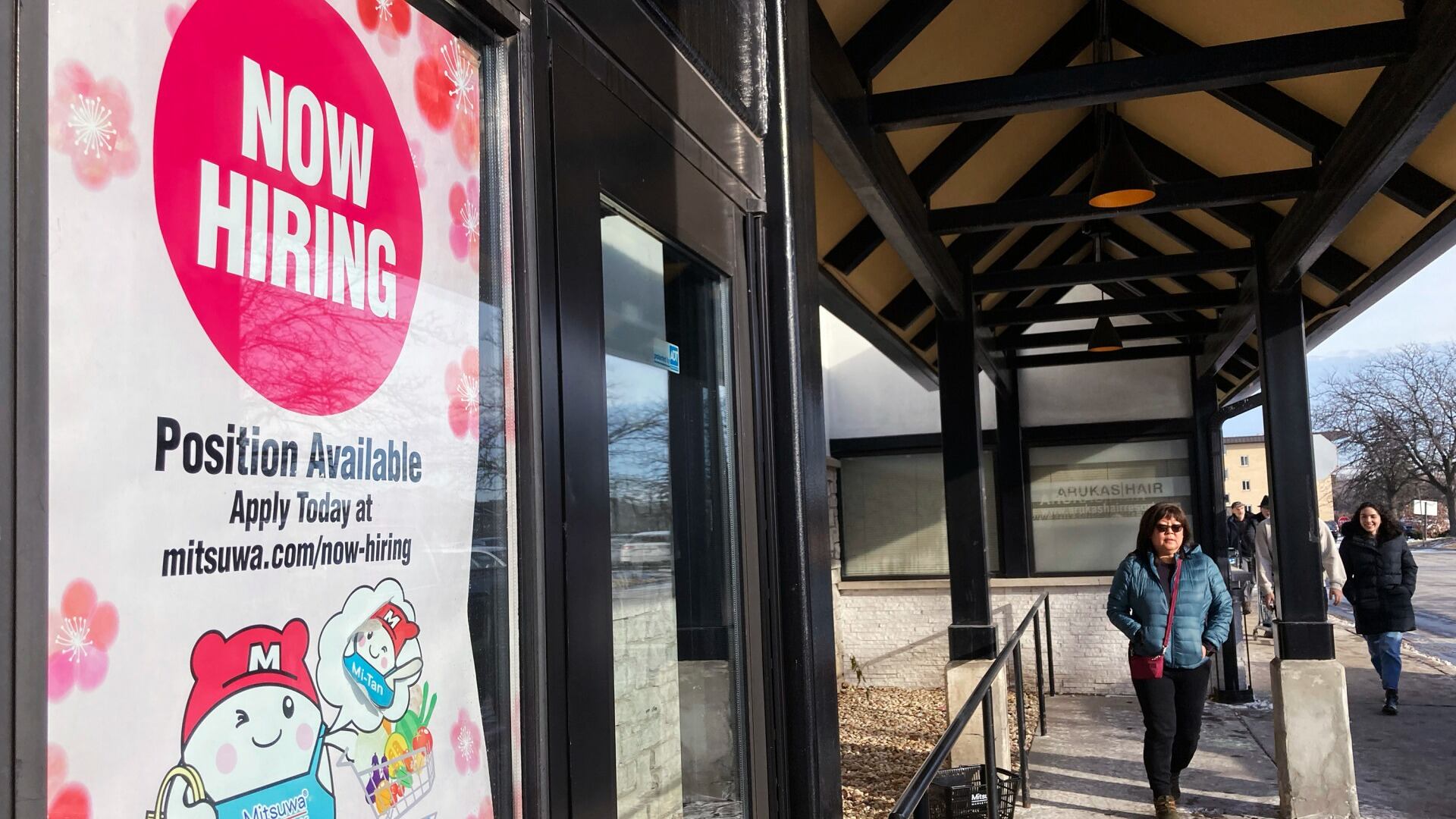
Since March of last year, the Fed has attacked inflation by raising its key interest rate eight times. Yet despite the resulting higher borrowing costs for individuals and businesses, the job market remains surprisingly robust. That is actually a worrisome sign for the Fed because strong demand for workers tends to fuel wage growth and overall inflation. Employers added a sizzling 517,000 jobs in January, and the unemployment rate fell to 3.4%, its lowest point since 1969.
The Fed is thought to monitor the inflation gauge that was issued Friday — the personal consumption expenditures price index — even more closely than it does the government’s better-known CPI.
Typically, the PCE index shows a lower inflation level than CPI. In part, that’s because rents, which have soared, carry twice the weight in the CPI that they do in the PCE.
The PCE price index also seeks to account for changes in how people shop when inflation jumps. As a result, it can capture emerging trends — when, for example, consumers shift away from pricey national brands in favor of less expensive store brands.
The consumer price index showed a worrisome rise from December to January: It jumped 0.5% — five times the November-to-December increase.
Likewise, the government’s measure of wholesale inflation, which shows price increases before they hit consumers, accelerated 0.7% from December to January after having dropped 0.2% from November to December.