Americans bought homes last month at the fastest pace in nearly eleven years. According to the National Association of Realtors, sales of existing homes climbed 5.6% in November. They reached a seasonally adjusted annual rate of almost six million units.
The last time home sales were this strong was in December of 2006, when properties sold at an annual pace of 6.4 million. Some of the factors that are driving this boom are the strengthening economy and rise of millennials getting into the housing market.
In other real estate news, the average size of the American home is getting bigger. According to real estate company Zillow, 44% of baby boomers live in houses larger than 2,000 square feet.
As the last members of the baby-boom generation become empty nesters, demand is growing for dual-purpose homes. Boomers are looking to remodel so that their homes comfortably fit a couple, but can also accommodate children and grandchildren when they visit for extended periods.
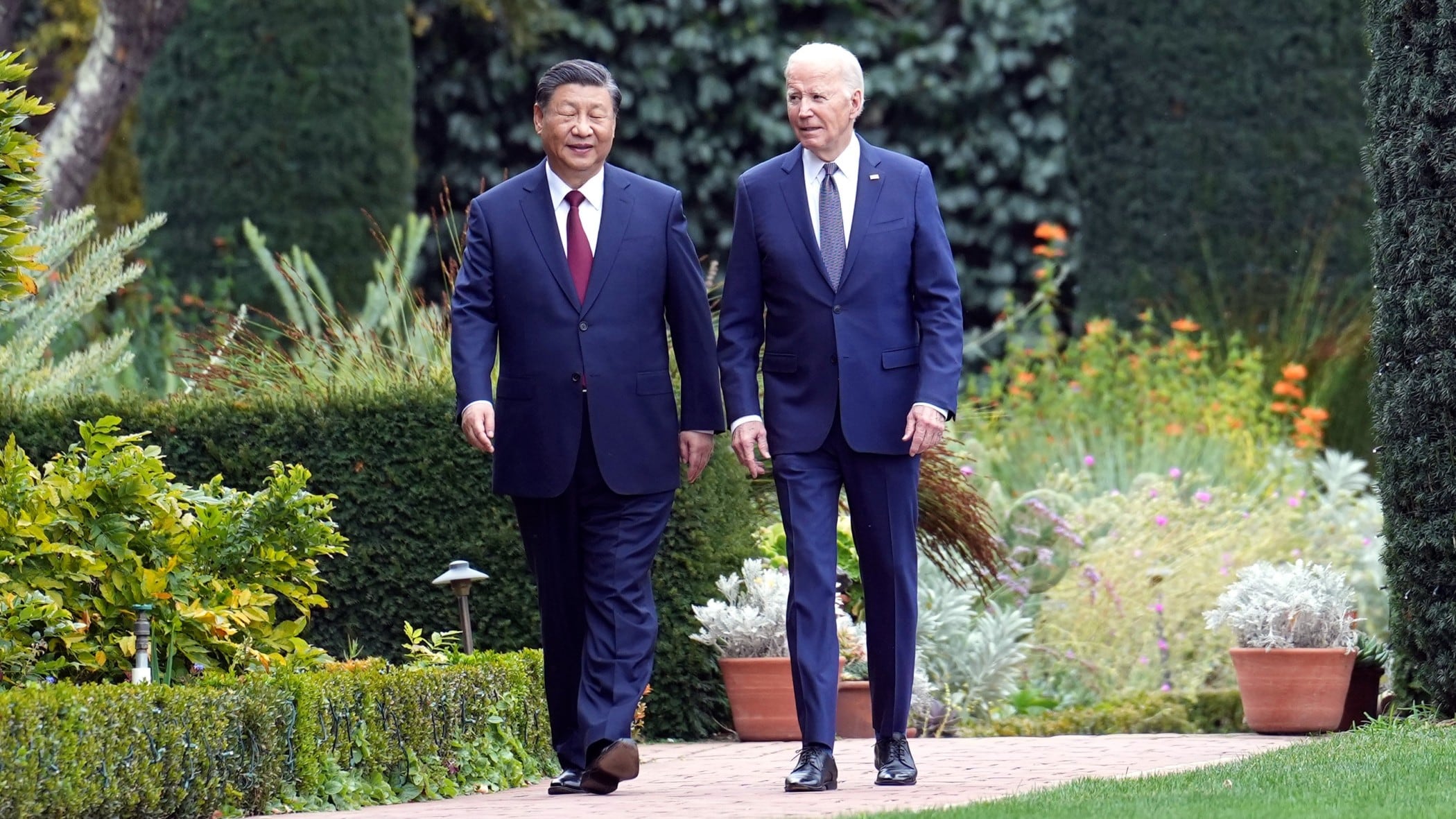
President Joe Biden and Chinese President Xi Jinping have discussed Taiwan, artificial intelligence and security issues in a call meant to demonstrate a return to regular leader-to-leader dialogue between the two powers.
April is Earth month, and while the green revolution might feel far away, the founder of climate VC Siam Capital says it’s on it’s way, and, even better: it won't cost you more.
From snow in April to heatwaves in December, it’s hard to plan a trip in a climate change world. Startup Sensible Weather thinks weather-based travel reimbursements are the solution.
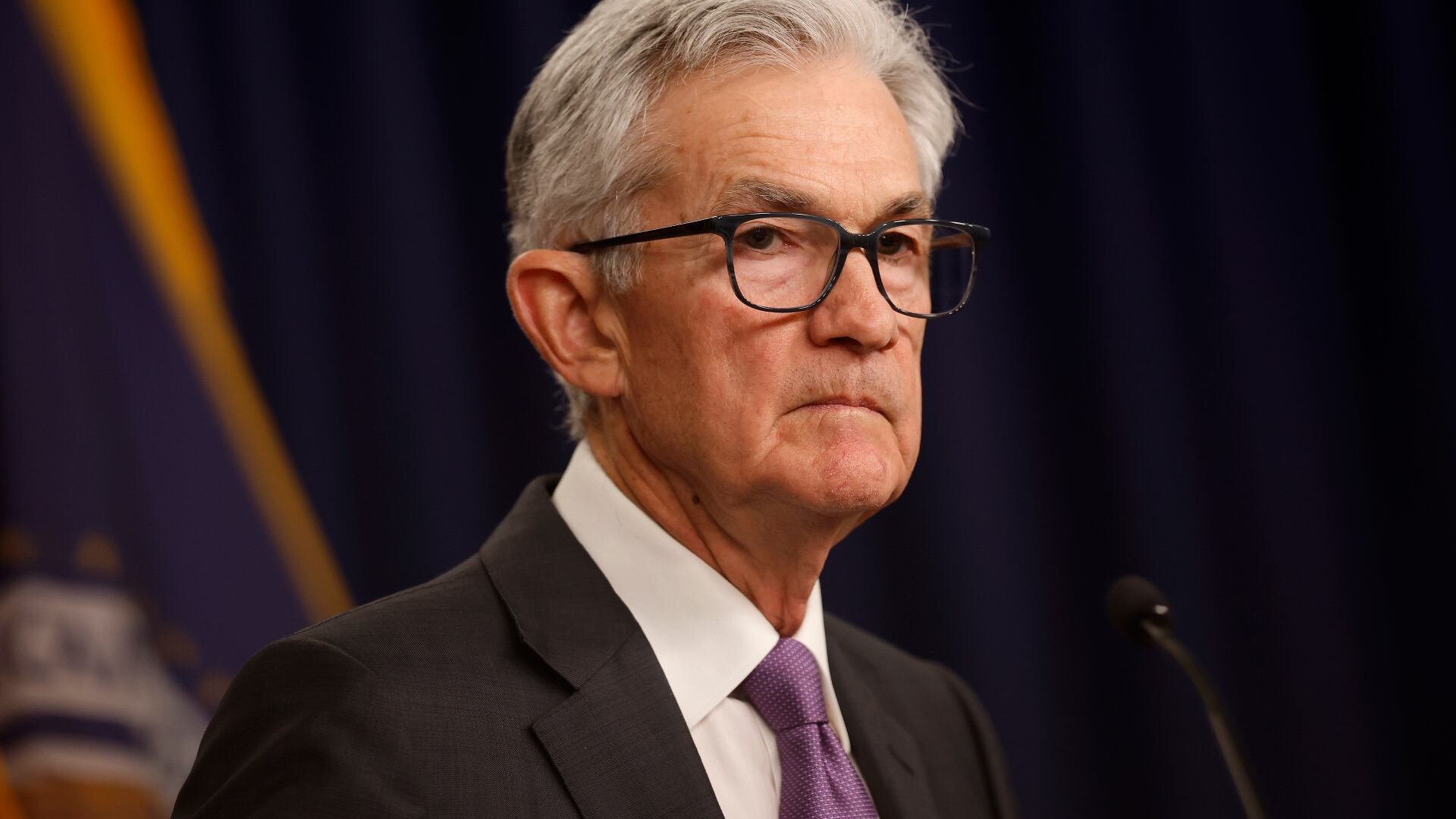
Between corporate debt and the widening gap between ‘the haves and the have nots,’ there are reasons to be cautious about the economy, even with interest rate cuts on their way.
If the A.I. hype hasn’t given you enough of a reason to be excited (and a little terrified), the CEO of Zapata AI says the next frontier is designing bridges or creating pharmaceutical drugs.
Stocks are near record highs, inflation is moderating, and analyst Deiya Pernas is 'optimistic' the U.S. is heading for a soft landing without a recession – which is good news for your wallet.
Google co-founders Larry Page and Sergey Brin loved pulling pranks, so much so they began rolling outlandish ideas every April Fools' Day not long after starting their company more than a quarter century ago.